Research Articles
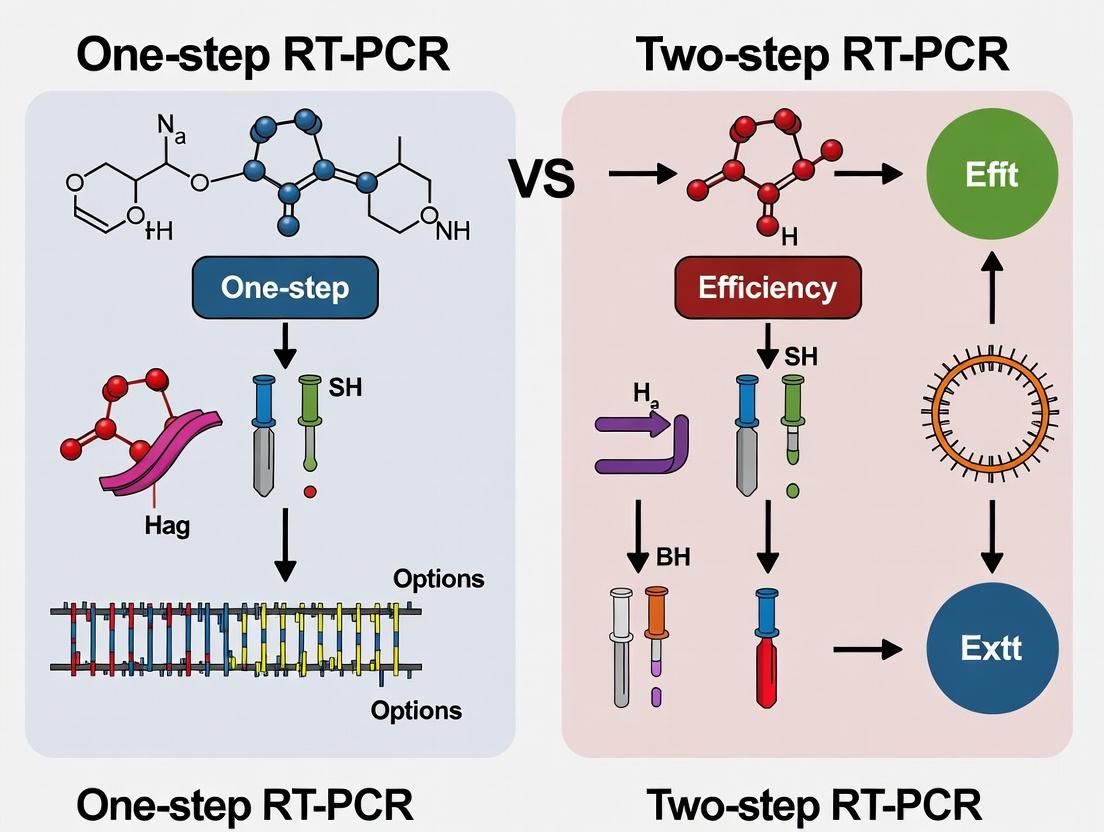
One-Step vs. Two-Step RT-PCR: A Comprehensive Guide to Workflow Efficiency, Accuracy, and Best Practices
This article provides a detailed comparative analysis of one-step and two-step reverse transcription polymerase chain reaction (RT-PCR) methodologies, tailored for researchers, scientists, and drug development professionals.

Illumina vs PacBio vs Nanopore Sequencing in 2024: A Complete Guide for Genomics Researchers
This article provides a comprehensive, up-to-date comparison of the three dominant sequencing technologies: Illumina (short-read), PacBio HiFi (long-read), and Oxford Nanopore (ultra-long-read).
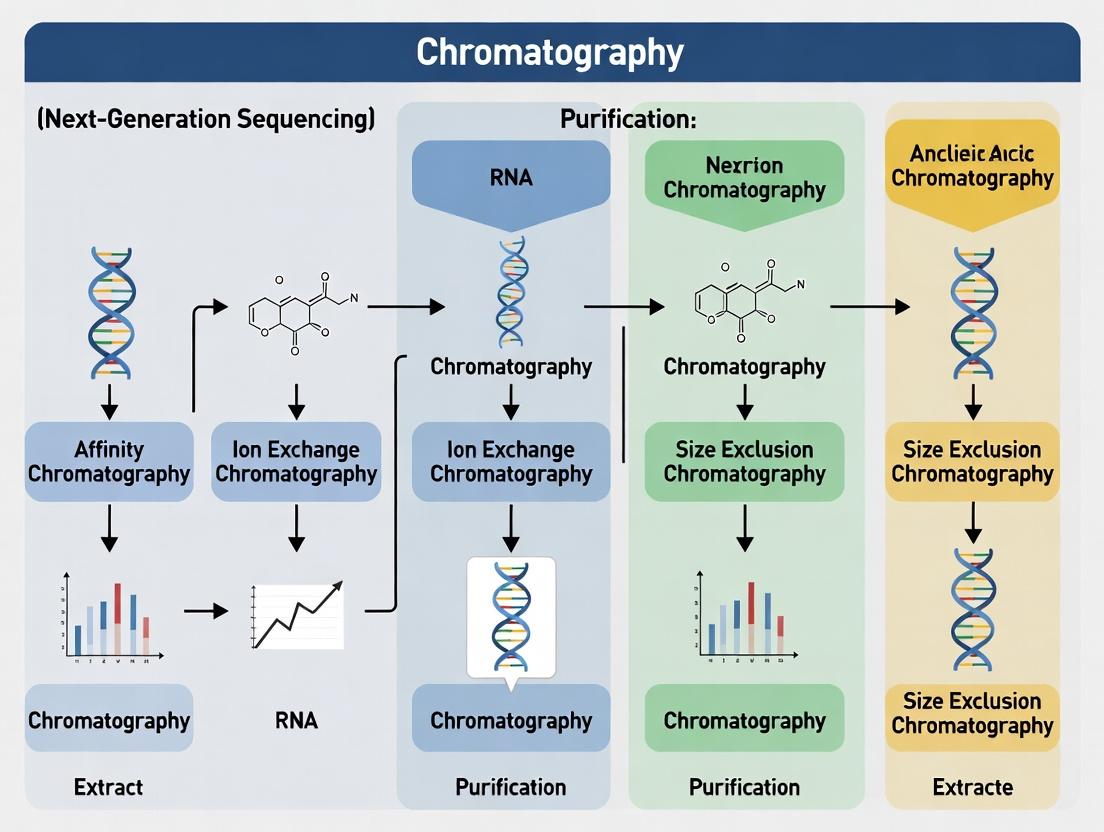
Chromatography in NGS: A Complete Guide to Nucleic Acid Extraction Methods for High-Quality Sequencing
This comprehensive guide explores the critical role of chromatography-based methods in extracting and purifying nucleic acids for Next-Generation Sequencing (NGS).
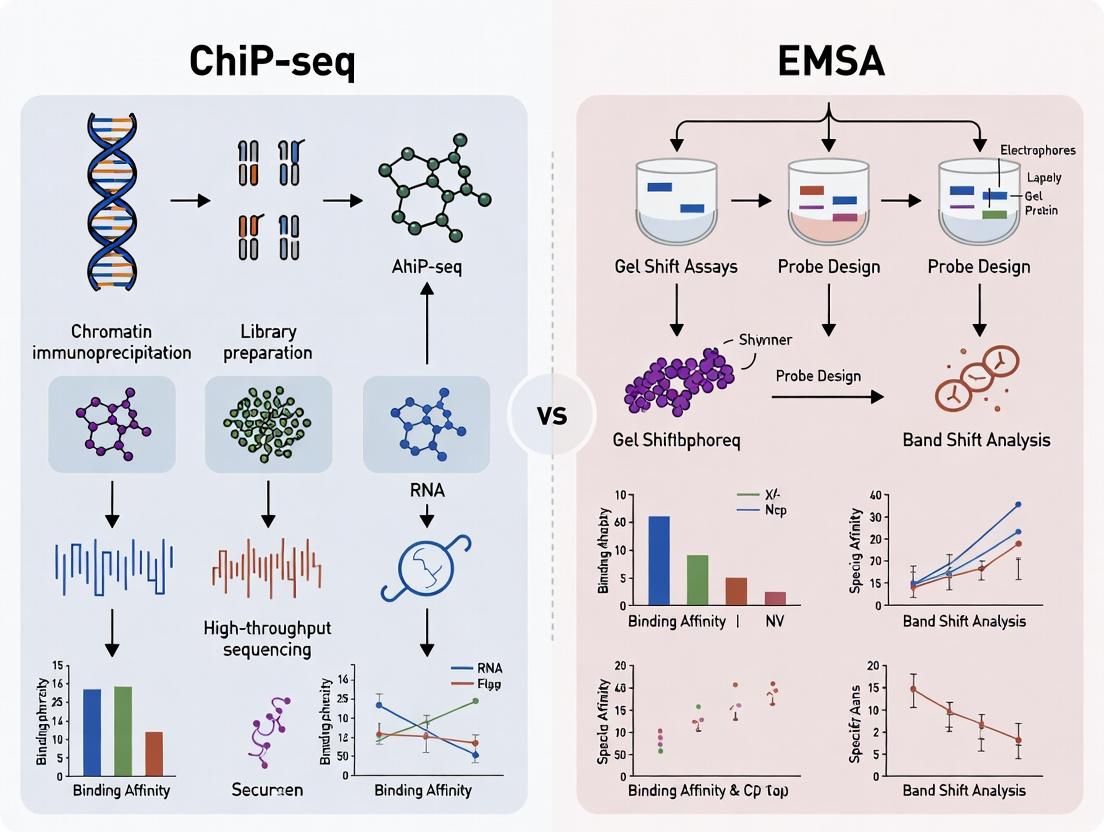
ChIP-seq vs EMSA: Choosing the Right Tool for Transcription Factor Binding Analysis in Research & Drug Development
This comprehensive guide compares Chromatin Immunoprecipitation Sequencing (ChIP-seq) and Electrophoretic Mobility Shift Assay (EMSA), two pivotal techniques for studying transcription factor (TF)-DNA interactions.
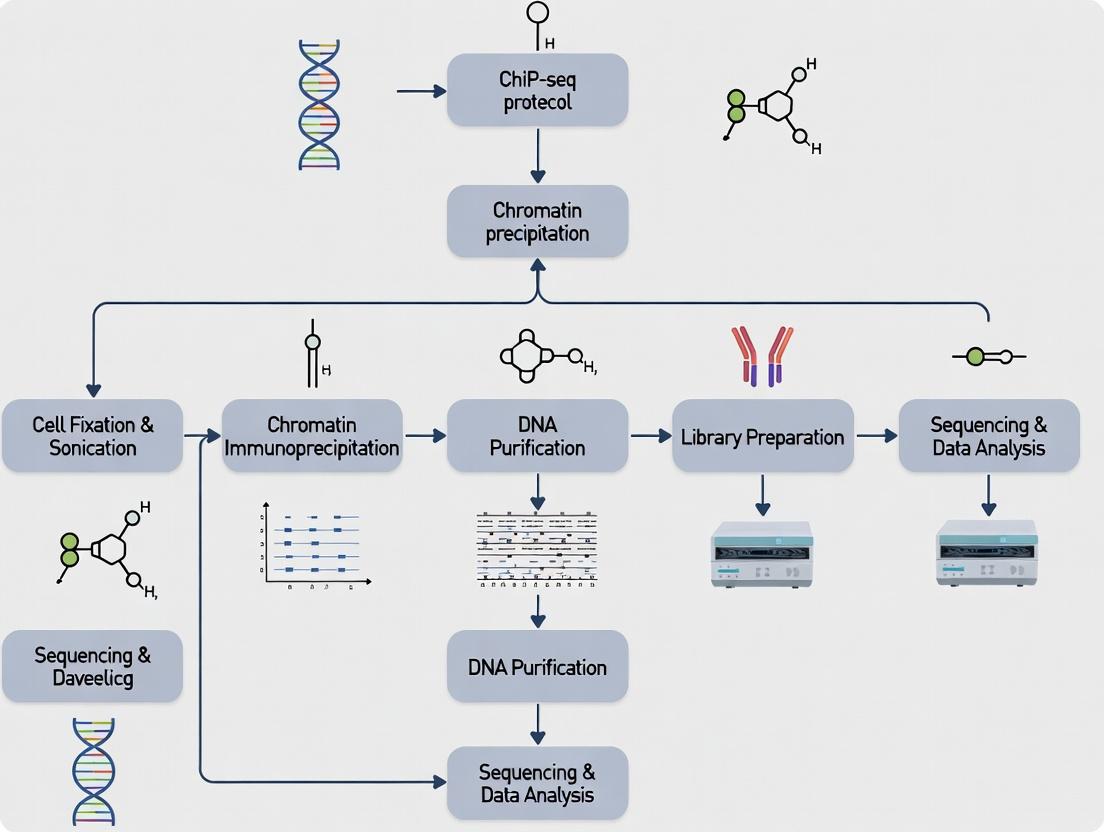
Mastering ChIP-seq: A Complete Guide to Profiling Genome-Wide Protein-DNA Interactions
This comprehensive guide provides researchers, scientists, and drug development professionals with a complete framework for Chromatin Immunoprecipitation followed by sequencing (ChIP-seq).
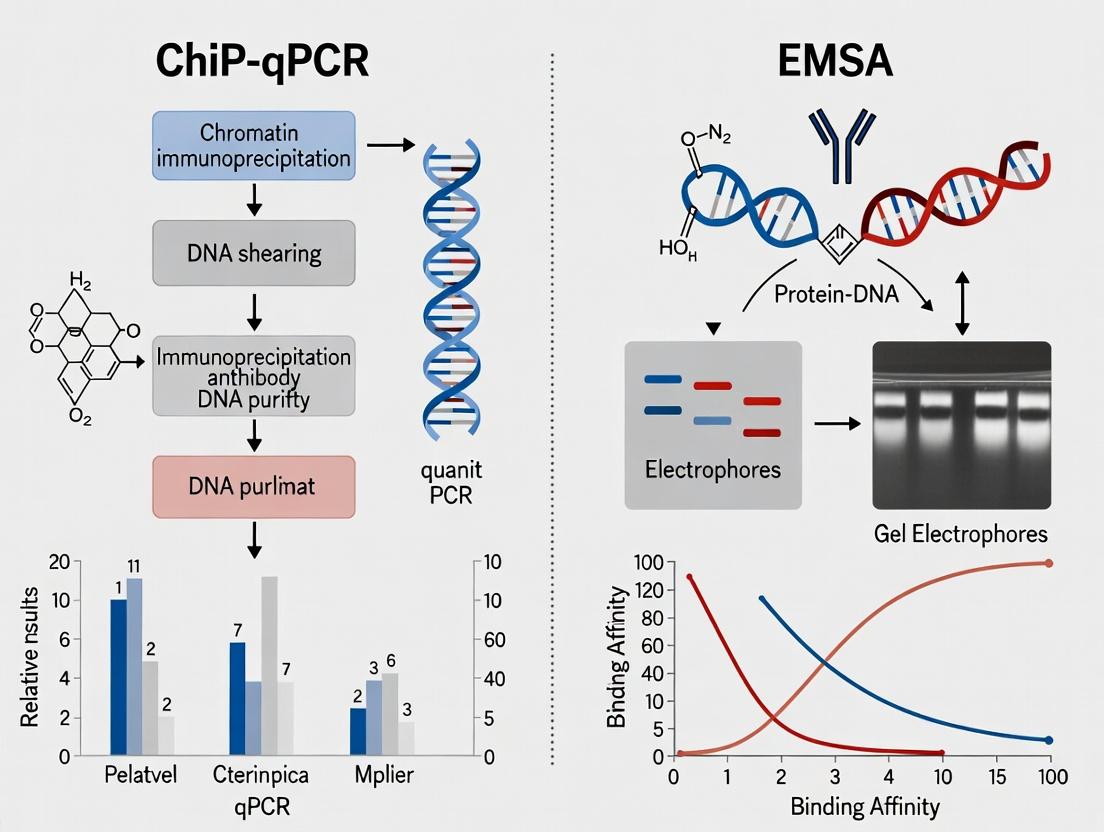
ChIP-qPCR vs EMSA: Choosing the Best Method for DNA-Protein Binding Confirmation
This article provides a comprehensive comparison of Chromatin Immunoprecipitation coupled with quantitative PCR (ChIP-qPCR) and the Electrophoretic Mobility Shift Assay (EMSA) for confirming DNA-protein interactions.

ChIP vs EMSA: Choosing the Right DNA-Protein Binding Assay for Your Research
This article provides a comprehensive comparison of Chromatin Immunoprecipitation (ChIP) and Electrophoretic Mobility Shift Assay (EMSA), two cornerstone techniques for studying DNA-protein interactions.
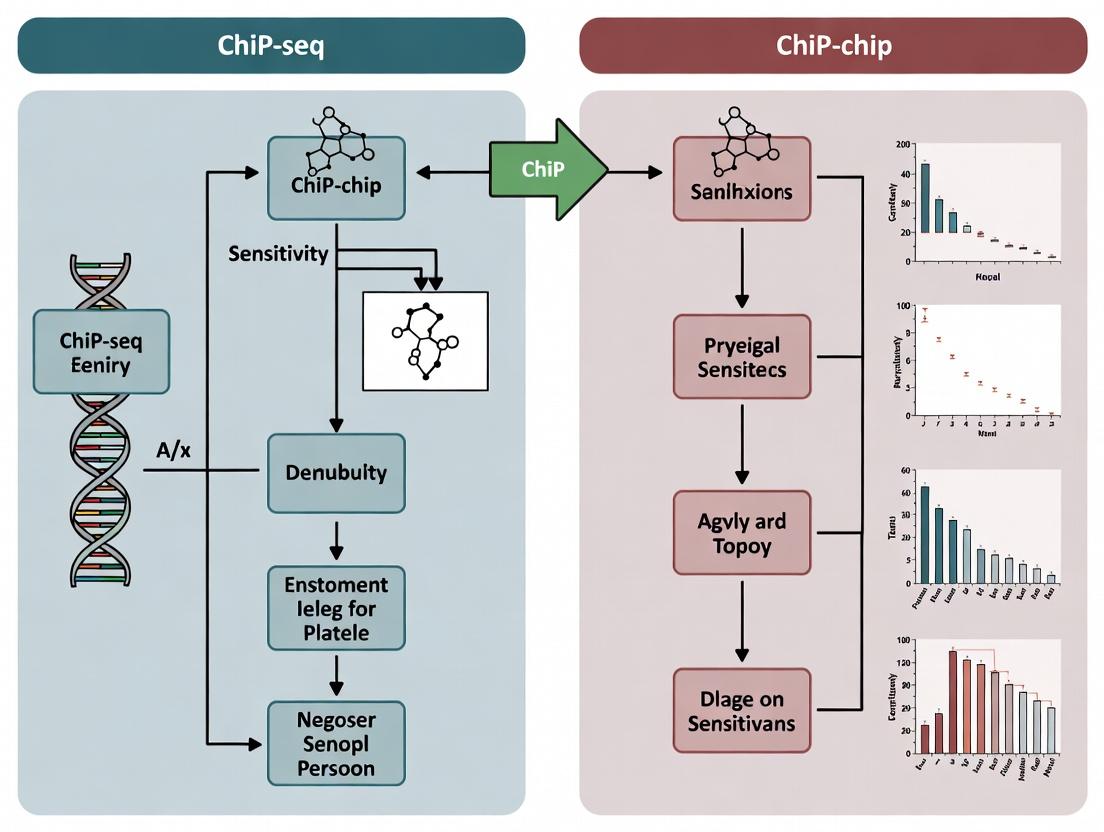
ChIP-seq vs ChIP-chip: A Comprehensive Sensitivity Comparison for Modern Genomics Research
This article provides a detailed, contemporary comparison of Chromatin Immunoprecipitation followed by sequencing (ChIP-seq) and microarray analysis (ChIP-chip), focusing on sensitivity and resolution.
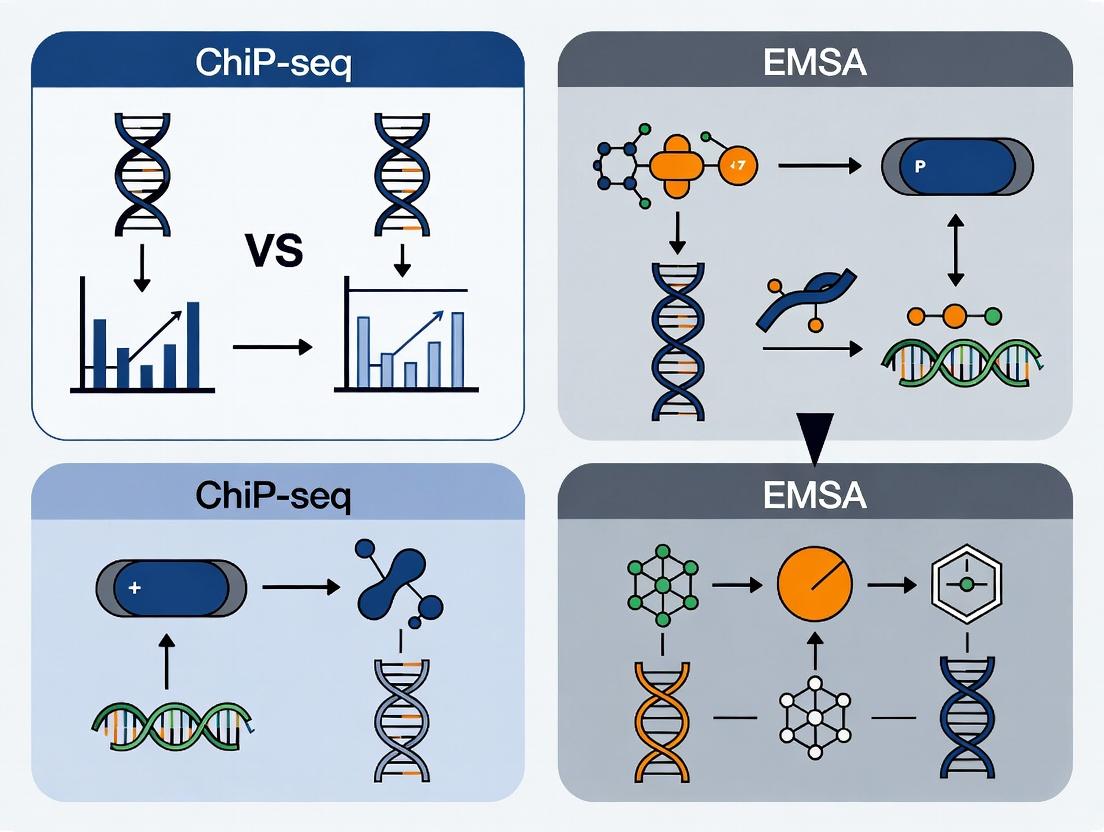
ChIP-seq vs. EMSA: Choosing the Right Protein-DNA Interaction Assay for Your Research
This article provides a comprehensive guide for researchers and drug development professionals on two pivotal techniques for studying protein-DNA interactions: Chromatin Immunoprecipitation Sequencing (ChIP-seq) and Electrophoretic Mobility Shift Assay (EMSA).
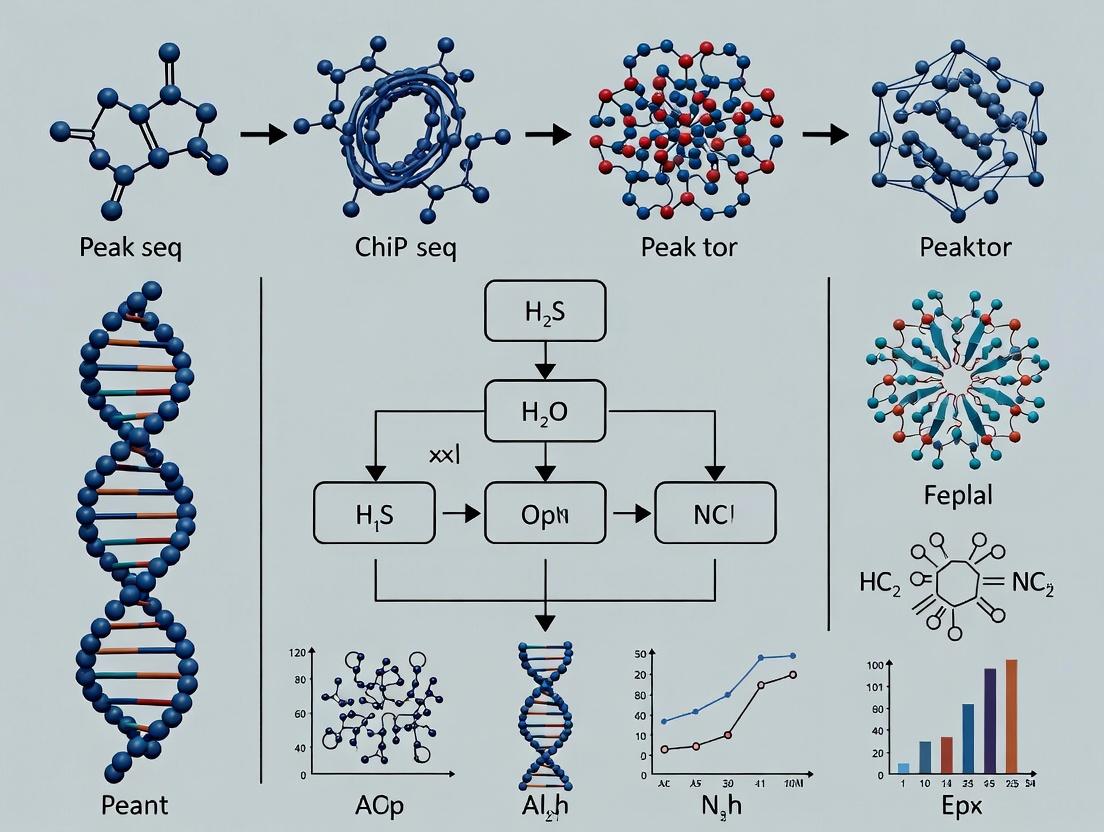
Choosing the Right ChIP-seq Peak Caller: A 2024 Comprehensive Guide for Researchers and Drug Developers
This guide provides a comprehensive, up-to-date comparison of ChIP-seq peak calling algorithms, from foundational principles to practical selection.