Strategies for Improving Oligonucleotide Stability and Binding Affinity: From Chemical Design to Therapeutic Application
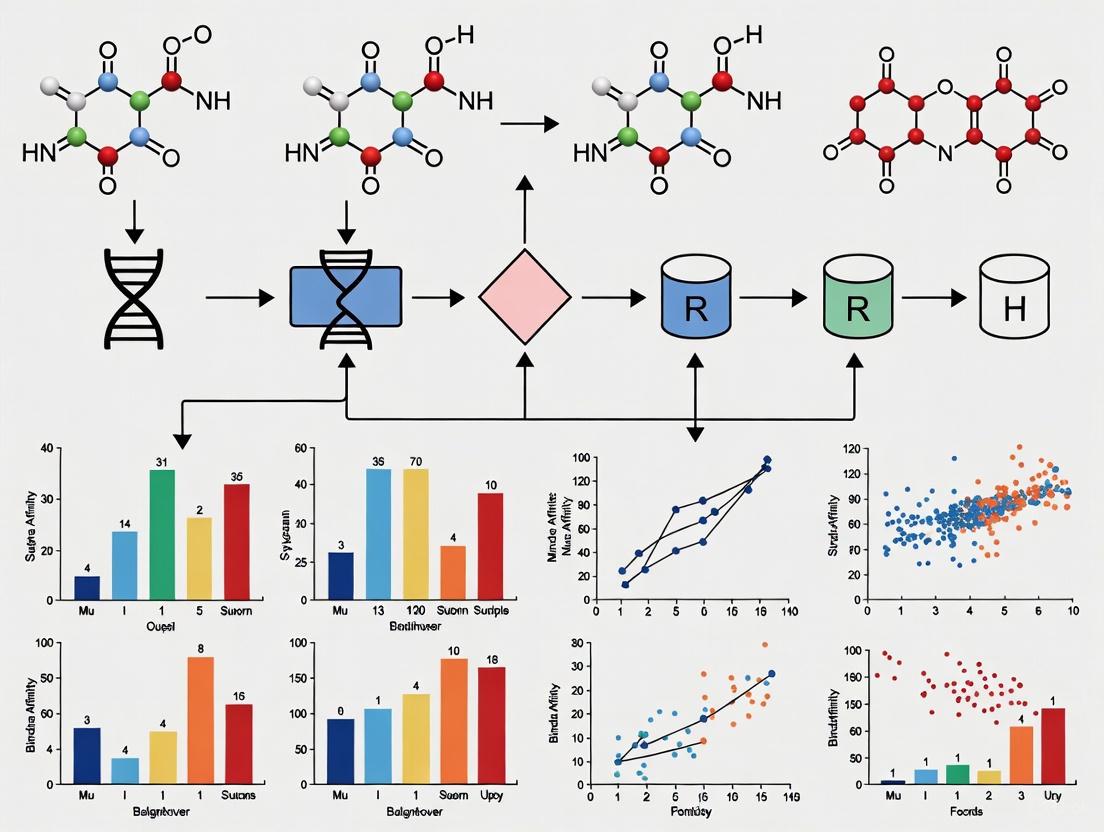
This article provides a comprehensive overview of the latest advancements and strategies for enhancing the stability and binding affinity of therapeutic oligonucleotides.
Strategies for Improving Oligonucleotide Stability and Binding Affinity: From Chemical Design to Therapeutic Application
Abstract
This article provides a comprehensive overview of the latest advancements and strategies for enhancing the stability and binding affinity of therapeutic oligonucleotides. Tailored for researchers, scientists, and drug development professionals, it explores the fundamental principles of oligonucleotide degradation and molecular recognition. The scope ranges from foundational chemical modifications and backbone engineering to advanced in vitro assessment methodologies, practical troubleshooting for optimization, and comparative validation of different technological approaches. By synthesizing recent research and development trends, this resource aims to support the rational design of more effective and stable oligonucleotide-based therapeutics, particularly for challenging extrahepatic targets.
The Building Blocks: Understanding Oligonucleotide Degradation and Molecular Recognition
Troubleshooting Guides
Guide 1: Overcoming Nuclease Degradation
Nuclease degradation rapidly destroys oligonucleotides before they reach their cellular targets. Use this guide to diagnose and solve common issues.
| Observation | Possible Cause | Solution | Verification Method |
|---|---|---|---|
| Short oligonucleotide half-life in serum/plasma assays | Presence of serum nucleases (e.g., 3'-exonuclease) | Incorporate phosphorothioate (PS) linkages at the 3' and 5' ends [1]. | Run analytical HPLC or capillary gel electrophoresis post-serum exposure to compare full-length oligonucleotide percentage [2]. |
| Multiple truncated sequences in QC analysis | Chemical degradation during synthesis or storage | Optimize synthesis cycle and use scavengers during deprotection. Store oligonucleotides in neutral pH buffers at -20°C [3]. | Use LC-MS to identify and characterize impurity sequences [2]. |
| Loss of activity in in vivo models despite cell culture success | Rapid clearance by nucleases in blood and tissues | Apply comprehensive chemical modification patterns (e.g., 2'-MOE, 2'-F, LNA) throughout the sequence [1]. | Measure bio-distribution and half-life using radiolabeled or fluorescently tagged oligonucleotides [2]. |
| Inconsistent results between batches | Variable nuclease contamination in reagents or buffers | Use nuclease-free reagents and include nuclease inhibitors (e.g., EDTA) in preparation buffers [4]. | Perform gel electrophoresis or bioanalyzer run on reagents spiked with intact DNA to test for nuclease activity. |
Guide 2: Solving Poor Cellular Uptake and Endosomal Trapping
Inefficient cellular entry and failure to escape endosomes are major bottlenecks. This guide addresses these delivery barriers.
| Observation | Possible Cause | Solution | Verification Method |
|---|---|---|---|
| High extracellular fluorescence, low intracellular signal (with labeled ON) | Poor internalization across cell membrane | Complex oligonucleotide with a cell-penetrating peptide (CPP) like tri-cTatB [5] or use lipid nanoparticles (LNPs) [3]. | Analyze cellular uptake via flow cytometry or confocal microscopy. |
| Colocalization of oligonucleotides with endosomal/lysosomal markers | Trapped in endosomes, lack of endosomal escape | Employ endosomolytic agents or strategies like Photochemical Internalization (PCI) [5]. | Measure functional gene knockdown (e.g., qPCR, Western blot) versus a control. Colocalization studies with Lysotracker. |
| Efficient liver uptake but poor delivery to other tissues | Reliance on passive targeting (e.g., GalNAc for hepatocytes) | Explore novel ligand conjugates (e.g., antibodies, peptides) for active targeting of other tissues [1]. | Conduct bio-distribution studies in relevant animal models. |
| Good uptake but low potency (no target engagement) | Inefficient release from delivery vehicle or intracellular sequestration | Optimize the chemical structure of the delivery vehicle (e.g., LNP lipid ratios) or oligonucleotide chemistry to promote release [3]. | Use techniques like FRET to monitor cargo release from the carrier inside the cell. |
Frequently Asked Questions (FAQs)
Q1: What are the most effective chemical modifications to protect oligonucleotides from nuclease degradation without compromising binding affinity?
Combining different modifications is often most effective. Phosphorothioate (PS) linkages in the backbone dramatically increase nuclease resistance and improve pharmacokinetics. For the sugar moiety, 2'-O-methoxyethyl (2'-MOE) and 2'-Fluoro (2'-F) modifications both enhance nuclease stability and increase binding affinity to the target RNA. Locked Nucleic Acid (LNA) modifications offer very high binding affinity and stability but require careful design to avoid off-target effects. A common strategy is a "gapmer" design for ASOs, with high-affinity modifications (e.g., 2'-MOE, LNA) on the ends and a central DNA "gap" to support RNase H activity [1].
Q2: Our siRNA shows excellent gene knockdown in vitro but is ineffective in our mouse model. What should we investigate first?
First, check the bio-distribution and delivery system. In vitro delivery often uses transfection reagents that are unsuitable for in vivo use. For in vivo applications, you need a robust delivery vehicle. If targeting the liver, GalNAc conjugation is the gold standard for siRNAs, enabling efficient hepatocyte uptake. For other tissues, investigate lipid nanoparticles (LNPs) or other targeting ligands. Second, confirm that the oligonucleotide remains intact in vivo. Extract tissue samples and analyze the oligonucleotide integrity to rule out extensive nuclease degradation [1].
Q3: We observe high cellular uptake with a new CPP, but our oligonucleotide is still not functional. What is the most likely cause?
The most common cause is endosomal trapping. Cell-penetrating peptides are highly efficient at getting cargo into cells but often fail to release it from endosomes into the cytoplasm, where most oligonucleotides need to act. To confirm this, perform a colocalization experiment with an endosomal marker. To overcome this, you can explore strategies to promote endosomal escape. One promising method is Photochemical Internalization (PCI), which uses light to trigger the rupture of endosomal membranes and has been shown to increase functional delivery by over 90% with certain CPPs [5].
Q4: What critical quality attributes (CQAs) should we monitor for oligonucleotide stability during formulation development?
Beyond standard identity and purity assays, you should closely monitor:
- Diastereomeric Composition: PS linkages create diastereomers, which can have different properties [2].
- Impurity Profile: Identify and quantify key impurities like (n-1) truncations and depurination products [2].
- For AAV-delivered DNA: DNA integrity is a crucial CQA, as encapsidated DNA can degrade via pH-dependent depurination (acidic pH) or ejection (basic pH), leading to potency loss [6] [7].
Experimental Protocols
Protocol 1: Evaluating Oligonucleotide Stability in Serum
Objective: To determine the half-life of an oligonucleotide in a biologically relevant nuclease-containing environment.
Materials:
- Oligonucleotide of interest (e.g., 20-mer ASO)
- Fetal Bovine Serum (FBS)
- Nuclease-Free Water
- 10X Phosphate Buffered Saline (PBS)
- 0.5 M EDTA, pH 8.0
- Heating block or water bath set to 37°C
- Proteinase K
- Phenol:Chloroform:Isoamyl Alcohol (25:24:1)
- Equipment for HPLC or Capillary Gel Electrophoresis (CGE)
Method:
- Preparation: Dilute the oligonucleotide in nuclease-free water to a stock concentration of 100 µM. Pre-warm FBS to 37°C.
- Incubation Setup: In a microcentrifuge tube, create a reaction mixture containing 90% (v/v) FBS and 10% (v/v) oligonucleotide stock (final oligonucleotide concentration: 10 µM). Mix thoroughly and place immediately in the 37°C heating block.
- Time Points: At predetermined time points (e.g., 0, 15 min, 30 min, 1 h, 2 h, 4 h, 8 h, 24 h), remove a 20 µL aliquot from the mixture.
- Reaction Termination: Immediately add 2 µL of 0.5 M EDTA to the aliquot to chelate divalent cations and inhibit nuclease activity. Place on ice.
- Digestion and Extraction:
- Add 2 µL of Proteinase K (20 mg/mL) to the aliquot and incubate at 50°C for 1 hour to digest serum proteins.
- Add an equal volume of Phenol:Chloroform:Isoamyl Alcohol, vortex vigorously, and centrifuge at top speed for 5 minutes.
- Carefully transfer the upper aqueous phase to a new tube.
- Analysis: Analyze the extracted oligonucleotide using HPLC or CGE. Quantify the percentage of full-length oligonucleotide remaining at each time point.
- Data Analysis: Plot the natural log of the % full-length oligonucleotide against time. The slope of the linear fit is -k (degradation rate constant). The half-life (t1/2) is calculated as ln(2)/k.
Protocol 2: Assessing Functional Delivery via Photochemical Internalization (PCI)
Objective: To enhance the functional endosomal escape of a CPP-complexed oligonucleotide using light-triggered membrane disruption [5].
Materials:
- Cell line of interest (e.g., HeLa, MDA-MB-231)
- Cell culture media and reagents
- CPP (e.g., tri-cTatB peptide [5])
- Oligonucleotide (e.g., siRNA against GAPDH or PLK1)
- Photosensitizer (e.g., disulfonated tetraphenyl chlorin, TPCS2a)
- Light source for illumination (e.g., LumiSource lamp)
- Opti-MEM or serum-free medium
- Materials for downstream functional assay (e.g., qPCR primers, Western blot antibodies)
Method:
- Cell Seeding: Seed cells in a 24-well or 96-well plate at an appropriate density and incubate for 24 hours to reach ~70% confluency.
- Photosensitizer Incubation: Add the photosensitizer (e.g., 0.2 µg/mL TPCS2a) to the cell culture medium and incubate for 18 hours. Include control wells without photosensitizer.
- Complex Formation: While cells are incubating with the photosensitizer, prepare complexes of the CPP and oligonucleotide in Opti-MEM. A typical mass ratio of 1:1 (CPP:Oligo) can be used. Incubate for 15-30 minutes at room temperature to allow complex formation.
- Complex Transfection:
- After the 18-hour incubation, carefully wash the cells twice with PBS to remove unincorporated photosensitizer.
- Add the CPP/oligonucleotide complexes to the cells in fresh, serum-free medium.
- Incubate for 4 hours to allow for cellular uptake.
- Light Illumination:
- After the 4-hour transfection, wash the cells once with PBS and add fresh, complete medium.
- Expose the cells to light from the LumiSource lamp (e.g., blue or red light depending on the photosensitizer) for a specific duration (e.g., 30-180 seconds). Keep control plates in the dark.
- Post-Illumination Incubation: Return all plates to the incubator and culture for an additional 44-48 hours to allow for gene expression changes.
- Functional Analysis: Harvest cells and assess the functional outcome of the oligonucleotide delivery.
- For siRNA: Measure mRNA levels by qRT-PCR or protein levels by Western blot for the target gene (e.g., GAPDH).
- Compare the knockdown efficiency in the "Light" group versus the "No Light" and "No Oligo" control groups.
Signaling Pathways and Workflows
Oligonucleotide Intracellular Trafficking
This diagram illustrates the major pathways and bottlenecks an oligonucleotide faces after administration, from circulation to target engagement.
Photochemical Internalization (PCI) Workflow
This flowchart details the experimental steps for implementing PCI to enhance endosomal escape, as described in the protocol.
The Scientist's Toolkit: Research Reagent Solutions
| Reagent / Material | Function / Role in Addressing Core Challenges |
|---|---|
| Phosphoramidites (2'-MOE, 2'-F, LNA) | Chemically modified building blocks for oligonucleotide synthesis that enhance nuclease resistance and binding affinity [3] [1]. |
| Phosphorothioate (PS) Linkages | Backbone modifications where a sulfur atom replaces a non-bridging oxygen, drastically increasing resistance to nuclease degradation and improving pharmacokinetics [3] [1]. |
| N-Acetylgalactosamine (GalNAc) | A targeting ligand conjugated to oligonucleotides (especially siRNAs) that enables highly efficient uptake by hepatocytes via the asialoglycoprotein receptor, solving liver-specific delivery [3] [1]. |
| Cell-Penetrating Peptides (CPPs) | Short peptides (e.g., tri-cTatB) that facilitate cellular internalization of complexed oligonucleotides, overcoming the poor permeability of the cellular membrane [5]. |
| Lipid Nanoparticles (LNPs) | Advanced delivery vehicles that encapsulate oligonucleotides, protecting them from nucleases and promoting cellular uptake through endocytosis [3]. |
| Photosensitizers (e.g., TPCS₂a) | Molecules used in Photochemical Internalization (PCI) that, upon light activation, generate reactive oxygen species to disrupt endosomal membranes, promoting endosomal escape [5]. |
| Capillary Gel Electrophoresis (CGE) | An analytical technique used for high-resolution separation and quantification of full-length oligonucleotides from truncated impurities, essential for stability testing and quality control [6] [2]. |
Frequently Asked Questions (FAQs)
Q1: What is the primary function of the phosphorothioate (PS) backbone modification in first-generation oligonucleotides? The phosphorothioate (PS) backbone modification, in which a sulfur atom replaces one of the non-bridging oxygen atoms in the phosphate group, serves two primary functions [8]:
- Nuclease Resistance: It protects the oligonucleotide from degradation by nucleases, thereby increasing its stability in biological environments.
- Improved Pharmacokinetics: It enhances the binding of oligonucleotides to plasma proteins, which reduces renal excretion and increases half-life, improving tissue distribution and cellular uptake [8].
Q2: What are the main limitations of fully phosphorothioate-modified oligonucleotides (first-generation) that led to the development of newer chemistries? While PS modifications provided a crucial foundation, first-generation ASOs (fully PS-modified DNA) had several key limitations [8]:
- Reduced Binding Affinity: PS modifications decrease the oligonucleotide's affinity for its complementary RNA target.
- High Dose Requirements: Early clinical trials required repeated administration of high doses, leading to toxicity concerns and limited efficacy.
- Protein Binding-Mediated Toxicity: Nonspecific binding to proteins was associated with certain toxicities, including immune stimulation and thrombocytopenia.
Q3: My fully PS-modified antisense oligonucleotide shows poor target engagement in vitro. What could be the reason? Poor target engagement can stem from the inherently lower binding affinity of the PS DNA backbone for its RNA target compared to an unmodified phosphodiester backbone [8]. Furthermore, the specific sequence might be prone to forming self-dimers or secondary structures that hinder hybridization. To troubleshoot:
- Check Sequence Design: Use predictive software to analyze secondary structure and self-complementarity.
- Consider a Gapmer Design: Move away from the fully PS-modified first-generation design. Incorporate high-affinity sugar modifications (like 2'-MOE or LNA) in the flanks while retaining a central PS DNA "gap" to enable RNase H activity [8].
- Verify Purity: Use analytical techniques like ion-exchange chromatography or capillary electrophoresis to ensure the product is not compromised by truncated sequences or impurities [9].
Q4: What analytical techniques are critical for characterizing and troubleshooting the purity and stability of PS-modified oligonucleotides? The complex impurity profiles of synthetic oligonucleotides necessitate robust analytical methods [9] [10]. Key techniques include:
- Anion-Exchange Chromatography (AEX): Separates oligonucleotides based on charge (length and modification level), ideal for resolving PS-backbone impurities.
- Reversed-Phase Chromatography (RP-HPLC): Useful for separating oligonucleotides with hydrophobic tags (like the 5'-DMT group) or certain conjugates.
- Capillary Electrophoresis (CE): Provides high-resolution separation based on size and charge, excellent for detecting length-based impurities.
- Mass Spectrometry (MS): Essential for confirming identity, detecting modifications, and characterizing degradation products.
Key Experimental Protocols
Protocol 1: Synthesis of a Phosphorothioate-Modified Oligonucleotide via Solid-Phase Phosphoramidite Chemistry
This is the industry-standard method for synthesizing PS-modified oligonucleotides [11].
Principle: Nucleoside phosphoramidites are sequentially added to a growing oligonucleotide chain attached to a solid support (e.g., controlled-pore glass or polystyrene). The key step for PS incorporation is the sulfurization of the phosphite triester linkage [11].
Materials:
- Solid Support: CPG or polystyrene with the first nucleoside attached.
- Phosphoramidites: Protected nucleoside phosphoramidite monomers (e.g., DMT-protected 5'-OH).
- Activator Solution: An acidic azole catalyst (e.g., 1H-tetrazole) to activate the phosphoramidite.
- Oxidizing/Sulfurizing Reagent: For PS backbone, a sulfur transfer reagent (e.g., DDTT, PADS) is used instead of an iodine-based oxidizer.
- Capping Reagents: A mixture of acetic anhydride and 1-methylimidazole to cap unreacted chains.
- Detritylation Reagent: An acid (e.g., dichloroacetic acid in toluene) to remove the 5'-DMT protecting group.
Procedure:
- Detritylation: Flush the column with dichloroacetic acid in toluene to remove the 5'-DMT group from the support-bound nucleoside, freeing the 5'-OH for coupling.
- Coupling: Deliver the desired phosphoramidite and activator solution to the column. The activated phosphoramidite couples to the free 5'-OH group, forming a phosphite triester linkage.
- Sulfurization: Flush the column with the sulfurizing reagent (e.g., DDTT solution). This replaces one oxygen atom in the phosphite group with sulfur, creating a phosphorothioate linkage.
- Capping: Introduce the capping reagents to acetylate any unreacted 5'-OH groups (~1-2% per cycle), preventing them from elongating in subsequent cycles and forming deletion sequences.
- Washing: Wash the support with solvent (e.g., acetonitrile) between each step to remove excess reagents.
- Cycle Repetition: Repeat steps 1-5 for each subsequent nucleotide in the sequence.
- Cleavage and Deprotection: After full sequence assembly, treat the support with concentrated ammonium hydroxide at elevated temperature. This cleaves the oligonucleotide from the support and removes base-labile protecting groups (e.g., benzoyl from adenine, cytosine).
Protocol 2: Purification of Crude PS-Modified Oligonucleotides by Anion-Exchange Chromatography
Principle: AEX chromatography separates oligonucleotides based on their negative charge, which is proportional to length and the number of PS groups. This effectively resolves the full-length product from shorter failure sequences [11].
Materials:
- Stationary Phase: Quaternary ammonium-functionalized resin (e.g., Dionex DNAPac or similar).
- Mobile Phase A: Low-salt buffer (e.g., 20 mM sodium phosphate, pH 8).
- Mobile Phase B: High-salt buffer (e.g., 20 mM sodium phosphate, 1.0 M NaClO4, pH 8).
- HPLC System: Equipped with a UV detector (λ = 260 nm).
- Preparative AEX column.
Procedure:
- Sample Preparation: Dilute the crude oligonucleotide solution obtained after cleavage/deprotection in Mobile Phase A and filter.
- Chromatographic Run:
- Load the sample onto the equilibrated AEX column.
- Elute using a linear gradient from 0% to 100% Mobile Phase B over 30-60 minutes.
- Monitor the UV trace at 260 nm.
- Fraction Collection: The full-length product will elute at a higher salt concentration than shorter failure sequences. Collect the peak corresponding to the full-length product.
- Desalting: Desalt the collected fraction using tangential flow filtration (TFF) or ethanol precipitation.
- Lyophilization: Isolate the purified oligonucleotide as a solid by lyophilization.
Table 1: Impact of Chemical Modifications on Oligonucleotide Properties [8]
| Modification Type | Key Feature | Impact on Binding Affinity (ΔTm/mod) | Primary Contribution |
|---|---|---|---|
| Phosphorothioate (PS) | Sulfur substitution in backbone | Slight decrease | Nuclease stability, improved PK/PD (protein binding) |
| 2'-O-Methoxyethyl (2'-MOE) | 2'-O-methoxyethyl ribose | +0.9°C to +1.7°C | Nuclease resistance, increased binding affinity |
| Locked Nucleic Acid (LNA) | Bridged 2'-O and 4'-C | +4.0°C to +8.0°C | Very high binding affinity, allows for shorter ASOs |
| Constrained Ethyl (cEt) | Methylated LNA analog | Similar to LNA | Very high binding affinity, improved potency |
Table 2: Common Analytical Techniques for PS-Modified Oligonucleotide Quality Control [9]
| Technique | Separation Principle | Best Suited for Detecting |
|---|---|---|
| Anion-Exchange Chromatography (AEX) | Charge (length/backbone) | Failure sequences (n-1, n-2), backbone impurity profiles |
| Reversed-Phase HPLC (RP-HPLC) | Hydrophobicity | DMT-on vs. DMT-off impurities, certain conjugates |
| Capillary Electrophoresis (CE) | Size/Charge | Short and long sequence variants, stereoisomer separation |
Experimental Workflow and Pathway Diagrams
Diagram 1: Workflow for Synthesis and QC of PS-Modified Oligonucleotides.
Diagram 2: Legacy and Evolution from First-Generation PS-Modified Oligonucleotides.
The Scientist's Toolkit: Research Reagent Solutions
Table 3: Essential Reagents and Materials for PS-Oligonucleotide Work
| Item | Function/Application | Key Considerations |
|---|---|---|
| Nucleoside Phosphoramidites | Building blocks for synthesis | DMT-protected 5'-OH, appropriate base protection (e.g., Bz for A, C). |
| Solid Support (CPG/Polystyrene) | Matrix for chain assembly | Pore size, loading capacity, compatibility with UnyLinker for milder cleavage. |
| Sulfurizing Reagent (e.g., DDTT) | Converts phosphite to PS linkage | Efficiency, stability, and byproduct formation. Newer reagents offer faster reaction times. |
| Anion-Exchange Resins | Purification of crude product | Resolution, capacity, and recovery for full-length PS-oligonucleotides. |
| Tangential Flow Filtration (TFF) | Desalting and concentration | Membrane molecular weight cutoff (MWCO), scalability, and yield. |
Technical Support Center
This support center provides troubleshooting and FAQs for researchers working with 2'OMe, 2'F, and LNA-modified oligonucleotides, framed within the thesis of enhancing oligonucleotide stability and binding affinity for therapeutic and diagnostic applications.
Troubleshooting Guides
Issue 1: Poor Solubility or Aqueous Buffer Compatibility
- Problem: Oligonucleotide precipitates or forms aggregates upon resuspension.
- Cause: High levels of hydrophobic bases or long sequences can reduce solubility, especially in LNA-rich designs.
- Solution:
- Resuspend in a small volume of nuclease-free water, then dilute to the final desired concentration with the appropriate buffer.
- Heat the oligo at 55-65°C for 1-5 minutes, then vortex thoroughly.
- For problematic LNA oligos, consider adding a 5' or 3' hydrophilic spacer (e.g., hexa-ethyleneglycol) during synthesis.
Issue 2: Reduced PCR Efficiency or Specificity
- Problem: LNA-modified primers yield no product, non-specific bands, or lower yield.
- Cause: Excessively high melting temperature (Tm) leading to mis-priming or inefficient enzyme binding.
- Solution:
- Redesign Primer: Follow the rule of thumb: for a standard 18-24 bp primer, incorporate 3-5 LNA monomers and avoid placing them at the 3'-end.
- Optimize Protocol: Increase annealing temperature in a gradient PCR. Adjust Mg²⁺ concentration.
- Use a DNA polymerase specifically validated for modified nucleotides.
Issue 3: Inconsistent or Weak In Situ Hybridization Signal
- Problem: Faint or patchy signal in fluorescence in situ hybridization (FISH) experiments using 2'OMe or 2'F RNA probes.
- Cause: Inefficient penetration into the fixed tissue or cells; suboptimal hybridization stringency.
- Solution:
- Permeabilization: Titrate the concentration and time of permeabilization agents (e.g., Triton X-100, pepsin).
- Hybridization Buffer: Ensure the buffer contains denaturants (e.g., formamide) and salts to control stringency.
- Wash Stringency: Increase wash temperature and/or decrease salt concentration in wash buffers to reduce background.
Issue 4: Unexpected Toxicity or Cellular Stress in Cell Culture
- Problem: Cell death or altered morphology observed after transfection of modified oligonucleotides.
- Cause: Non-specific immune activation (e.g., by certain sequences) or chemical toxicity from impurities.
- Solution:
- HPLC Purification: Ensure oligonucleotides are purified via Reverse-Phase or Ion-Exchange HPLC to remove truncated failure sequences and organic salts.
- Sequence Check: Screen sequences for potential immunostimulatory motifs using specialized software.
- Dose Titration: Perform a careful dose-response curve to find the minimal effective dose.
Frequently Asked Questions (FAQs)
Q1: Which modification offers the highest binding affinity (Tm increase) for my antisense oligonucleotide? A: LNA provides the most significant per-modification increase in Tm (+2 to +8 °C per monomer). 2'F provides a moderate increase (+1.5 to +3 °C per monomer), while 2'OMe offers a smaller increase (+0.5 to +1.5 °C per monomer). The choice depends on the balance between affinity, nuclease resistance, and cost.
Q2: How do I choose between 2'OMe, 2'F, and LNA for nuclease resistance? A: All three confer high nuclease resistance compared to DNA or RNA. 2'F is generally considered the most resistant to nucleases, followed by LNA and then 2'OMe. For in vivo applications where serum stability is paramount, 2'F modifications are often preferred in the "gapmer" design.
Q3: What is the recommended maximum number of consecutive LNA monomers? A: Avoid stretches of more than 4-5 consecutive LNAs. Long LNA stretches can lead to severe off-target binding due to excessive affinity and may also increase the risk of solubility issues and non-specific toxicity.
Q4: Can these modifications be used in CRISPR guide RNAs? A: Yes. 2'OMe and 2'F modifications, particularly at the 5' and 3' ends of sgRNA, are widely used to protect against exonucleases and reduce immune responses without significantly compromising Cas9 cleavage activity. LNA is less common in this context.
Data Presentation
Table 1: Comparative Properties of Oligonucleotide Modifications
| Property | DNA (Control) | 2'-O-Methyl (2'OMe) | 2'-Fluoro (2'F) | Locked Nucleic Acid (LNA) |
|---|---|---|---|---|
| Tm Increase/Mod. | Baseline | +0.5 to +1.5 °C | +1.5 to +3.0 °C | +2.0 to +8.0 °C |
| Nuclease Resistance | Low | High | Very High | High |
| RNAse H Recruitment | Yes | No | No | No |
| Synthesis Cost | Low | Moderate | Moderate-High | High |
| Toxicity/Immunogenicity | Low | Low | Low | Moderate (sequence-dependent) |
| Primary Backbone | Phosphodiester | Phosphodiester | Phosphodiester | Phosphodiester |
Table 2: Recommended Application-Based Modification Strategies
| Application | Recommended Modifications | Rationale |
|---|---|---|
| Antisense (RNAse H) | Gapmer: LNA/2'OMe wings, DNA gap | Wings provide affinity & stability; DNA gap allows RNAse H cleavage. |
| siRNA (Passenger Strand) | 2'OMe or 2'F on passenger strand | Blocks RISC loading, enhances nuclease resistance, reduces off-targets. |
| Antagomirs / miRNA Inhibitors | Full LNA or LNA/DNA mix | Maximizes affinity and in vivo stability for target sequestration. |
| FISH Probes | 2'OMe, 2'F RNA, or LNA | Increases brightness and specificity of hybridization signal. |
| PCR Primers/Probes | LNA at critical positions | Increases specificity and allows for shorter primer/probe design. |
Experimental Protocols
Protocol 1: Determining Melting Temperature (Tm) for Modified Duplexes
Objective: To quantify the binding affinity enhancement provided by 2'OMe, 2'F, or LNA modifications.
Sample Preparation:
- Dilute the complementary strands (modified and unmodified) in a suitable buffer (e.g., 10 mM Sodium Phosphate, 100 mM NaCl, 0.1 mM EDTA, pH 7.0).
- Mix strands in a 1:1 ratio. The final concentration of each strand should be 2-4 µM.
- Denature at 95°C for 5 minutes and slowly cool to room temperature to anneal.
UV-Vis Spectroscopy:
- Load the annealed duplex into a quartz cuvette in a spectrophotometer equipped with a temperature controller.
- Set the method to monitor absorbance at 260 nm while ramping the temperature from 25°C to 95°C at a rate of 0.5°C/min.
Data Analysis:
- Plot absorbance (A260) vs. Temperature. The Tm is the temperature at the midpoint of the melting transition (where 50% of the duplex is dissociated).
- Compare the Tm of the modified duplex with the unmodified control.
Protocol 2: Serum Stability Assay
Objective: To evaluate the resistance of modified oligonucleotides to nucleases in biological fluids.
Incubation Setup:
- Dilute the oligonucleotide (2-5 µg) in 90 µL of nuclease-free buffer.
- Add 10 µL of fetal bovine serum (FBS) to start the reaction. Incubate at 37°C.
- Prepare a T=0 control by adding serum after the reaction is stopped.
Sampling:
- Withdraw 15 µL aliquots at time points (e.g., 0, 1, 2, 4, 8, 24 hours).
- Immediately mix each aliquot with 15 µL of formamide/EDTA loading dye and heat at 95°C for 5 minutes to denature proteins and stop the reaction.
Analysis:
- Load samples onto a denaturing polyacrylamide gel (15-20%) or analyze by capillary electrophoresis.
- Visualize and quantify the intact full-length oligonucleotide band. Plot % full-length remaining vs. time to determine the half-life.
Mandatory Visualization
Diagram 1: Oligo Mod Stability Workflow
Diagram 2: Gapmer Design Mechanism
The Scientist's Toolkit
Table 3: Essential Research Reagent Solutions
| Reagent / Material | Function / Explanation |
|---|---|
| HPLC-Purified Oligos | Essential for obtaining high-purity, full-length modified oligonucleotides free from failure sequences that can confound results. |
| Nuclease-Free Water/Buffers | Prevents degradation of oligonucleotides during storage and experimental setup. |
| Fetal Bovine Serum (FBS) | Used in serum stability assays as a source of nucleases to simulate in vivo degradation. |
| Transfection Reagent | For delivering charged, modified oligonucleotides into cells; must be compatible with the oligo chemistry. |
| Denaturing PAGE Gel Kit | For analyzing oligonucleotide integrity and length after synthesis or stability assays. |
| UV-Vis Spectrophotometer | For accurately quantifying oligonucleotide concentration and performing Tm analysis. |
| Thermocycler with Gradient | Crucial for optimizing annealing temperatures in PCR or hybridization assays using high-Tm LNA primers/probes. |
FAQ: Resolving Common Experimental Challenges
Q1: My oligonucleotides show rapid degradation in serum. How can backbone modifications improve nuclease resistance?
Rapid degradation is often due to the unmodified phosphodiester (PO) backbone being recognized by nucleases. Incorporating phosphorothioate (PS) linkages, where a non-bridging oxygen is replaced with sulfur, is a primary strategy to enhance stability [12]. PS modifications increase resistance to nuclease digestion and improve pharmacokinetics by enhancing binding to serum proteins [12]. For further stability, combine PS backbones with 2'-ribose modifications (e.g., 2'-O-Methyl, 2'-Fluoro, 2'-MOE) which also improve affinity for complementary RNA targets [12].
Q2: How do I address poor cellular uptake of my therapeutic oligonucleotides?
The polyanionic nature of oligonucleotides hinders cell membrane crossing. Solution strategies include:
- Backbone Modifications: Incorporate phosphorothioate (PS) linkages in the backbone. This not only improves stability but also enhances cellular association and uptake, partly by increasing protein binding [12].
- Bioconjugation: Covalently link oligonucleotides to targeting ligands. A prominent example is GalNAc conjugation for targeted delivery to hepatocytes via the asialoglycoprotein receptor (ASGPR), which has led to multiple approved therapies [13]. Other options include lipid or peptide conjugates to improve membrane interaction and uptake [13].
- Nanoparticle Formulation: Encapsulate oligonucleotides in Lipid Nanoparticles (LNPs) or other carrier systems to protect them and facilitate endocytosis [14].
Q3: What are the critical analytical challenges for characterizing modified oligonucleotides, and how can they be overcome?
Modified oligonucleotides present unique analytical hurdles due to their high molecular weight, complex impurity profiles, and the presence of diastereomers (e.g., from PS linkages) [15] [2].
- Challenge: Resolving near-isobaric impurities (differing by ±1 Da) and truncated sequences.
- Solution: Use advanced liquid chromatography-mass spectrometry (LC-MS). Careful selection of ion-pairing reagents in chromatography is critical to achieve the necessary peak resolution [15].
- Challenge: Characterizing the diastereomeric composition of phosphorothioate-linked oligonucleotides.
- Solution: While stereopure synthesis is an area of active research, current analytical methods often focus on monitoring consistency in manufacturing rather than fully characterizing all diastereomers due to the vast number of possible variants [15].
Q4: My oligonucleotide candidate exhibits unexpected cellular toxicity. What are potential causes related to chemical modifications?
Toxicity can arise from several modification-related factors:
- Protein Interactions: Phosphorothioate (PS) linkages can, in some cases, lead to cellular toxicity by interacting with cellular proteins beyond the intended target (e.g., RNase H1 or paraspeckle proteins), potentially altering their localization and function [12].
- Mitigation Strategy: Tailoring the chemical design, such as incorporating 2'-ribose modifications, can help reduce these off-target protein interactions and associated toxicities [12].
- Immunogenicity: Unmodified nucleic acids can provoke immune responses; however, chemical modifications like 2'-ribose modifications and PS linkages generally help mitigate this risk [12].
Experimental Protocols for Evaluating Backbone-Modified Oligonucleotides
Protocol: Assessing Nuclease Stability via LC-MS
Objective: To evaluate the resistance of a backbone-modified oligonucleotide to nuclease degradation compared to an unmodified control.
Materials:
- Test oligonucleotides (modified and unmodified control)
- Fetal Bovine Serum (FBS) or specific nucleases (e.g., S1 Nuclease, DNase I)
- Incubation buffer (e.g., PBS or Tris-HCl)
- Heating block or water bath
- Liquid Chromatography-Mass Spectrometry (LC-MS) system
- Solid-Phase Extraction (SPE) cartridges for sample cleanup
Method:
- Preparation: Dilute oligonucleotides in an appropriate incubation buffer to a final concentration of 1-10 µM.
- Incubation: Add 20% (v/v) FBS to the oligonucleotide solution. Mix gently and incubate at 37°C.
- Sampling: Withdraw aliquots at predetermined time points (e.g., 0, 0.5, 1, 2, 4, 8, 24 hours).
- Reaction Termination: Immediately heat samples to 95°C for 5 minutes to denature enzymes, or add a chelating agent like EDTA if using metal-dependent nucleases.
- Sample Cleanup: Purify samples using SPE to remove proteins and salts that interfere with LC-MS analysis.
- Analysis: Inject cleaned samples into the LC-MS system.
- Use ion-pair reversed-phase chromatography for separation.
- Monitor the intact mass of the parent oligonucleotide and identify metabolite peaks corresponding to truncated sequences.
- Data Analysis: Calculate the percentage of intact oligonucleotide remaining at each time point. Plot the degradation curve and determine the half-life.
Protocol: Measuring Binding Affinity Using Melting Temperature (Tm) Analysis
Objective: To determine the change in melting temperature (ΔTm) conferred by a backbone modification, indicating its effect on binding affinity to a complementary RNA strand.
Materials:
- Modified oligonucleotide and unmodified control
- Complementary RNA target strand
- Buffer (commonly 100 mM NaCl, 10 mM phosphate buffer, 0.1 mM EDTA, pH 7.0)
- UV-Vis spectrophotometer with a temperature-controlled Peltier cell
Method:
- Sample Preparation: Combine the oligonucleotide and its complementary RNA target in a 1:1 ratio in buffer. Use a concentration where the absorbance falls within the linear range of the instrument (typically 2-4 µM).
- Denaturation and Renaturation: Heat the sample to 90°C for 5 minutes and then cool slowly to room temperature to ensure proper duplex formation.
- Tm Run: Place the sample in a quartz cuvette in the spectrophotometer. Set the program to cool from 80°C to 20°C at a slow rate (e.g., 0.5°C per minute).
- Data Collection: Monitor the UV absorbance at 260 nm. As the temperature decreases and the duplex forms, the absorbance (hyperchromicity) will decrease.
- Data Analysis: Plot the absorbance against temperature. The melting temperature (Tm) is defined as the temperature at which 50% of the duplex is dissociated, corresponding to the midpoint of the transition curve in the first derivative of the plot. A higher Tm for the modified oligonucleotide indicates increased binding affinity.
Key Signaling Pathways and Workflows
Oligonucleotide Mechanism of Action
Backbone Modification Development Workflow
Research Reagent Solutions
Table: Essential Materials for Oligonucleotide Research
| Reagent / Material | Function / Application | Key Considerations |
|---|---|---|
| Phosphoramidites (e.g., 2'-O-Me, 2'-F, LNA) | Chemical building blocks for solid-phase oligonucleotide synthesis. Introduce modifications primarily at the 2'-sugar position to enhance nuclease resistance and binding affinity [12]. | Purity is critical for synthesis efficiency. Chiral phosphoramidites are needed for stereopure PS synthesis. |
| Ion-Pairing Reagents (e.g., HFIP, TEA) | Critical mobile phase components in Reversed-Phase LC-MS analysis. Enable separation and purification of oligonucleotides from complex mixtures and impurities [15]. | Selection and concentration dramatically impact peak shape, resolution, and sensitivity for detecting impurities. |
| GalNAc Conjugation Reagents | Enable targeted delivery of oligonucleotides to hepatocytes. Linkage to sugars like N-acetylgalactosamine (GalNAc) facilitates uptake via the asialoglycoprotein receptor (ASGPR) [13]. | Conjugation chemistry must be efficient and not impair oligonucleotide activity. A well-established strategy for liver targets. |
| Lipid Nanoparticles (LNPs) | A delivery platform for encapsulating oligonucleotides (especially siRNA). Protects from degradation, improves pharmacokinetics, and facilitates cellular uptake via endocytosis [14]. | Composition (ionizable lipid, PEG-lipid, etc.) must be optimized for efficacy, stability, and tolerability. |
| Solid-Phase Extraction (SPE) Cartridges | Sample cleanup prior to analysis (e.g., LC-MS). Remove salts, proteins, and other contaminants from biological samples (serum, tissue homogenates) [13]. | Selection of sorbent chemistry is key for high recovery of the specific oligonucleotide. |
Quantitative Data on Oligonucleotide Modifications
Table: Impact of Common Chemical Modifications on Oligonucleotide Properties
| Modification Type | Location | Key Functional Benefits | Potential Drawbacks / Challenges |
|---|---|---|---|
| Phosphorothioate (PS) | Backbone (non-bridging oxygen) | Increased nuclease resistance, improved pharmacokinetics (PK), enhanced cellular uptake [12]. | Introduction of chirality (diastereomers), potential for off-target protein interactions and toxicity [12]. |
| 2'-O-Methyl (2'-O-Me) | Sugar (2' position) | Enhanced nuclease resistance, increased binding affinity (ΔTm ~ +1.5 to +2.0 °C per mod), reduced immunogenicity [12]. | Not compatible with RNase H1 activation in the modified region [12]. |
| 2'-Fluoro (2'-F) | Sugar (2' position) | Strong nuclease resistance, high binding affinity (ΔTm ~ +2.0 to +2.5 °C per mod) [12]. | Not compatible with RNase H1 activation in the modified region [12]. |
| 2'-O-Methoxyethyl (2'-MOE) | Sugar (2' position) | Very high binding affinity (ΔTm ~ +2.0 to +3.0 °C per mod), strong nuclease resistance [12]. | Not compatible with RNase H1 activation in the modified region [12]. |
| GalNAc Conjugation | Terminal (3' or 5' end) | Enables potent receptor-mediated uptake into hepatocytes, dramatically improving potency for liver targets (>10-fold increase), allows for subcutaneous administration with extended duration [13]. | Primarily effective for liver targets; limited utility for extra-hepatic tissues. |
The Impact of Modifications on Pharmacokinetics and Specificity
Frequently Asked Questions (FAQs)
Q1: How do chemical modifications improve the stability of therapeutic oligonucleotides? Chemical modifications enhance oligonucleotide stability by protecting them from degradation by nucleases, which are abundant in biological systems. The most common stability-inducing modifications include:
- Phosphorothioate (PS) Backbone: Replaces a non-bridging oxygen atom in the phosphate backbone with sulfur. This increases resistance to nucleases and improves binding to plasma proteins, which reduces renal clearance and increases tissue bioavailability [16] [17].
- Sugar Modifications (2'-substituents): Incorporating groups like 2'-O-methyl (2'-OMe), 2'-O-methoxyethyl (2'-MOE), or 2'-fluoro (2'-F) at the sugar moiety alters the sugar conformation, increasing nuclease resistance and enhancing binding affinity to the target RNA [8] [16].
- Locked Nucleic Acid (LNA): This modification locks the sugar into a rigid C3'-endo conformation, leading to a significant increase in target affinity (ΔTm of +4°C to +8°C per modification) and metabolic stability [8] [16].
Q2: What is the impact of plasma protein binding on oligonucleotide pharmacokinetics? Plasma protein binding is a critical factor that shapes the pharmacokinetic (PK) profile of oligonucleotides [18].
- For PS-modified ASOs: High binding to plasma proteins like albumin limits glomerular filtration, reducing renal excretion and increasing the drug's half-life in circulation. This protein binding provides a reservoir effect, facilitating broader tissue distribution, particularly to the liver, kidney, spleen, and lymph nodes [17] [18].
- For Hydrophilic Modifications (e.g., PMO): Oligonucleotides like Phosphorodiamidate Morpholino Oligomers (PMOs) have lower plasma protein binding (around or below 40%), leading to higher renal clearance and different distribution patterns [18].
Q3: How do modifications influence the specificity of therapeutic oligonucleotides? Modifications can be strategically used to fine-tune specificity and minimize off-target effects:
- High-Affinity Modifications and Toxicity: Gapmer ASOs using high-affinity modifications like LNA can sometimes cause hepatotoxicity by directing off-target RNase H cleavage of mismatched transcripts. This risk is sequence-dependent and can be mitigated through careful sequence design and computational tools to minimize complementarity to off-target RNAs [8].
- Sugar Modifications: Modifications like 2'-O-methyl not only improve stability and affinity but can also help reduce immune stimulation, thereby increasing the therapeutic window and specificity of action [8].
Q4: What are the key formulation and handling practices for modified oligonucleotides? Proper handling is essential to maintain the integrity and activity of oligonucleotides [19]:
- Storage: For long-term stability, store oligonucleotides dry at -20°C. When in solution, resuspend in a neutral buffer like TE (10 mM Tris-HCl, 0.1 mM EDTA, pH 8.0) and store at -20°C in aliquots to avoid repeated freeze-thaw cycles [19].
- Light-Sensitive Modifications: Oligonucleotides conjugated with fluorescent dyes (e.g., Cy3, FAM) are light-sensitive. They must be stored in the dark at -20°C, and the reconstitution buffer pH should be adjusted accordingly (e.g., pH 7.0-7.5 for Cy dyes) to prevent dye degradation [19].
Troubleshooting Guides
Problem 1: Low Efficacy of Oligonucleotide In Vivo
Possible Causes and Solutions:
| Possible Cause | Investigation Method | Suggested Solution |
|---|---|---|
| Rapid degradation in serum | Perform serum stability assay (see Protocol below). Analyze degradation fragments via gel electrophoresis [20]. | Incorporate stabilizing modifications (e.g., 2'-OMe, 2'-MOE, 2'-F, PS backbone, LNA) based on stability assay results [8] [20]. |
| Insufficient tissue uptake | Evaluate biodistribution pattern in preclinical models. Measure tissue concentrations [17] [18]. | Consider conjugating a targeting ligand (e.g., GalNAc for hepatocyte targeting) to enhance cellular uptake in the target tissue [8]. |
| Inadequate plasma half-life | Determine PK parameters (half-life, clearance) from plasma concentration-time data [17] [18]. | Optimize plasma protein binding by using PS modifications or lipophilic conjugates to reduce renal clearance and increase systemic exposure [17] [18]. |
Problem 2: Undesired Toxicity or Off-Target Effects
Possible Causes and Solutions:
| Possible Cause | Investigation Method | Suggested Solution |
|---|---|---|
| Sequence-dependent off-target RNA cleavage | Use bioinformatics tools to screen for complementary sequences in the transcriptome, particularly intronic regions [8]. | Redesign the oligonucleotide sequence to minimize complementarity to off-target transcripts. Avoid "seed" regions with high propensity for mismatch hybridization [8]. |
| Overly high affinity leading to non-specific binding | Evaluate specificity using microarray or RNA-Seq analysis. | Use a chimeric design (e.g., gapmer) that balances high-affinity flanking regions with a central DNA gap for RNase H activity, or consider lower-affinity modifications [8]. |
| Excessive accumulation in non-target tissues | Conduct quantitative whole-body biodistribution studies [17] [18]. | Adjust the chemical architecture (e.g., reducing PS content) or employ a tissue-specific targeting ligand to redirect the oligonucleotide away from sites of toxicity [8] [18]. |
Quantitative Data on Modifications
Table 1: Impact of Common Sugar Modifications on Oligonucleotide Properties [8]
| Modification | Binding Affinity (ΔTm/modification) | Key Properties and Clinical Examples |
|---|---|---|
| 2'-O-Methoxyethyl (2'-MOE) | +0.9°C to +1.7°C | Improved nuclease resistance. Used in Mipomersen and Nusinersen [8]. |
| 2'-Fluoro (2'-F) | ~ +2.5°C | High binding affinity, good nuclease resistance [8]. |
| Locked Nucleic Acid (LNA) | +4°C to +8°C | Very high affinity and stability. Requires careful sequence design to avoid toxicity [8]. |
| Constrained Ethyl (cEt) | Similar to LNA | High affinity, often used in chimeric gapmer designs [8]. |
Table 2: Pharmacokinetic Differences Driven by Oligonucleotide Chemistry [17] [18]
| Property | Phosphorothioate (PS) ASOs (e.g., Inotersen) | Phosphorodiamidate Morpholino (PMO) (e.g., Eteplirsen) |
|---|---|---|
| Plasma Protein Binding | High (>90%) | Low (around or below 40%) [18]. |
| Primary Clearance Route | Metabolism by nucleases, limited renal clearance | Predominantly renal excretion [18]. |
| Tissue Bioavailability | High (often >90% of dose), broad systemic distribution | Lower, more restricted distribution [17] [18]. |
| Tissues with Highest Uptake | Liver, kidney, bone marrow, lymph nodes, spleen [17]. | Varies, but generally lower non-specific tissue accumulation [18]. |
Key Experimental Protocols
Protocol: Serum Stability Assay for Oligonucleotides
Background: This protocol assesses the resistance of oligonucleotides to nuclease degradation in serum, a critical step in predicting in vivo stability [20].
Graphical Overview of Workflow:
Materials and Reagents [20]:
- Oligonucleotides: Modified or unmodified sense and antisense strands.
- Fetal Bovine Serum (FBS): Source of nucleases.
- 10× Annealing Buffer: 100 mM Tris, 500 mM NaCl, 1 mM EDTA, pH 7.5-8.0.
- Nuclease-free water.
- Equipment: Dry block heater, gel electrophoresis apparatus, UV transilluminator or imaging system.
Step-by-Step Methodology [20]:
- Oligo Duplex Preparation:
- Resuspend single-stranded oligos to a high concentration (e.g., 200 µM) in nuclease-free water.
- Combine equal amounts of sense and antisense strands with 10× annealing buffer.
- Incubate the mixture for 5 minutes at 95°C, then allow it to cool slowly to room temperature to form the duplex.
- Serum Incubation:
- Dilute the prepared duplex in FBS to a final concentration suitable for detection (e.g., 1-5 µM).
- Incubate the mixture at 37°C.
- Remove aliquots (e.g., 5 µL) at predetermined time points (e.g., 0, 1, 2, 4, 8, 24 hours). Immediately freeze aliquots or proceed to analysis to stop the reaction.
- Sample Analysis:
- Analyze the aliquots using gel electrophoresis (e.g., polyacrylamide or agarose gel).
- Stain the gel with a nucleic acid stain (e.g., GelRed) and visualize under UV light.
- Use software like ImageJ to quantify the band intensity of the intact oligonucleotide duplex over time.
Data Interpretation:
- Plot the percentage of intact oligonucleotide remaining versus time to determine the degradation half-life.
- Compare the degradation kinetics of differently modified oligonucleotides to rank their relative stabilities. A slower rate of degradation indicates a more stable oligonucleotide construct.
The Scientist's Toolkit: Research Reagent Solutions
Table 3: Essential Reagents for Oligonucleotide Stability and PK Studies
| Reagent / Material | Function in Experiment | Key Considerations |
|---|---|---|
| Chemically Modified Oligonucleotides | The test articles for evaluating the impact of chemistry on stability, PK, and efficacy [8] [20]. | Include a panel of oligos with different modifications (PS, 2'-OMe, LNA, etc.) and a fully unmodified control for comparison. |
| Fetal Bovine Serum (FBS) | Provides a complex mixture of nucleases for in vitro stability testing, simulating the in vivo circulatory environment [20]. | Use the same batch of FBS across an experiment for consistency due to potential lot-to-lay variability in nuclease activity. |
| Gel Electrophoresis System | Separates and visualizes intact oligonucleotides from their degradation fragments [20]. | Glycerol-tolerant polyacrylamide gels can provide better resolution for analyzing complex samples from serum incubations [20]. |
| Ultrafiltration Devices | Used to separate plasma protein-bound oligonucleotides from unbound (free) oligonucleotides for protein binding studies [18]. | Must pre-treat devices with detergent (e.g., Tween-20) and use low-adsorption plates to minimize non-specific binding of oligos. |
| TE Buffer (pH 7.0-8.0) | Standard buffer for resuspending and storing oligonucleotides; the EDTA chelates metal ions to inhibit metal-catalyzed degradation [19]. | Adjust pH based on modifications: use pH 7.0-7.5 for Cy dyes and pH 7.5-8.0 for DNA and many other modified oligos [19]. |
From Bench to Bedside: Assessing Stability and Engineering Delivery
For researchers focused on improving oligonucleotide stability and binding affinity, understanding metabolic fate is paramount. In vitro metabolic stability assays using systems like plasma, liver homogenate, and S9 fractions provide critical early data on how quickly your oligonucleotide candidate might be degraded or eliminated. These assays are a cornerstone of discovery, enabling you to identify metabolic soft spots, compare analogues, and select leads with the highest probability of success before committing to costly in vivo studies. This guide provides troubleshooting and procedural specifics to integrate these assays seamlessly into your oligonucleotide research workflow.
Experimental Protocols & Methodologies
Plasma Stability Assay Protocol
This protocol assesses the stability of your oligonucleotide in plasma, predicting susceptibility to nucleases and plasma esterases, a key first step for compounds intended for systemic administration.
Detailed Methodology:
- Preparation: Thaw pooled plasma (from human or relevant animal species) and keep on ice. Centrifuge briefly to remove particulates.
- Incubation Setup: Pre-warm a water bath or heating block to 37°C. In a microcentrifuge tube, add plasma to achieve a final volume of 100 µL per time point. Add your oligonucleotide test compound (from a DMSO stock) to a final concentration of 1 µM, ensuring the organic solvent concentration does not exceed 0.1% [21].
- Time Points: Initiate the reaction by transferring the tube to the 37°C incubator. Remove 50 µL aliquots at predetermined time points (e.g., 0, 15, 30, 60, 120 minutes) and immediately mix with a quenching solvent (e.g., 100 µL of ice-cold acetonitrile containing an internal standard) [21].
- Termination and Analysis: Vortex the quenched samples and centrifuge at high speed (e.g., 14,000 rpm) for 10 minutes to precipitate proteins. Analyze the supernatant using LC-MS/MS to determine the percentage of parent oligonucleotide remaining at each time point [22].
S9 Fraction Metabolic Stability Assay Protocol
The liver S9 fraction offers a balanced view of both Phase I (e.g., cytochrome P450) and Phase II (e.g., UGTs, SULTs) metabolism, making it highly valuable for a comprehensive stability profile [23] [22].
Detailed Methodology:
- Reagent Preparation: Thaw liver S9 fraction (e.g., 20 mg/mL protein concentration) on ice and dilute in 100 mM potassium phosphate buffer (pH 7.4) to a working concentration of 1 mg/mL [22]. Prepare a cofactor solution containing NADPH (for Phase I), UDPGA (for glucuronidation), and PAPS (for sulfation) in the same buffer.
- Incubation Setup: In a 96-well plate, combine the diluted S9 fraction, cofactor solution, and your oligonucleotide test compound (1 µM final concentration). The final incubation volume is typically 100 µL [22].
- Time Points: Place the plate in a 37°C incubator. Remove aliquots at specific time points (e.g., 0, 5, 15, 30, 45, 60 minutes) and quench them with two volumes of ice-cold acetonitrile containing an internal standard [22].
- Termination and Analysis: Centrifuge the quenched plates to pellet precipitated proteins and analyze the supernatant via LC-MS/MS to quantify the disappearance of the parent compound over time [22].
Diagram 1: S9 Fraction Assay Workflow. This flowchart outlines the key steps in a standard S9 fraction metabolic stability assay.
Liver Homogenate (Full) Assay Protocol
A full liver homogenate contains all soluble and membrane-bound enzymes and organelles, providing the most complete in vitro representation of hepatic metabolism, though it is less commonly used than S9 or microsomes.
Detailed Methodology:
- Preparation: Thaw liver homogenate on ice. The homogenate is typically used at a protein concentration higher than S9, often between 1-2 mg/mL.
- Incubation Setup: The setup is identical to the S9 assay. Combine homogenate, necessary cofactors (NADPH, UDPGA, etc.), and test compound (1 µM) in a suitable buffer.
- Time Points and Quenching: Follow the same procedure as the S9 assay, taking aliquots at 0, 15, 30, 60, and 120 minutes and quenching with acetonitrile.
- Analysis: After centrifugation, analyze the supernatant by LC-MS/MS to track parent compound depletion.
The Scientist's Toolkit: Key Research Reagent Solutions
Table 1: Essential Reagents for Metabolic Stability Assays.
| Reagent / Material | Function / Role in the Assay | Key Considerations for Oligonucleotides |
|---|---|---|
| Cryopreserved Hepatocytes [21] | Intact cells containing full complement of Phase I/II enzymes; considered the "gold standard" for hepatic metabolism. | Assess stability against nucleases and conjugating enzymes; monitor for cellular uptake. |
| Liver S9 Fraction [23] [22] | Supernatant from liver homogenate containing both microsomal & cytosolic enzymes. | Ideal for detecting both oxidative and conjugative metabolism in a single, cost-effective system. |
| Liver Microsomes [23] | Subcellular fraction rich in endoplasmic reticulum; contains CYP450 & UGT enzymes. | Primarily informs on Phase I oxidation; may miss key cytosolic degradation pathways. |
| NADPH Regenerating System [21] [22] | Cofactor essential for cytochrome P450 (CYP)-mediated Phase I oxidation. | Critical if oxidative metabolism is a suspected clearance route for modified oligonucleotides. |
| UDPGA & PAPS [22] | Cofactors for Phase II glucuronidation and sulfation reactions, respectively. | Important for studying conjugation of novel oligonucleotide structures or attached small molecules. |
| Plasma (Human/Animal) | Matrix to assess stability against circulating nucleases and esterases. | Crucial first assay for oligonucleotides to predict stability in bloodstream. |
| Positive Control Compounds (e.g., Midazolam, Verapamil) [21] [22] | Verify metabolic activity of the biological system (e.g., S9, microsomes). | Ensure system functionality before running valuable oligonucleotide test compounds. |
Troubleshooting Guides & FAQs
Frequently Asked Questions (FAQs)
Q1: What is the fundamental difference between hepatocyte, S9, and microsomal stability assays, and which should I use first for my oligonucleotide program?
- Hepatocytes are intact cells and represent the most physiologically relevant system, containing a full suite of metabolic enzymes and cellular compartments [23]. However, they are more expensive and labor-intensive.
- Liver S9 fractions contain both microsomal (Phase I) and cytosolic (Phase II) enzymes, offering a comprehensive profile at a lower cost and higher throughput than hepatocytes [23] [22].
- Liver microsomes are limited to enzymes found in the endoplasmic reticulum, primarily CYP450s and UGTs, and lack cytosolic enzymes [23].
Recommendation: For a new oligonucleotide series, begin with a plasma stability assay to gauge nuclease susceptibility. Follow with an S9 assay to get a balanced, cost-effective overview of both Phase I and II hepatic metabolic pathways [23].
Q2: My metabolic stability data shows a poor correlation with in vivo clearance. What could be the reason? Several factors can cause this disconnect:
- Extrahepatic Metabolism: Your compound may be significantly metabolized in tissues like the kidneys, lungs, or intestines, which are not represented in standard liver-based assays [24].
- Transporters: Active uptake or efflux by transporters in vivo can significantly influence hepatic exposure, a factor absent in cell-free systems (S9, microsomes) [23].
- Protein Binding: High plasma protein binding can reduce the free fraction of drug available for metabolism in vivo, an effect not fully captured in vitro.
- Vendor Differences: Different vendors' liver preparations (e.g., microsomes) can have varying enzyme activities and profiles, leading to different stability results. It is critical to use consistent and well-characterized lots [25].
Q3: What controls are essential for a reliable S9 or microsomal stability assay? Always include:
- Positive Control: A compound with known high metabolic turnover (e.g., verapamil, midazolam) to confirm the metabolic activity of your S9/microsomal preparation is adequate [21] [22].
- Negative Control without Cofactor: An incubation without the NADPH cofactor. If the parent compound depletes without NADPH, it suggests non-enzymatic degradation or metabolism by non-P450 enzymes, which is a critical observation [22].
- Blank Control: Contains only vehicle (e.g., 0.1% DMSO) to monitor for any interfering peaks in the analytical method [22].
Q4: The turnaround time for metabolic stability assays is bottlenecking my project. Are there high-throughput options? Yes. The field is moving towards high-throughput automation. Assays can be run in 384-well formats with robotic liquid handling systems for incubation and sample cleanup [26]. Furthermore, fast UPLC/MS methods and automated data analysis pipelines can significantly reduce the time from experiment to data delivery, allowing for the screening of thousands of compounds [26].
Troubleshooting Guide
Table 2: Common Experimental Issues and Solutions.
| Problem | Potential Causes | Recommended Solutions |
|---|---|---|
| No Depletion of Parent Compound | Inactive biological system. Incorrect cofactor. Compound not a substrate for hepatic enzymes. | - Run a positive control (e.g., Verapamil) to verify system activity [22].- Confirm cofactor (NADPH) was added and is fresh.- Investigate extrahepatic metabolism or non-metabolic clearance (e.g., biliary, renal). |
| Extremely Rapid Depletion at Time Zero | Non-enzymatic degradation. Instability in assay buffer. Precipitation. | - Include a negative control without cofactors to identify non-enzymatic loss [22].- Check compound solubility in aqueous buffer; consider alternative solvent vehicles, keeping DMSO ≤0.1% [21]. |
| High Variability Between Replicates | Poor pipetting accuracy. Inconsistent cell or protein concentration. Clogged LC-MS/MS inlet. | - Use calibrated pipettes and practice good liquid handling technique.- Ensure S9/hepatocyte suspensions are homogenous before aliquoting.- Centrifuge or filter samples prior to LC-MS/MS analysis. |
| Poor LC-MS/MS Chromatography | Matrix effect from plasma/S9. Ion suppression. Co-eluting metabolites. | - Improve sample cleanup/extraction protocols (e.g., protein precipitation, solid-phase extraction).- Optimize LC gradient and column for your specific compound class. |
| Discrepancy Between S9 and Hepatocyte Data | Permeability barrier in hepatocytes limiting intracellular access. Differences in cofactor levels. | - If stable in S9 but not in hepatocytes, consider low cellular permeability.- If unstable in S9 but stable in hepatocytes, it could be due to saturated transport or differing cofactor concentrations [23]. |
Diagram 2: No Depletion Troubleshooting Path. A logical flowchart to diagnose an experiment where the test compound shows no metabolic depletion.
Troubleshooting Guides & FAQs
Synthesis & Deprotection
Q: My oligonucleotide synthesis yields are low, and coupling efficiency seems poor. What could be the cause? A: This is frequently caused by water contamination in moisture-sensitive reagents like phosphoramidites. Water hydrolyzes phosphoramidites, rendering them inactive for coupling.
- Solution: Ensure absolute anhydrous conditions for all synthesis reagents. Treat phosphoramidites and other moisture-sensitive reagents with activated 3Å molecular sieves for at least 48 hours before use to scavenge trace water [27].
Q: I observe multiple bands or incomplete deprotection in my synthetic RNA, especially in pyrimidine-rich sequences. How can I fix this? A: This is a classic symptom of incomplete removal of 2'-O-silyl protecting groups due to wet deprotection reagents. The reaction is highly sensitive to water content in the defluorination agent, tetrabutylammonium fluoride (TBAF) [27].
- Solution: Ensure your TBAF is dry. Upon receipt, treat TBAF with 3Å molecular sieves to reduce water content to below 5%. Use fresh, small bottles of TBAF to minimize exposure to atmospheric moisture over time [27].
Analysis & Characterization
Q: My MALDI-TOF MS spectra for oligonucleotides have poor signal-to-noise (S/N) ratios and inconsistent results. How can I improve reproducibility? A: Reproducibility in MALDI-TOF MS is highly dependent on matrix selection, solvent composition, and spotting technique [28].
- Solution:
- Matrix Selection: For a broad mass range (4-10 kDa), use the ionic matrix 6-aza-2-thiothymine (ATT) with 1-methylimidazole (1-MI). This combination provides high mass precision and reduced standard deviation [28].
- Additives: Incorporate the additive 1-methylimidazole to improve spot homogeneity and signal quality [28].
- Spotting Method: The two-layer method (matrix first, then sample) can yield more homogeneous crystals and better reproducibility than the dried droplet method [28].
Q: Which LC technique should I choose for analyzing therapeutic oligonucleotides and their impurities? A: The choice depends on your analyte length and goal [29] [9].
- Anion-Exchange Chromatography (AEC): Ideal for separating oligonucleotides by length, providing single-nucleotide resolution for sequences up to 50-100 nucleotides. Best for process-scale purification and analyzing n-1 impurities [29].
- Ion-Pair Reversed-Phase Liquid Chromatography (IP-RPLC): Often coupled with Mass Spectrometry (MS) for its excellent selectivity and sensitivity in detecting metabolites and impurities, especially for shorter sequences [29] [9].
Detailed Experimental Protocols
Protocol 1: Optimized MALDI-TOF MS Sample Preparation for Oligonucleotides
This protocol is designed to enhance signal intensity, mass precision, and reproducibility for oligonucleotide analysis [28].
1. Materials and Reagents:
- Matrix: 6-Aza-2-thiothymine (ATT), ≥98%
- Organic Base: 1-Methylimidazole (1-MI), 99%
- Solvents: Acetonitrile (ACN, LC/MS grade), Water (HPLC grade)
- Additive: Diammonium hydrogen citrate (DAC)
- Oligonucleotide sample, desalted
2. Procedure:
- Step 1: Prepare Ionic Liquid Matrix.
- Dissolve ATT in methanol (20 mg/mL).
- Add an equimolar amount of 1-Methylimidazole.
- Vortex the mixture for 5 minutes.
- Evaporate the solvent to dryness under a stream of nitrogen or in a vacuum concentrator.
- Redissolve the resulting organic salt in a 1:1 (vol/vol) ACN/H₂O solution containing 10 mg/mL DAC to a final concentration of 75 mg/mL [28].
- Step 2: Prepare Sample Solution. Dilute the oligonucleotide to a concentration of 10-50 µM in nuclease-free water.
- Step 3: Apply Sample to MALDI Target (Two-Layer Method).
- Spot 0.5 µL of the prepared ionic matrix solution onto the target plate and allow it to dry completely at room temperature.
- Once the matrix layer is dry, overlay it with 0.5 µL of the diluted oligonucleotide sample [28].
- Step 4: Mass Spectrometry Analysis. Acquire data in linear negative ion mode for oligonucleotides.
The workflow for this optimized protocol is summarized in the following diagram:
Protocol 2: In Vitro Metabolic Stability Assay in Biological Matrices
This protocol helps predict the in vivo stability of oligonucleotides by assessing their resistance to nucleases in serum or liver homogenate [30] [31].
1. Materials and Reagents:
- Oligonucleotide test compound
- Biological matrix (e.g., mouse or human plasma/serum, mouse liver homogenate)
- Incubation buffer (e.g., Tris-based, with MgCl₂ for certain nucleases)
- Stopping solution (e.g., proteinase K, organic solvents, or specific chelating agents like EDTA)
- LC-MS or gel electrophoresis equipment for analysis
2. Procedure:
- Step 1: Preparation. Pre-incubate the biological matrix (e.g., 95 µL of mouse serum) at 37°C for 5-10 minutes.
- Step 2: Initiation. Add 5 µL of the oligonucleotide working solution to the pre-warmed matrix to start the reaction. Mix gently and immediately.
- Step 3: Incubation. Maintain the reaction mixture at 37°C. Withdraw aliquots (e.g., 20 µL) at predetermined time points (e.g., 0, 15, 30, 60, 120 minutes). For highly stable oligonucleotides, extend time points to several hours [30].
- Step 4: Termination. Immediately mix each withdrawn aliquot with a stopping solution. For serum incubations, a common method is to add 80 µL of a solution containing 2.5 mg/mL proteinase K and incubate at 50°C for 30 minutes to digest proteins, followed by solid-phase extraction (SPE) to isolate the oligonucleotide [31].
- Step 5: Analysis. Analyze the samples using a validated LC-UV/MS method or gel electrophoresis to quantify the remaining intact oligonucleotide and identify degradation products [31].
3. Data Analysis:
- Plot the percentage of intact oligonucleotide remaining versus time.
- Calculate the half-life (t₁/₂) of the oligonucleotide using a non-compartmental analysis or by fitting to an appropriate decay model.
The following diagram illustrates the key decision points in selecting and executing a stability assay:
Structured Data for Experimental Optimization
| Matrix | Additive / Solvent System | Key Performance Characteristics | Recommended Use Case |
|---|---|---|---|
| ATT (Ionic) | 1-MI / ACN:H₂O (1:1) with DAC | High mass precision; Reduced standard deviation; Homogeneous spots | General purpose, especially for high precision mass measurement |
| 3-HPA | DAC / ACN:H₂O (1:1) | Performance highly variable with solvent/additive; Moderate S/N | Use with caution; requires in-lab optimization |
| 2,4,6-THAP | DAC / ACN:H₂O (1:1) | Suppresses alkali adducts; Good resolution for smaller oligos | Analysis where salt adduction is a primary concern |
| Method / Matrix | Incubation Conditions | Key Measured Outcomes | Advantages & Limitations |
|---|---|---|---|
| Plasma/Serum Stability | 37°C; Aliquots taken from minutes to hours | Half-life (t₁/₂); Metabolite ID via LC-MS | Advantage: High physiological relevance. Limitation: Species-specific nuclease variation. |
| Liver Homogenate Stability | 37°C; Extended time points (hours) | Tissue-specific degradation profile; Major metabolites | Advantage: Models hepatic clearance. Limitation: Complex matrix. |
| Specific Nuclease (e.g., PDEI) | Buffer with Mg²⁺; Short incubation (mins) | Rate of exonuclease cleavage; Effect of backbone modifications | Advantage: Mechanistic insight. Limitation: Low physiological complexity. |
The Scientist's Toolkit: Research Reagent Solutions
| Item | Function / Application | Key Considerations |
|---|---|---|
| Nucleoside Phosphoramidites | Building blocks for solid-phase oligonucleotide synthesis. | Require strict anhydrous handling; use with 3Å molecular sieves to maintain efficacy [3] [27]. |
| 3Å Molecular Sieves | Desiccant for scavenging water from moisture-sensitive reagents. | Essential for maintaining anhydrous conditions for phosphoramidites and TBAF; activate before use [27]. |
| Tetrabutylammonium Fluoride (TBAF) | Reagent for deprotecting 2'-O-silyl groups in RNA synthesis. | Water content is critical; must be kept <5% for complete deprotection of pyrimidines [27]. |
| Ionic MALDI Matrices (e.g., ATT + 1-MI) | Matrix for MALDI-TOF MS analysis of oligonucleotides. | Improves spot homogeneity, signal reproducibility, and mass precision compared to conventional matrices [28]. |
| Diammonium Hydrogen Citrate (DAC) | Additive for MALDI matrix solutions. | Suppresses the formation of alkali metal adducts ([M+Na]⁺, [M+K]⁺), leading to cleaner spectra [28]. |
| Triethylamine / Hexafluoroisopropanol | Ion-pairing reagents for LC-MS analysis of oligonucleotides. | Critical for achieving good chromatographic separation and peak shape in reversed-phase LC-MS methods [9] [30]. |
Validating In Vitro-In Vivo Correlation (IVIVC) for Predictive Modeling
Frequently Asked Questions (FAQs)
Q1: What are the different levels of IVIVC, and which is most valuable for regulatory purposes? IVIVCs are categorized into several levels based on their predictive power. Level A is the most comprehensive and valuable for regulatory submissions, as it represents a point-to-point correlation between the in vitro dissolution profile and the in vivo input rate of the drug [32]. Level B compares mean in vitro dissolution time to mean in vivo residence time, while Level C correlates a single dissolution time point with a pharmacokinetic parameter like AUC or Cmax. Multiple Level C correlates several dissolution time points with pharmacokinetic parameters. Level D is a qualitative analysis with no regulatory value [32] [33].
Q2: Our oligonucleotide conjugate (AOC) is a complex molecule. What are the main challenges in developing a predictive IVIVC for such therapeutics? For novel therapeutics like Antibody-Oligonucleotide Conjugates (AOCs), development is challenging due to their structural complexity and mechanistic diversity [34]. These factors contribute directly to manufacturing and quality control challenges. Ensuring therapeutic efficacy while minimizing off-target toxicity requires rigorous strategies for the design, manufacturing, and quality control of AOCs [34]. Furthermore, analytical separation and purification of oligonucleotides are complex bioanalytical challenges due to their intricate impurity profiles, necessitating custom analytical protocols for each molecule [9].
Q3: When is it inappropriate to use mean data for IVIVC development? Using mean in vivo data can be inappropriate when there is significant variability in key pharmacokinetic parameters between subjects. Specifically, if the lag time (Tlag) and time to maximum concentration (Tmax) vary significantly across individuals, the mean curve will not accurately reflect individual behaviors [35]. This is often the case for formulations whose performance is heavily influenced by physiology, such as enteric-coated products. For drugs with high intra-subject variability, IVIVCs are generally discouraged as the study power and predictability are low [35].
Q4: Can a validated IVIVC replace a bioequivalence study for a formulation change? Yes, a validated IVIVC can serve as a surrogate for in vivo bioequivalence studies in certain circumstances, such as for scale-up and post-approval changes (SUPAC) [36]. When an IVIVC has been established and validated for internal and external predictability, it can be used to set dissolution specifications and justify that formulation changes will not impact the in vivo performance, thereby obtaining a biowaiver [37] [35] [33].
Troubleshooting Common IVIVC Challenges
Issue 1: Poor Correlation BetweenIn VitroDissolution andIn VivoAbsorption
| Potential Cause | Investigation Approach | Corrective Action |
|---|---|---|
| Non-biorelevant dissolution method | Compare dissolution in compendial media (e.g., USP buffers) versus biorelevant media (e.g., FaSSIF/FeSSIF) [36]. | Develop a biopredictive dissolution method that mimics the gastrointestinal environment, including pH gradients and surfactant content. |
| Formulation behavior is physiology-dependent | Review physiology (e.g., gastric emptying, GI transit times) and its impact on drug release. | For complex formulations like lipids, use advanced in vitro models (e.g., lipolysis assays) that simulate digestion [32]. |
| Drug permeability is rate-limiting | Determine the Biopharmaceutics Classification System (BCS) class of the drug. | IVIVC is most feasible when dissolution is the rate-limiting step (e.g., BCS Class II drugs). It is difficult to establish for permeability-limited drugs [33]. |
Issue 2: Failure in Predictability During IVIVC Validation
| Potential Cause | Investigation Approach | Corrective Action |
|---|---|---|
| High variability in in vivo data | Assess the inter- and intra-subject variability of key PK parameters (Cmax, AUC). | If intra-subject variability is high, IVIVC may not be feasible. For low variability, ensure individual subject profiles are analyzed [35]. |
| Incorrect deconvolution method | Compare different methods for estimating the in vivo absorption profile (e.g., numerical deconvolution vs. Wagner-Nelson) [37]. | Use a deconvolution method that is appropriate for the drug's pharmacokinetics (e.g., compartmental model). |
| Invalid mathematical model | Check the regression parameters of the correlation model (e.g., linear, nonlinear). | Ensure the model structure is sound. Explore time-scaling or other transformations to improve the relationship between in vitro and in vivo profiles [35]. |
Issue 3: Inability to Establish IVIVC for Lipid-Based Formulations (LBFs)
| Potential Cause | Investigation Approach | Corrective Action |
|---|---|---|
| Standard dissolution tests ignore lipid digestion | Use an in vitro lipolysis model to simulate the dynamic process of lipid digestion [32]. | Integrate lipolysis assays and permeation studies into the in vitro test to better capture the in vivo dynamics of LBFs. |
| Complex interplay of solubilization and permeation | Evaluate not just dissolution but also drug precipitation and re-dissolution in the presence of digested lipids. | Adopt a mechanistic, model-informed approach that accounts for these complex processes, potentially using PBPK modeling [32]. |
Experimental Protocols for Key IVIVC Experiments
Protocol 1: Developing a Level A IVIVC for an Extended-Release Formulation
This protocol outlines the steps for establishing a Level A IVIVC, using a propranolol ER case study as a reference [37].
1. Materials and Formulations:
- API: Drug substance (e.g., Propranolol HCl).
- Formulations: Develop at least two or three formulations with different release rates (e.g., fast-release "ER-F" and slow-release "ER-S") by varying the composition of rate-controlling polymers like HPMC [37].
- Reference Product: An intravenous solution or an immediate-release (IR) oral product for unit impulse response.
2. In Vitro Dissolution Testing:
- Apparatus: USP Apparatus I (Basket) or II (Paddle).
- Conditions: 900 mL dissolution medium. For biorelevance, use a pH-gradient method (e.g., start at pH 1.2 for 1.5 hours, then adjust to pH 6.8). Temperature: 37°C ± 0.5°C. Rotation speed: 100 rpm [37].
- Sampling: Collect samples at appropriate time intervals (e.g., 0.5, 1, 1.5, 2, 3, 4, 5, 6, 8, 10, 12, 24 hours). Analyze the drug concentration using a validated UV or HPLC method. Perform tests on at least 6-12 units.
3. In Vivo Absorption Study:
- Study Design: A single-dose, cross-over study in a suitable animal model (e.g., beagle dogs) or humans.
- Procedure: Administer the IR reference and each ER test formulation after a fasting period. Collect serial blood samples over 24-48 hours. Separate plasma and analyze drug concentrations using a validated bioanalytical method (e.g., LC-MS/MS) [37].
4. Data Analysis and Model Development:
- Determine In Vivo Absorption Profile: Calculate the fraction of drug absorbed (Fᵃ) over time for each ER formulation using numerical deconvolution, with the IR product's data as the unit impulse response [37] [35].
- Plot Correlation: Plot the mean fraction of drug dissolved in vitro against the mean fraction of drug absorbed in vivo at the same time points.
- Develop Mathematical Model: Fit a linear or non-linear regression model to the data (e.g.,
% in vivo cumulative input = α + β × % in vitro cumulative dissolved) [37].
5. Model Validation:
- Internal Predictability: Use the IVIVC model to predict the plasma concentration profile of the formulations used to build the model. Compare the predicted Cmax and AUC to the observed values. The percentage prediction error (%PE) for each should be ≤ 10%, and the overall mean %PE should be ≤ 15% [37].
- External Predictability: Prepare an additional formulation with a different release rate (e.g., "ER-V"). Predict its in vivo profile using its in vitro data and the IVIVC model. Validate by comparing the predicted and observed PK parameters with the same %PE criteria [37] [36].
Protocol 2: Analytical Separation for Therapeutic Oligonucleotides
This protocol is crucial for characterizing the purity of oligonucleotide-based therapeutics like AOCs, which is a prerequisite for meaningful in vitro testing [9].
1. Sample Preparation:
- Dissolve or dilute the oligonucleotide or AOC sample in a compatible buffer (e.g., TEAA). Filter through a 0.45 µm or 0.22 µm membrane.
2. Ion-Pair Reversed-Phase Liquid Chromatography (IP-RP HPLC):
- Principle: This is the most common method for separating oligonucleotides and their impurities.
- Conditions:
- Column: C18 or C8 column.
- Mobile Phase A: 0.1 M Hexafluoroisopropanol (HFIP), 0.1% Triethylamine (TEA) in water.
- Mobile Phase B: Methanol or Acetonitrile.
- Gradient: Use a linear gradient from 5% to 30-40% B over 20-40 minutes.
- Flow Rate: 0.2-1.0 mL/min.
- Detection: UV at 260 nm.
- Analysis: The full-length product is separated from shorter (n-1, n-2) and longer failure sequences, as well as other impurities.
3. Capillary Gel Electrophoresis (CGE):
- Principle: Separates oligonucleotides based on size and charge using a gel-filled capillary.
- Conditions:
- Capillary: Coated or uncoated, filled with a gel polymer matrix.
- Buffer: Tris-Borate-EDTA (TBE) or Tris-Borate-7M Urea.
- Voltage: 10-30 kV.
- Detection: UV at 260 nm.
- Analysis: Provides high-resolution separation of oligonucleotides by length, ideal for purity analysis.
Visualizing the IVIVC Development Workflow
The following diagram illustrates the logical workflow and decision points in developing and validating a Level A IVIVC.
The Scientist's Toolkit: Research Reagent Solutions
| Category | Item / Reagent | Function in IVIVC Development |
|---|---|---|
| In Vitro Dissolution | Hydroxypropyl Methylcellulose (HPMC) | A common polymer used to create extended-release matrix tablets; varying its concentration controls drug release rate [37]. |
| Biorelevant Media (FaSSIF/FeSSIF) | Dissolution media designed to simulate the composition (e.g., bile salts, phospholipids) and pH of human intestinal fluids for more predictive in vitro tests [36]. | |
| USP Apparatus I (Basket) & II (Paddle) | Standardized pharmacopeial equipment for conducting dissolution tests under controlled conditions [37]. | |
| Analytical Separation | Ion-Pair Reagents (e.g., HFIP/TEA) | Mobile phase additives for IP-RP HPLC that facilitate the separation of charged oligonucleotides and their impurities [9]. |
| Capillary Gel Electrophoresis (CGE) | A high-resolution technique for separating oligonucleotides based on size, critical for assessing purity and impurity profiles [9]. | |
| Data & Modeling | Deconvolution Software (e.g., WinNonlin) | Software that uses mathematical deconvolution to determine the in vivo absorption/time profile from plasma concentration data [37] [35]. |
| PBPK Modeling Platforms | Physiologically Based Pharmacokinetic modeling software used for more complex IVIVCs and to establish patient-centric dissolution specifications [36]. |
FAQs: Mechanisms and Tropism
Why do LNPs naturally accumulate in the liver after intravenous administration? Liver tropism is primarily due to two interconnected mechanisms. First, upon entering the bloodstream, LNPs rapidly adsorb apolipoprotein E (ApoE) from the blood plasma. The ApoE-coated LNP then binds to the low-density lipoprotein receptor (LDLR) abundantly expressed on hepatocytes, facilitating receptor-mediated endocytosis [38] [39]. Second, the liver's role as part of the reticuloendothelial system (RES) means it contains specialized immune cells, such as Kupffer cells, which filter nanoparticles from the blood. The slow blood flow in liver sinusoids further increases the probability of LNP uptake by these resident phagocytic cells [38].
What is the functional difference between ApoE-mediated and GalNAc-mediated liver targeting? The key difference lies in the receptor pathway used and its clinical applications. ApoE-mediated targeting is the inherent mechanism for standard LNPs, relying on the endogenous adsorption of ApoE and subsequent uptake via the LDLR [38] [39]. In contrast, GalNAc conjugation is an active targeting strategy. A synthetic GalNAc ligand attached to the therapeutic molecule or nanoparticle binds with high affinity to the asialoglycoprotein receptor (ASGPR), which is highly expressed on hepatocytes [40] [1]. This is particularly crucial for treating patients with dysfunctional LDLR pathways, such as those with homozygous familial hypercholesterolemia (HoFH) [40].
How can I reduce LNP sequestration by Kupffer cells to improve hepatocyte delivery? Kupffer cell sequestration can limit therapeutic delivery to hepatocytes. Several strategies to mitigate this include [38]:
- Surface Optimization: Using PEGylated lipids in the LNP formulation provides a "stealth" effect, reducing opsonization and recognition by phagocytic cells [38] [41].
- Lipid Composition: Optimizing the ionizable lipid and helper lipid composition can help evade macrophage uptake. For instance, modulating the surface charge to be neutral at physiological pH can minimize non-specific interactions [38].
- Transient Inhibition: Pre-dosing with non-therapeutic agents like empty liposomes or colloidal carbon can temporarily saturate Kupffer cell activity, allowing therapeutic LNPs to circulate longer [38]. Pharmacological agents like clodronate liposomes can deplete Kupffer cells, though this approach requires careful consideration of systemic immune impacts [38].
FAQs: Experimental Design and Optimization
What are the key considerations when designing a GalNAc-conjugated LNP? The design of the GalNAc ligand is critical for efficient ASGPR binding. Key parameters to optimize include [40]:
- Ligand Scaffold and Valency: A trivalent GalNAc design is typically used for high-affinity binding to the ASGPR cluster. The scaffold chemistry (e.g., TRIS vs. lysine-based) can impact potency and manufacturability [40].
- Spacer/Linker: A polyethylene glycol (PEG) spacer between the ligand and the lipid anchor is essential. Its length must be optimized; a longer spacer (e.g., 36-unit PEG) was shown to be significantly more potent than a shorter one (e.g., 12-unit PEG) by providing better accessibility for receptor binding [40].
- Lipid Anchor: The anchor that incorporates the ligand into the LNP bilayer affects retention. A 1,2-O-dioctadecyl-sn-glyceryl (DSG) anchor demonstrated superior performance compared to cholesterol or arachidoyl anchors [40].
- Surface Density: The molar percentage of the GalNAc-lipid in the LNP formulation must be titrated. Studies show that even low amounts (e.g., 0.01-0.05 mol %) can significantly rescue liver editing in LDLR-deficient models, with an optimal balance needed to avoid surface crowding [40].
How does the ionizable lipid influence LNP performance for hepatic delivery? The ionizable lipid is the most critical functional component of an LNP. Its properties determine:
- Encapsulation Efficiency: The ionizable amine group complexes with negatively charged nucleic acids during formulation [41].
- Endosomal Escape: The lipid's acid dissociation constant (pKa) is crucial. It should be ~6-7, ensuring the lipid is neutral in the bloodstream (reducing toxicity) but becomes positively charged in the acidic endosome. This protonation promotes a phase transition that disrupts the endosomal membrane, releasing the payload into the cytoplasm [38] [41]. The cone-shaped structure of multi-tailed ionizable lipids further enhances this membrane disruption [41].
- ApoE Binding: The lipid composition can influence the type and amount of ApoE adsorbed, thereby affecting LDLR-mediated uptake [38].
What analytical techniques are critical for characterizing therapeutic oligonucleotides and their delivery systems? Reliable analytical tools are essential for characterization and quality control. Key separation techniques include [9]:
- Liquid Chromatography: Various modes (e.g., IP-RP-HPLC, AEX) are used to separate oligonucleotides from impurities, such as truncated sequences or failure products from synthesis.
- Capillary Electrophoresis (CE): This method offers high-resolution separation based on charge and size, useful for analyzing complex impurity profiles. Each oligonucleotide therapeutic typically requires a custom analytical protocol to meet regulatory guidelines and address challenges related to its specific chemical modifications [9].
Troubleshooting Guides
Low Transfection Efficiency in Hepatocytes
| Symptom | Possible Cause | Proposed Solution |
|---|---|---|
| Low protein expression (mRNA) or minimal gene silencing (siRNA). | Inefficient endosomal escape; LNP pKa is not optimized. | Re-formulate with an ionizable lipid having a pKa between 6.0-6.5 [38] [41]. |
| Rapid clearance by Kupffer cells. | Increase the mol% of PEG-lipid in the formulation (e.g., from 1.5% to 3%) to improve stealth properties [39] [41]. | |
| Poor uptake in LDLR-deficient models. | Incorporate a GalNAc-ligand (e.g., at 0.05 mol%) to enable ASGPR-mediated uptake [40]. |
Inconsistent or Variable Editing (CRISPR Applications)
| Symptom | Possible Cause | Proposed Solution |
|---|---|---|
| High animal-to-animal variability in liver editing rates. | Inconsistent LNP formulation (size, PDI, encapsulation). | Implement microfluidic mixing for highly reproducible LNP production. Control parameters like total flow rate and flow rate ratio (Aqueous:Organic) [39]. |
| Suboptimal guide RNA activity or stability. | Chemically modify the guide RNA (e.g., 2'-O-methyl, phosphorothioate) to enhance nuclease resistance [1]. | |
| Inefficient delivery to target hepatocyte zones. | Consider the zonation of hepatocytes. Zone 3 (pericentral) hepatocytes have higher LDLR expression. Smaller LNPs (<100 nm) may better penetrate to target this zone [38]. |
Quantitative Data and Reagent Solutions
Table 1: Optimization of GalNAc-Lipid Parameters in LNP Formulations
Data derived from studies in LDLR-deficient mouse models showing the impact of systematic GalNAc-lipid variation on hepatic gene editing efficiency [40].
| Parameter Varied | Tested Conditions | Key Finding | Optimal Value |
|---|---|---|---|
| Ligand Scaffold | TRIS-based (GL3) vs. Lysine-based (GL6) | Lysine-based scaffold (GL6) showed significantly higher editing (31% vs 23%) [40]. | Lysine-based scaffold |
| PEG Spacer Length | 12-unit (GL5) vs. 36-unit (GL6) | Longer 36-unit PEG spacer dramatically increased editing (56% vs 18%) [40]. | ~36-unit PEG |
| Lipid Anchor | DSG (GL6) vs. Cholesteryl (GL7) vs. Arachidoyl (GL9) | DSG anchor was vastly more potent (56% editing) vs. others (<10%) [40]. | DSG (1,2-dioleoyl-sn-glyceryl) |
| Mol % in LNP | 0%, 0.01%, 0.05%, 1% | As little as 0.01% rescued editing; 0.05% provided a strong, optimal effect [40]. | 0.05 mol% |
Table 2: Essential Research Reagent Solutions for LNP Development
Key materials and their functions for formulating and evaluating liver-targeted LNPs, compiled from multiple sources [38] [40] [39].
| Reagent Category | Example Compounds | Function in Formulation |
|---|---|---|
| Ionizable Lipids | DLin-MC3-DMA, SM-102, ALC-0315 | Complexes nucleic acid payload; enables endosomal escape; critical for in vivo efficacy and tropism [39] [41]. |
| Phospholipids | DSPC, DOPE | Provides structural integrity to the LNP bilayer; DOPE can promote non-lamellar phase transitions to aid endosomal escape [41]. |
| PEGylated Lipids | DMG-PEG2000, DSG-PEG2000 | Controls nanoparticle size and polydispersity during formulation; reduces protein adsorption and phagocytic clearance; improves stability [39] [41]. |
| GalNAc-Lipids | GL6, GL3 (proprietary) | Actively targets the Asialoglycoprotein Receptor (ASGPR) on hepatocytes; enables LDLR-independent hepatic delivery [40]. |
| Cholesterol & Analogs | Cholesterol, 7α-Hydroxycholesterol | Stabilizes the LNP structure and modulates membrane fluidity; hydroxycholesterol derivatives can enhance endosomal escape and delivery efficiency [41]. |
Experimental Protocols and Workflows
Protocol 1: Formulating Liver-Targeted LNPs via Microfluidic Mixing
This protocol describes the standard method for preparing LNPs using a staggered herringbone micromixer (SHM), scalable from laboratory to industrial production [39].
Materials:
- Lipid Stock Solution: Ionizable lipid, phospholipid (e.g., DSPC), cholesterol, and PEG-lipid (and GalNAc-lipid if needed) dissolved in ethanol. A common molar ratio is 50:10:38.5:1.5 [39] [41].
- Aqueous Buffer: Nucleic acid payload (mRNA, siRNA, etc.) dissolved in a low-pH aqueous buffer (e.g., 25 mM citrate, pH 4.0).
- Equipment: Microfluidic mixer, syringe pumps, collection tube, dialysis system.
Procedure:
- Prepare Solutions: Dilute the lipid stock solution to a final ethanol concentration of ~30-40% (v/v). Dilute the nucleic acid in the acidic aqueous buffer to an equal volume.
- Set Up Pumps: Load the lipid and aqueous solutions into separate syringes. Mount them on syringe pumps.
- Mixing: Set the total flow rate (TFR) between 10-20 mL/min with a flow rate ratio (FRR, aqueous-to-organic) of 3:1. Initiate simultaneous pumping through the microfluidic mixer.
- Collection: Collect the formed LNPs in a vessel.
- Dialyze: Dialyze the LNP suspension against a large volume of PBS (pH 7.4) for several hours to remove ethanol and buffer-exchange.
- Characterize: Measure particle size (DLS), polydispersity index (PDI), zeta potential, and encapsulation efficiency (e.g., using Ribogreen assay).
Protocol 2: Evaluating LNP Delivery Efficiency in an LDLR-Deficient Mouse Model
This in vivo protocol assesses the functionality of GalNAc-LNPs in a model that mimics homozygous familial hypercholesterolemia (HoFH) [40].
Materials:
- Animals: Ldlr−/− mice.
- Test Article: GalNAc-LNP formulation and standard LNP control.
- Dosing: Administer via intravenous injection (e.g., 0.1-0.3 mg/kg mRNA dose).
- Analysis: Tissue collection (liver, spleen, etc.), RNA/DNA extraction kit, sequencing reagents or ELISA kit for target protein.
Procedure:
- Dosing: Randomize and inject groups of Ldlr−/− mice with the test and control LNPs.
- Necropsy: After a predetermined period (e.g., 5-10 days post-dose), harvest target tissues.
- Analysis:
- For Gene Editing: Extract genomic DNA from liver tissue. Amplify the target region by PCR and perform next-generation sequencing (NGS) to quantify insertion/deletion mutations (indels) or base editing efficiency [40].
- For Protein Knockdown: Homogenize liver tissue and measure target protein levels using Western Blot or ELISA. Alternatively, collect plasma to monitor secreted proteins (e.g., ANGPTL3, PCSK9) [40].
- Biodistribution: To track LNP delivery, formulate LNPs with a labeled (e.g., radio-, fluorescent) lipid or payload. Quantify signal intensity in homogenized tissues or using tissue imaging.
Frequently Asked Questions (FAQs)
Q1: What is the primary challenge in delivering gene therapies to extrahepatic tissues like skeletal muscle using Lipid Nanoparticles (LNPs)? The primary challenge is that when administered intravenously (IV), most LNPs are naturally taken up by the liver and spleen, making it difficult to achieve therapeutic concentrations in other tissues like skeletal muscle [42].
Q2: Which LNP component is crucial for encapsulating nucleic acids and facilitating endosomal escape? Ionizable cationic lipids are crucial for this function. Their positive charge allows them to interact with negatively charged nucleic acids for encapsulation, and they become protonated in the acidic environment of the endosome, destabilizing the endosomal membrane to release the LNP's cargo into the cell cytosol [42].
Q3: Besides intravenous injection, what other administration routes can be used to target skeletal muscle? Intramuscular (IM) injections can be used to deliver LNPs directly into muscle tissue. This approach can be more targeted but may be more suitable for localized rather than whole-body delivery [42].
Troubleshooting Guides
Problem: Low Delivery Efficiency to Skeletal Muscle
Observed Issue: Following intravenous injection of LNPs, fluorescence imaging or protein expression analysis shows weak signals in muscle tissue, with the majority of the signal detected in the liver.
Possible Causes and Solutions:
- Cause 1: Suboptimal LNP formulation.
- Solution: Modify the lipid composition. Research indicates that a formulation containing the ionizable lipid TCL053, combined with DPPC, cholesterol, and DMG-PEG in a molar ratio of 60:10.6:27.3:2.1, has successfully delivered CRISPR-Cas9 mRNA/sgRNA to muscle tissue via IV injection, resulting in the restoration of dystrophin [42].
- Cause 2: Inefficient administration route for systemic delivery.
- Solution: For whole-body muscle targeting, optimize the intravenous injection protocol. Ensure the formulation is tailored for IV delivery, as the same LNP formulation can yield different results depending on the injection route [42].
- Cause 3: Instability of the oligonucleotide cargo.
- Solution: Ensure the LNP formulation is correctly optimized. Key components like cholesterol fill the gaps between phospholipids, increasing particle stability, while PEG lipids increase circulation time, giving the LNPs more opportunity to reach the target tissue [42].
Experimental Protocols
Protocol: Intramuscular Injection of LNPs for Localized Delivery
This protocol outlines the steps for intramuscular (IM) injection of lipid nanoparticles (LNPs) to deliver genetic cargo, such as mRNA, to a specific muscle group [42].
1. LNP Formulation Preparation:
- Prepare LNPs with a composition suitable for intramuscular delivery. An example formulation includes the ionizable lipid DLin-KC2-DMA, DSPC, cholesterol, and DMG-PEG in a molar ratio of 50:10:38.5:1.5 [42].
- Encapsulate the desired cargo (e.g., FLuc mRNA) at a specific lipid-to-RNA ratio (e.g., 4:1 mol:mol) [42].
- Characterize the LNPs for size, charge, and encapsulation efficiency before use.
2. Intramuscular Injection:
- Anesthetize the animal according to approved institutional animal care protocols.
- Select the target muscle (e.g., tibialis anterior).
- Using a sterile insulin syringe or similar, inject a defined dose (e.g., 5 μg of mRNA) directly into the muscle [42].
- Apply gentle pressure at the injection site to minimize backflow.
3. Analysis of Delivery Efficiency:
- After a predetermined period (e.g., 24-48 hours), harvest the injected muscle.
- Analyze the tissue for transgene expression using methods like bioluminescence imaging (for luciferase) or immunohistochemistry for the specific protein of interest [42].
Troubleshooting Notes for this Protocol:
- Low Signal: If the expression signal is dim, confirm the viability and activity of the genetic cargo. Ensure the LNP formulation has been stored correctly and has not degraded [43].
- High Local Inflammation: This could be a reaction to the formulation. Consider testing different ionizable lipids or adjusting the PEG-lipid content to modulate immunogenicity [42].
Data Presentation
Table 1: LNP Formulations for Skeletal Muscle Delivery
Table summarizing effective lipid nanoparticle (LNP) compositions and their outcomes in delivering cargo to skeletal muscle.
| Delivery Route | Delivered Cargo | LNP Formulation (Molar Ratio) | Lipid:RNA Ratio | Key Experimental Outcome | Citation |
|---|---|---|---|---|---|
| Intravenous (IV) | CRISPR-Cas9 mRNA/sgRNA | TCL053 / DPPC / Cholesterol / DMG-PEG (60:10.6:27.3:2.1) | Not Specified | Restoration of dystrophin | [42] |
| Intramuscular (IM) | FLuc mRNA | DLin-KC2-DMA / DSPC / Cholesterol / DMG-PEG (50:10:38.5:1.5) | 4:1 (mol:mol) | Successful protein expression in muscle | [42] |
| Intramuscular (IM) | FLuc saRNA | C12-200 / DOPE / Cholesterol (35:16:49) | 12:1 | Successful protein expression in muscle | [42] |
Table 2: The Scientist's Toolkit - Key LNP Components and Functions
A list of essential lipid components used in LNP formulations and their primary functions.
| Research Reagent | Category | Function |
|---|---|---|
| Ionizable Cationic Lipids (e.g., TCL053, DLin-KC2-DMA) | Ionizable Lipid | Encapsulates nucleic acids; protonates in acidic endosomes to enable endosomal escape and cargo release [42]. |
| Helper Phospholipids (e.g., DPPC, DSPC, DOPE) | Helper Lipid | Improves the stability of the nanoparticle bilayer and can enhance delivery efficiency [42]. |
| Cholesterol | Sterol | Fills gaps between phospholipid molecules, increasing the structural stability and integrity of the LNP [42]. |
| PEGylated Lipids (e.g., DMG-PEG) | PEG Lipid | Increases circulation time by reducing non-specific interactions; decreases immunogenicity [42]. |
Mandatory Visualizations
LNP Structure and Mechanism
Diagram of a lipid nanoparticle and its functional mechanism.
Experimental Workflow for Muscle Delivery
Workflow for testing LNP delivery to muscle.
Navigating Challenges: Impurity Control, Synthesis Efficiency, and Toxicity Mitigation
Key Challenges and Impurity Profiles
In solid-phase synthesis, even minor inefficiencies per cycle exponentially reduce the yield of the full-length product and generate problematic impurities. For a 100-amino acid peptide, a 99% coupling efficiency results in only about 37% full-length product, with the remainder comprising deletion sequences and other by-products [44]. These impurities can interfere with biological activity, complicate purification, and compromise research on oligonucleotide stability and binding affinity.
The most critical challenges include:
- Incomplete Coupling and Deprotection: Lead to truncated sequences.
- Side Reactions: Include aspartimide formation, oxidation, and racemization [44] [45].
- Aggregation: Hydrophobic or long sequences can form secondary structures on the resin, hindering reagent access [45].
- Reagent Contamination: Water in reagents or solvents is a common, often invisible cause of failure [27].
Troubleshooting Guide: Frequently Asked Questions
FAQ 1: My coupling efficiencies have dropped unexpectedly, even with reagents that test pure by NMR/HPLC. What could be the cause?
Observation: Amidite or coupling reagents are pure by standard analytical methods but rapidly lose coupling efficiency within days, with efficiencies sometimes falling to 20% or less [27].
Root Cause: Trace water contamination in phosphoramidite synthons or other moisture-sensitive reagents. Water hydrolyzes the active species, rendering them ineffective for coupling [27].
Solution:
- Treat all moisture-sensitive reagents with activated 3 Å molecular sieves for at least 48 hours prior to use [27].
- Store reagents in small, single-use aliquots under anhydrous conditions to minimize repeated exposure to atmosphere.
- Prepare molecular sieves properly by heating to remove absorbed water before use.
FAQ 2: I am synthesizing pyrimidine-rich oligonucleotides and observing multiple bands or poor biological activity. How can I fix this?
Observation: Variable synthesis quality, with pyrimidine-rich sequences (especially C/U) showing poorer results and multiple banding on analytical gels compared to purine-rich sequences. Biological activity of longer strands (>40mer) is often poor [27].
Root Cause: Incomplete deprotection of 2'-O-silyl protecting groups due to water contamination in the deprotection reagent, tetrabutylammonium fluoride (TBAF). Pyrimidines are highly sensitive to water content in TBAF [27].
Solution:
- Upon receipt, treat TBAF with 3 Å molecular sieves to reduce water content to below 5% [27].
- Purchase TBAF in small bottles (e.g., 5 mL) to ensure freshness and reduce the time the bottle is open and in use.
- Verify deprotection efficiency, especially for long or pyrimidine-rich sequences.
FAQ 3: My peptide synthesis suffers from low crude purity and yield, especially with difficult sequences. What general strategies can I employ?
Observation: Crude peptides contain significant levels of deletion sequences and other impurities, making purification difficult and reducing final yield.
Root Cause: Cumulative effects of sub-99% coupling efficiency, aggregation on the resin, and suboptimal synthesis parameters [44].
Solution:
- Pre-Synthesis Sequence Analysis: Use software to identify challenging regions prone to aggregation and plan accordingly [44].
- Incorporate Pseudoprolines: Use dipeptide building blocks, such as pseudoprolines, for difficult sequences (e.g., those with Val, Ile, Thr, Ser, Asp) to disrupt secondary structure formation and improve resin solvation [44].
- Optimize Coupling Reagents: Use highly efficient coupling reagents like HATU (0.45 M in DMF) with DIPEA as the base for standard couplings [46]. For problematic couplings, extend reaction times or use a double-coupling strategy.
- Apply Sustainable Ultrasound (SUS-SPPS): Where equipment allows, integrate low-frequency ultrasound to improve reagent diffusion, reduce reaction times, and significantly lower solvent consumption [47].
Optimization Protocols and Data
Standardized SPPS Protocol for High Efficiency
The following protocol, adapted for automated synthesis, provides a foundation for achieving high coupling efficiency [46].
- Resin Swelling: Swell the resin in DMF for 20-30 minutes before synthesis begins.
- Fmoc Deprotection: Treat with 20% piperidine in DMF (2 × 9 mL, 15 minutes total) [46].
- Amino Acid Coupling:
- Washing: Wash the resin with DMF (3 × 10 mL) after deprotection and after each coupling step.
- Final Cleavage: Cleave the peptide from the resin using a cocktail of TFA/H₂O/TIPS (90:5:5, v/v/v) for 2 hours [46].
Quantitative Impact of Coupling Efficiency
The table below illustrates the critical impact of per-step efficiency on the overall yield of the desired full-length product.
Table 1: Theoretical Yield of Full-Length Product vs. Coupling Efficiency
| Peptide Length (amino acids) | 99% Coupling Efficiency | 99.5% Coupling Efficiency | 99.9% Coupling Efficiency |
|---|---|---|---|
| 20 | 82% | 90% | 98% |
| 50 | 61% | 78% | 95% |
| 70 | 49% | 70% | 93% |
| 100 | 37% | 61% | 90% |
Note: Calculations assume an equal efficiency for each of the two steps (deprotection and coupling) per cycle. Data adapted from [44].
Workflow and Impurity Control
The following diagram illustrates the integrated workflow for high-efficiency synthesis and key control points for minimizing impurities.
The Scientist's Toolkit: Research Reagent Solutions
Table 2: Essential Reagents and Materials for High-Efficiency SPPS
| Item | Function & Rationale |
|---|---|
| 3 Å Molecular Sieves | Pre-dry moisture-sensitive reagents (amidites, TBAF) to prevent hydrolysis and ensure high coupling/deprotection efficiency [27]. |
| HATU | Highly efficient coupling reagent; forms active esters that minimize racemization and accelerate coupling, especially for sterically hindered amino acids [46] [45]. |
| Pseudoproline Dipeptides | Building blocks incorporated into the sequence to break secondary structures (e.g., β-sheet formation), reduce on-resin aggregation, and improve yield of "difficult sequences" [44]. |
| Rink Amide Resin | A common solid support for synthesizing peptides with a C-terminal amide, cleaved under mild acidic conditions (TFA) [46] [45]. |
| Tetrabutylammonium Fluoride (TBAF) | Reagent for deprotecting 2'-O-silyl groups in oligonucleotide synthesis. Must be kept anhydrous (e.g., with sieves) for complete pyrimidine deprotection [27]. |
| Piperidine | Standard reagent (20% in DMF) for the removal of the Fmoc (fluorenylmethyloxycarbonyl) protecting group during peptide synthesis [46]. |
| DIPEA | A tertiary amine base used to activate coupling reagents like HATU and maintain the optimal pH for the coupling reaction [46]. |
For researchers developing oligonucleotide-based therapeutics, ensuring product quality is synonymous with controlling specific, measurable properties known as Critical Quality Attributes (CQAs). The U.S. Food and Drug Administration (FDA) defines CQAs as "physical, chemical, biological, or microbiological property or characteristic that should be within an appropriate limit, range, or distribution to ensure the desired product quality" [48]. In the context of oligonucleotides, three CQAs are paramount: Purity, referring to the absence of process-related impurities or product-related variants; Stereochemical Control, which governs the three-dimensional structure and biological activity; and Potency, the specific ability or capacity of the product to effect a given result [48]. This technical support center provides a foundational guide for troubleshooting common challenges in monitoring and controlling these CQAs to improve the stability and binding affinity of oligonucleotide therapeutics.
Frequently Asked Questions (FAQs) on Oligonucleotide CQAs
Purity
What are the major sources of impurities in synthetic oligonucleotides? The solid-phase synthesis of oligonucleotides is a repetitive process where small inefficiencies at each step accumulate, leading to a complex mixture of impurities [49]. The primary sources are:
- Shortmer (n-1) and Longmer (n+1) Sequences: Truncated or elongated sequences resulting from failed coupling or incomplete capping during synthesis [2].
- Deleted Sequences: Oligonucleotides missing specific internal nucleotides.
- Process-Related Impurities: These can include residual solvents, like acetonitrile from synthesis, or protecting group fragments that are not completely removed during deprotection [49].
How can I determine the appropriate chromatographic method for my purity analysis? The choice of method depends on the oligonucleotide's length and modification. The table below summarizes the common techniques.
| Method | Principle | Best For | Key Considerations |
|---|---|---|---|
| Anion-Exchange Chromatography (AEX) | Separation by charge-to-size ratio; resolves by length [29]. | Short oligonucleotides (< 50 nt); analysis of phosphorothioate (PS) mixtures [29]. | Provides single-nucleotide resolution for shorter oligos; selectivity decreases with increasing length [29]. |
| Reversed-Phase Chromatography (RP) | Separation based on hydrophobicity [2]. | Purifying and analyzing modified oligonucleotides (e.g., with lipophilic tags). | Often requires ion-pairing agents; high solvent consumption can be a sustainability concern [49] [2]. |
| Hydrophilic Interaction Chromatography (HILIC) | Separation by hydrophilicity; partitions analytes between a water-rich layer on a polar stationary phase and a organic-rich mobile phase [29]. | Polar oligonucleotides and metabolites. | Good compatibility with mass spectrometry (MS) [29]. |
| Capillary Gel Electrophoresis (CGE) | Size-based separation using a sieving matrix [29]. | Determining size and integrity; can resolve ssDNA with single-nucleotide resolution up to several hundred nucleotides [29]. | Not easily hyphenated with MS; can be more labor-intensive than LC methods [29]. |
Stereochemical Control
Why is stereochemical control a challenge for phosphorothioate (PS) oligonucleotides? The substitution of a non-bridging oxygen with sulfur in the phosphate backbone creates a chiral center at every phosphorus atom where the modification occurs. Standard chemical synthesis produces a complex diastereomeric mixture because it results in a random stereochemistry at each PS linkage [2]. Since different diastereomers can have varying degrees of stability, binding affinity to targets, and toxicological profiles, this mixture complicates the characterization of the Active Pharmaceutical Ingredient (API) and can impact the efficacy and safety profile of the drug [2].
Which analytical methods can monitor the diastereomeric composition? While challenging, several methods can provide insight:
- Chiral Chromatography: Developing liquid chromatography methods using chiral stationary phases can potentially separate diastereomers [50].
- Nuclear Magnetic Resonance (NMR) Spectroscopy: NMR can be used to determine the absolute configuration of stereoisomers. Using a chiral derivatizing agent (e.g., Mosher's acid) or a chiral solvating agent can help differentiate and quantify enantiomers or diastereomers in a mixture [50]. The analysis relies on the fact that nuclei in different stereochemical environments experience different magnetic shielding, leading to distinct chemical shifts [51].
Potency
What defines the potency of an oligonucleotide therapeutic? According to the FDA, potency is "the specific ability or capacity of the product to effect a given result," as demonstrated through laboratory tests or controlled clinical data [48]. It is a measure of the biological activity of the drug, for example:
- For an antisense oligonucleotide (ASO), potency is its ability to hybridize to target mRNA and reduce protein expression levels, often via RNase H1 recruitment [52].
- For a short interfering RNA (siRNA), potency is its ability, once loaded into the RISC complex, to mediate the cleavage and degradation of its complementary mRNA target [48].
My oligonucleotide has high purity but shows low potency in cellular assays. What could be the cause? This is a common troubleshooting scenario. High chemical purity does not guarantee biological activity. Key factors to investigate include:
- Inadequate Cellular Uptake: The oligonucleotide may not be efficiently entering the cells. Consider optimizing delivery strategies (e.g., electroporation, lipid nanoparticles, or GalNAc conjugation for hepatocyte targeting) [52].
- Poor Endosomal Escape: Even after cellular uptake, a significant portion of oligonucleotides remains trapped in endosomes and cannot reach their cytoplasmic or nuclear targets [2].
- Insufficient In Vivo Stability: The oligonucleotide may be degraded too quickly in the cellular environment to exert its effect. Evaluate the need for further chemical modifications (e.g., 2'-O-Methyl, 2'-Fluoro, or phosphorothioate) to enhance nuclease resistance [20] [29].
- Off-Target Effects: Sequence-dependent off-target effects can lead to unintended toxicity or silencing of non-target genes, which can confound potency readouts [2].
Troubleshooting Guides
Guide 1: Addressing Low Serum Stability
Problem: Your oligonucleotide therapeutic degrades rapidly in serum, limiting its in vivo efficacy.
Background: Serum contains nucleases that rapidly degrade unmodified RNA and DNA [20]. Evaluating stability in fetal bovine serum (FBS) provides a surrogate for conditions faced during circulation [20].
Experimental Protocol: Serum Stability Assay [20]
This protocol provides a standardized method to compare the stability of different oligonucleotide modifications.
Key Reagent Solutions:
- Fetal Bovine Serum (FBS): A source of nucleases and proteins that mimics the in vivo environment.
- 10X Annealing Buffer (100 mM Tris, 500 mM NaCl, 10 mM EDTA, pH 7.5-8.0): Provides optimal ionic conditions for forming duplexes (e.g., for siRNA).
- Glycerol-Tolerant Gel Buffer (1.78 M Tris, 570 mM Taurine, 1 mM EDTA): Used for gel electrophoresis to analyze intact oligonucleotide over time.
- 15% Polyacrylamide Gel: A sieving matrix to separate full-length oligonucleotide from its degradation products.
Procedure:
- Prepare Oligo Duplex: Resuspend sense and antisense strands. Combine equimolar amounts in nuclease-free water with 10X annealing buffer. Heat the solution to 95°C for 5 minutes and allow it to cool slowly to room temperature [20].
- Incubate in Serum: Dilute the prepared oligonucleotide duplex into pre-warmed FBS. Incubate at 37°C.
- Time-Point Sampling: Withdraw aliquots at predetermined time points (e.g., 0, 1, 3, 6, 24 hours).
- Stop Reaction & Analyze: Immediately mix each aliquot with a denaturing gel loading dye and freeze on dry ice to halt nuclease activity. Analyze all samples on a 15% polyacrylamide gel. Stain the gel with a nucleic acid stain (e.g., GelRed) and visualize under UV light [20].
- Quantify: Use software like ImageJ to quantify the band intensity of the full-length oligonucleotide over time to determine degradation kinetics [20].
Troubleshooting Table:
| Observation | Potential Cause | Solution |
|---|---|---|
| Rapid degradation of all modified oligos. | Serum batch has exceptionally high nuclease activity. | Use a standardized, premium grade FBS and ensure consistent sourcing [20]. |
| No degradation observed even after 24h. | Assay conditions are not rigorous enough; reaction may not have been properly initiated. | Confirm the FBS is not heat-inactivated. Ensure proper incubation temperature (37°C). Include an unmodified oligonucleotide as a positive control for degradation. |
| High background or smeared gel bands. | Protein in serum interfering with electrophoresis. | Perform a proteinase K or phenol-chloroform extraction of the nucleic acids from the serum aliquot before loading on the gel [20]. |
The following workflow diagrams the key steps and decision points in the serum stability assay:
Guide 2: Managing Product-Related Impurities
Problem: Your synthesis produces a complex impurity profile, making it difficult to achieve the required purity specification.
Background: Impurities like shortmers (n-1, n-2) are inherent to solid-phase synthesis. Their levels are controlled through synthesis optimization and, critically, through downstream purification [49] [2].
Experimental Approach: Purification Strategy Selection A multi-modal chromatography approach is often most effective. The diagram below illustrates a strategic workflow for purifying a complex oligonucleotide mixture, leveraging different separation principles to remove distinct impurity classes.
- Troubleshooting Table:
| Observation | Potential Cause | Solution |
|---|---|---|
| Low yield after AEX purification. | Loading capacity exceeded or binding too strong. | Optimize the salt gradient for elution. Consider using a larger column volume or reducing the load. |
| Poor resolution between full-length product and shortmers. | Inappropriate chromatographic media or method. | Switch to a column with smaller particle size for higher resolution. Use a shallower elution gradient to improve separation [29]. |
| New impurities detected after purification. | Degradation during the purification process (e.g., due to pH). | Ensure buffers are at the correct pH and that the oligonucleotide is not held in solution under degrading conditions for extended periods. |
Guide 3: Inconsistent Potency Assay Results
Problem: Your cell-based potency assay shows high variability between replicates, making it impossible to reliably determine the drug's activity.
Background: Potency is a critical measure of biological function. For siRNA, this is often an indirect assay measuring target protein reduction (e.g., by western blot) or mRNA knockdown (e.g., by qRT-PCR) [48].
Experimental Protocol: Key Steps for a Robust siRNA Potency Assay
- Key Reagent Solutions:
- Validated siRNA Duplex: Ensure it is of high purity and correctly annealed.
- Appropriate Cell Line: Must express the target mRNA/protein and be transfectable.
- Transfection Reagent: Low-toxicity, highly efficient reagent suitable for your cell type.
- qRT-PCR Reagents: For quantifying mRNA knockdown.
Procedure:
- Cell Seeding: Seed cells at a consistent, optimized density to ensure uniform growth and transfection efficiency across the plate.
- Transfection: Use a validated, highly efficient transfection protocol. Include relevant controls (e.g., untreated cells, scrambled siRNA, and a positive control siRNA if available).
- Post-Transfection Incubation: Allow sufficient time for gene silencing to occur (typically 48-72 hours).
- Sample Harvest & Analysis: Harvest cells for mRNA or protein analysis. Use qRT-PCR or a validated immunoassay to quantify the target level relative to housekeeping controls.
Troubleshooting Table:
| Observation | Potential Cause | Solution |
|---|---|---|
| High variability in qRT-PCR data. | Inconsistent cell seeding or transfection. | Standardize cell counting and seeding procedures. Use a transfection reagent with a high efficiency and low toxicity for your specific cell line. |
| No knockdown observed. | Inefficient delivery or incorrect target sequence. | Validate transfection efficiency using a fluorescently labeled siRNA. Verify the siRNA sequence is specific and effective for your target. |
| Potency results do not correlate with in vivo activity. | The cell-based assay is not predictive of the in vivo environment. | Consider developing a more physiologically relevant assay, such as using primary cells or co-culture systems. Ensure the assay accounts for the delivery system used in vivo (e.g., LNP, GalNAc) [2]. |
The Scientist's Toolkit: Essential Research Reagents and Materials
The following table details key reagents and materials essential for experiments focused on oligonucleotide CQAs.
| Item | Function/Application | Key Considerations |
|---|---|---|
| Fetal Bovine Serum (FBS) | In vitro stability testing; provides nucleases for degradation studies [20]. | Use a consistent, premium grade source. Avoid heat-inactivated versions for stability assays. |
| Phosphoramidites | Building blocks for solid-phase oligonucleotide synthesis [49]. | Includes both standard and chemically modified (e.g., 2'-O-Methyl, 2'-Fluoro) varieties. Purity is critical for synthesis efficiency. |
| Ion-Pairing Reagents | Essential for Reversed-Phase LC (e.g., Triethylammonium acetate). Enables analysis and purification of polar oligonucleotides [29]. | Must be HPLC-grade and suitable for mass spectrometry if MS detection is used. |
| Chiral Derivatizing Agents | Used in NMR spectroscopy to determine enantiomeric purity and analyze diastereomers of PS-oligos [50]. | Examples include Mosher's acid (for 19F NMR). Must be of high chiral purity. |
| Nuclease-Free Water | Preparation of all oligonucleotide solutions to prevent enzymatic degradation [20]. | A foundational reagent for all molecular biology workflows involving nucleic acids. |
| Proteinase K | Enzyme used to digest proteins in samples (e.g., from serum) prior to oligonucleotide analysis by gel or LC [20]. | Ensures clean samples free of protein interference. |
| Reference Standards | Well-characterized oligonucleotides used for method qualification, system suitability tests, and quantification [29]. | Includes ladders, metabolite standards, and internal standards. Critical for ensuring analytical accuracy. |
Antisense oligonucleotides (ASOs) are a promising class of therapeutics that regulate gene expression. A key challenge in their development is balancing stability, efficacy, and tolerability. The phosphorothioate (PS) backbone modification, which replaces a non-bridging oxygen atom with sulfur, significantly improves an oligonucleotide's stability against nucleases, its pharmacokinetic properties, and cellular uptake. However, PS-modified ASOs have been associated with adverse effects, including inflammation, hepatotoxicity, and thrombocytopenia, as well as transient motor phenotypes when injected into the cerebrospinal fluid.
Introducing phosphodiester (PO) linkages into the backbone of a PS ASO has emerged as a promising strategy to mitigate these toxicities, potentially by altering the ASO's interactions with immune-modulatory proteins. The primary goal when designing mixed PS/PO backbones is to reduce toxicity without compromising the metabolic stability and therapeutic efficacy of the oligonucleotide. This technical guide addresses the key challenges researchers face in achieving this balance.
Troubleshooting Guides & FAQs
How does the number and placement of PO linkages influence oligonucleotide stability?
The stability of a mixed-backbone oligonucleotide is significantly influenced by both the number of PO linkages and their specific position within the sequence.
- Key Finding: Research using nucleolytic matrices like phosphodiesterase I (PDEI) and mouse serum has demonstrated that ASOs with a single PO modification in the backbone can exhibit higher stability than ASOs containing two or three PO links.
- Sequence Dependency: With a lower PO content, the influence of the oligonucleotide's sequence composition on its overall stability becomes more pronounced.
- Nucleoside Impact: The presence of modified nucleosides, such as 5-methylcytidine (MeC), also affects stability. A PO linkage located immediately after a MeC residue (viewed from the 3' end) can increase resistance to nuclease hydrolysis, whereas a PO modification situated before a MeC residue does not offer the same protective effect [31].
Table 1: Impact of PO Linkages on Oligonucleotide Stability
| PO Linkage Characteristic | Impact on Nuclease Stability | Additional Notes |
|---|---|---|
| Single PO Linkage | Higher stability | Can be more stable than full PS or multiple PO backbones in some contexts [31] |
| Multiple PO Linkages | Reduced stability | Increased susceptibility to nucleolytic degradation [31] |
| PO after 5-Methylcytidine | Increased resistance | Position-dependent protective effect [31] |
| PO before 5-Methylcytidine | No protective effect | Highlights importance of strategic placement [31] |
What is the relationship between reduced PS content and acute toxicity in the CNS?
Direct injection of PS-modified gapmer ASOs into the cerebrospinal fluid can induce transient motor phenotypes. Systematically reducing the PS content in these gapmers is a documented strategy to improve their toxicity profile.
- Toxicity Improvement: Reducing PS content directly correlates with improved tolerability and a reduction in acute motor phenotypes.
- Efficacy Trade-off: A critical consideration is that lowering PS content may, in some cases, reduce the ASO's efficacy or duration of effect, necessitating careful optimization.
- Formulation Synergy: Toxicity can be further mitigated by formulating ASOs with divalent ions before injection and avoiding phosphate-based buffers. This approach improves tolerability through mechanisms that are at least partially distinct from simply reducing PS content [53].
Table 2: Strategies for Mitigating CNS Toxicity of ASOs
| Strategy | Mechanism | Considerations |
|---|---|---|
| Reduce PS Content | Lowers intrinsic toxicity of oligonucleotide | May reduce efficacy or duration of effect; requires re-optimization [53] |
| Divalent Ion Formulation | Improves tolerability through distinct mechanism | Use in combination with backbone engineering; avoid phosphate buffers [53] |
| Sugar Modification | 2'-substituted RNA modifications improve tolerability | DNA induces strongest motor phenotypes [53] |
Can stereo-random PO/PS backbones maintain efficacy in demanding applications like endogenous ADAR recruitment?
Yes, advanced applications such as site-directed RNA editing using endogenous ADAR enzymes can successfully utilize stereo-random backbone chemistry.
- Efficient Recruitment: Studies with "RESTORE 2.0" oligonucleotides demonstrate that short, fully stabilized ONs using a mixed stereo-random PO/PS backbone combined with commercially available ribose modifications (2'-O-methyl, 2'-fluoro) can potently recruit endogenous ADAR for efficient RNA base editing both in vitro and in vivo [54].
- PS Content vs. Placement: While editing efficiency generally correlates with PS content, research indicates that placing PS linkages directly at the central base triplet (CBT) can paradoxically attenuate editing efficiency. This underscores the importance of strategic backbone engineering beyond simply maximizing PS content [54].
- Practical Advantage: The use of commercially available, classical RNA drug modifications on a stereo-random backbone increases the accessibility of this technology for broader research and drug development [54].
How do you experimentally determine the stability of a mixed PS/PO oligonucleotide?
A standard methodology involves incubating the oligonucleotide in nucleolytic matrices and analyzing the degradation products over time.
Experimental Protocol: Nuclease Stability Assay
Materials:
- Test oligonucleotides with varying PS/PO backbone designs.
- Nucleolytic matrices (e.g., Phosphodiesterase I (PDEI) for 3'-exonuclease activity, mouse serum, mouse liver homogenate).
- Incubation buffer (e.g., Tris buffer with magnesium chloride).
- Equipment for stopping reactions (e.g., heat, chelating agents).
- Analytical instruments: Gel electrophoresis apparatus and/or Liquid Chromatography system coupled to UV and Mass Spectrometry detection (LC-UV/MS) [31].
Procedure:
- Incubation: Prepare solutions of the oligonucleotide in each nucleolytic matrix. Maintain the reaction at a physiologically relevant temperature (e.g., 37°C).
- Time-Course Sampling: Remove aliquots from the reaction mixture at multiple time points (e.g., 0, 5, 30, 60, 120, 240 minutes).
- Reaction Termination: Immediately inactivate the nuclease in each aliquot, typically by heat denaturation or addition of a chelating agent like EDTA.
- Analysis:
- Gel Electrophoresis: Separate the intact oligonucleotide from its shorter degradation products. The intensity of the full-length band over time provides a semi-quantitative measure of stability.
- LC-UV/MS: This is the gold standard. It quantifies the disappearance of the full-length oligonucleotide and can identify and quantify specific metabolites, offering a precise degradation profile and half-life [31].
Data Interpretation:
- The rate of disappearance of the full-length parent oligonucleotide is used to compare the relative stability of different backbone designs.
- Metabolite identification (MetID) using high-resolution mass spectrometry (HRMS) allows for a comparative analysis of degradation pathways across different matrices [31].
The Scientist's Toolkit: Essential Research Reagents
Table 3: Key Reagents for PS/PO Oligonucleotide Research
| Reagent / Material | Function in Experiment | Example Use Case |
|---|---|---|
| Phosphodiesterase I (PDEI) | 3'-exonuclease for controlled stability testing | In vitro nuclease stability assay [31] |
| Mouse Serum / Liver Homogenate | Biologically relevant nucleolytic matrix | Predicting in vivo metabolism and stability [31] |
| LC-UV/MS System | Quantitative analysis of oligonucleotide & metabolites | Precise degradation profiling and half-life calculation [31] |
| Weak Anion Exchange (WAX) Chromatography | Separation of co-eluting degradation impurities (e.g., deamination, PO impurities) | Analyzing purity and stability of PS oligonucleotides [55] |
| Divalent Ions (e.g., Mg²⁺) | Component of formulation buffer | Mitigating acute CNS toxicity upon injection [53] |
| 2'-O-Methyl & 2'-Fluro Ribose Mods | Enhance nuclease resistance & target affinity | Used in RESTORE 2.0 ONs for RNA editing [54] |
Key Experimental Design Principles
- Systematic Backbone Engineering is Crucial: Do not assume that reducing PS content is a straightforward solution. The number of PO introductions and their specific placement within the sequence and relative to protective nucleosides (like MeC) are critical factors that can determine success [31].
- Profile for Both Stability and Efficacy: A stable oligonucleotide is not necessarily an effective one. After designing for improved nuclease stability, empirically test the new constructs in biologically relevant assays (e.g., RNA editing efficiency, target mRNA reduction) to ensure therapeutic activity is retained [53] [54].
- Leverage Advanced Analytical Chemistry: Employ a combination of analytical techniques, particularly LC-UV/MS and WAX chromatography, to thoroughly characterize your oligonucleotides. This allows you to track not just the disappearance of the full-length product, but also the appearance of specific degradation impurities like depurination, deamination, and phosphate diester products that can impact performance and safety [55].
- Consider Formulation as a Complementary Strategy: If backbone modification alone does not achieve the desired therapeutic window, explore synergistic formulation approaches. Formulating ASOs with divalent ions and avoiding phosphate buffers can improve tolerability through a mechanism distinct from backbone engineering, providing an additional lever to pull [53].
The manufacturing of oligonucleotide drug products typically culminates in one of two primary forms: a lyophilized (freeze-dried) powder or a solution-based Active Pharmaceutical Ingredient (API). The choice between these formats critically impacts the subsequent drug product manufacturing process, particularly concerning formulation strategy and sterility assurance. All current marketed oligonucleotide drug products are parenteral presentations, manufactured as solutions in vials or pre-filled syringes [56]. This technical guide explores the key considerations, troubleshooting tips, and experimental protocols for navigating the decision between lyophilized and solution API pathways, framed within the broader research objective of improving oligonucleotide stability and binding affinity.
Technical Comparison: Lyophilized Powder vs. Solution API
The decision between powder and solution API involves a multi-faceted trade-off between stability, manufacturing efficiency, and process control. The following table summarizes the core technical considerations.
Table 1: Key Technical Considerations for Oligonucleotide API Formats
| Consideration | Lyophilized (Powder) API | Solution (Liquid) API |
|---|---|---|
| Stability & Shelf Life | Excellent long-term stability (>3 years) under refrigerated or frozen conditions [56]. | Generally sufficient stability for long-term storage (>3 years as liquid or frozen), but at higher risk from other stresses (freeze/thaw, light) [56]. |
| API Manufacturing Process | Well-established process using Ultrafiltration/Diafiltration (UF/DF) and lyophilization. The lyophilization step itself is time-consuming, taking up to 5-7 days per batch and creating a significant bottleneck [57] [56]. | UF/DF is used, potentially achieving concentrations of 40-150 mg/mL (sequence-dependent). The lyophilization step is eliminated, streamlining production [57] [56]. |
| Microbiological Control | Low risk; powder, especially stored at -20°C, is less likely to promote microbial growth [56]. | Higher risk; aqueous environment requires greater focus on microbial control. Freezing is an option to prevent growth, with controls well-established for biologics [56]. |
| Integration with Drug Product (DP) Manufacturing | Requires dissolution, compounding, and dilution steps, adding complexity [56]. | More efficient; removes time-consuming dissolution steps. Enables a ready-to-fill, fully formulated API, similar to monoclonal antibody processes [57] [56]. |
| Cost & Equipment | High capital expenditure ($2-3M for dryers) and recurrent high energy costs [57]. | Eliminates cost of lyophilization equipment, but may require investment in closed-system and automated filling solutions [57]. |
| Dosing Flexibility | High flexibility to accommodate different product strengths and patient weight-based dosing [56]. | Less flexible; the concentration is fixed after the UF/DF step, though dilution is possible [56]. |
Stability and Formulation Experimental Protocol
A key experiment to determine the feasibility of a solution API involves assessing its stability under various conditions.
Objective: To determine the chemical and physical stability of an oligonucleotide in liquid formulation under proposed storage and processing conditions.
Methodology:
- Formulation: Prepare the oligonucleotide candidate in the target formulation buffer (e.g., phosphate-buffered saline, pH 7.4).
- Stress Conditions: Aliquot the solution into sterile vials and subject them to different storage conditions:
- Long-term: 2-8°C (target storage condition)
- Accelerated: 25°C / 60% relative humidity
- Freeze/Thaw: Perform multiple cycles (e.g., -20°C to room temperature)
- Light Exposure: Expose to specific light conditions per ICH guidelines.
- Sampling: Withdraw samples at predetermined time points (e.g., 1, 3, 6, 9, 12, 18, 24, 36 months).
- Analysis: Analyze samples using the following techniques to monitor stability:
- Analytical Separation Techniques: Liquid chromatography (e.g., Ion-Pair Reversed-Phase HPLC) and Capillary Electrophoresis to separate and quantify the full-length oligonucleotide from related impurities and degradation products (e.g., truncated sequences) [9].
- Assay and Purity: Quantify the percentage of full-length product and identify impurities.
- pH and Appearance: Monitor for changes in pH and visible particulates.
Data Interpretation: Successful stability is demonstrated by <5% change in assay, no significant increase in impurities, and no change in physical appearance over the intended shelf-life.
Troubleshooting Guides and FAQs
Lyophilization Process FAQs
Q1: Our lyophilization cycle is too long, creating a production bottleneck. What parameters can we optimize? The primary drying phase is often the longest step. To optimize it, you must ensure the product temperature remains below the collapse temperature (Tc) while maximizing the shelf temperature. Using Process Analytical Technology (PAT) is critical:
- Use Pirani Gauges and Capacitance Manometers: The convergence of pressure readings between these two gauges is a key indicator of the endpoint of primary drying (sublimation) [58].
- Employ Wireless Temperature Sensors: Devices like Tempris sensors or Wireless RTDs provide accurate product temperature data without risking sterility, allowing you to push shelf temperatures to the safe maximum [58].
- Implement Pressure Rise Tests: Periodically isolating the chamber from the condenser allows you to calculate the product temperature and the resistance of the dried product layer, helping to determine the drying endpoint without prematurely advancing to secondary drying [58].
Q2: During scale-up from lab to production lyophilizers, we see inconsistent product quality (e.g., cake collapse, high residual moisture). What are the key scale-up challenges? Scale-up introduces several physical challenges that must be addressed [59]:
- Heat Transfer Differences: Commercial lyophilizers have thicker shelves (15-21mm vs. 12-13mm in labs), which resist heat flow. This requires adjusting shelf temperature setpoints to achieve the same product temperature profile [59].
- Supercooling: Commercial environments are more particle-free, leading to a higher degree of supercooling. This results in smaller ice crystals, smaller pores, and slower sublimation. Solution: Introduce an annealing step (holding the product at a temperature above the glass transition but below the melting point) to promote ice crystal growth, or use controlled ice nucleation techniques [59].
- Choked Flow: At commercial scale, the high vapor flow from sublimating ice can reach sonic velocity (Mach 1) in the duct connecting the chamber and condenser. This creates a pressure buildup, altering sublimation rates. Solution: Design the cycle to operate below this flow limit, which often occurs when the chamber-to-condenser pressure ratio exceeds 2.5 [59].
- Shelf Temperature Uniformity: Fluid-heated shelves have inherent temperature gradients from the inlet to the outlet. Validate the lyophilizer's shelf temperature uniformity and consider vial placement during process validation [59].
Q3: We observe vial breakage during the lyophilization process. What is the cause? Vial breakage is often related to crystallization-induced stress. It is more common when using bulking agents like mannitol and is exacerbated in commercial lyophilizers due to faster cooling rates and higher supercooling. The rapid crystallization of solutes at lower temperatures generates mechanical stress that can fracture the vial. Using bottomless trays, which improve heat transfer, can further increase this risk [59].
Solution API FAQs
Q1: What is the maximum concentration we can achieve with a solution API, and what are the limitations? Ultrafiltration/Diafiltration (UF/DF) can typically concentrate oligonucleotides up to 50-100 mg/mL before membrane gel phenomena or high viscosity becomes a limiting factor [57]. This range is sequence-dependent. For doses requiring higher concentrations (e.g., for subcutaneous delivery), alternative technologies like Thin-Film Evaporation (TFE) may be necessary [56].
Q2: How do we control microbiological growth in a solution API, which is inherently at higher risk? The strategies are well-established from the biologics industry [56]:
- Storage Temperature: Store the bulk solution API frozen (e.g., -20°C or lower) to prevent microbial growth.
- Closed-System Processing: Manufacture the solution API and transfer it to the drug product fill-finish step using closed systems to prevent contamination.
- Filtration: Implement a sterilizing filtration (0.22 µm) step just prior to filling the final drug product container. For solution API, this can enable terminal sterilization of the final drug product [57].
- Process Controls: Implement strict aseptic techniques and environmental monitoring throughout the liquid handling process.
Q3: From a regulatory perspective, is a solution API for oligonucleotides acceptable? Yes. The European Pharma Oligonucleotide Consortium (EPOC) has published a foundational article outlining the technical considerations for using oligonucleotide solution API, providing a science-based framework for the industry [56]. The approach is analogous to that used for many monoclonal antibody products, where bulk drug substance and final drug product are manufactured in a continuous process flow [57] [56].
The Scientist's Toolkit: Research Reagent Solutions
Table 2: Essential Materials for Oligonucleotide Formulation and Sterility Studies
| Research Reagent / Equipment | Function in Formulation & Sterility Research |
|---|---|
| Ultrafiltration/Diafiltration (UF/DF) Systems | Concentrates and desalts the oligonucleotide post-purification. The molecular weight cut-off (MWCO) of the membrane is tailored to the oligonucleotide's size [57]. |
| Lyophilizer (Freeze-Dryer) | Removes water via sublimation to produce a stable powder. Critical components include refrigerated shelves, a vacuum system, and a condenser [60]. |
| Pirani Gauge & Capacitance Manometer | Used in tandem to monitor chamber pressure and determine the endpoint of primary drying during lyophilization [58]. |
| Wireless Temperature Sensors (e.g., Tempris) | Provide accurate product temperature data during lyophilization cycle development and validation without compromising sterility [58]. |
| Sterilizing Grade Filters (0.22 µm) | Essential for achieving sterility of the final solution before filling into vials or syringes, for both solution API and reconstituted lyophilized products [61]. |
| Analytical HPLC & Capillary Electrophoresis | Critical for characterizing oligonucleotide purity, quantifying full-length product, and monitoring stability by detecting degradation products and impurities [9]. |
| Formulation Buffers (e.g., Phosphate, Saline) | Provide a stable pH and ionic strength environment to maintain oligonucleotide stability in solution [56]. |
Decision Workflow and Experimental Pathways
The following diagram illustrates the logical decision-making process for choosing between lyophilized and solution API pathways, based on key experimental outcomes and product requirements.
Overcoming the Endosomal Escape Bottleneck for Improved Cytoplasmic Delivery
Troubleshooting Guide: Common Experimental Issues
Why is my oligonucleotide therapeutic showing high cellular uptake but low functional efficacy?
This common discrepancy often indicates a failure in endosomal escape. The oligonucleotides are successfully internalized but remain trapped in endosomes and are unable to reach their cytoplasmic or nuclear sites of action.
- Root Cause: The primary issue is inefficient disruption of the endosomal membrane, leading to lysosomal degradation of the therapeutic cargo. Quantitative studies reveal that even for advanced lipid nanoparticles (LNPs), the endosomal escape efficiency is as low as 1-2% [62] [63].
- Diagnostic Experiments:
- Co-localization Studies: Perform immunofluorescence staining using markers for early endosomes (EEA1) and lysosomes (LAMP1). A high degree of co-localization between your fluorescently labeled oligonucleotide and these markers after 4-6 hours indicates trapping.
- Membrane Damage Assay: Transfert cells with a galectin-9-GFP construct. Galectin-9 recruits to damaged endosomal membranes; its presence indicates membrane perturbation conducive to escape [63].
- Solution: Reformulate your delivery system. Consider incorporating ionizable lipids with pKa optimized for the early endosomal pH (6.0-6.5) to enhance protonation and membrane disruption [62] [64].
How can I experimentally quantify endosomal escape efficiency in my system?
Direct quantification is challenging, but several indirect and direct methods can provide a reliable assessment.
- Functional Assay (Indirect): Measure the half-maximal effective concentration (EC50) of your oligonucleotide therapeutic. A lower EC50 indicates higher functional delivery efficiency, implying better endosomal escape. This should be correlated with a direct uptake measurement.
- Direct Imaging Assay: Use a split-GFP or split-luciferase system where one fragment is fused to your oligonucleotide cargo and the other is expressed in the cytosol. Reconstitution of the fluorescent or luminescent signal upon escape provides a direct quantitative readout [63].
- Galectin-9 Correlation: As a proxy, you can quantify the percentage of internalized vesicles that are galectin-9-positive and contain your cargo. Live-cell microscopy reveals that only a fraction of these damaged endosomes actually release their RNA payload [63].
The table below summarizes key quantitative findings from recent studies on LNP performance and endosomal escape.
Table 1: Quantitative Insights into Endosomal Escape Efficiency and Barriers
| Observation | Experimental System | Quantitative Finding | Implication for Experimental Design |
|---|---|---|---|
| Overall Escape Efficiency | MC3-based siRNA-LNPs [63] | ~1-2% of internalized RNA reaches the cytosol | High uptake does not guarantee functional delivery; even small improvements are significant. |
| Endosomal Damage vs. Cargo Release | Live-cell imaging of galectin-9 recruitment [63] | Only ~70% of siRNA-containing and ~20% of mRNA-containing damaged endosomes release cargo. | Cargo release is not automatic upon membrane damage; formulation affects the process. |
| Cargo/Lipid Segregation | Super-resolution microscopy of LNPs [63] | Ionizable lipid and RNA cargo segregate during endosomal sorting. | Tracking just one component (e.g., lipid) may overestimate delivery efficiency for the RNA. |
| Enhancement Strategy | Chloroquine-like ecoLNPs [64] | Up to 18.9-fold higher mRNA delivery efficiency vs. commercial reagents. | Bio-inspired ionizable lipid design is a potent strategy to overcome the bottleneck. |
What are the primary cellular barriers that limit endosomal escape?
Recent super-resolution microscopy studies have identified multiple distinct inefficiencies in the pathway from cellular uptake to cytosolic release [63].
- Variable Internalization Pathways: LNPs can be internalized via clathrin-mediated endocytosis, caveolae-mediated endocytosis, or other pathways. The chosen pathway influences subsequent trafficking and escape potential [62].
- Inefficient Membrane Disruption: Not all internalized LNPs trigger sufficient endosomal membrane damage. Only a fraction of LNP-containing endosomes recruit galectin proteins, which is a marker for damage conducive to escape [63].
- Ineffective Cargo Release: Even when the endosomal membrane is damaged (galectin-positive), a large portion of the RNA cargo may not be released. Surprisingly, many damaged endosomes contain no detectable RNA, suggesting payload and carrier segregation [63].
- Active Membrane Repair: The cell's ESCRT (Endosomal Sorting Complexes Required for Transport) machinery can actively repair damaged endosomal membranes, thereby counteracting LNP-induced escape attempts [63].
My oligonucleotide formulation works in vitro but fails in vivo. What could be the reason?
This often relates to the different cellular environments and trafficking scales between culture dishes and living organisms.
- Root Cause: In vivo, formulations face additional barriers including rapid clearance, off-target distribution, protein corona formation, and different endosomal trafficking kinetics.
- Solution:
- Incorporation of Targeting Ligands: Use aptamers or antibodies on the LNP surface to promote specific cellular uptake in the target tissue [65] [66].
- Optimize LNP Lipid Composition: Implement selective organ targeting (SORT) molecules to direct LNPs to specific organs like the spleen or lungs [62].
- Enhanced Endosomolytic Activity: Employ highly potent ionizable lipids, such as the chloroquine-like lipids in ecoLNPs, which are designed for robust performance in vivo by integrating a proton-sponging quinoline scaffold [64].
Experimental Protocols for Assessing Endosomal Escape
Protocol 1: Visualizing Endosomal Membrane Damage with Galectin-9 Recruitment
This protocol uses the recruitment of galectin-9 as a sensitive marker for LNP-induced endosomal damage [63].
- Cell Preparation: Seed adherent cells (e.g., HeLa or HEK293) on glass-bottom dishes 24 hours before transfection to reach 50-70% confluency.
- Transfection with Galectin-9 Sensor: Transfert cells with a plasmid encoding galectin-9 fused to a fluorescent protein (e.g., GFP).
- LNP Treatment: 24 hours post-transfection, treat cells with your experimental LNPs loaded with a fluorescently labeled RNA (e.g., Cy5-mRNA). Use a concentration typically between 0.5-1.0 µg/mL [63].
- Live-Cell Imaging: 1-4 hours post-LNP addition, image cells using confocal or super-resolution microscopy. Maintain temperature and CO2 during imaging.
- Image Analysis:
- Identify vesicles that are positive for both the fluorescent RNA and galectin-9-GFP.
- Quantify the percentage of RNA-positive vesicles that recruit galectin-9.
- Track individual vesicles over time to capture de novo galectin-9 recruitment events.
Protocol 2: Functional Assessment of Endosomal Escape via Luciferase Expression
This protocol quantitatively measures the functional outcome of successful mRNA delivery to the cytoplasm [64].
- Cell Seeding: Seed cells in a 96-well plate at a density suitable for 24-hour growth.
- LNP Transfection: Apply LNPs encapsulating firefly luciferase (FLuc) mRNA to the cells. Include controls: untreated cells and cells treated with LNPs containing a non-coding mRNA.
- Incubation: Incubate cells for 12-24 hours to allow for cellular uptake, endosomal escape, and protein translation.
- Luciferase Assay:
- Aspirate the medium and lyse cells with a passive lysis buffer.
- Transfer lysate to an opaque assay plate.
- Inject luciferase assay substrate and measure luminescence immediately using a plate reader.
- Data Analysis: Normalize luminescence readings to total protein concentration or cell viability. Compare the signal to that from a reference LNP (e.g., a commercially available transfection reagent) to calculate fold-improvement in delivery efficiency.
The Scientist's Toolkit: Essential Research Reagents
Table 2: Key Reagents for Developing and Testing Endosomal Escape
| Reagent / Tool | Function / Mechanism | Application in Research |
|---|---|---|
| Ionizable Lipids (e.g., MC3, ecoLNP lipids [64]) | Protonate in acidic endosomes, promoting membrane disruption and cargo release. | The core functional component of LNPs; key target for optimization. |
| Helper Lipids (e.g., DOPE, DSPC [62]) | Stabilize LNP structure and promote transition to inverted hexagonal phase for membrane fusion. | Used in LNP formulations to enhance stability and endosomolytic activity. |
| Galectin-9 Fluorescent Construct [63] | Binds to exposed β-galactosides on damaged endosomes, serving as a sensitive damage marker. | Live-cell imaging and quantification of LNP-induced endosomal membrane disruption. |
| SORT Molecules [62] | Added to LNP formulations to tune tissue tropism (e.g., to lungs, spleen, liver). | For in vivo studies to direct LNPs to specific target organs beyond the liver. |
| Chloroquine-like Lipids (Clls) [64] | Integrate quinoline scaffold for proton-sponge effect and ionizable amine for enhanced endosomolysis. | Building next-generation LNPs with robust escape capability, even in hard-to-transfect cells. |
| Fluorophore-labeled RNA (Cy5, AlexaFluor) [63] | Allows direct visualization of oligonucleotide cargo uptake and intracellular trafficking. | Tracking LNP fate; co-localization studies with organelle markers. |
Experimental Workflow and Pathway Analysis
The following diagram illustrates the key steps and decision points in the experimental workflow for analyzing endosomal escape.
The diagram below visualizes the major intracellular barriers that hinder efficient cytoplasmic delivery of oligonucleotides, as identified in recent mechanistic studies.
Frequently Asked Questions (FAQs)
What is the single biggest factor limiting the efficacy of oligonucleotide therapeutics?
The dominant bottleneck is the inefficient escape from endosomal compartments into the cytoplasm. While cellular uptake is often high, quantitative studies show that typically less than 2% of internalized RNA cargo successfully escapes endosomes, with the vast majority being trafficked to lysosomes for degradation [63]. This makes enhancing endosomal escape the most critical challenge for improving therapeutic efficacy.
Are there specific lipid properties that predict better endosomal escape performance?
Yes, two key properties of the ionizable lipid are critical:
- pKa: The acid dissociation constant should be optimally tuned to the early endosomal pH range (6.0-6.5). A pKa around 6.4, as seen in the MC3 lipid, allows for efficient protonation in the endosome, facilitating interaction with anionic endosomal membranes [62] [63].
- Molecular Structure: Lipids with a tendency to form non-bilayer structures (e.g., promoting inverted hexagonal phases) are more fusogenic. Incorporating unsaturated tails (like the C18:1 tails in CF3-3N6-UC18 ecoLNPs) enhances this fusogenicity and improves escape [64].
How does the "proton sponge effect" work, and is it a valid mechanism for LNPs?
The proton sponge effect proposes that compounds with buffering capacity in the endosomal pH range (like chloroquine) cause proton influx, leading to chloride and water entry, endosomal swelling, and eventual rupture. While debated for some materials, it is a valid mechanism for specific designs. For instance, chloroquine-like lipids (Clls) in ecoLNPs integrate a quinoline scaffold that provides a potent proton-sponging effect, which contributes significantly to their high endosomolytic activity [64].
What are the most promising new strategies to overcome the endosomal bottleneck?
Recent advanced strategies focus on the rational design of ionizable lipids and sophisticated LNP engineering:
- Bio-inspired Ionizable Lipids: Designing lipids that incorporate functional groups from known endosomolytic compounds, such as chloroquine [64].
- Ancillary Strategies: Surface functionalization with targeting ligands (e.g., antibodies, aptamers) to alter uptake pathways and improve specificity [65] [66].
- Synergistic Formulations: Using helper lipids like DOPE that preferentially adopt inverted hexagonal phases to facilitate membrane fusion and content release [62] [64].
Evaluating Success: Computational Prediction, In Vitro/In Vivo Correlation, and Market Trends
Troubleshooting FEP Calculations
This section addresses common challenges researchers face when performing Free Energy Perturbation (FEP) calculations.
FAQ 1: My FEP calculations show high hysteresis and poor convergence. What steps can I take to improve sampling?
High hysteresis often indicates inadequate sampling of the conformational space during the transformation. You can employ several strategies to address this:
- Increase Simulation Time: For transformations involving significant charge changes or large conformational rearrangements, extend the simulation time for the affected lambda windows. This provides more time for the system to equilibrate and reduces hysteresis in the ΔΔG calculation [67].
- Analyze Overlap Matrices: Use the overlap matrix analysis tool in your FEP software. This visually identifies lambda windows with poor phase space overlap. Visually highlighted areas of poor overlap guide researchers in refining simulation parameters, such as increasing the number of lambda windows for specific problematic transformations [68].
- Hydration Control: Inconsistent hydration environments between the forward and reverse directions of a transformation can cause hysteresis. Utilize techniques like Grand Canonical Non-equilibrium Candidate Monte-Carlo (GCNCMC) to ensure consistent and appropriate hydration of the binding site by simultaneously inserting and removing water molecules around the ligand [67] [68].
FAQ 2: How can I accurately model ligands with formal charge changes in relative binding FEP studies?
Modeling charge changes has traditionally been problematic in Relative Binding Free Energy (RBFE) studies. The following methodology has been developed to handle this:
- System Neutralization: Introduce a counterion to neutralize the charged ligand. This technique allows you to retain ligands with different formal charges in your dataset by ensuring the net formal charge of the system remains consistent across the perturbation map [67].
- Extended Simulations: Perturbations involving charged ligands typically require longer simulation times compared to neutral transformations to maximize the reliability of the result. Allocate additional computational resources for these specific links in your FEP graph [67].
FAQ 3: What is the best way to handle ligands with torsions that are poorly described by the standard force field?
Inaccurate force field parameters for specific ligand torsions can lead to significant errors in FEP results.
- Derive Custom Torsion Parameters: Use Quantum Mechanics (QM) calculations to generate improved parameters for specific torsions that are not well-described by the standard force field. This provides a more accurate representation of the ligand's energetic behavior [67]. Software implementations often allow for the automatic derivation of custom force field parameters for small molecules, enhancing simulation precision [68].
FAQ 4: My FEP results for a congeneric series are good, but how can I apply these methods to more diverse compounds, like in a hit identification campaign?
Relative Binding Free Energy (RBFE) is often limited to congeneric series with relatively small changes. To explore larger chemical spaces, consider these approaches:
- Absolute Binding Free Energy (ABFE): ABFE calculates the binding affinity of each ligand independently, allowing for the study of structurally diverse compounds without the need for a direct transformation path. This is particularly useful for virtual screening. Be aware that ABFE calculations are computationally more demanding than RBFE and may require 10 times more GPU hours [67].
- Active Learning FEP: Combine FEP with faster, less accurate methods like 3D-QSAR. In this workflow, FEP is run on a subset of a large virtual library to generate accurate binding data. A QSAR model is then trained on this data and used to predict the binding affinity for the remaining compounds in the library. Promising molecules identified by the QSAR model are added back into the FEP set for recalculation, creating an iterative refinement loop [67].
Machine Learning Integration and Data Handling
This section covers challenges at the intersection of machine learning and binding affinity prediction.
FAQ 5: What are the critical considerations for building a robust machine learning model for binding affinity or related properties?
Developing reliable ML models requires careful attention to data quality and model validation.
- Data Leakage Prevention: A primary pitfall in model development is data leakage, where information from the test set inadvertently influences the training process. This can lead to overly optimistic performance estimates and models that fail to generalize. Ensure your dataset is split in a way that prevents this, for example, by using strict sequence-based or temporal splits [69].
- Dataset Quality and Curation: Binding affinity datasets are notoriously variable, as different labs may produce different results for the same complexes. Implement a rigorous curation process:
- Filter measurements to a physiologically relevant range.
- Keep only systems with multiple experimental replicates and low standard deviation.
- Manually review and exclude systems with problematic ligands or structural issues [69].
- Model Interpretability: For biological insight, use interpretable machine learning techniques. Methods like SHAP (SHapley Additive exPlanations) values can help you understand the relationship between input features (e.g., molecular descriptors) and the model's predictions, thereby identifying key factors influencing binding affinity or oligonucleotide retention [70].
FAQ 6: How can I effectively use large-scale public benchmark data to validate my computational workflow?
New, more realistic benchmarks are available to stress-test your methods under conditions that mirror real drug discovery projects.
- Utilize Real-World Benchmarks: Leverage recently developed large-scale public benchmarks, such as the Uni-FEP Benchmarks. This dataset is derived from real drug discovery cases in the ChEMBL database and includes around 40,000 ligands across ~1,000 protein-ligand systems. It features complex chemical transformations like scaffold replacements and charge changes, providing a more realistic assessment of your FEP or ML workflow's performance compared to older, simplified benchmarks [71].
Essential Research Reagent Solutions
The table below summarizes key computational tools and resources essential for conducting research in binding affinity prediction.
Table 1: Key Research Reagent Solutions for Binding Affinity Prediction
| Item Name | Function/Application | Key Features / Examples |
|---|---|---|
| FEP Software Suites | Running and analyzing free energy calculations. | Flare FEP, Schrödinger's FEP+ [68] [72]. |
| Force Fields | Describing interatomic potentials for molecules. | AMBER, OpenFF (allows for custom torsion parameter derivation) [67] [68]. |
| Benchmark Datasets | Validating and benchmarking computational methods. | Uni-FEP Benchmarks (large-scale, real-world challenges) [71]. |
| Machine Learning Libraries | Building predictive models for binding affinity or related properties. | Tidymodels (R framework), Scikit-learn (Python) [70]. |
| Cloud & HPC Platforms | Providing computational power for demanding simulations. | Amazon Web Services (AWS), on-premise Linux clusters managed by brokers like Cresset Engine Broker [68]. |
Experimental Protocols & Workflows
Protocol for a Relative Binding FEP Study
This protocol outlines the key steps for setting up and running a relative binding FEP calculation, based on best practices from commercial and academic implementations [67] [68] [72].
System Preparation
- Protein Preparation: Load a high-quality crystal structure of the protein target. Prepare the protein by adding missing hydrogen atoms, assigning protonation states to key residues (e.g., His, Asp, Glu), and fixing any structural anomalies.
- Ligand Preparation and Alignment: Prepare the set of congeneric ligands. Align them to a co-crystallized reference ligand in the target's binding site using a robust method, such as maximum common substructure (MCS) or patented ligand alignment algorithms, to ensure a consistent starting orientation [68].
FEP Graph Generation
- Use an automated algorithm (e.g., LOMAP) to generate the FEP graph, which defines the alchemical transformation paths between all ligand pairs [68].
- The software should intelligently identify overly complex transformations and insert intermediate states to ensure smooth and computationally feasible transitions [68].
Parameterization and Simulation Setup
- Parameterize the ligands and protein using a suitable force field (e.g., Amber, OpenFF). For ligands with unusual torsions, derive custom parameters using QM calculations [67] [68].
- Use an adaptive lambda scheduling algorithm. This runs very short exploratory simulations to determine the optimal number of lambda windows for each transformation, balancing accuracy and computational cost [67] [68].
- Define a hydration sphere around the binding site and employ a water sampling method like GCNCMC to correctly model solvent effects [68].
Running the Calculation
- Submit the FEP job to a GPU-accelerated computing environment, which can range from local workstations to cloud resources like AWS or on-premise clusters [68].
Analysis and Troubleshooting
- Primary Analysis: Assess the accuracy of the prediction by plotting calculated vs. experimental binding affinities and calculating statistics like R² and Mean Unsigned Error (MUE) [68].
- Diagnostic Checks: Use sub-graph analysis to identify clusters of molecules with high internal error. Examine link plots, cycle closure errors, and hysteresis to pinpoint transformations with sampling issues [68].
- Visual Inspection: Visually inspect the trajectory of transformed ligands in a 3D viewer to ensure they maintain realistic geometries and interactions throughout the simulation [68].
Workflow Diagram for an Integrated FEP/Machine Learning Active Learning Cycle
The following diagram illustrates the iterative active learning workflow that combines the accuracy of FEP with the speed of machine learning, ideal for exploring large chemical spaces in hit-to-lead optimization [67].
Workflow Diagram for a Binding Affinity Prediction Study Integrating Physical and ML Features
This diagram outlines a general workflow for a binding affinity prediction study that extracts physical features from simulations and combines them with learned representations for a machine learning model, as explored in recent research [69].
Performance Metrics and Computational Costs
Understanding the typical performance and resource requirements of different computational methods is crucial for project planning.
Table 2: Comparison of Binding Affinity Prediction Methods [69]
| Method | Typical Compute Time | Typical Accuracy (RMSE) | Typical Correlation (R) | Best Use Case |
|---|---|---|---|---|
| Molecular Docking | < 1 minute (CPU) | 2.0 - 4.0 kcal/mol | ~0.3 | Initial, high-throughput virtual screening of very large libraries. |
| MM/GBSA & MM/PBSA | Minutes to hours (CPU/GPU) | > 2.0 kcal/mol (can be variable) | Variable | Moderate-throughput ranking; often used post-docking, but interpret with caution. |
| Free Energy Perturbation (FEP) | 100+ GPU hours (for a series) | ~0.5 - 1.0 kcal/mol | 0.65+ | Lead optimization for congeneric series; high-accuracy prioritization of compounds for synthesis. |
| Absolute FEP (ABFE) | 1000+ GPU hours (for a series) | ~1.0 kcal/mol (may have offset) | 0.65+ | Binding affinity prediction for diverse, non-congeneric compounds (e.g., hit finding). |
FAQ: Oligonucleotide Backbone Modification Guide
What are the primary backbone modifications and their key characteristics?
The table below summarizes the core properties of common oligonucleotide backbone modifications, which are crucial for balancing stability, affinity, and toxicity in therapeutic development [73] [29].
| Modification Type | Key Structural Feature | Primary Advantage | Primary Disadvantage | Effect on Binding Affinity |
|---|---|---|---|---|
| Phosphodiester (PO) | Natural phosphate backbone [73] | Native structure; low toxicity [73] | Low nuclease resistance [73] | High (native) [73] |
| Phosphorothioate (PS) | Sulfur substitution for oxygen in phosphate [73] [29] | High nuclease resistance; improved pharmacokinetics [73] [29] | Reduced binding affinity; potential for non-specific protein binding [73] | Lower than PO [73] |
| Neutral (e.g., PMO, PNA) | Uncharged backbone (e.g., morpholino, peptide nucleic acid) [73] | High nuclease resistance; good sequence specificity [73] | Variable binding affinity; potential solubility challenges [73] | Variable (PMO: variable; PNA: high) [73] |
| Zwitterionic | Pendant groups with both positive and negative charges [74] [75] | Superior hydrophilicity; reduced protein fouling; can enhance stability & affinity [74] [75] | Emerging technology; complex synthesis/conjugation [74] | Retained or improved vs. native structure [75] |
How do zwitterionic modifications improve hemocompatibility and stability?
Zwitterionic polymers, such as poly(carboxybetaine) (pCB), create a strong electrostatic water-binding layer that resists non-specific protein adsorption (fouling) [74] [75]. This is critical for hemodialysis membranes and therapeutic protein conjugates. Unlike poly(ethylene glycol) (PEG), which can sterically hinder interactions and reduce bioactivity, zwitterionic conjugates can improve stability without sacrificing binding affinity. In some cases, they enhance affinity by strengthening hydrophobic interactions at the binding site [75].
What are the key challenges in analyzing and purifying these oligonucleotides?
The main analytical challenges arise from molecular complexity and impurity profiles [2] [29].
- Complex Impurities: Includes failure sequences (N-1), phosphorothioate diastereomers, and modified nucleotide variants [76] [29].
- Separation Techniques:
- Anion-Exchange Chromatography (AEC): Effective for separating oligonucleotides based on length (size) and charge, up to 50-100 nucleotides [29].
- Ion-Pair Reversed-Phase Liquid Chromatography (IP-RPLC): The most common method for LC-MS analysis, separating based on hydrophobicity [29].
- Capillary Gel Electrophoresis (CGE): Provides high-resolution separation based on size, ideal for determining purity and identifying length variants [29].
Troubleshooting Guides
Issue 1: Poor Binding Affinity After Backbone Modification
| Symptoms | Potential Causes | Solutions |
|---|---|---|
| • Reduced target engagement in cellular assays• Increased half-maximal inhibitory concentration (IC50)• Poor efficacy despite confirmed delivery | • Steric Hindrance: Bulky neutral backbones or conjugates blocking target access [75].• Reduced Hybridization: PS modification can lower duplex stability versus PO [73].• Incorrect Modification Pattern: Uniform modification may disrupt key interactions. | • Use Zwitterionic Conjugates: pCB conjugation has been shown to retain or improve binding affinity (Km) compared to PEGylated counterparts [75].• Optimize Modification Pattern: Implement gapmer designs (e.g., for ASOs) with minimal 2'-sugar modifications on the ends and a central DNA "gap" [29].• Shift to High-Affinity Chemistries: Consider incorporating limited locked nucleic acid (LNA) or 2'-fluoro (2'-F) nucleotides into the sequence to boost affinity [73] [29]. |
Issue 2: Low Nuclease Stability In Vivo or in Serum
| Symptoms | Potential Causes | Solutions |
|---|---|---|
| • Rapid degradation in serum stability assays• Short duration of effect in vivo• Multiple degradation fragments in HPLC or MS analysis | • Use of Unmodified PO Backbone: Highly susceptible to nuclease degradation [73] [29].• Insufficient PS Content: Sparse PS modifications in siRNA/ASO fail to protect the backbone [29].• Vulnerable Terminal Sites: Exposed 3' and 5' ends are primary sites for exonuclease attack. | • Incorporate PS Backbone: Replace PO with PS linkages to create nuclease-resistant phosphorothioate backbone [73] [29].• Apply Terminal Protection: Use full PS backbone for ASOs or concentrate PS modifications at the 3' and 5' ends of siRNAs [29].• Utilize Stable Neutral Backbones: Employ phosphorodiamidate morpholino oligomers (PMOs) or peptide nucleic acids (PNAs) which are immune to nucleases [73]. |
Issue 3: Problematic Impurity Profile and Analytical Characterization
| Symptoms | Potential Causes | Solutions |
|---|---|---|
| • Complex chromatograms with numerous peaks• Failure to resolve critical impurities like N-1 sequences• Inconsistent batch-to-batch results | • Synthesis Failures: Incomplete coupling or depurination leads to deletion sequences (N-1) and related impurities [76] [29].• PS Diastereomers: Each PS linkage creates a chiral center, generating a mixture of diastereomers that complicate analysis [76].• Inadequate Analytical Methods: The method may not be orthogonal enough to resolve the specific impurity. | • Optimize Synthesis: Implement targeted capping steps during solid-phase synthesis to reduce N-1 impurity levels to <1% [76].• Employ Orthogonal Methods: Combine IP-RPLC and AEC for a more comprehensive view of the impurity profile [29]. Use desulfurization to simplify chromatographic separation of PS isomers [76].• Leverage Advanced MS: Apply high-resolution mass spectrometry and MS2 fragmentation to identify and quantify isomeric impurities [76]. |
Experimental Protocols
Protocol 1: Assessing Stability via Serum Degradation Assay
This protocol evaluates the nuclease resistance of modified oligonucleotides in a biologically relevant medium.
Workflow: Serum Degradation Assay
- Materials: Fetal Bovine Serum (FBS), test oligonucleotide, ethanol, microcentrifuge, heating block, IP-RPLC or LC-MS system [29].
- Procedure:
- Dilute the oligonucleotide in a solution containing 80% FBS to a final concentration of 5-10 µM.
- Incubate the mixture at 37°C.
- At predetermined time points (e.g., 0, 1, 6, and 24 hours), remove a 50 µL aliquot.
- Immediately mix the aliquot with 150 µL of cold ethanol to precipitate serum proteins and halt degradation.
- Centrifuge at >10,000 x g for 10 minutes to pellet the precipitated proteins.
- Carefully collect the supernatant and analyze it using IP-RPLC coupled with UV and/or mass spectrometry (MS).
- Monitor the decrease in the peak area of the full-length oligonucleotide and the appearance of shorter degradation fragments over time.
Protocol 2: Evaluating Binding Affinity Using a Competitive Assay
This protocol uses a competitive electrophoretic mobility shift assay (EMSA) to compare relative binding affinities.
Workflow: Competitive Binding Assay (EMSA)
- Materials: Purified target protein (e.g., a transcription factor or viral RBD [77]), reference oligonucleotide (e.g., a known high-affinity binder), test oligonucleotides (competitors), native gel electrophoresis system, staining/detection method [77].
- Procedure:
- Prepare a series of dilutions for each test oligonucleotide (competitor).
- In each reaction, mix a constant amount of target protein with an increasing concentration of the competitor oligonucleotide.
- Add a fixed, low concentration of the reference probe that is labeled (e.g., with a fluorophore).
- Allow the binding reaction to reach equilibrium.
- Load the mixtures onto a native polyacrylamide gel. The protein-oligonucleotide complexes will migrate slower than the free oligonucleotide.
- Visualize the gel to distinguish between bound and free probe.
- Quantify the intensity of the bound complex. The concentration of competitor that reduces the bound signal by 50% (IC50) provides a measure of relative binding affinity, allowing direct comparison between different backbone chemistries [77].
The Scientist's Toolkit: Research Reagent Solutions
| Reagent / Material | Function / Application | Key Considerations |
|---|---|---|
| Phosphoramidites (e.g., 2'-OMe, 2'-F, LNA) [76] [29] | Building blocks for solid-phase oligonucleotide synthesis. Introduce sugar modifications to enhance nuclease resistance and binding affinity. | Selection determines the final oligonucleotide properties. Novel amidites allow site-specific backbone cationization [76]. |
| Ion-Pair Reagents (e.g., Triethylammonium acetate) [29] | Essential mobile phase additive for IP-RPLC. Pares with the oligonucleotide's negative backbone for retention on reversed-phase columns. | Critical for achieving good chromatographic separation and coupling with MS detection. |
| Ion-Exchange Resins [29] | Stationary phase for AEC purification and analysis. Separates based on charge (length) of the oligonucleotide. | Ideal for large-scale purification. Resolution decreases for sequences longer than 50-100 nt. |
| Stereopure Phosphorothioates [76] | PS oligonucleotides where the chirality at each phosphorus center is controlled, rather than being a random mixture. | Can improve therapeutic index by reducing non-specific binding and simplifying the impurity profile [76]. |
| Poly(carboxybetaine) (pCB) Polymer [75] | A zwitterionic polymer used for conjugation to proteins or surfaces. | Enhances stability and retains/bimproves binding affinity compared to PEG, by creating a super-hydrophilic surface and strengthening hydrophobic interactions [75]. |
Frequently Asked Questions (FAQs)
FAQ 1: Why is benchmarking oligonucleotide stability in biological matrices a critical step in therapeutic development? Oligonucleotides are inherently prone to rapid degradation by nucleases present in biological fluids and cellular environments. In serum, nucleases can degrade unmodified oligonucleotides in minutes, while in cell lysates, a complex mixture of intracellular nucleases presents another significant barrier [31] [20]. Benchmarking stability in these matrices is therefore essential to predict in vivo performance, optimize pharmacokinetic profiles, and select the most viable candidate molecules for further development [78] [31].
FAQ 2: What are the primary degradation pathways for oligonucleotides in these biological matrices? The primary degradation pathway involves enzyme-mediated cleavage. Exonucleases, which remove nucleotides from the ends of the oligonucleotide chain, are a major driver of metabolism, with 3′-exonuclease activity being particularly prominent in vitro [31]. Endonucleases, which cleave internally, also contribute to degradation, especially in more complex matrices like cell lysates and liver homogenates [31]. The specific backbone chemistry of the oligonucleotide greatly influences its susceptibility to these enzymes [79] [31].
FAQ 3: My oligonucleotide is rapidly degrading in serum. What are the first modification strategies I should consider? Initial strategies should focus on modifying the oligonucleotide's backbone and sugar components to confer nuclease resistance.
- Backbone Modifications: Replacing the native phosphodiester (PO) backbone with a phosphorothioate (PS) linkage is a foundational strategy. This swap, where a sulfur atom replaces a non-bridging oxygen, significantly enhances stability against nucleases [31] [16].
- Sugar Modifications: Incorporating modified sugars in the oligonucleotide "wings" can further stabilize the molecule. Common 2′-substitutions include 2′-O-methyl (2′-OMe), 2′-O-methoxyethyl (2′-MOE), and 2′-fluoro (2′-F). These alterations sterically hinder nuclease access and improve binding affinity [20] [16].
- Advanced Chemistries: For even greater stability and affinity, consider incorporating Locked Nucleic Acids (LNA) or Peptide Nucleic Acids (PNA). LNA "locks" the sugar in a specific conformation, while PNA replaces the entire sugar-phosphate backbone with a peptide-like structure, making it completely resistant to nucleases [80] [16].
FAQ 4: How should I handle and store my oligonucleotides to ensure stability prior to experiments? For long-term storage, keep oligonucleotides dried and frozen at -20°C, where they are stable for over a year. For working solutions, resuspend in a neutral buffer like TE buffer (10 mM Tris-HCl, 0.1 mM EDTA, pH 8.0) instead of nuclease-free water alone, as the EDTA chelates metal ions required for nuclease activity. Aliquot the solution to avoid repeated freeze-thaw cycles and store at -20°C. Fluorescently labeled oligonucleotides are light-sensitive and must be stored in the dark [19].
Troubleshooting Guides
Problem 1: Inconsistent Degradation Results in Serum Assays
Potential Cause: Inadequate or inconsistent preparation of the oligonucleotide duplex before stability testing. Solution:
- Follow a standardized annealing protocol to ensure homogeneous duplex formation.
- Resuspend each single-stranded oligonucleotide to a high concentration (e.g., 200 µM) in nuclease-free water.
- Combine 10 µL of each strand with 5 µL of 10X annealing buffer (100 mM Tris, pH 7.5-8.0; 500 mM NaCl; 1 mM EDTA) and nuclease-free water to a final volume of 50 µL [20].
- Incubate the mixture for 5 minutes at 95°C in a dry heat block, then allow it to cool slowly to room temperature. The resulting 40 µM duplex solution can be diluted as needed and is stable for freeze-thaw cycles up to five times when stored at -20°C [20].
Problem 2: High Background Noise in Gel Analysis of Stability Assays
Potential Cause: Insufficient removal of proteins and other confounding biomolecules from the biological matrix after incubation. Solution:
- After incubating your oligonucleotide in serum or cell lysate for the desired time, terminate the reaction using a method that also denatures proteins.
- A robust protocol involves adding an equal volume of 2X Proteinase K digestion buffer (e.g., 2% Tergitol solution) containing 2 mg/mL Proteinase K to the assay mixture.
- Incubate at 50°C for 1-2 hours to digest proteins [31].
- Purify the oligonucleotide from the digested mixture using solid-phase extraction (SPE) plates, such as Clarity OTX or Evolute Oligo, before loading onto the gel for analysis [31].
Problem 3: Poor Oligonucleotide Stability in Cell Lysate
Potential Cause: The chosen chemical modifications are insufficient to protect against the diverse and potent nuclease cocktail found in intracellular environments. Solution:
- Re-evaluate your modification pattern. Research shows that zwitterionic or cationic modifications, such as the Nucleosyl Amino Acid (NAA) motif, can significantly enhance stability in complex biological media like whole cell lysate by acting as a "stopper" to exonuclease degradation [79].
- Consider using a mixed backbone approach. Data indicates that introducing even a single phosphodiester (PO) link in a specific position can alter stability, and the placement of these links relative to stabilizing nucleosides (e.g., 5-methylcytidine, MeC) can have a protective effect [31].
- Ensure your lysis and fractionation procedures are performed on ice with pre-chilled reagents and include broad-spectrum protease and nuclease inhibitors to preserve the integrity of your oligonucleotide during extraction [81].
Stability Data of Oligonucleotide Modifications
The following table summarizes the stability-enhancing effects of common oligonucleotide modifications, as evidenced by stability assays in biological matrices.
Table 1: Stability Profiles of Common Oligonucleotide Modifications
| Modification Type | Example(s) | Key Stability Benefit | Reported Performance in Biological Matrices |
|---|---|---|---|
| Phosphorothioate (PS) | Vitravene (Fomivirsen) | Increased nuclease resistance; improved protein binding [16]. | Significant stability enhancement over PO backbone; stable in nuclease solutions where native oligonucleotides degrade completely [31]. |
| 2'-Sugar Modification | 2'-OMe, 2'-MOE (Spinraza), 2'-F | Steric hindrance against nucleases; improved binding affinity [20]. | Ribose modifications provide strong nuclease protection in serum; often used in combination with PS backbones [20] [16]. |
| Locked Nucleic Acid (LNA) | - | High thermal stability (Tm increase ~5°C per residue) and nuclease resistance [16]. | Used in gapmer designs to confer high stability and potency; optimal patterns must be screened to balance efficacy and toxicity [80]. |
| Zwitterionic/Cationic Linkage | Nucleosyl Amino Acid (NAA) | Acts as a "stopper" for exonuclease degradation [79]. | Significantly enhanced stability in 3′- and 5′-exonuclease assays, human plasma, and whole cell lysate [79]. |
| Mixed PS/PO Backbone | - | Can fine-tune stability and potentially reduce toxicity [31]. | Stability is highly dependent on the number and position of PO links; ASOs with one PO can be more stable than those with two or three [31]. |
Experimental Protocol: Serum Stability Assay
This protocol provides a standardized method for assessing the stability of oligonucleotide duplexes in serum, allowing for direct comparison between different constructs [20].
1. Reagent Preparation:
- 10X Annealing Buffer: 100 mM Tris (pH 7.5-8.0), 500 mM NaCl, 1 mM EDTA in nuclease-free water [20].
- Fetal Bovine Serum (FBS): Use a premium grade FBS, which contains nucleases that simulate the conditions encountered in the bloodstream [20].
2. Oligonucleotide Duplex Preparation:
- Resuspend sense and antisense strands to 200 µM in nuclease-free water.
- Mix 10 µL of each strand with 5 µL of 10X annealing buffer and 25 µL nuclease-free water (total volume 50 µL).
- Anneal by incubating at 95°C for 5 minutes, then allow to cool slowly to room temperature. The final duplex concentration is 40 µM.
3. Serum Incubation:
- Dilute the prepared duplex to a working concentration (e.g., 2-5 µM) in nuclease-free water.
- Combine X µL of diluted duplex with Y µL of FBS to create a 1:1 mixture (e.g., 10 µL duplex + 10 µL FBS). Include a T=0 control where the serum is inactivated before adding the duplex.
- Incubate the reaction at 37°C. Remove aliquots at predetermined time points (e.g., 0, 15 min, 1 h, 4 h, 24 h).
4. Reaction Termination and Analysis:
- Stop the reaction by adding an equal volume of 2X Proteinase K buffer with Proteinase K (final concentration 1 mg/mL) and incubating at 50°C for 1-2 hours [31].
- Purify the oligonucleotide using an SPE plate.
- Analyze the intact oligonucleotide and its degradation products by denaturing gel electrophoresis (e.g., 15% polyacrylamide glycerol-tolerant gel) and visualize with a nucleic acid stain like GelRed [20].
Research Reagent Solutions
Table 2: Essential Reagents for Oligonucleotide Stability Assays
| Reagent / Material | Function / Application | Example / Specification |
|---|---|---|
| Fetal Bovine Serum (FBS) | Biologically relevant nuclease source for stability benchmarking in surrogate blood conditions [20]. | Premium Grade FBS [20]. |
| Phosphodiesterase I (PDEI) | 3′-exonuclease used for controlled, mechanistic stability studies [31]. | Snake Venom Phosphodiesterase I [31]. |
| Universal Nuclease | Added during cell lysis to degrade nucleic acids and reduce viscosity; crucial for preparing clear lysates for stability testing [81]. | Included in commercial bacterial protein extraction reagents [81]. |
| Proteinase K | Digests and removes proteins from stability assay samples prior to analysis, preventing interference [31]. | Molecular biology grade, 20 mg/mL [31]. |
| Solid-Phase Extraction (SPE) Plate | Purifies oligonucleotides from complex biological matrices after incubation and digestion for clean analytical results [31]. | Clarity OTX or Evolute Oligo SPE plates [31]. |
| Gel Electrophoresis System | Separates and visualizes intact oligonucleotides from their shorter degradation fragments [20]. | Criterion Cell with 15% polyacrylamide glycerol-tolerant gels [20]. |
| Tris-Buffered EDTA (TE) Buffer | Standard storage buffer for oligonucleotides; EDTA chelates metal ions to inhibit metal-dependent nuclease activity [19]. | 10 mM Tris-HCl, 0.1 mM EDTA, pH 8.0 [19]. |
Experimental Workflow for Stability Benchmarking
The diagram below outlines the logical workflow for conducting a comprehensive oligonucleotide stability study.
Stability Benchmarking Workflow
What are siRNA and ASO therapeutics, and how do they work? Small nucleic acid therapeutics, primarily small interfering RNAs (siRNAs) and antisense oligonucleotides (ASOs), represent a powerful class of precision medicines capable of targeting previously "undruggable" proteins [13] [82]. They function by modulating gene expression through sequence-specific interactions with target RNA.
- siRNA (Small Interfering RNA): These are short (21-23 nucleotide) double-stranded RNA molecules that operate within the RNA interference (RNAi) pathway. The siRNA is loaded into the RNA-induced silencing complex (RISC). The guide strand then binds to its complementary target messenger RNA (mRNA), leading to Argonaute 2 (AGO2)-mediated cleavage and degradation of the mRNA, which prevents protein translation [83] [84].
- ASO (Antisense Oligonucleotide): These are short (18-30 nucleotide) single-stranded DNA or RNA molecules. Their mechanism is more diverse. Gapmer ASOs recruit the RNase H1 enzyme to cleave the target RNA [82] [85]. Other ASOs, known as mixmers, act through steric hindrance to block translation or modulate RNA splicing without causing degradation [85].
At a Glance: Approved siRNA and ASO Therapeutics
The table below summarizes key approved drugs for each platform, highlighting their targets, indications, and delivery strategies [82].
| Therapeutic Platform | Drug Name (Brand) | Target | Indication | Key Delivery Strategy |
|---|---|---|---|---|
| siRNA | Patisiran (Onpattro) | TTR | hATTR Amyloidosis | Lipid Nanoparticles (LNP) |
| Givosiran (Givlaari) | ALAS1 | Acute Hepatic Porphyria | GalNAc Conjugation | |
| Lumasiran (Oxlumo) | HAO1 | Primary Hyperoxaluria Type 1 | GalNAc Conjugation | |
| Inclisiran (Leqvio) | PCSK9 | Hypercholesterolemia | GalNAc Conjugation | |
| Vutrisiran (Amvuttra) | TTR | hATTR Amyloidosis | GalNAc Conjugation | |
| ASO | Nusinersen (Spinraza) | SMN2 | Spinal Muscular Atrophy | Intrathecal Injection |
| Eteplirsen (Exondys 51) | DMD | Duchenne Muscular Dystrophy | Phosphorodiamidate Morpholino Oligomer (PMO) | |
| Inotersen (Tegsedi) | TTR | hATTR Amyloidosis | Phosphorothioate (PS) Backbone | |
| Mipomersen (Kynamro) | ApoB | Homozygous Familial Hypercholesterolemia | Phosphorothioate (PS) Backbone | |
| Tofersen (Qalsody) | SOD1 | Amyotrophic Lateral Sclerosis | Intrathecal Injection |
Mechanisms of Action and Signaling Pathways
The following diagrams illustrate the distinct intracellular mechanisms and pathways utilized by siRNA and ASO therapeutics.
siRNA Mechanism and RISC Loading Pathway
ASO Mechanisms: RNase H1 and Steric Hindrance
Experimental Protocols for Stability and Efficacy Assessment
Protocol 1: Evaluating Nuclease Stability in Serum
Objective: To determine the resistance of chemically modified siRNA/ASO to degradation by nucleases in biological fluids.
- Preparation: Dilute the candidate oligonucleotide in 100% human or fetal bovine serum (FBS) to a final concentration of 1-5 µM.
- Incubation: Incubate the mixture at 37°C. Aliquot samples at defined time points (e.g., 0, 1, 2, 4, 8, 24 hours).
- Reaction Termination: At each time point, add a proteinase K solution or heat-inactivate the serum to stop enzymatic degradation.
- Analysis: Analyze samples using denaturing polyacrylamide gel electrophoresis (PAGE) or liquid chromatography-mass spectrometry (LC-MS). Intact oligonucleotide is quantified and plotted over time to determine half-life [13] [86].
Protocol 2: In Vitro Efficacy Screening in Cell Lines
Objective: To measure the target gene knockdown efficiency of siRNA/ASO candidates.
- Cell Seeding: Plate adherent cells (e.g., HepG2 for liver targets) in growth medium without antibiotics 24 hours before transfection.
- Transfection Complex Formation:
- For siRNA: Formulate with a transfection reagent (e.g., lipid-based) in a serum-free medium. A common positive control is siRNA targeting a housekeeping gene like GAPDH.
- For ASO: Transfect using methods optimized for single-stranded oligonucleotides, such as electroporation or specialized ASO transfection reagents.
- Dosing: Apply the transfection complex to cells. Include a negative control (scrambled sequence).
- Incubation: Incubate for 48-72 hours.
- Analysis:
Troubleshooting Common Experimental Issues
FAQ 1: My oligonucleotide shows poor knockdown efficacy in the target cell line. What could be the cause? This is a common issue often related to cellular uptake or target accessibility.
- Potential Cause 1: Inefficient Cellular Delivery. Unformulated ("naked") siRNA and some ASOs have poor cellular uptake.
- Solution: Optimize the delivery system. For siRNA, use a robust lipid-based transfection reagent. For ASOs, consider electroporation. For in vivo applications, employ GalNAc conjugation (liver targets) or nanoparticle formulations [83] [84].
- Potential Cause 2: Inaccessible Target Site. The target mRNA sequence may be buried within secondary structures or ribonucleoprotein complexes.
- Solution: Use computational tools (e.g., OligoWalk, ASOdesigner) to predict regions of the mRNA with low secondary structure and high accessibility before candidate selection [88] [89].
FAQ 2: I observe high off-target effects or immune activation in my assays. How can I mitigate this? This can arise from sequence-specific or modification-related issues.
- Potential Cause 1: Off-Target Gene Silencing. The guide strand may have partial complementarity to non-target mRNAs.
- Solution: Perform a BLAST search and use tools for genome-wide off-target analysis. Incorporate chemical modifications like 2'-O-methyl (2'-OMe) in the seed region (positions 2-8 of the guide strand) to reduce off-targeting without compromising on-target activity [88] [83].
- Potential Cause 2: Innate Immune Activation. Oligonucleotides can be recognized by Toll-like receptors (TLRs), triggering an interferon response.
- Solution: Avoid immune-stimulatory sequences (e.g., CpG motifs). Use modified nucleotides such as 2'-fluoro (2'-F), 2'-O-methyl, or pseudouridine to minimize immune recognition [83] [86].
FAQ 3: My oligonucleotide candidate is unstable and gets degraded quickly in serum. How can I improve its stability? This is a primary challenge addressed by chemical modifications.
- Solution: Systematically introduce stabilizing chemical modifications.
- Phosphate Backbone: Replace a non-bridging oxygen with sulfur to create a phosphorothioate (PS) linkage, which dramatically increases resistance to nucleases and improves plasma protein binding for extended circulation [83] [86].
- Sugar Ribose: Modify the 2'-position of the ribose with groups like 2'-O-methyl (2'-OMe), 2'-fluoro (2'-F), or use a Locked Nucleic Acid (LNA) backbone. These modifications enhance nuclease resistance and binding affinity [87] [83].
The table below lists key reagents and computational tools essential for oligonucleotide therapeutic research.
| Category | Item | Function & Application |
|---|---|---|
| Chemical Modifications | Phosphorothioate (PS) Backbone | Increases nuclease resistance and plasma half-life; improves tissue distribution. |
| 2'-O-Methyl (2'-OMe), 2'-Fluoro (2'-F) | Enhances binding affinity and stability; reduces immunogenicity. | |
| Locked Nucleic Acid (LNA) | Greatly increases duplex stability (melting temperature, Tm) and target affinity. | |
| GalNAc Conjugation | Enables targeted delivery to hepatocytes via the asialoglycoprotein receptor (ASGPR). | |
| Delivery Systems | Lipid Nanoparticles (LNPs) | Protects oligonucleotides, facilitates cellular uptake, and enables endosomal escape. |
| Cationic Lipofection Reagents | Standard for in vitro siRNA transfection into a wide range of cell lines. | |
| Computational Tools | ASOdesigner / ASOptimizer | Machine-learning frameworks for designing and optimizing ASO sequences and modification patterns [88] [80]. |
| OligoWalk | Predicts the binding affinity of oligonucleotides to an RNA target, considering target secondary structure [89]. | |
| Analytical Techniques | LC-MS / LC-HRMS | Gold standard for quantitative bioanalysis, differentiating parent drug from metabolites [13]. |
| Stem-loop RT-qPCR | Highly sensitive method for quantifying siRNA strands from biological samples. |
Technical Support Center: Troubleshooting Guides and FAQs
This technical support center is designed within the context of a broader thesis on improving oligonucleotide stability and binding affinity. It addresses common experimental challenges faced by researchers and drug development professionals in this rapidly advancing field.
Frequently Asked Questions (FAQs)
Q1: Our synthesized oligonucleotides, especially pyrimidine-rich RNA sequences, show multiple bands on analytical gels, suggesting impurities or incomplete products. What could be the cause?
A1: This is a classic symptom of incomplete deprotection of 2'-O-silyl protecting groups, particularly for pyrimidines (C and U). The problem is often traced to the water content of the deprotection reagent, tetrabutylammonium fluoride (TBAF). Purines are less sensitive, but pyrimidines experience a rapid decline in the rate of desilylation when water content in TBAF exceeds 5% [27].
- Solution: Treat your TBAF with 3 Å molecular sieves for a minimum of two days upon receipt and before use to reduce water content to below 2%. Use small bottle sizes to ensure reagent freshness and prevent moisture absorption over time [27].
Q2: We are observing low coupling efficiencies during the synthesis of novel, modified oligonucleotides, even with reagents that test pure by NMR and HPLC. What is a likely culprit?
A2: Water contamination is a pervasive issue that can degrade the activated phosphoramidite monomers essential for chain elongation. The problem may not be detectable by standard analytical techniques but severely impacts coupling efficiency [27].
- Solution: As a standard precaution, treat all new or modified phosphoramidite monomer stocks with 3 Å molecular sieves for 48 hours under anhydrous conditions prior to use. This simple step can restore coupling efficiencies to over 95% [27].
Q3: Our LC-MS analysis for oligonucleotides suffers from persistent ion-pairing reagent contamination, which suppresses the MS signal and requires extensive system cleaning. Are there alternative methods?
A3: Yes, ion-pairing reagents like triethylammonium acetate can indeed cause carryover and interfere with mass spectrometry. Hydrophilic Interaction Liquid Chromatography (HILIC) is gaining traction as a powerful alternative. HILIC provides effective separation and a strong mass spectrometry response without relying on ion-pairing agents, thus eliminating associated contamination issues [90]. Furthermore, methods using dual ion-pairing gradients (combining weak and strong agents) can also help optimize separation while potentially reducing carryover [91].
Q4: Impurity profiling for our therapeutic oligonucleotide candidates is a major bottleneck, taking 5-6 hours per sample with manual data processing. How can we scale this process?
A4: This is a common industry challenge. The solution lies in automating the LC-UV-MS data processing workflow. One pharmaceutical leader implemented a customized software solution that reduced analysis time from over 5 hours to just 30 minutes per sample. This automation also enables more comprehensive impurity characterization early in development, reducing downstream risks [92].
Troubleshooting Guide: Synthesis and Analysis
This guide addresses specific failure modes and provides validated protocols to resolve them.
Problem: EDA Adduct Formation during Deprotection of Methylphosphonate Oligonucleotides
- Observation: Upon deprotection with ethylenediamine (EDA), oligonucleotides containing N4-benzoyl cytidine (dC-Bz) show undesired EDA adducts as later-eluting species on gels [27].
- Root Cause: EDA transaminates the benzoyl protecting group on cytidine.
- Solution: Replace the N4-benzoyl-dC (dC-Bz) phosphoramidite with an N4-isobutyryl-dC (dC-ibu) phosphoramidite. The isobutyryl group is not susceptible to this transamination reaction, leading to clean deprotection [27].
Problem: Poor Resolution in Oligonucleotide Purity Analysis by IP-RPLC
- Observation: Inability to separate closely related impurities, such as (N-1) mer sequences, from the full-length product.
- Root Cause: Standard chromatographic conditions may lack the necessary selectivity for complex mixtures.
- Solution: Implement a dual ion-pairing gradient. Use a weak, hydrophilic ion-pairing reagent in the initial aqueous mobile phase and introduce a strong, hydrophobic ion-pairing reagent during the organic gradient. This enhances resolution and selectivity. Combining this approach with concave gradients and short columns (20 x 2.1 mm) can also enable faster, high-resolution separations [91].
Experimental Protocols for Key Analyses
Protocol 1: Analytical Separation of Oligonucleotides via Ion-Pair Reversed-Phase Liquid Chromatography (IP-RPLC)
This is the preferred technique for assessing the purity and stability of therapeutic oligonucleotides [91].
1. Method Principle: Oligonucleotides are separated based on hydrophobicity after ion-pairing with alkylammonium salts in the mobile phase.
2. Reagents and Materials:
- Mobile Phase A: 5-25 mM Triethylammonium acetate (TEAA) or Hexafluoro-2-propanol (HFIP) buffer in water, pH 7.0 [91].
- Mobile Phase B: 5-25 mM TEAA or HFIP buffer in methanol or acetonitrile [91].
- Column: C18 or phenyl-hexyl stationary phase, 5–15 cm length [91].
- Ion-pairing reagents: Consider a combination of weak (e.g., dimethylbutylamine) and strong (e.g., triethylamine) agents for gradient methods [91].
3. Procedure:
- Column Equilibration: Equilibrate the column with 10-25% Mobile Phase B for at least 10 column volumes.
- Sample Preparation: Dilute the oligonucleotide sample in nuclease-free water.
- Chromatographic Run: Inject the sample and run a gradient from 10% to 50% Mobile Phase B over 20-40 minutes, depending on oligonucleotide length.
- Detection: Monitor at 260 nm (UV) and connect to a mass spectrometer for identity confirmation.
- System Cleaning: After the run, flush the system extensively with high organic content (e.g., 80% B) to remove ion-pairing reagents, or switch to a HILIC method to avoid contamination [90].
4. Data Analysis: Identify the main peak (full-length product) and quantify impurity peaks (failure sequences, depurination products) as a percentage of total UV absorption.
Protocol 2: Determination of Oligonucleotide Duplex Melting Temperature (Tm) by LC Analysis
The melting temperature is critical for understanding the stability of duplex structures like siRNA, which directly impacts binding affinity and therapeutic efficacy [91].
1. Method Principle: The chromatographic retention time of a nucleic acid duplex shifts as the column temperature changes and approaches the molecule's Tm, at which point the duplex dissociates into single strands.
2. Reagents and Materials:
- LC system with a precisely controlled column heater.
- Suitable LC buffer (e.g., 0.1 M Tris-HCl, pH 7.0).
- Analytical column (e.g., size-exclusion or ion-exchange).
3. Procedure:
- Sample Preparation: Anneal the oligonucleotide strands (e.g., sense and antisense siRNA) to form the duplex.
- Chromatographic Runs: Inject the duplex sample at a series of column temperatures (e.g., from 20°C to 80°C in 5°C increments) under isocratic or gentle gradient conditions.
- Detection: Monitor the elution profile at 260 nm.
4. Data Analysis:
- Plot the retention time of the duplex peak against the temperature.
- The Tm is identified as the inflection point where the retention time changes sharply, indicating duplex dissociation into single strands. This data helps optimize sequences and modifications for in vivo stability [91].
Workflow and Relationship Visualizations
Diagram 1: Oligonucleotide Therapeutic Impurity Analysis Workflow
Diagram 2: Oligonucleotide Synthesis Troubleshooting Logic
The Scientist's Toolkit: Research Reagent Solutions
The following table details essential materials and their functions in oligonucleotide synthesis and analysis, critical for ensuring stability and binding affinity.
Table 1: Key Reagents for Oligonucleotide Research and Development
| Research Reagent | Function/Application | Key Consideration for Stability/Binding Affinity |
|---|---|---|
| Nucleoside Phosphoramidites | Building blocks for solid-phase oligonucleotide synthesis [90]. | Chemically modified versions (e.g., 2'-MOE, LNA) are used to enhance nuclease resistance and increase binding affinity to the target RNA [27]. |
| Ion-Pairing Reagents | Mobile phase additives for IP-RPLC separation and analysis [91]. | Critical for achieving high-resolution purity analysis. Dual weak/strong gradients can improve separation of failure sequences from the full-length product [91]. |
| 3 Å Molecular Sieves | Desiccant for drying moisture-sensitive reagents [27]. | Essential for maintaining the integrity of phosphoramidites and TBAF. Prevents synthesis failures and incomplete deprotection that compromise product quality [27]. |
| Tetrabutylammonium Fluoride (TBAF) | Reagent for removal of 2'-O-silyl protecting groups in RNA synthesis [27]. | Must be kept anhydrous (<2% water) for complete deprotection of pyrimidines, ensuring correct sequence and biological activity [27]. |
| Hydrophilic Interaction Liquid Chromatography (HILIC) Columns | Stationary phase for MS-friendly oligonucleotide separation [90]. | Enables high-quality impurity profiling without ion-pairing reagent carryover, facilitating accurate characterization [90]. |
Conclusion
The synergistic advancement of chemical modifications, predictive modeling, and targeted delivery systems is decisively overcoming the historical challenges of oligonucleotide instability and weak binding affinity. Foundational research continues to yield innovative backbone designs, such as zwitterionic linkages, that enhance nuclease resistance. Methodologically, robust in vitro assays now provide reliable predictions of in vivo performance, accelerating candidate selection. The field's growing maturity is evidenced by sophisticated troubleshooting approaches that control impurities and mitigate toxicity, alongside computational tools that enable rational design. Looking forward, the primary frontier lies in extending the success achieved in liver-targeted therapies to extrahepatic tissues. Continued innovation in conjugate chemistry, delivery platforms, and sustainable manufacturing will be crucial to fully realizing the potential of oligonucleotides as a versatile and powerful class of therapeutics for a broad spectrum of diseases.
References
- 1. Top 3 Opportunities Shaping Oligonucleotide Therapeutics [https://labtesting.wuxiapptec.com/2025/07/10/3-therapeutic-considerations-for-the-future-of-oligonucleotide-development/]
- 2. Nucleic Acid Spotlights 2025 [https://www.insights.bio/nucleic-acid-insights/spotlights/year/2025]
- 3. The Oligonucleotide Market in 2025 and Beyond, Key ... [https://www.linkedin.com/pulse/oligonucleotide-market-2025-beyond-key-trends-luke-mclaughlin-sghuf]
- 4. How to Work with Challenging or Limited Genomic ... [https://blog.omni-inc.com/blog/how-to-work-with-challenging-or-limited-genomic-samples-updated-for-2025]
- 5. Multiple Strategies to Enhance Efficacy of Oligonucleotide ... [https://ora.ox.ac.uk/objects/uuid:30c055cc-a64c-43f0-b9bb-83e643484d7b]
- 6. pH-dependent DNA degradation pathways for adeno ... [https://pubmed.ncbi.nlm.nih.gov/41020264/]
- 7. pH-dependent DNA degradation pathways for adeno ... [https://www.sciencedirect.com/science/article/pii/S2329050125001718]
- 8. The chemical evolution of oligonucleotide therapies of clinical ... [https://pmc.ncbi.nlm.nih.gov/articles/PMC5517098/]
- 9. Recent advances in analytical separation techniques for ... [https://pubmed.ncbi.nlm.nih.gov/41013891/]
- 10. Outsourced Pharma: Navigating The Pathway Towards ... [https://abzena.com/articles/feature-articles/chemistry-challenges-behind-antibody-oligonucleotide-conjugates-aocs/]
- 11. Sustainability Challenges and Opportunities in ... [https://pmc.ncbi.nlm.nih.gov/articles/PMC8154579/]
- 12. Targeting RNA with Synthetic Oligonucleotides [https://pmc.ncbi.nlm.nih.gov/articles/PMC10841528/]
- 13. Translational and clinical development of therapeutic siRNA ... [https://pmc.ncbi.nlm.nih.gov/articles/PMC12477600/]
- 14. Nucleic acid drugs: recent progress and future perspectives [https://www.nature.com/articles/s41392-024-02035-4]
- 15. An HPLC 2025 Video Interview with Torgny Fornstedt [https://www.chromatographyonline.com/view/challenges-and-solutions-in-oligonucleotide-analysis-part-1-an-hplc-2025-video-interview-with-torgny-fornstedt]
- 16. Stability-inducing modifications in oligonucleotides [https://www.polarisoligos.com/post/stability-inducing-modifications-in-oligonucleotides]
- 17. Pharmacokinetics, biodistribution and cell uptake of ... [https://www.sciencedirect.com/science/article/pii/S0169409X15000101]
- 18. Plasma Protein Binding of Oligonucleotide Drugs [https://dmpkservice.wuxiapptec.com/articles/55-plasma-protein-binding-of-oligonucleotide-drugs-implications-methods-and-strategies/]
- 19. Frequently asked questions for Oligo Synthesis and siRNA [https://us.bioneer.com/support/faqs.aspx]
- 20. Preparing and Evaluating the Stability of Therapeutically ... [https://pmc.ncbi.nlm.nih.gov/articles/PMC11056005/]
- 21. In vitro Assessment of Metabolic Stability in Suspension ... [https://www.thermofisher.com/us/en/home/references/protocols/drug-discovery/adme-tox-protocols/suspension-metabolism-stability-protocol.html]
- 22. S9 Metabolic Stability [https://dda.creative-bioarray.com/s9-metabolic-stability.html]
- 23. Efficiency in Drug Discovery: Liver S9 Fraction Assay As a ... [https://pmc.ncbi.nlm.nih.gov/articles/PMC5405623/]
- 24. Metabolic Stability Assays [https://labtesting.wuxiapptec.com/dmpk-services/metabolic-stability-assays/]
- 25. Consideration of vendor-related differences in hepatic ... [https://www.sciencedirect.com/science/article/pii/S247255522300059X]
- 26. An Automated High-Throughput Metabolic Stability Assay ... [https://pmc.ncbi.nlm.nih.gov/articles/PMC5034701/]
- 27. Troubleshooting the Synthesis of Modified Oligonucleotides [https://www.trilinkbiotech.com/troubleshooting-the-synthesis-of-modified-oligonucleotides]
- 28. Optimization of MALDI Matrices and Their Preparation for ... [https://pmc.ncbi.nlm.nih.gov/articles/PMC12059521/]
- 29. Challenges and Solutions in Oligonucleotide Analysis, Part I [https://www.chromatographyonline.com/view/oligonucleotide-analysis-chromatography-methods-therapeutic-nucleic-acids]
- 30. 3 DMPK Strategies for Oligonucleotide Preclinical Testing [https://labtesting.wuxiapptec.com/2025/10/10/3-important-dmpk-considerations-for-successful-oligonucleotide-preclinical-testing/]
- 31. In Vitro Structure–Activity Relationship Stability Study of ... [https://pmc.ncbi.nlm.nih.gov/articles/PMC12001268/]
- 32. Improving In Vitro–In Vivo Correlation (IVIVC) for Lipid ... [https://pmc.ncbi.nlm.nih.gov/articles/PMC12567226/]
- 33. In vitro-In vivo Correlation: Perspectives on Model Development [https://pmc.ncbi.nlm.nih.gov/articles/PMC3099258/]
- 34. Advances in the pharmaceutical development of antibody ... [https://www.sciencedirect.com/science/article/pii/S0928098725002908]
- 35. In vitro–In Vivo Correlations: Tricks and Traps - PMC [https://pmc.ncbi.nlm.nih.gov/articles/PMC3385821/]
- 36. Development of in vitro-in vivo correlation for establishing ... [https://www.sciencedirect.com/science/article/abs/pii/S0939641125002516]
- 37. Development and validation of an in vitro–in vivo ... [https://pmc.ncbi.nlm.nih.gov/articles/PMC9359323/]
- 38. Why do lipid nanoparticles target the liver? Understanding of biodistribution and liver-specific tropism - PMC [https://pmc.ncbi.nlm.nih.gov/articles/PMC11919328/]
- 39. The Future of Tissue-Targeted Lipid Nanoparticle-Mediated Nucleic Acid Delivery - PMC [https://pmc.ncbi.nlm.nih.gov/articles/PMC9322927/]
- 40. GalNAc-Lipid nanoparticles enable non-LDLR dependent hepatic delivery of a CRISPR base editing therapy | Nature Communications [https://www.nature.com/articles/s41467-023-37465-1]
- 41. Recent Advances in Lipid Nanoparticles and Their Safety Concerns for mRNA Delivery - PMC [https://pmc.ncbi.nlm.nih.gov/articles/PMC11510967/]
- 42. Delivery of RNAs to Specific Organs by Lipid Nanoparticles ... [https://pmc.ncbi.nlm.nih.gov/articles/PMC9611171/]
- 43. Troubleshooting Protocols - Biological Sciences: Summer ... [https://guides.library.cmu.edu/biologicalsciencesSRI/troubleshooting]
- 44. Solid-phase Peptide Synthesis (SPPS) in Research & ... [https://www.gyrosproteintechnologies.com/peptides/spps-applications]
- 45. Overview of Peptide Synthesis [https://chempep.com/peptide-synthesis/]
- 46. Universal peptide synthesis via solid-phase methods fused ... [https://www.nature.com/articles/s41467-025-62344-2]
- 47. Sustainable Ultrasound-Assisted Solid-Phase peptide ... [https://www.sciencedirect.com/science/article/pii/S1350417725000367]
- 48. What are CQAs?: Understanding the FDA's Critical Quality ... [https://mkainsights.com/what-are-cqas-understanding-the-fdas-critical-quality-attributes/]
- 49. How New Innovations Are Making Oligonucleotide ... [https://northpennnow.com/news/2025/sep/03/how-new-innovations-are-making-oligonucleotide-synthesis-faster-cleaner-and-more-scalable/]
- 50. Nuclear magnetic resonance spectroscopy of stereoisomers [https://en.wikipedia.org/wiki/Nuclear_magnetic_resonance_spectroscopy_of_stereoisomers]
- 51. 4.7: NMR Spectroscopy [https://chem.libretexts.org/Bookshelves/Analytical_Chemistry/Physical_Methods_in_Chemistry_and_Nano_Science_(Barron)/04%3A_Chemical_Speciation/4.07%3A_NMR_Spectroscopy]
- 52. Oligonucleotide drug discovery: its journey through time [https://www.revvity.com/blog/oligonucleotide-drug-discovery-its-journey-through-time]
- 53. Quantifying and mitigating motor phenotypes induced by ... [https://www.sciencedirect.com/science/article/pii/S1525001624006841]
- 54. Stereo-random oligonucleotides enable efficient ... [https://www.nature.com/articles/s41467-025-64434-7]
- 55. Detecting the Major Degradation Products of ... [https://pmc.ncbi.nlm.nih.gov/articles/PMC11618427/]
- 56. Technical Considerations for Use of Oligonucleotide ... [https://pmc.ncbi.nlm.nih.gov/articles/PMC7415879/]
- 57. What's Next in Oligo Manufacturing: From Lyophilization ... [https://hapatune.com/whats-next-in-oligo-manufacturing-from-lyophilization-bottleneck-to-liquid-api/]
- 58. LYOPHILIZATION - Process Monitoring During Freeze-Drying [https://drug-dev.com/lyophilization-process-monitoring-during-freeze-drying/]
- 59. From pilot to production: Scaling lyophilization with ... [https://www.pharmaceutical-technology.com/sponsored/from-pilot-to-production-scaling-lyophilization-with-confidence/]
- 60. Understanding the Freeze-Drying Process [https://www.jublhs.com/articles/demystifying-lyophilization/]
- 61. Lyophilization of Parenteral (7/93) [https://www.fda.gov/inspections-compliance-enforcement-and-criminal-investigations/inspection-guides/lyophilization-parenteral-793]
- 62. Endo/Lysosomal-Escapable Lipid Nanoparticle Platforms for ... [https://pmc.ncbi.nlm.nih.gov/articles/PMC12300936/]
- 63. Cellular and biophysical barriers to lipid nanoparticle ... [https://www.nature.com/articles/s41467-025-60959-z]
- 64. Structure-guided design of endosomolytic chloroquine-like ... [https://www.nature.com/articles/s41467-025-59501-y]
- 65. Engineered lipid nanoparticles with synergistic dendritic ... [https://www.sciencedirect.com/science/article/pii/S2590006425006775]
- 66. Aptamer-mediated delivery of therapeutic oligonucleotides in ... [https://pmc.ncbi.nlm.nih.gov/articles/PMC12319334/]
- 67. FEP in 2025: We're Going to Need a Bigger Drug Discovery ... [https://cresset-group.com/science/science-resources/fep-in-2025/]
- 68. Make the molecules that matter with accurate, efficient, and easy-to-run... [https://cresset-group.com/about/news/accurate-efficient-and-easy-to-run-fep/]
- 69. Exploring Protein–Ligand Binding-Affinity Prediction | Rowan [https://rowansci.com/blog/exploring-protein-ligand-binding-affinity-prediction]
- 70. Tutorials [https://www.iscb.org/ismbeccb2025/programme-agenda/tutorials]
- 71. Breaking Barriers in FEP Benchmarking: A Large-Scale Dataset... [https://chemrxiv.org/engage/chemrxiv/article-details/687294afe1957b8c618d81e6]
- 72. Free energy calculations for drug design with FEP + - Schrödinger [https://www.schrodinger.com/life-science/learn/education/courses/smdd-fep/]
- 73. RNA-Targeting Techniques: A Comparative Analysis of ... [https://pmc.ncbi.nlm.nih.gov/articles/PMC12563179/]
- 74. Simulation-based assessment of zwitterionic pendant group ... [https://jmscomposites.springeropen.com/articles/10.1186/s42252-024-00062-6]
- 75. Poly(zwitterionic)protein conjugates offer increased ... [https://pmc.ncbi.nlm.nih.gov/articles/PMC4059762/]
- 76. Oligonucleotide CMC and Regulatory Strategies [https://www.optcongress.com/25/oligo-regulatory]
- 77. In silico design and validation of high-affinity RNA ... [https://elifesciences.org/reviewed-preprints/107785]
- 78. Regulatory Guidance for Oligonucleotide Bioanalysis [https://www.altasciences.com/resource-center/blog/regulatory-considerations-oligonucleotides-2025]
- 79. Enhanced Stability of DNA Oligonucleotides with Partially Zwitterionic Backbone Structures in Biological Media - PMC [https://www.ncbi.nlm.nih.gov/pmc/articles/PMC6278555/]
- 80. ASOptimizer: optimizing chemical diversity of antisense ... [https://pmc.ncbi.nlm.nih.gov/articles/PMC12230697/]
- 81. Cell Lysis and Fractionation Support—Troubleshooting [https://www.thermofisher.com/us/en/home/technical-resources/technical-reference-library/protein-purification-isolation-support-center/cell-lysis-fractionation-support/cell-lysis-fractionation-support-troubleshooting.html]
- 82. Landscape of small nucleic acid therapeutics [https://www.nature.com/articles/s41392-024-02112-8]
- 83. New breakthroughs in siRNA therapeutics expand the drug ... [https://www.cas.org/resources/cas-insights/sirna-therapeutics]
- 84. siRNA-mediated therapeutic approaches improve acute ... [https://www.frontiersin.org/journals/pharmacology/articles/10.3389/fphar.2025.1697460/full]
- 85. RNA Therapeutics: Focus on Antisense Oligonucleotides in ... [https://pmc.ncbi.nlm.nih.gov/articles/PMC12215037/]
- 86. Safety of antisense oligonucleotide and siRNA-based ... [https://www.sciencedirect.com/science/article/abs/pii/S1359644617300430]
- 87. Design and systematic evaluation of novel chemical ... [https://pubmed.ncbi.nlm.nih.gov/41210170/]
- 88. Model | TAU-Israel - iGEM 2025 [https://2025.igem.wiki/tau-israel/model]
- 89. Predicting oligonucleotide affinity to nucleic acid targets [https://pmc.ncbi.nlm.nih.gov/articles/PMC1369867/]
- 90. Oligonucleotides: Synthesis and Manufacturing Hurdles [https://themedicinemaker.com/issues/2025/articles/sept/oligonucleotides-synthesis-and-manufacturing-hurdles/]
- 91. HPLC 2025 Day 1: Oligomer Separation Sessions [https://www.chromatographyonline.com/view/hplc-2025-update-oligomer-separations]
- 92. Overcoming Analytical Bottlenecks in Oligonucleotide Drug ... [https://www.genedata.com/resources/learn/details/blog/overcoming-analytical-bottlenecks-in-oligonucleotide-drug-development-with-automation]