Solving EMSA Smear Problems: Expert Troubleshooting Guide for Sharp Bands in Nucleic Acid-Protein Binding Assays
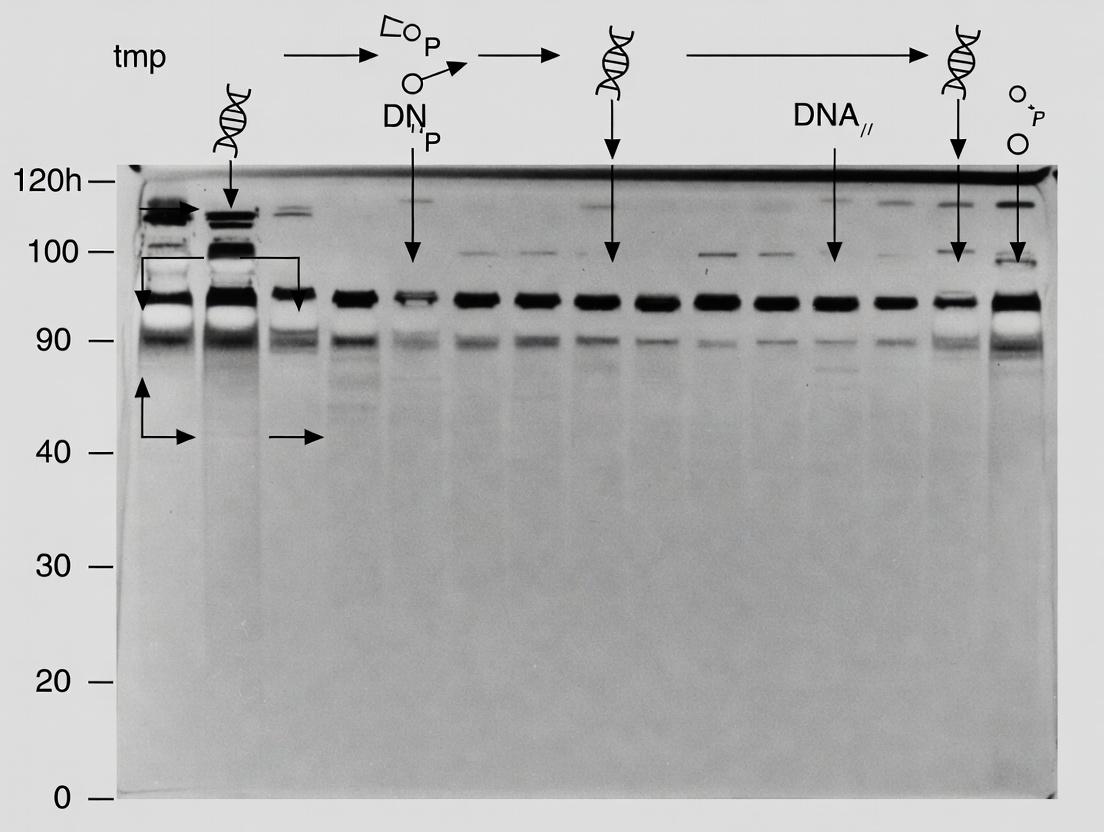
This comprehensive guide addresses the pervasive challenge of smeared or fuzzy bands in Electrophoretic Mobility Shift Assays (EMSA), a critical technique for studying nucleic acid-protein interactions in drug discovery and...
Solving EMSA Smear Problems: Expert Troubleshooting Guide for Sharp Bands in Nucleic Acid-Protein Binding Assays
Abstract
This comprehensive guide addresses the pervasive challenge of smeared or fuzzy bands in Electrophoretic Mobility Shift Assays (EMSA), a critical technique for studying nucleic acid-protein interactions in drug discovery and basic research. We systematically explore the fundamental causes of poor gel resolution, provide methodologically sound protocols to prevent issues, offer a step-by-step diagnostic and optimization framework for troubleshooting existing problems, and validate solutions by comparing EMSA with modern alternative techniques. This resource equips researchers with the knowledge to obtain publication-quality, interpretable data for robust conclusions in transcriptional regulation and therapeutic development studies.
Understanding EMSA Smears: The Root Causes of Poor Gel Resolution and Band Definition
What Do Smeared EMSA Bands Actually Mean? Interpreting Gel Artifacts.
Technical Support Center: Troubleshooting EMSA Band Artifacts
This support center addresses common issues leading to smeared bands in Electrophoretic Mobility Shift Assays (EMSAs), framed within the context of research on EMSA gel resolution problems.
FAQs & Troubleshooting Guides
Q1: What are the primary causes of smeared bands in my EMSA gel? A: Smeared bands typically indicate poor complex stability, non-optimal gel conditions, or issues with sample integrity. Key causes include:
- Protein Degradation: Protease activity in lysates or purified preparations.
- Non-Specific Binding: Insufficient non-specific competitor (e.g., poly(dI-dC)).
- Gel Running Conditions: Excessive voltage causing overheating (>10 V/cm is often problematic).
- Salt Concentration: Incorrect ionic strength in binding buffer or gel/running buffer.
- Probe Issues: Damaged or impure labeled nucleic acid probe.
Q2: How can I distinguish a true "supershift" from a smear? A: A supershift is a discrete, well-defined band with further reduced mobility. A smear is a diffuse, continuous signal. A supershift requires a specific antibody; if the pattern changes with a control antibody, it is likely a non-specific smear caused by antibody-induced complex aggregation.
Q3: My bands are consistently smeared across all lanes. What should I check first? A: This points to a systemic issue. First, verify:
- Gel Temperature: Run the gel at 4°C or with active cooling.
- Probe Integrity: Re-purify the labeled probe via PAGE or column.
- Buffer Composition: Ensure buffers are freshly prepared at correct pH and ionic strength.
Experimental Protocol: Diagnostic EMSA for Smear Resolution
Objective: To systematically identify the cause of smeared EMSA bands. Method:
- Sample Preparation:
- Set up 4 identical binding reactions with your nuclear extract/protein and labeled probe.
- Reaction 1: Standard reaction.
- Reaction 2: Add 1x protease inhibitor cocktail (not present in standard buffer).
- Reaction 3: Increase poly(dI-dC) concentration 2-fold.
- Reaction 4: Include a 100-fold molar excess of unlabeled specific competitor probe.
- Gel Electrophoresis:
- Pre-run a 6% non-denaturing polyacrylamide gel (29:1 acrylamide:bis) in 0.5x TBE for 60 minutes at 80V, 4°C.
- Load samples and run at 100V constant voltage for ~90 minutes, maintaining 4°C.
- Use a recirculating pump for buffer circulation if available.
- Analysis:
- Image the gel. Compare band sharpness across conditions. Improvement in Reaction 2 suggests protease activity. Improvement in Reaction 3 indicates non-specific binding. Disappearance in Reaction 4 confirms specific binding.
Table 1: Quantitative Effects of Experimental Parameters on EMSA Band Sharpness (Relative Resolution Index)
| Parameter | Optimal Condition | Sub-Optimal Condition | Effect on Band Appearance (Severity) |
|---|---|---|---|
| Running Voltage | 8-10 V/cm | >12 V/cm | Severe Smearing (High) |
| Gel Temperature | 4°C | 25°C (Room Temp) | Moderate to Severe Smearing (High) |
| [Mg2+] in Buffer | 0-5 mM | >10 mM | Moderate Smearing (Medium) |
| [Poly(dI-dC)] | 0.05-0.1 µg/µL | 0.01 µg/µL | Severe Smearing (High) |
| Protein Load | 2-10 µg | >20 µg | Moderate Smearing (Medium) |
| Glycerol in Sample | <5% | >10% | Slight Smearing/Loading Issue (Low) |
Table 2: Troubleshooting Matrix for Specific Smear Patterns
| Smear Pattern | Possible Cause | Recommended Fix |
|---|---|---|
| Heavy smear at well | Protein aggregation, DNA probe impurity | Filter sample, re-purify probe, reduce protein load. |
| Downward smear from complex band | Complex dissociation during electrophoresis | Optimize salt (KCl) concentration, add stabilizing agents (e.g., 0.01% NP-40). |
| Uniform smear across lane | Gel overheating, degraded probe | Run gel at 4°C, check probe integrity via gel shift. |
| Smear only in specific lanes (e.g., +Ab) | Antibody causing aggregation | Titrate antibody, use different antibody clone/buffer. |
The Scientist's Toolkit: Key Research Reagent Solutions
Table 3: Essential Materials for High-Resolution EMSA
| Reagent/Material | Function & Importance for Preventing Smears |
|---|---|
| High-Purity Acrylamide/Bis (29:1) | Forms a uniform gel matrix for precise sieving of complexes. |
| Non-Specific Competitor (Poly(dI-dC)) | Quenches non-specific protein-nucleic acid interactions. Critical concentration must be empirically determined. |
| Protease Inhibitor Cocktail (EDTA-free) | Preserves protein integrity, preventing degraded, smeary complexes. |
| [γ-32P] ATP or Chemiluminescent Labeling Kit | High-specific-activity label is crucial for clear, low-background signal. |
| Cooled Electrophoresis Unit | Maintains gel at 4°C during run to stabilize complexes and prevent heat-induced denaturation/smearing. |
| Pre-Cast Non-Denaturing Gels | Ensure consistent gel composition and sharpness; avoid batch-to-batch variability. |
| Mobility Shift Buffer (10X) | Provides consistent ionic strength (often with Mg2+, DTT, glycerol) for complex stability. |
Visualizations
Title: EMSA Band Smear Troubleshooting Decision Tree
Title: Standard High-Resolution EMSA Experimental Workflow
This technical support center provides troubleshooting guidance for common issues in Electrophoretic Mobility Shift Assays (EMSA), specifically addressing problems with band resolution and sharpness. The content is framed within a thesis on resolving EMSA gel anomalies.
Troubleshooting Guides & FAQs
Q1: What are the primary causes of smeared bands in my EMSA gel? A: Smeared bands primarily result from:
- Non-optimal binding conditions: Incorrect salt/pH buffers destabilize protein-nucleic acid complexes.
- Gel electrophoresis issues: Running the gel too fast (high voltage) generates heat, causing complex dissociation and smearing.
- Probe degradation: Partially degraded labeled nucleic acid probes produce heterogeneous complexes.
- Protein impurities or degradation: Contaminating nucleases or proteases degrade the components.
- Non-equilibrium conditions: Loading the sample before complexes have fully formed.
Q2: How can I improve the sharpness and separation of shifted bands? A: Key optimizations include:
- Titrate poly(dI:dC): Use a carrier to reduce non-specific binding. Typical range is 0.05–0.5 µg/µL.
- Optimize Mg²⁺/K⁺ concentration: Divalent cations stabilize many complexes. Test 0–10 mM MgCl₂ and 0–200 mM KCl.
- Lower electrophoresis voltage: Run gels at 4–10 V/cm (typically 80-100V for a standard mini-gel) in a cold room or with active cooling.
- Use a pre-run gel: Pre-running the gel (30-60 min) equilibrates pH and ion fronts.
- Increase gel percentage and cross-linking: For small complexes, use 6-8% gels with 29:1 or 37.5:1 acrylamide:bis ratios for finer resolution.
Q3: Why are my bands fuzzy or diffuse, even with a strong shift? A: Diffuse bands often indicate instability during electrophoresis. Ensure your running buffer (typically 0.5x TBE or TAE) is fresh and the correct pH. Use a high-quality, non-degraded acrylamide solution. Consider adding a low percentage of glycerol (2-5%) to the gel and sample for added stability.
Q4: The shifted band appears as multiple close bands. Is this specific binding? A: Multiple discrete up-shifted bands can indicate specific phenomena:
- Multiple protein complexes: Different stoichiometries (e.g., 1:1 vs. 2:1 protein:DNA).
- Protein isoforms or post-translational modifications (e.g., phosphorylation) altering mobility.
- Proteolytic cleavage of the binding protein.
- Verification: Perform a competition assay with a 50-200x molar excess of unlabeled specific and nonspecific competitors. Specific complexes will be competed away only by the specific cold probe.
Experimental Protocols
Protocol 1: Optimizing Binding Conditions for Sharp Bands
- Prepare a master mix of purified protein and labeled probe in binding buffer.
- Aliquot into separate tubes containing varied concentrations of key components (see Table 1).
- Incubate at required temperature (often RT or 4°C) for 20-30 minutes.
- Add 5-10 µL of non-denaturing loading dye (e.g., with glycerol or Ficoll, no SDS).
- Load immediately onto a pre-run, pre-chilled native polyacrylamide gel.
- Run at constant voltage (e.g., 100V) in cold room with circulating buffer for 60-90 mins.
- Visualize using appropriate method (autoradiography, phosphorimager, fluorescence).
Protocol 2: Competition EMSA to Confirm Specificity
- Set up binding reactions with constant amounts of protein and labeled probe.
- Add increasing molar excesses (e.g., 0x, 10x, 50x, 100x, 200x) of unlabeled competitor DNA.
- Specific competitor: Identical sequence to the labeled probe.
- Non-specific competitor: Unrelated sequence (e.g., mutated binding site).
- Incubate 10 minutes before adding the labeled probe to allow competitor binding.
- Add labeled probe, incubate further 20 minutes, then load and run gel.
- Specific binding is evidenced by disappearance of the shifted band only with the specific cold competitor.
Data Presentation
Table 1: Optimization Parameters for EMSA Band Sharpness
| Factor | Typical Range Tested | Optimal Starting Point | Effect on Band Sharpness |
|---|---|---|---|
| Poly(dI:dC) | 0 – 1.0 µg/µL | 0.1 µg/µL | Reduces smearing from non-specific binding. |
| MgCl₂ | 0 – 10 mM | 2.5 mM | Stabilizes specific complexes; excess can promote non-specific binding. |
| KCl | 0 – 200 mM | 50-100 mM | Modulates binding stringency; low salt may increase non-specificity. |
| Voltage | 80 – 150 V | 100 V (constant) | High voltage heats gel, causes complex dissociation and smearing. |
| Gel % | 4% – 10% | 6% (29:1 acryl:bis) | Higher % improves resolution of small complexes; lower % for large complexes. |
| Glycerol | 0% – 10% | 2.5% (in gel & sample) | Stabilizes complexes during loading and electrophoresis. |
Visualizations
Diagram 1: EMSA band smearing root cause analysis (88 characters).
Diagram 2: Optimized EMSA experimental workflow (71 characters).
The Scientist's Toolkit: Research Reagent Solutions
| Item | Function in EMSA |
|---|---|
| High-Purity Acrylamide/Bis-acrylamide (29:1 or 37.5:1) | Forms the native gel matrix. Consistent purity prevents gel polymerization artifacts and smearing. |
| Non-specific Carrier DNA (poly(dI:dC), salmon sperm DNA) | Competes for non-specific protein binding sites, reducing background and smearing. |
| Divalent Cation (MgCl₂) | Often essential for stabilizing specific protein-nucleic acid interactions. |
| High-Specific-Activity Labeled Probe | Provides a strong, clean signal. HPLC-purified probes prevent smearing from degraded fragments. |
| Protease & Phosphatase Inhibitor Cocktails | Preserves protein integrity and phosphorylation state during binding reactions. |
| Cold Competitor Oligonucleotides | Validates binding specificity in competition assays (specific vs. mutant/non-specific). |
| Native Gel Loading Buffer (Glycerol/Ficoll, no SDS) | Increases sample density for well loading without denaturing the complexes. |
| Fresh Electrophoresis Buffer (0.5x TBE) | Maintains consistent pH and ionic strength during run; old buffer can have altered pH. |
Technical Support Center: Troubleshooting EMSA Band Resolution
Troubleshooting Guide & FAQs
Q1: During EMSA, I observe high background across the entire lane, making specific complexes hard to distinguish. What probe-related issues could cause this?
A: High, uniform background is frequently caused by an impure or poorly labeled probe. Impurities like free nucleotides, degraded probe fragments, or contaminating salts can bind nonspecifically to the gel matrix and the membrane during transfer. To resolve:
- Purify your labeled probe using a native polyacrylamide gel electrophoresis (PAGE) purification method or a dedicated spin column (e.g., G-25 Sephadex) after the labeling reaction. This removes unincorporated nucleotides.
- Verify probe integrity by running a small amount on a high-percentage denaturing gel. A single, sharp band should be visible.
- Optimize your blocking and washing steps in the detection protocol.
Q2: My EMSA results show "smearing" of bands—the protein-DNA complexes appear as trails rather than sharp shifts. How are probe impurities linked to this?
A: Smearing often results from probe heterogeneity or degradation. If the probe population contains molecules of varying lengths (due to incomplete synthesis, nuclease contamination, or chemical degradation) or differing numbers of labels, the resulting protein complexes will migrate as a heterogenous population, appearing as a smear. Nuclease contamination in your protein extract can also degrade the probe during the binding reaction.
Protocol: Probe Purification by Native PAGE
- Prepare a 6-8% non-denaturing polyacrylamide gel (0.5x TBE).
- Load your completed labeling reaction into a large well.
- Run at 100-150V until the bromophenol blue dye is ~¾ down the gel.
- Carefully separate the plates and cover the gel in Saran wrap. In a darkroom, place an autoradiography film on the gel for 30-60 seconds to expose. Develop the film to locate the primary probe band (which migrates slower than free nucleotides).
- Align the film with the gel, excise the band, and elute the probe in elution buffer (0.5M ammonium acetate, 1mM EDTA, 0.1% SDS) overnight at 37°C with agitation.
- Precipitate and resuspend the probe in TE buffer.
Q3: What quantitative impact do common probe impurities have on signal quality?
A: The table below summarizes the effects of key impurities:
| Impurity Type | Source | Quantitative Impact on EMSA | Resulting Artifact |
|---|---|---|---|
| Unincorporated Nucleotides | Inefficient labeling reaction, lack of purification. | Can constitute >70% of total signal if not removed. | High background across entire lane. |
| Degraded/Truncated Probe | Nuclease contamination, poor oligo synthesis, or harsh handling. | Varies; a 10% truncated population can create visible smearing below main complex. | Smearing or secondary, faster-migrating bands. |
| Chemical Impurities (Salts, Phenol) | Poor probe synthesis cleanup or ethanol precipitation. | Increases nonspecific background; can inhibit binding. | General haze, reduced specific signal intensity. |
| Over-labeled Probe | Excessive labeling reaction time or [dye]/[probe] ratio. | Alters probe mobility; multiple dye populations cause band broadening. | Broadened or split shifted bands. |
Q4: Are there specific quality control checks for labeled probes before an EMSA?
A: Yes. Implement these QC steps:
- A260/A280 & A260/A230 Ratios: Use spectrophotometry. Pure DNA should have A260/A280 ~1.8 and A260/A230 >2.0. Low A260/A230 indicates organic contamination.
- Specific Activity Calculation: For radiolabeled probes, calculate cpm/µl. Drastically low activity suggests a failed labeling reaction.
- Analytical Gel: Run 50-100 fmol of the probe on a 10-20% denaturing PAGE gel. Visualize with appropriate method (phosphorimager, fluorescence). Look for a single, tight band.
The Scientist's Toolkit: Key Research Reagent Solutions
| Item | Function in EMSA Probe Preparation |
|---|---|
| T4 Polynucleotide Kinase (T4 PNK) | Catalyzes the transfer of a [γ-³²P] phosphate to the 5'-OH terminus of DNA/RNA oligos for radiolabeling. |
| Fluorescein- or Cyanine-dUTP | Modified nucleotides used for non-radioactive labeling via nick translation or tailing for fluorescence detection. |
| NAP-5 or G-25 Sephadex Columns | Size-exclusion spin columns for rapid removal of unincorporated labeled nucleotides post-labeling reaction. |
| 7.5M Ammonium Acetate | Salt used for efficient ethanol precipitation of oligonucleotides, helping to remove residual free nucleotides. |
| Nuclease-Free Water & Buffers | Essential for resuspending and diluting probes to prevent degradation by environmental RNases/DNases. |
| Poly(dI•dC) / Non-Specific DNA | Used as a nonspecific competitor in the binding reaction to suppress protein interactions with minor probe impurities. |
Experimental Workflow: EMSA Probe Preparation & QC
Diagram Title: EMSA Probe Prep and QC Workflow
Signaling Pathway: Impact of Probe Quality on EMSA Results
Diagram Title: How Probe Purity Affects EMSA Data & Interpretation
Technical Support Center: Troubleshooting EMSA Gel Resolution and Smeared Bands
Troubleshooting Guides
Q1: My EMSA shows a smeared, upward-shifted signal instead of a clear protein-nucleic acid complex band. What is the likely cause and how do I fix it?
A: This is a classic symptom of protein aggregation in your binding reaction. Aggregated proteins bind non-specifically to the probe, causing a high-molecular-weight smear.
- Primary Fix: Add a non-ionic detergent to your binding reaction. NP-40 at 0.01-0.1% is often effective. Increase the concentration of your non-specific competitor (e.g., poly(dI-dC)) to sequester aggregated protein.
- Sample Preparation: Ensure your protein sample (lysate or purified) is kept on ice. Avoid repeated freeze-thaw cycles. Include a reducing agent (e.g., 1 mM DTT) in your storage and binding buffers if your protein requires it.
- Protocol Adjustment: Centrifuge your protein sample at >15,000 x g for 10 minutes at 4°C immediately before adding it to the binding reaction to pellet aggregates.
Q2: The free probe lane shows a clean band, but my protein-containing lanes show a general smear or loss of signal. What does this indicate?
A: This pattern suggests nuclease contamination or protein degradation.
- For Nuclease Contamination: All buffers must be nuclease-free. Use DEPC-treated water or commercial nuclease-free water. Include an RNase inhibitor (for RNA probes) or a broad-spectrum nuclease inhibitor in your binding reaction.
- For Protein Degradation: Ensure your protein extract is prepared with fresh, appropriate protease inhibitors (see table below). Keep samples ice-cold at all times. For purified proteins, check purity and integrity by running an SDS-PAGE gel alongside your EMSA.
Q3: I see multiple unexpected bands in all lanes, including the free probe. What are these contaminants?
A: This typically points to impurities in your labeled nucleic acid probe.
- Fix: Re-purify your probe after labeling (e.g., using gel extraction or column purification). Ensure unincorporated radioactive or fluorescent nucleotides are removed. For non-radioactive probes, check the labeling kit components for contaminants by running a labeled probe-only control gel.
Q4: My complex band is faint and inconsistent, but my protein is fresh. What other factors should I check?
A: This can relate to buffer composition and sample handling.
- Critical Factors: Verify the pH of all buffers. Ensure divalent cations (like Mg2+) are present if required by your protein-DNA/RNA system. Check that your glycerol concentration (often used in binding buffers) does not exceed 5-10%, as high viscosity can cause smearing during loading.
- Electrophoresis Conditions: Run the gel at the correct voltage (usually 80-100 V constant). Running the gel too fast generates heat, causing band smearing. Pre-run the gel for 30-60 minutes to establish equilibrium temperature and ion fronts.
Frequently Asked Questions (FAQs)
Q: How can I quickly diagnose the root cause of my EMSA smearing problem? A: Run a systematic control experiment. Include these lanes on a single gel: 1) Probe only, 2) Probe + well-characterized positive control protein (if available), 3) Probe + your protein sample, 4) Your protein sample pre-incubated with a specific unlabeled competitor oligonucleotide, and 5) Your protein sample pre-incubated with a non-specific competitor. Compare the patterns to isolate the issue to probe, protein, or binding conditions.
Q: What are the best practices for storing protein samples for EMSA? A: For short-term (<1 week), store purified proteins or extracts at 4°C with appropriate stabilizers. For long-term, make small aliquots, snap-freeze in liquid nitrogen, and store at -80°C. Avoid more than 2-3 freeze-thaw cycles.
Q: Can sample contaminants affect gel resolution beyond just smearing? A: Yes. High salt concentrations in the sample can cause band broadening and irregular migration. Lipids or carbohydrates can inhibit entry into the gel, causing bands to linger in the wells. Always desalt or dialyze your protein samples into the exact binding buffer before use.
Table 1: Common EMSA Issues, Causes, and Quantitative Fix Ranges
| Symptom | Likely Cause | Diagnostic Test | Corrective Action & Typical Concentration Range |
|---|---|---|---|
| Upward smear / shift | Protein Aggregation | Centrifuge sample pre-load; check on SDS-PAGE | Add NP-40 (0.01-0.1%) or Triton X-100; Increase non-specific competitor (poly(dI-dC) 0.05-0.2 µg/µL) |
| General smear / signal loss | Protease/Nuclease | Incubate probe alone with sample; Run protein gel | Add protease inhibitors (see Table 2); Add nuclease inhibitors (1-2 U/µL); Use fresh sample |
| Multiple extra bands | Impure Probe | Run labeled probe alone on EMSA | Re-purify probe post-labeling (e.g., spin column, gel extraction) |
| Faint/No complex | Weak Binding/Buffer | Vary protein:probe ratio; Check pH | Optimize salt (KCl 0-150 mM), Mg2+ (0-10 mM), DTT (0.5-2 mM); Adjust pH (7.0-8.5) |
| Bands in wells | Sample Viscosity / DNA Contamination | Visualize loading dye migration | Reduce glycerol (<10%); Shear genomic DNA (brief sonication of extract) |
Table 2: Key Research Reagent Solutions for EMSA Sample Integrity
| Reagent / Material | Function in Preventing Sample Issues | Example Products / Typical Use |
|---|---|---|
| Protease Inhibitor Cocktails | Inhibits serine, cysteine, metallo-proteases etc., preventing protein degradation. Essential for cell lysates. | EDTA-free tablets for metal-binding proteins; PMSF (1 mM) for serine proteases. |
| Non-ionic Detergents | Disrupts hydrophobic interactions that cause protein aggregation without denaturing the protein. | NP-40 (0.01-0.1%), Triton X-100. Added directly to binding reaction. |
| Reducing Agents | Maintains cysteine residues in reduced state, preventing incorrect disulfide bond formation & aggregation. | Dithiothreitol (DTT, 0.5-2 mM) or β-Mercaptoethanol (0.1%). Add fresh. |
| Nuclease Inhibitors | Prevents degradation of DNA or RNA probes by RNase or DNase contaminants. | RNaseOUT (1 U/µL) for RNA EMSA; Broad-spectrum inhibitors for DNA probes. |
| Carrier DNA/RNA | Acts as non-specific competitor, binding contaminating or aggregated proteins to improve specificity. | Poly(dI-dC)•(dI-dC) (0.05-0.2 µg/µL) is standard for DNA probes. |
| BSA or Ficoll | Stabilizes proteins, reduces adhesion to tubes, and adds density for gel loading. | Nuclease-Free BSA (0.1-0.5 mg/mL) in binding buffer. |
Experimental Protocols
Protocol 1: Rapid Micro-Centricrifugation Assay for Detecting Aggregation
Purpose: To rapidly assess if protein aggregation is present in your sample prior to EMSA.
- Prepare your protein sample as you would for an EMSA binding reaction (in binding buffer).
- Transfer 20 µL to a low-protein-binding microcentrifuge tube.
- Centrifuge at 16,000 x g for 15 minutes at 4°C.
- Carefully pipette 18 µL of the supernatant into a new tube, avoiding the pellet.
- Compare the protein concentration of the supernatant to the original sample via Bradford or NanoDrop (using A280). A significant loss (>20%) indicates substantial aggregation.
Protocol 2: Probe Integrity Check via Denaturing PAGE
Purpose: To verify the purity and integrity of your labeled nucleic acid probe.
- After labeling and purification, prepare two aliquots of your probe.
- Mix one with standard EMSA loading dye (non-denaturing). Mix the other with formamide-containing denaturing loading dye.
- Run both on a polyacrylamide/urea gel appropriate for your probe size (e.g., 15% for short oligos).
- Visualize/autograph. The denaturing lane should show a single, tight band. Multiple bands or a smear indicates impurities or degradation, necessitating re-purification.
Diagrams
Title: EMSA Smearing Troubleshooting Decision Tree
Title: Optimized EMSA Binding Reaction Workflow
Troubleshooting Guide & FAQs
FAQ: Why are my EMSA protein-nucleic acid complexes appearing as smeared bands instead of sharp shifts?
Answer: Smeared bands in EMSA are primarily caused by non-optimal electrophoresis conditions. The three pillars—buffer composition, applied voltage, and running temperature—must be precisely controlled to maintain complex stability and achieve high resolution. Inconsistencies here lead to dissociation/association during migration, causing smears.
FAQ: How does running buffer choice specifically impact band sharpness?
Answer: The buffer's ionic strength and pH are critical. Low ionic strength can cause poor conductivity and overheating, while high ionic strength can destabilize complexes. An incorrect pH alters the charge of proteins and nucleic acids, affecting migration and binding stability.
- Problem: Smeared bands, distorted lanes.
- Solution: Use a fresh, correctly pH-balanced Tris-Glycine or Tris-Borate buffer. For optimal results, pre-chill the buffer to 4°C and use a recirculating system if running for extended periods.
FAQ: Can running voltage cause smearing even if other conditions seem correct?
Answer: Absolutely. Excessive voltage generates heat, leading to "smiling" bands and complex denaturation. Insufficient voltage causes band broadening due to diffusion.
- Problem: Heat-induced smearing across all lanes, bands curving upward.
- Solution: Do not exceed 10 V/cm of gel length. For a standard mini-gel (8 cm), run at 80-100 V constant. Use a cold room or a temperature-controlled electrophoresis unit.
FAQ: Is it necessary to run EMSA in a cold room?
Answer: While not always mandatory, temperature control is vital for reproducibility. Elevated temperature increases complex dissociation rates. For labile complexes, cooling is non-negotiable.
- Problem: Inconsistent results between runs, faint or absent shifted bands.
- Solution: Always run the gel apparatus in an ice bath or a 4°C cold room. Maintain the buffer temperature below 15°C.
Data Presentation: Effect of Electrophoresis Conditions on EMSA Resolution
Table 1: Impact of Voltage and Temperature on Band Sharpness and Complex Integrity
| Condition (Voltage, Temp) | Band Appearance | Shifted Band Intensity | Likely Cause & Recommendation |
|---|---|---|---|
| High (150 V), Room Temp | Severe smearing, curved bands | Very Low | Overheating denatures complexes. Lower voltage & cool. |
| Optimal (100 V), 4°C | Sharp, distinct bands | High | Stable complexes, minimal diffusion. Standard protocol. |
| Low (60 V), 4°C | Broad, diffuse bands | Medium | Excessive diffusion during long run. Increase voltage slightly. |
| Optimal (100 V), Room Temp | Moderate smearing | Low | Complex dissociation during run. Implement cooling. |
Table 2: Troubleshooting Common EMSA Artifacts Related to Conditions
| Problem | Possible Cause Related to Conditions | Diagnostic Test | Solution |
|---|---|---|---|
| Smeared bands | Buffer too warm; Voltage too high; Old/low ionic strength buffer | Run gel with ice bath; measure buffer temp. | Use pre-chilled buffer, lower voltage, fresh buffer. |
| No shifted band | Complex dissociated due to heat or wrong buffer pH. | Include a positive control known to work. | Ensure 4°C run; verify buffer pH (7.5-8.3). |
| Bands curve up ("smile") | Uneven heat distribution across gel. | Check buffer level and contact. | Run at lower voltage; ensure buffer circulation. |
| Poor well resolution | Buffer ionic strength too high or low. | Check buffer conductivity/pH. | Prepare fresh buffer at correct concentration. |
Experimental Protocols
Protocol 1: Standard EMSA for Optimal Resolution Title: Native Polyacrylamide Gel Electrophoresis for Protein-Nucleic Acid Complexes. Method:
- Gel Preparation: Prepare a 6% non-denaturing polyacrylamide gel (29:1 acrylamide:bis) in 0.5X TBE buffer. Polymerize for 45-60 minutes.
- Pre-electrophoresis: Pre-run the gel in 0.5X TBE at 100 V for 60 minutes in a cold room (4°C) with buffer recirculation. This equilibrates temperature and pH.
- Sample Loading: Mix binding reaction (protein, labeled probe, poly dI-dC, binding buffer). Incubate at room temp for 20 min. Add 1/10 volume of loading dye (glycerol-based, no SDS).
- Electrophoresis: Load samples. Run at 100 V constant voltage for 90-120 minutes, maintaining buffer temperature below 15°C.
- Detection: Transfer gel to blotting paper, dry, and expose to a phosphorimager screen.
Protocol 2: Diagnostic Test for Heat-Induced Smearing Title: Voltage Gradient Test for EMSA Optimization. Method:
- Prepare identical binding reactions with your protein and probe.
- Prepare one large native gel.
- Load replicates of the same reaction across multiple lanes.
- Run the gel with a voltage gradient: e.g., lanes 1-3 at 60V, lanes 4-6 at 100V, lanes 7-9 at 150V. Maintain all other conditions (buffer, 4°C) constant.
- Visualize. The lane with sharpest bands indicates the optimal voltage for your specific complex.
Visualizations
The Scientist's Toolkit: Research Reagent Solutions
Table 3: Essential Materials for High-Resolution EMSA
| Item | Function & Importance for Resolution |
|---|---|
| Non-denaturing Polyacrylamide Gel (4-10%) | Matrix for size separation. Lower % for larger complexes. Must be native (no SDS). |
| Tris-Borate-EDTA (TBE) or Tris-Glycine Buffer | Running buffer. Provides consistent ionic strength and pH for stable migration. |
| High-Purity Bovine Serum Albumin (BSA) or Carrier DNA | Reduces non-specific protein binding to gel/tube, decreasing background smearing. |
| Cooled Electrophoresis Unit or Cold Room | Critical. Maintains 4-15°C to prevent complex dissociation and gel overheating. |
| Buffer Recirculation Pump | Prevents pH gradient formation in anode/cathode chambers, which can distort bands. |
| Glycerol-based Loading Dye (no SDS/EDTA) | Increases sample density for well loading without denaturing complexes. |
| Radioactive or Chemiluminescent Nucleic Acid Probe | High-sensitivity detection required for visualizing low-abundance complexes. |
| Phosphorimager Screen & Scanner | For quantitative analysis of band intensity and sharpness from labeled probes. |
This technical support center addresses critical troubleshooting aspects of polyacrylamide gel electrophoresis (PAGE) in the context of Electrophoretic Mobility Shift Assay (EMSA) experiments for studying protein-nucleic acid interactions. Within the broader thesis research on resolving EMSA smeared band problems, precise control over gel composition, cross-linking, and resulting porosity is paramount for achieving sharp, interpretable results in drug development and molecular biology research.
Troubleshooting Guides & FAQs
Section 1: Gel Composition & Polymerization Issues
Q1: My polymerized gel is too soft or fails to set properly. What could be the cause? A: This typically indicates an issue with the polymerization reaction. Common causes include:
- Inhibited Polymerization: Acrylamide/bis-acrylamide solutions or ammonium persulfate (APS) may be old or degraded. APS should be prepared fresh weekly.
- Oxygen Inhibition: Oxygen is a radical scavenger. Ensure thorough deaeration of the gel solution before adding TEMED, or increase TEMED concentration slightly.
- Incorrect Ratios: The acrylamide:bis-acrylamide ratio dictates cross-link density. Verify your calculations.
Q2: How does the %C (cross-linker concentration) affect my EMSA results? A: %C = (mass of bis-acrylamide / total mass of acrylamide+bis) × 100. It critically determines pore size.
- Low %C (e.g., 2-3%): Creates larger pores, better for resolving large protein-DNA complexes but gels are mechanically fragile.
- High %C (e.g., 5%): Creates smaller, more uniform pores, providing a tighter matrix for sharper bands of smaller complexes. However, too high %C can lead to sieving effects and distorted migration.
Q3: I get inconsistent pore sizes between gel casts. How can I standardize this? A: Inconsistency often stems from variable polymerization conditions.
- Temperature: Polymerize gels at a consistent temperature (e.g., room temp, 22-25°C). Exothermic heat can vary.
- Time: Allow complete polymerization (typically 30-60 min) before use.
- Protocol: Follow a standardized deaeration and mixing protocol for every cast.
Section 2: Porosity & EMSA Resolution Problems
Q4: My EMSA bands are smeared. How can adjusting gel porosity help? A: Smeared bands in EMSA often indicate heterogeneous complex migration due to suboptimal gel porosity.
- Large Complexes/Smearing: Use a lower % acrylamide (e.g., 4-6%) to increase pore size.
- Diffuse Broad Smearing: The pore size distribution may be too broad. Increase the %C slightly (e.g., to 3.3% from 2.6%) to create a more uniform, tighter matrix.
- Optimization Required: Systematically test acrylamide % and %C ratios.
Q5: What gel composition is recommended for a typical DNA probe of 20-30 bp? A: For small probes and complexes, a higher % gel with moderate cross-linking provides best resolution.
- Common Starting Point: 6-8% acrylamide, with a %C of 3.3% (29:1 acrylamide:bis ratio).
- For Very Sharp Bands: Consider a 10% gel, 2.6% C (37.5:1 ratio) for a more sieving, tighter matrix.
Section 3: Casting & Running Artifacts
Q6: I see vertical streaks or waves in my gel post-run. What does this signify? A: This is often a casting artifact related to cross-linking.
- Cause: Incomplete or uneven mixing of TEMED/APS leads to zones of different polymerization density and thus different porosity, which refracts light differently.
- Solution: Mix the catalyst and initiator swiftly and thoroughly, and pour the gel immediately without introducing bubbles.
Q7: The migration front is curved, causing band distortion. Is this related to gel composition? A: Indirectly. A curved front ("smile effect") is often due to uneven heat dissipation during running. However, a gel with inconsistent porosity due to poor casting will exacerbate the problem. Ensure your gel apparatus is level and you are using an appropriate, consistent buffer system.
Data Presentation: Gel Composition Optimization for EMSA
Table 1: Impact of Acrylamide % and Cross-link Ratio on EMSA Band Resolution
| Acrylamide (%) | Acrylamide:Bis Ratio | %C (Cross-linker) | Effective Pore Size | Recommended Use Case for EMSA | Expected Band Appearance |
|---|---|---|---|---|---|
| 4% | 19:1 | 5.0% | Very Large | Very large nucleoprotein complexes, aggregates. | Risk of diffuse bands for small complexes. |
| 6% | 37.5:1 | 2.6% | Large | Standard for many DNA probes (20-50 bp). Good sharpness. | Sharp, well-resolved bands. |
| 6% | 29:1 | 3.3% | Medium | Standard, offers good mechanical stability. | Very sharp bands. |
| 8% | 37.5:1 | 2.6% | Small | Small complexes, for high resolution of closely migrating species. | Very sharp, may slow migration. |
| 10% | 29:1 | 3.3% | Very Small | Very small probes/complexes; can improve resolution of minor shifts. | Sharp but may cause band broadening if pores are too restrictive. |
Table 2: Troubleshooting Smeared EMSA Bands: Gel-Based Causes & Solutions
| Problem Symptom | Potential Gel-Related Cause | Recommended Solution | Alternative Check |
|---|---|---|---|
| Broad, diffuse smearing across lanes. | Gel porosity too high or heterogeneous (low/uneven %C). | Increase %C to 3.3-5%. Ensure fresh APS/TEMED and consistent polymerization. | Running buffer ion strength too low. |
| Smeared trailing from well. | Gel % too high for complex size (pores too small). | Decrease acrylamide % (e.g., from 8% to 6%). | Wells overloaded with protein or probe. |
| Bands sharp but overall resolution poor. | Poor pore size uniformity. | Use a higher purity acrylamide/bis source. Deaerate gel solution before polymerization. | Electrophoresis temperature too high. |
Experimental Protocols
Protocol 1: Standard Non-Denaturing Polyacrylamide Gel Casting for EMSA
Objective: To prepare a 6% polyacrylamide gel (29:1 acrylamide:bis, 3.3% C) for optimal resolution of protein-DNA complexes.
Reagents:
- 30% Acrylamide/Bis Solution (29:1)
- 10X TBE or TAE Buffer (as per experimental design)
- 10% Ammonium Persulfate (APS), freshly made or stored at 4°C for <1 week
- Tetramethylethylenediamine (TEMED)
- Nuclease-free water (for EMSA)
- Butanol or isopropanol (for overlay)
Methodology:
- Assemble glass plates and spacers (0.5-1.5 mm) securely.
- In a clean flask, mix:
- 4.0 ml 30% Acrylamide/Bis (29:1)
- 2.0 ml 10X TBE Buffer
- 13.9 ml Nuclease-free water
- Total Volume: ~20 ml for a standard mini-gel.
- Deaerate the solution for 5-10 minutes under a vacuum to remove dissolved oxygen, which inhibits polymerization.
- Add 120 µl of 10% APS and 12 µl of TEMED. Swirl gently to mix thoroughly but without introducing bubbles.
- Immediately pipette the solution between the glass plates. Leave ~1 cm space for the comb.
- Carefully overlay with butanol or isopropanol to create a flat, even interface and exclude oxygen.
- Allow polymerization to proceed for 45-60 minutes at room temperature.
- Once set, remove the overlay, rinse the top of the gel with water, insert the comb, and let it sit for another 15-30 minutes for the stacking portion to fully polymerize.
- The gel is ready for pre-running or sample loading.
Protocol 2: Systematic Screen for Optimal Gel Porosity
Objective: To empirically determine the best acrylamide % and %C for a new protein-DNA interaction.
Methodology:
- Prepare 4 different gel solutions in parallel:
- Gel A: 6% Acrylamide, 2.6% C (37.5:1 ratio)
- Gel B: 6% Acrylamide, 3.3% C (29:1 ratio)
- Gel C: 8% Acrylamide, 2.6% C (37.5:1 ratio)
- Gel D: 8% Acrylamide, 3.3% C (29:1 ratio)
- Cast gels using Protocol 1, ensuring identical polymerization conditions (time, temp).
- Run identical EMSA binding reactions on all four gels simultaneously in the same tank to control electrical conditions.
- Compare band sharpness, complex mobility, and background. The gel yielding the sharpest, most discrete bands with minimal smearing indicates the optimal porosity for that specific complex.
Visualizations
Troubleshooting Smeared EMSA Bands: A Gel-Based Decision Guide
Polyacrylamide Gel Polymerization & Porosity Formation Pathway
The Scientist's Toolkit: Research Reagent Solutions
Table 3: Essential Materials for High-Resolution EMSA Gel Casting
| Item | Function & Importance | Technical Specification Notes |
|---|---|---|
| Acrylamide, Ultra Pure | The monomer that forms the polymer backbone. Purity is critical to avoid charged contaminants that cause uneven polymerization and background. | Use >99.9% electrophoresis grade. Store at 4°C, protected from light and moisture. |
| N,N'-Methylenebisacrylamide (Bis) | The cross-linking agent. The ratio of acrylamide to bis (%C) defines the pore size and mechanical properties of the gel. | High purity is essential. Store similar to acrylamide. Pre-mixed stock solutions (e.g., 30% 29:1) enhance consistency. |
| Ammonium Persulfate (APS) | The initiator; generates free radicals to begin polymerization. Solution stability is low. | Prepare a 10% (w/v) solution in water. Aliquot and store at -20°C for long-term use, or at 4°C for <1 week. Freshness is key. |
| TEMED (Tetramethylethylenediamine) | The catalyst; accelerates the rate of radical formation from APS. Highly hygroscopic and volatile. | Use molecular biology grade. Store tightly sealed at 4°C, in the dark. Add just before casting. |
| 10X TBE or TAE Buffer | Provides the conducting ions and buffering capacity during electrophoresis. Concentration affects migration and resolution. | For EMSA, 0.5X TBE is often standard. Prefer TBE over TAE for sharper bands due to its higher buffering capacity. |
| Gel Casting System | Spacers and plates that define gel thickness and uniformity. | Ensure plates are meticulously clean and free of residues. Use spacers of consistent, even thickness (e.g., 1.0 mm). |
| Vacuum Desiccator / Pump | For deaeration of the gel solution prior to adding catalysts. Removes oxygen, a potent inhibitor of polymerization. | Essential for reproducible, uniform pore structure, especially in lower percentage gels. |
| Butanol (Water-Saturated) | Used to overlay the gel solution during polymerization to create a flat, even top and exclude atmospheric oxygen. | Isopropanol is a common, effective alternative. |
Proactive Protocol Design: Methodological Best Practices to Prevent Smearing from the Start
FAQs and Troubleshooting Guide for EMSA Probe Preparation
Q1: My EMSA gels show smeared bands or high background. Could my oligonucleotide probe purity be the issue? A: Yes, this is a common root cause. Short, single-stranded failure sequences from crude oligonucleotide synthesis (n-1, n-2mers) can bind nonspecifically to your protein or the gel, causing smearing, high background, and reduced band sharpness. Purification is essential for clean EMSA results.
Q2: How do I choose between HPLC and PAGE purification for my EMSA probe? A: The choice depends on probe length, modification, and required purity. See the comparison table below.
Table 1: HPLC vs. PAGE Purification for EMSA Probes
| Feature | HPLC Purification | PAGE Purification |
|---|---|---|
| Optimal Length | Best for short to medium probes (<60 bases). | Excellent for all lengths, especially long probes (>60 bases). |
| Modifications | Ideal for dyes, biotin, heavy modifications (e.g., 5' Fluorescein). | Can be harsh for some sensitive dyes; better for unlabeled or simple modifications. |
| Purity | Very high (>95%); separates by chemical property (hydrophobicity). | Extremely high (>99%); separates by size (length). Best for removing n-mers. |
| Scale | High yield; suitable for large-scale preparation. | Typically lower yield; ideal for analytical or small-scale prep. |
| Key EMSA Benefit | Efficient removal of truncations and failure sequences. | Superior removal of failure sequences; gold standard for critical applications. |
| Throughput & Cost | Faster, more automatable, generally more costly. | More labor-intensive, time-consuming, often less costly per purification. |
Q3: My HPLC-purified probe still gives a faint smear. What should I troubleshoot? A:
- Check the HPLC Method: Was reverse-phase (RP-HPLC) or ion-exchange (IE-HPLC) used? For unlabeled DNA, IE-HPLC is superior for separating n-mers. RP-HPLC is best for dye-labeled probes. Confirm the purity analysis (e.g., capillary electrophoresis) from your vendor.
- Probe Annealing: Ensure proper annealing of complementary strands. Slow cooling from 95°C to room temperature is crucial. Use a thermocycler with a ramp rate of ~1°C per minute.
- Gel Running Conditions: Ensure the EMSA gel is pre-run and run in the cold (4°C) to prevent overheating, which can cause complex dissociation and smearing.
Q4: After PAGE purification, my double-stranded probe recovery is very low. How can I improve it? A: Low recovery is common. Optimize the "crush and soak" elution:
- Crush Finely: Fragment the gel slice as finely as possible in a microtube.
- Elution Buffer: Use 0.5M ammonium acetate, 1mM EDTA (pH 8.0) for passive elution. Soak overnight at 37°C with gentle agitation.
- Precipitate Efficiently: Add glycogen as a carrier (20 µg) before ethanol precipitation to maximize recovery of nanomole quantities.
Q5: For a critical EMSA experiment with a 25-base pair probe, which purification method is scientifically most rigorous? A: For ultimate confidence in eliminating smeared bands due to probe impurity, PAGE purification is the gold standard, especially for unmodified or 5'/3'-end-labeled probes. It provides the highest resolution for removing single-base failure sequences. If the probe carries a hydrophobic dye (e.g., Cy5), HPLC purification (RP-HPLC) is the practical and effective choice.
Detailed Experimental Protocols
Protocol 1: Annealing HPLC or PAGE-Purified Oligonucleotides for EMSA Probe
- Resuspend: Dissolve each single-stranded oligonucleotide in nuclease-free TE buffer or water to a stock concentration of 100 µM.
- Mix: Combine equimolar amounts of complementary strands in a thin-walled PCR tube. Typical annealing reaction: 10 µL of 100 µM Oligo A + 10 µL of 100 µM Oligo B + 70 µL of 1X Annealing Buffer (10 mM Tris, pH 7.5-8.0, 50 mM NaCl, 1 mM EDTA).
- Anneal: Place the tube in a thermal cycler or heat block. Incubate at 95°C for 5 minutes, then ramp slowly down to 25°C at a rate of 1°C per minute.
- Store: The resulting 20 µM double-stranded probe stock is stable at -20°C for months. Dilute to working concentration as needed.
Protocol 2: Native Polyacrylamide Gel Electrophoresis (PAGE) Probe Purification (In-Lab)
- Prepare Gel: Cast a denaturing (7-8M urea) or native polyacrylamide gel (10-20%, depending on probe length) in TBE buffer.
- Pre-run & Load: Pre-run the gel at constant power to warm it. Load the crude oligonucleotide synthesis product mixed 1:1 with formamide-based loading dye (for denaturing) or native glycerol dye.
- Electrophorese: Run at sufficient voltage to resolve the full-length product (slowest migrating band) from failure sequences.
- Visualize & Excise: Use UV shadowing (254 nm on a TLC plate) or brief SYBR Gold staining to locate the major band. Quickly excise it with a clean razor blade.
- Elute: Crush the gel slice and elute the oligonucleotide in 0.5M ammonium acetate/1mM EDTA overnight at 37°C.
- Filter & Precipitate: Filter the supernatant, add glycogen carrier, and precipitate with 3 volumes of cold ethanol. Wash with 70% ethanol, dry, and resuspend in TE buffer.
Diagrams
Title: EMSA Smear Troubleshooting Decision Tree
Title: Oligo Purification Paths for EMSA Probe Preparation
The Scientist's Toolkit: Research Reagent Solutions
Table 2: Essential Materials for High-Quality EMSA Probe Preparation
| Item | Function & Rationale |
|---|---|
| Nuclease-Free Water/TE Buffer | Resuspension of oligonucleotides to prevent degradation. |
| HPLC-Grade or PAGE-Purified Oligonucleotides | Starting material with minimal failure sequences to reduce EMSA background. |
| Annealing Buffer (10 mM Tris, 50 mM NaCl, 1 mM EDTA) | Provides ionic strength and pH stability for proper DNA duplex formation. |
| Thermal Cycler with Ramp Function | Enables precise, slow cooling (~1°C/min) for optimal probe annealing. |
| Glycogen (Molecular Biology Grade) | Acts as an inert carrier during ethanol precipitation to maximize recovery of low-concentration PAGE-purified probes. |
| 0.5M Ammonium Acetate / 1mM EDTA | High-salt, low-EDTA elution buffer for efficient passive diffusion of DNA from crushed polyacrylamide gel slices. |
| Cold Absolute Ethanol (95-100%) | For precipitating and desalting oligonucleotides after elution or storage. |
| Native Gel Loading Dye (Glycerol, Xylene Cyanol) | For loading samples onto preparatory native PAGE gels without denaturants. |
Poorly prepared protein samples are a leading cause of problematic EMSA (Electrophoretic Mobility Shift Assay) results, including smeared bands, poor resolution, and high background. This technical support center addresses common pitfalls in preparing clean recombinant proteins and nuclear extracts, providing targeted troubleshooting to support your research on EMSA gel resolution.
FAQs & Troubleshooting Guides
Q1: My recombinant protein for EMSA produces smeared bands or multiple shifted species. What are the likely causes? A: This often indicates protein heterogeneity or contamination.
- Causes: Incomplete protease cleavage of affinity tags; protein degradation due to protease activity; protein aggregation; co-purification of host nucleic acids (DNA/RNA) which can compete for binding.
- Solutions: Use precise, optimized protease:protein ratios and confirm complete cleavage via SDS-PAGE. Include fresh, optimized protease inhibitor cocktails. Add Benzonase during lysis/purification to degrade nucleic acids. Perform a heparin or anion-exchange wash step to remove nucleic acid contaminants.
Q2: My nuclear extract results in non-specific shifting or high background in EMSA. How can I improve specificity? A: Non-specific shifts are frequently due to contaminating proteins and non-target nucleic acids.
- Causes: Cytosolic contamination in the nuclear extract; high concentration of non-specific DNA-binding proteins; residual salts or detergents affecting binding.
- Solutions: Verify nuclear integrity after isolation (microscopy, marker analysis). Include non-specific competitor DNA (e.g., poly(dI·dC)) in the binding reaction. Optimize the amount of competitor and the ionic strength of the binding buffer. Perform a quick dialysis or buffer exchange post-extraction to normalize salt conditions.
Q3: How can I assess the quality and purity of my protein samples before EMSA? A: Employ a multi-pronged analytical approach.
- Methods: Run analytical size-exclusion chromatography (SEC) to check for aggregation or oligomeric state. Use a native gel to assess charge homogeneity. Perform a spectroscopic scan (A260/A280) to check for nucleic acid contamination (a ratio >0.8 suggests contamination). Always run a Coomassie-stained SDS-PAGE gel alongside your EMSA to correlate purity with function.
Q4: What are the critical storage conditions to maintain protein integrity for EMSA? A: Improper storage leads to degradation and aggregation.
- Guidelines: For short-term use (days), store at 4°C with stabilizing agents (e.g., glycerol, BSA). For long-term storage, flash-freeze in small single-use aliquots in liquid nitrogen and store at -80°C. Avoid repeated freeze-thaw cycles. Use buffers with appropriate pH, salt, and reducing agents (e.g., DTT) as needed.
Key Experimental Protocols
Protocol 1: Recombinant Protein Purification with Benzonase Treatment for EMSA
Goal: Obtain a highly pure, monodisperse protein free of nucleic acids.
- Lysis: Lyse E. coli or insect cells in binding buffer (e.g., 20 mM Tris pH 8.0, 300 mM NaCl, 5 mM Imidazole, 10% Glycerol) supplemented with 1 mM PMSF and 1-2 U/mL Benzonase.
- Clarification: Centrifuge at 20,000 x g for 30 min at 4°C.
- Immobilized Metal Affinity Chromatography (IMAC): Pass clarified lysate over a Ni-NTA column. Wash with 10 column volumes (CV) of binding buffer, then 5 CV of wash buffer (e.g., 20 mM Tris pH 8.0, 1 M NaCl, 20 mM Imidazole) to remove weakly bound contaminants.
- Elution: Elute with elution buffer (e.g., 20 mM Tris pH 8.0, 300 mM NaCl, 250 mM Imidazole).
- Tag Cleavage & Buffer Exchange: Dialyze eluate against low-imidazole or no-imidazole buffer in the presence of TEV or PreScission protease (1:50 w/w) overnight at 4°C.
- Reverse-IMAC & Final Purification: Pass digest over fresh Ni-NTA to capture the cleaved tag and uncut protein. Collect the flow-through containing the pure protein. Further purify by size-exclusion chromatography (SEC) in EMSA-compatible storage buffer.
Protocol 2: High-Quality Nuclear Extract Preparation from Cultured Mammalian Cells
Goal: Prepare an extract enriched for nuclear proteins with minimal cytosolic contamination.
- Harvest & Swell: Pellet ~10^7 cells. Wash in PBS. Resuspend in 5x pellet volume of Hypotonic Buffer (10 mM HEPES pH 7.9, 1.5 mM MgCl2, 10 mM KCl, 0.5 mM DTT, protease inhibitors). Incubate on ice for 15 min.
- Lysis: Add 0.5% NP-40 (or Igepal CA-630). Vortex vigorously for 10 sec. Immediately centrifuge at 1,000 x g for 10 min at 4°C.
- Nuclear Wash: Carefully discard the supernatant (cytoplasmic fraction). Resuspend the nuclear pellet in 1 mL of Hypotonic Buffer with 0.5% NP-40, vortex, and centrifuge again. Discard supernatant.
- Extraction: Resuspend the clean nuclear pellet in 1-2 pellet volumes of High-Salt Extraction Buffer (20 mM HEPES pH 7.9, 1.5 mM MgCl2, 420 mM NaCl, 0.2 mM EDTA, 25% Glycerol, 0.5 mM DTT, protease inhibitors). Rotate vigorously at 4°C for 30-60 min.
- Clarification: Centrifuge at 20,000 x g for 30 min at 4°C. Collect the supernatant (nuclear extract).
- Dialysis & Storage: Dialyze against Dialysis/Storage Buffer (20 mM HEPES pH 7.9, 100 mM KCl, 0.2 mM EDTA, 20% Glycerol, 0.5 mM DTT) for 2-4 hours. Aliquot, snap-freeze, and store at -80°C. Determine protein concentration (Bradford assay).
Table 1: Impact of Protein Preparation Parameters on EMSA Results
| Parameter | Optimal Condition/Value | Problematic Condition | Observed EMSA Artifact |
|---|---|---|---|
| Recombinant Protein Purity | >95% (SDS-PAGE) | <80% | Smeared shifts, multiple bands |
| Nucleic Acid Contamination (A260/A280) | < 0.8 | > 1.0 | High background, non-specific competition |
| Nuclear Extract Cytosolic Contamination | LDH Activity < 5% of total | LDH Activity > 15% of total | Non-specific protein-DNA complexes |
| Storage Buffer Glycerol | 10-20% | 0% or >40% | Loss of activity; increased viscosity |
| Freeze-Thaw Cycles | 0-2 cycles | >5 cycles | Reduced binding affinity, aggregation smears |
Table 2: Troubleshooting Smeared Bands in EMSA: Sample Preparation Focus
| Problem | Possible Sample Prep Cause | Diagnostic Test | Corrective Action |
|---|---|---|---|
| Single, Diffuse Probe Band | Degraded labeled probe | Run probe alone on gel | Re-purify oligonucleotide; check labeling protocol |
| Smeared Protein-DNA Complex | Protein aggregation or degradation | SEC-MALS; SDS-PAGE | Optimize purification buffer; use fresh protease inhibitors |
| High Background Across Lane | Nucleic acids in protein sample | A260/A280 spectrophotometry | Treat with Benzonase; add heparin to binding reaction |
| Multiple Discrete Shifted Bands | Incomplete tag cleavage; proteolysis | SDS-PAGE & Western blot | Optimize protease digestion; use different protease inhibitors |
The Scientist's Toolkit: Research Reagent Solutions
| Item | Function in Clean Protein Prep for EMSA |
|---|---|
| Benzonase Nuclease | Degrades all forms of DNA and RNA, removing nucleic acid contaminants from protein preps. |
| Protease Inhibitor Cocktail (EDTA-free) | Prevents proteolytic degradation of target protein during extraction/purification. EDTA-free is compatible with metal-affinity chromatography. |
| Poly(dI·dC) | A synthetic, non-specific DNA competitor used in EMSA binding reactions to suppress non-specific protein-DNA interactions. |
| Size-Exclusion Chromatography (SEC) Columns | Separates proteins by size, removing aggregates and buffer-exchanging into final storage buffer. |
| DTT or β-Mercaptoethanol | Reducing agents that maintain cysteine residues in a reduced state, preventing improper disulfide bonding and aggregation. |
| High-Glycerol Storage Buffer | Stabilizes protein structure, prevents ice crystal formation, and maintains activity during freezing at -80°C. |
Diagrams
Diagram 1: EMSA Troubleshooting Logic for Smeared Bands
Diagram 2: Recombinant Protein Workflow for EMSA
Diagram 3: Nuclear Extract Preparation Workflow
Troubleshooting Guides & FAQs
Incubation Time & Temperature
Q1: Our EMSA bands appear smeared or diffuse. Could incubation time be a factor? A: Yes. Insufficient incubation time prevents equilibrium binding, while excessive time can lead to protein degradation or complex dissociation during electrophoresis. For a typical 20 µL reaction with 1-10 nM DNA probe and recombinant protein, a 20-30 minute incubation at room temperature (20-25°C) is standard. For labile proteins or complexes, try 15 minutes on ice. Always include a time-course experiment (5, 15, 30, 60 min) to optimize.
Q2: What is the optimal incubation temperature to prevent smearing? A: The optimal temperature balances binding specificity with complex stability. Non-specific interactions often increase at higher temperatures, causing smearing. Start with room temperature (20-25°C). If smearing persists, incubate on ice (0-4°C) to favor specific, high-affinity interactions. For thermostable proteins, a brief incubation at 30-37°C may improve kinetics. See Table 1 for a summary.
Table 1: Optimization of Incubation Conditions
| Condition | Typical Range | Effect on Band Resolution | Recommended Starting Point |
|---|---|---|---|
| Incubation Time | 5 - 60 minutes | Too short: incomplete binding. Too long: degradation or dissociation. | 20-30 minutes |
| Temperature | 0°C (ice) to 37°C | Lower temp (0-4°C): enhances specificity, reduces smearing. Higher temp: may increase smearing from non-specific binding. | Room Temperature (20-25°C) |
| Polymer Carrier | 0-100 µg/mL BSA | Reduces non-specific adhesion; excessive amounts can interfere. | 50 µg/mL BSA or 0.1 µg/µL tRNA |
Reaction Components
Q3: How do reaction components like salts, carriers, or competitors affect band sharpness? A: Each component critically influences complex integrity and electrophoretic mobility.
- Salt Concentration (KCl, NaCl): High ionic strength (>150 mM) can disrupt weak specific interactions but also reduce non-specific binding. Low ionic strength (<50 mM) may promote non-specific protein-DNA adhesion. Optimize between 50-100 mM KCl.
- Non-specific Carriers (BSA, tRNA, nonspecific DNA): Essential. They bind to reactive sites on tubes and proteins, preventing probe loss and reducing smearing from sticky proteins. Use 50 µg/mL BSA or 0.1 µg/µL poly(dI-dC) for nuclear extracts.
- Competitor DNA: Unlabeled specific competitor should abolish the shifted band; nonspecific competitor (e.g., poly(dI-dC)) should not. If nonspecific competitor eliminates your band, your complex is non-specific.
Q4: The shifted band is very faint. Which component should I check first? A: Follow this diagnostic protocol:
- Verify Probe Integrity: Run labeled probe alone on the gel. Smearing or multiple bands indicates probe degradation.
- Titrate Protein: Perform a protein titration (e.g., 0, 0.5, 1, 2, 4 µg) with fixed probe amount.
- Check Polyacrylamide Gel: Ensure the gel is freshly poured and pre-run for 30-60 min in 0.5x TBE to establish even ion fronts.
- Confirm Buffer pH: Use a fresh, pH-verified binding buffer (typically pH 7.5-8.0).
Detailed Experimental Protocols
Protocol 1: Optimizing Incubation Time & Temperature
Objective: To determine the incubation conditions that yield the sharpest, most intense shifted band with minimal smearing.
- Prepare a master binding reaction mix (excluding protein and probe) for n+1 reactions, containing binding buffer, salt, carrier, and competitor DNA.
- Aliquot equal volumes into n tubes.
- Add a constant amount of purified protein to each tube.
- Add labeled probe to each tube, initiating the reaction.
- Incubate each tube under a different condition (e.g., on ice for 5, 15, 30 min; at room temp for 5, 15, 30 min; at 30°C for 15 min).
- Immediately load all samples onto a pre-run, chilled 6% non-denaturing polyacrylamide gel.
- Run gel at 100V (constant voltage) in 0.5x TBE at 4°C.
- Analyze for band sharpness and intensity.
Protocol 2: Systematic Titration of Critical Components
Objective: To identify the optimal concentration of Mg²⁺, salt, and carrier to resolve a smeared complex.
- Design a matrix where one component is varied per set of reactions.
- Set A: Vary MgCl₂ (0, 0.5, 1, 2, 5 mM).
- Set B: Vary KCl (0, 50, 100, 150, 200 mM) with optimal Mg²⁺.
- Set C: Vary non-specific carrier (0, 0.5, 1, 2 µg/µL poly(dI-dC)) with optimal Mg²⁺ and KCl.
- Keep all other components (probe, protein, buffer pH, incubation time/temp) constant.
- Run gels simultaneously under identical conditions.
- Compare band morphology. The condition with the sharpest, most retarded band is optimal.
Visualizations
Title: EMSA Binding Reaction Optimization Decision Tree
Title: EMSA Optimization Experimental Workflow
The Scientist's Toolkit: Research Reagent Solutions
| Reagent/Material | Function in Binding Reaction | Typical Concentration Range |
|---|---|---|
| Non-specific Carrier DNA | Competes for non-specific protein-DNA interactions, reducing smearing and probe trapping. Crucial for nuclear extracts. | 0.05 - 0.2 µg/µL poly(dI-dC) |
| BSA (Nuclease-Free) | Stabilizes proteins, blocks non-specific binding to tube walls, and standardizes protein concentrations. | 50 - 100 µg/mL |
| DTT or β-Mercaptoethanol | Maintains reducing environment, prevents oxidation of cysteine residues in DNA-binding proteins. | 0.5 - 1 mM DTT |
| MgCl₂ / Divalent Cations | Often required for the structural integrity of specific protein-DNA complexes. Can affect complex mobility. | 0 - 5 mM (optimize) |
| Neutralizing Buffers | Maintains stable pH. Tris or HEPES at pH 7.5-8.0 is common. | 10 - 20 mM |
| Inert Salts (KCl, NaCl) | Modulates ionic strength, influencing binding kinetics and specificity. High salt can disrupt weak complexes. | 50 - 150 mM (optimize) |
| Glycerol | Stabilizes proteins and increases density for easier gel loading. | 2-5% (v/v) |
| Non-ionic Detergent | Reduces aggregation (e.g., NP-40, Tween-20). Use at low concentrations. | 0.01 - 0.1% |
Troubleshooting Guides & FAQs
Q1: My protein-DNA complexes appear as smeared bands instead of sharp shifts. How do I fix this?
A: Smearing is a primary symptom of poor resolution, central to our thesis on EMSA artifacts. The most common culprits are incorrect gel composition and electrophoresis conditions.
- Solution 1: Optimize Acrylamide:Bis ratio. A higher crosslinking percentage (Bis) creates a tighter mesh. For DNA-protein complexes, a 29:1 or 37.5:1 (Acrylamide:Bis) ratio is often too loose. Switch to a 60:1 or 80:1 ratio for sharper resolution of most complexes.
- Solution 2: Adjust glycerol concentration. Glycerol (5-10%) in the gel and sample buffer improves complex stability but too much (>10%) can cause overheating and smearing. Ensure your gel contains 2.5-5% glycerol and your binding reaction contains ≤5%.
- Solution 3: Control electrophoresis temperature. Run the gel at 4°C in a cold room or with a cooling apparatus to prevent complex dissociation and band broadening.
Q2: I get multiple non-specific bands or a high background. What salt concentrations should I use in the binding and gel buffers?
A: Non-specific binding often stems from suboptimal ionic strength.
- Solution: Include a non-specific competitor (like poly(dI·dC)) in your binding reaction. For the gel and electrophoresis buffers (usually 0.5x or 1x TBE or TAE), ensure you add the correct salt. See Table 1 for standard conditions. Titrate KCl or NaCl in your binding buffer from 50-100 mM; higher salt reduces non-specific binding but may also weaken specific interactions.
Q3: My complexes don't enter the gel (wells are bright). Is my gel too dense?
A: Yes, or the complex is too large/aggregated.
- Solution: For large complexes (>500 kDa), use a lower percentage gel (4-5%). Also, verify your acrylamide:Bis ratio is not creating an overly tight matrix (e.g., avoid 19:1 for large complexes). Ensure your binding reaction is free of aggregates by centrifuging samples briefly before loading.
Data Presentation: Standard EMSA Gel Formulations
Table 1: Optimization Parameters for EMSA Gel Resolution
| Parameter | Standard Range | Gold-Standard Recommendation for Sharp Bands | Purpose & Rationale |
|---|---|---|---|
| Acrylamide % | 4-8% | 6% for most complexes (200-1000 bp) | Sieving matrix; lower % for larger complexes. |
| Acrylamide:Bis Ratio | 29:1 to 80:1 | 60:1 or 80:1 | Critical for resolution. Higher Bis ratio tightens mesh, reduces smearing. |
| Glycerol (in gel) | 0-10% | 2.5-5% | Stabilizes complexes during electrophoresis; excess causes overheating. |
| Gel Buffer | 0.25x – 1x TBE/TAE | 0.5x TBE (low ionic strength) | Maintains complex integrity; high salt can cause band distortion. |
| Binding Buffer Salt (KCl/NaCl) | 0-150 mM | 50-100 mM (optimize per protein) | Reduces non-specific electrostatic protein-DNA interactions. |
| Non-specific Competitor | Poly(dI·dC), ssDNA, tRNA | 1-5 µg of poly(dI·dC) per 20 µL reaction | Quenches non-specific DNA-binding proteins. |
| Electrophoresis Temp | 4-25°C | 4°C (Cold Room) | Prevents complex dissociation and gel overheating. |
Experimental Protocols
Protocol 1: Preparing the Gold-Standard 6% EMSA Gel (60:1 Ratio)
- Gel Solution: Mix 3.0 mL of 30% acrylamide/0.5% Bis stock (60:1 ratio), 3.0 mL of 5x TBE, 13.8 mL dH₂O, and 300 µL glycerol (final ~2.5%).
- Polymerization: Add 150 µL of 10% ammonium persulfate (APS) and 20 µL TEMED. Swirl and pour immediately between glass plates.
- Pre-run: Assemble gel apparatus with 0.5x TBE running buffer. Pre-run the gel at 100V for 60 minutes at 4°C to remove persulfate and equilibrate temperature.
- Loading: Mix binding reaction with 6x loading dye (no SDS, final glycerol ≤5%). Load samples without disturbing the well buffer.
- Run: Electrophorese at constant voltage (80-100V) for 90-120 minutes at 4°C until dye front migrates ~2/3 of the gel.
Protocol 2: Systematic Troubleshooting for Smeared Bands
- Vary Crosslinking: Prepare three identical gels with Acrylamide:Bis ratios of 37.5:1, 60:1, and 80:1. Run the same binding reactions simultaneously.
- Vary Glycerol: Prepare gels with 0%, 2.5%, and 5% glycerol (keeping ratio at 60:1). Compare band sharpness.
- Titrate Salt: Set up four binding reactions with identical components except for KCl concentration (0, 50, 100, 150 mM). Run on the optimized gel from step 1.
Mandatory Visualization
Title: EMSA Smearing Causes and Corrective Actions
Title: Gold-Standard EMSA Experimental Workflow
The Scientist's Toolkit: Key EMSA Reagent Solutions
| Reagent / Material | Function & Rationale in EMSA |
|---|---|
| High-Purity Acrylamide/Bis (60:1 stock) | Forms the sieving matrix. Precise ratio is critical for pore size and resolution of complexes. |
| 10x Tris-Borate-EDTA (TBE) Buffer | Provides consistent ionic strength and pH in gel and running buffer; chelates Mg²⁺ which can affect some complexes. |
| Molecular Biology Grade Glycerol | Stabilizes protein-DNA interactions during electrophoresis. Added to gel and sample buffer. |
| Poly(dI·dC)·Poly(dI·dC) | A non-specific DNA competitor. Binds and "soaks up" non-specific DNA-binding proteins to reduce background. |
| High-Specific-Activity Labeled Probe | Typically 32P, Cy5, or fluorescein-labeled DNA/RNA. High signal-to-noise is essential for detecting low-abundance complexes. |
| Non-denaturing Loading Dye | Contains glycerol (for loading) and tracking dyes (bromophenol blue/xylene cyanol) without SDS or denaturants. |
| Cold Room or Gel Cooling System | Maintains 4°C during electrophoresis to prevent complex dissociation and gel overheating, crucial for sharp bands. |
Technical Support Center
Troubleshooting Guide: EMSA Band Smeared Bands
Q1: My EMSA gel shows smeared, blurry bands instead of sharp, discrete complexes. Is this an electrophoresis issue? A: Yes, often. Improper run parameters cause excessive heat, leading to protein-DNA complex dissociation and band smearing. This is a primary focus of our thesis research on EMSA resolution. Ensure you are using non-denaturing conditions and have optimized your voltage, time, and cooling system.
Q2: How do I choose the correct voltage and run time for an EMSA? A: The key is low voltage and sufficient time. High voltage generates heat, which is detrimental. A standard protocol is 80-100 V (constant voltage) for 60-90 minutes, or until the dye front has migrated 2/3 to 3/4 of the gel. Always run in a cold room (4°C) or with active cooling.
Q3: My gel runs very slowly at 80 V. Can I increase the voltage to save time? A: Increasing voltage to shorten run time is a common cause of smearing. The generated heat can destabilize the protein-nucleic acid complex, leading to dissociation during the run. It is better to extend the run time at a lower voltage than to increase voltage.
Q4: What is the most critical factor for preventing smearing: voltage, buffer, or cooling? A: All are interdependent, but cooling is the most critical compensatory factor. Even at moderate voltages, inadequate cooling can cause overheating. Active cooling (e.g., a circulating water bath set to 4°C) is superior to simply running in a cold room.
Q5: The buffer in my tank gets warm during the run. What should I do? A: This indicates insufficient cooling. Use a pre-chilled running buffer and ensure your cooling system is functional. For recirculating buffer systems, place the buffer reservoir on ice or use a cooling coil. For non-recirculating systems, consider running in a cold room with an ice pack in the tank (if compatible with your apparatus).
Table 1: Standard EMSA Electrophoresis Parameters
| Parameter | Recommended Range | Effect of High Value | Effect of Low Value |
|---|---|---|---|
| Voltage | 80 - 100 V (constant) | Heat generation, complex dissociation, smearing | Increased run time, band diffusion |
| Current | ~25-35 mA per gel (start) | High heat, buffer depletion | Slow migration |
| Run Time | 60 - 90 minutes | Band may run off gel | Incomplete separation |
| Temperature | 4°C (ambient) | Major cause of smearing & complex instability | Optimal for complex stability |
| Gel % | 6-8% Polyacrylamide | Better for large complexes | Better for small complexes |
Table 2: Troubleshooting Matrix for Smeared EMSA Bands
| Symptom | Possible Cause (Run Parameters) | Solution |
|---|---|---|
| Severe smearing | Voltage too high; No active cooling; Run buffer too warm | Reduce voltage to 80V; Use active cooling; Pre-chill buffer |
| Bands curved/smiled | Inefficient heat dissipation across gel | Use active cooling; Ensure gel is fully submerged in buffer |
| Faint or no shifted band | Complex dissociated during run due to heat | Strictly maintain 4°C; Verify protein activity; Use glycerol in gel for stability |
| Diffuse free probe band | Run time too long; Voltage too low | Optimize run time; Ensure voltage is at least 80V for reasonable run. |
Experimental Protocols
Protocol 1: Optimizing EMSA Run Conditions for Resolution Objective: To determine the optimal voltage and cooling combination for a specific protein-DNA complex.
- Prepare four identical binding reactions with your protein and labeled probe.
- Pre-run four 6% native polyacrylamide gels in 0.5x TBE at 4°C for 30 mins under different conditions:
- Gel A: 80 V, in cold room only.
- Gel B: 80 V, with active cooling (circulating bath at 4°C).
- Gel C: 120 V, in cold room only.
- Gel D: 120 V, with active cooling.
- Load reactions onto pre-run gels.
- Run gels for 75 minutes under their respective conditions.
- Analyze autoradiographs for band sharpness and signal intensity of the shifted complex.
Protocol 2: Assessing Complex Stability via Electrophoresis Heat Gradient Objective: To systematically test the heat sensitivity of a complex.
- Set up an electrophoresis tank with a temperature probe at the gel's center.
- Run identical EMSA gels at constant voltages of 60, 80, 100, and 120 V.
- Record the maximum internal gel temperature reached during each run (estimated via buffer temp).
- Quantify the ratio of shifted complex to free probe for each lane.
- Plot complex stability (shifted:free ratio) against maximum run temperature to identify the stability threshold.
Visualizations
Title: Troubleshooting Flow for EMSA Band Smearing
Title: Impact of Voltage & Cooling on EMSA Band Resolution
The Scientist's Toolkit: EMSA Resolution Research
Table 3: Essential Research Reagent Solutions for EMSA Optimization
| Item | Function in EMSA Resolution Context |
|---|---|
| Native Polyacrylamide Gel (4-8%) | Matrix for separation of protein-DNA complexes based on size/shape; percentage affects resolution. |
| 0.5x TBE Running Buffer | Low ionic strength buffer maintains complex integrity and provides conductivity. Must be pre-chilled. |
| Non-denatured Protein Lysate/Purified Protein | Active protein is required for specific complex formation. |
| ³²P or IRDye-labeled DNA Probe | Allows detection of free and bound DNA; label choice affects sensitivity. |
| Poly(dI:dC) or ssDNA | Non-specific competitor DNA to reduce non-specific protein-probe interactions. |
| Glycerol (in gel & loading dye) | Adds density for loading and can stabilize protein-DNA complexes during electrophoresis. |
| Active Cooling System | Circulating water bath or Peltier device to maintain gel at 4°C, preventing heat-induced dissociation. |
| Pre-cast Native Gels | Provide consistency in gel matrix, reducing a variable in run parameter optimization. |
Troubleshooting Guides & FAQs
Q1: After EMSA, my gel appears to have high background fluorescence after SYBR Gold staining, making specific bands hard to distinguish. What went wrong? A: High background is often due to incomplete removal of free probe or unincorporated dye. Ensure you perform a minimum of three 5-minute washes in 1X TBE buffer after electrophoresis, with gentle agitation. Using a pre-running buffer (0.5X TBE) in the gel and tank can also reduce background. Verify the staining solution is fresh and diluted correctly.
Q2: When drying my polyacrylamide gel for autoradiography using a vacuum gel dryer, the gel cracks or bubbles. How can I prevent this? A: Cracking occurs due to rapid or uneven drying. Always use a porous cellophane support sheet on both sides of the gel. Set the dryer to a medium heat (60°C) and allow a gradual ramp-up of vacuum pressure over 2-3 minutes. For a 5% acrylamide gel, dry for 45-60 minutes; for 8% or higher, extend to 90 minutes. Ensure the gel is fully covered with the protective sheet and the dryer seal is intact.
Q3: My quantified band intensity data from phosphorimaging shows high variability between replicates. What are the key steps to ensure reproducible quantification? A: Key steps include: 1) Pre-scan the imaging plate to erase any latent signal. 2) Expose within the linear range of the plate/scanner (perform a test exposure series). 3) Use a consistent background subtraction method (e.g., local median contour). 4) Include an internal lane standard (e.g., a known amount of labeled probe) on every gel to normalize for exposure/decay variability.
Q4: During gel drying for a storage phosphor screen, I notice the gel has shrunk and distorted. Will this affect quantification? A: Yes, significant physical distortion compromises accurate lane and band alignment during analysis. To prevent this, use a commercial gel drying system with a frame that clamps the gel support evenly. For critical quantification, consider wet imaging (gel sealed in plastic with buffer) if your scanner permits, which avoids drying artifacts entirely.
Q5: For chemiluminescent detection of biotin-labeled probes, my bands appear smeared after transfer to a membrane. Is this a handling or imaging issue? A: This is likely a handling issue pre-imaging. Smeared bands post-transfer usually indicate: 1) Improper gel equilibration before transfer—soak the gel in transfer buffer for 15-20 min. 2) Air bubbles between gel and membrane during blot assembly—use a roller to expel them thoroughly. 3) Membrane drying out during the procedure—keep it saturated with buffer. Ensure the imaging chamber is clean and the membrane is flat during capture.
Experimental Protocols
Protocol 1: Optimal Drying of Non-Radiometric EMSA Gels for Permanent Storage
- Post-electrophoresis: Complete staining/destaining steps.
- Wetting: Place gel on a sheet of wet porous cellophane (cut to size of gel dryer frame).
- Mounting: Place a second wet cellophane sheet on top, rolling out bubbles with a 10 ml glass pipette.
- Framing: Secure the "cellophane sandwich" in the drying frame.
- Drying: Place in vacuum gel dryer at 60°C. Apply vacuum gradually. Dry for 50 min (for 1 mm thick, 6% gel).
- Storage: Once completely dry and cool, store flat in a protective sleeve at room temperature.
Protocol 2: Digital Imaging for Band Quantification (Fluorescence)
- Scanner Calibration: Perform a flat-field calibration using the scanner software.
- Gel Placement: Ensure the wet or dried gel is centered on the imaging bed.
- Parameter Setup:
- Fluorescence: Use appropriate excitation/emission filters (e.g., for SYBR Gold: ~495 nm/537 nm).
- Resolution: Set to 50 µm/pixel for analysis.
- Bit Depth: Use 16-bit for maximum dynamic range.
- Acquisition: Preview to check saturation. Acquire image without any automatic contrast adjustments.
- File Saving: Save as raw TIFF or .scn file, uncompressed, for quantification.
Protocol 3: Phosphorimaging for 32P-Labeled EMSA Complexes
- Screen Handling: In a darkroom, carefully remove the storage phosphor screen from its cassette.
- Exposure Assembly: Place the completely dry gel face-down on the screen. Secure in a light-tight exposure cassette.
- Exposure Time: Expose at room temperature. Typical times range from 2 hours to overnight, depending on probe specific activity.
- Screen Scanning: After exposure, immediately scan the screen using the phosphorimager at the recommended resolution (50 µm).
- Screen Erasure: After scanning, place the screen in the scanner's erasure unit for the full cycle (typically 5-10 min) before reuse.
Data Presentation
Table 1: Comparison of Post-Run Imaging Modalities for EMSA
| Modality | Typical Probe | Optimal Resolution | Dynamic Range | Approx. Exposure Time | Primary Use Case |
|---|---|---|---|---|---|
| Storage Phosphor | ³²P, ³³P | 50 µm | 1:10⁵ | 30 min - 24 hr | High sensitivity, quantitative analysis of radiolabeled probes. |
| Direct Fluorescence | Cy5, FAM | 10 µm | 1:10⁴ | 1-5 min (scan) | Non-radioactive, rapid imaging, pre-scanning available. |
| Chemiluminescence | Biotin, DIG | 200 µm | 1:10³ | 1-30 min | Non-radioactive, very high sensitivity for low-abundance complexes. |
| Colorimetric | Biotin, DIG | 250 µm | 1:10² | 5-60 min | Non-radioactive, no special equipment required. |
Table 2: Troubleshooting Matrix: Artifacts and Solutions in Post-Run Handling
| Observed Artifact | Potential Cause | Immediate Corrective Action | Preventive Measure for Future Runs |
|---|---|---|---|
| Smeared Bands (Post-Imaging) | Gel cracked during drying | Quantify using intact lanes only; note distortion. | Use slower, cooler drying with support sheets. |
| High Background Noise | Incomplete washing or old stain | Re-wash and re-image if gel is still wet. | Increase wash steps; aliquot and date staining solutions. |
| Uneven Signal Across Gel | Non-uniform drying or imaging | Apply flat-field correction in analysis software. | Ensure even contact with imaging surface; calibrate scanner. |
| Faint or No Signal | Over-drying (quenching fluorescence) | Rehydrate gel if possible and re-scan. | Reduce drying time/temperature; image gel wet. |
| Horizontal Streaking | Buffer salts crystallized on surface | Gently rehydrate and wipe surface with moist lint-free cloth. | Ensure complete gel washing with distilled water before drying. |
Diagrams
Title: EMSA Post-Run Handling and Imaging Workflow
Title: Factors Contributing to EMSA Band Clarity Problems
The Scientist's Toolkit: Research Reagent Solutions
| Item | Function in Post-Run Handling | Key Consideration |
|---|---|---|
| Vacuum Gel Dryer | Removes all moisture from polyacrylamide gels under heat and vacuum for permanent storage and autoradiography. | Must have adjustable temperature and a gradual vacuum control to prevent cracking. |
| Storage Phosphor Screen & Scanner | Detects and quantifies radiation from isotopes like ³²P; offers a wide linear dynamic range for accurate quantification. | Screens must be erased before each use; scanner requires regular calibration. |
| Fluorescent Gel Imager (w/ appropriate filters) | Captures high-resolution images of gels stained with fluorescent dyes (e.g., SYBR Gold, SYBR Green). | Requires a light-tight cabinet and filters matched to dye excitation/emission spectra. |
| Porous Cellophane Drying Sheets | Supports the gel during vacuum drying, preventing cracking and sticking. | Must be pre-wetted according to manufacturer instructions. |
| Liquid Nitrogen or -80°C Freezer | For exposing traditional X-ray film with radiolabeled probes (less common now). | Required for kinetic studies with very short-lived isotopes. |
| Densitometry / Image Analysis Software (e.g., ImageQuant, Image Lab, Fiji) | Quantifies band intensity, performs background subtraction, and calculates binding affinity. | Must be able to handle 16-bit images and apply consistent lane profiling tools. |
| Non-Fluorescent Silicon Grease | Seals edges of glass plates during drying if using a "home-made" dryer setup. | Ensures an airtight seal for proper vacuum application. |
Diagnostic Flowchart & Fixes: A Step-by-Step Guide to Resolving Existing Smear Issues
FAQs
Q1: My EMSA bands are smeared instead of sharp. What are the most likely causes? A1: The primary causes are improper gel electrophoresis conditions, issues with the probe (degradation or over-labeling), non-optimal binding buffer components, or poor-quality/non-specific protein (nuclear extract). Running the gel too fast (high voltage) or using a running buffer that is too warm are common culprits.
Q2: I see no shifted band at all. What should I check first? A2: First, verify probe activity via a gel shift assay with a known positive control protein (e.g., recombinant transcription factor). Second, confirm the integrity and concentration of your protein extract via SDS-PAGE and a protein assay. Third, ensure your binding reaction contains essential components like poly(dI:dC) to reduce non-specific binding and the correct salt concentration.
Q3: I get high background or multiple non-specific shifted bands. How can I improve specificity? A3: This often indicates insufficient competitor DNA. Titrate poly(dI:dC) or specific unlabeled competitor oligonucleotide (cold probe) in your binding reaction. Additionally, optimize the concentration of Mg²⁺ and KCl in your binding buffer, as these can affect specificity.
Q4: My free probe disappears, but I see a large smear at the well. What does this mean? A4: This typically indicates protein aggregation or the presence of excess, degraded protein. This can be caused by protein overloading, using a damaged or old protein extract, or a binding buffer with incorrect pH or component concentrations. Centrifuge your protein extract at high speed (e.g., 12,000 x g) before use to remove aggregates.
Troubleshooting Guide Table
| Symptom | Primary Cause | Immediate Action | Follow-up Experiment |
|---|---|---|---|
| Smeared bands | Gel ran too fast/warm | Run gel at 4-8°C, reduce voltage to 80-100V. | Titrate voltage (60V, 100V, 150V) to optimize resolution. |
| No shifted band | Inactive probe or protein | Test probe with control protein; run protein integrity gel. | Perform probe labeling efficiency assay and Bradford assay on extract. |
| High background | Inspecific binding | Increase poly(dI:dC) (e.g., 0.5 μg to 2 μg per reaction). | Titrate unlabeled specific competitor (cold probe) in 10-200x molar excess. |
| Probe trapped in well | Protein/DNA aggregates | Pre-centrifuge protein (12,000 x g, 10 min); filter binding buffer. | Vary amount of nuclear extract (2 μg, 5 μg, 10 μg) in binding reaction. |
| Multiple shifted bands | Protein degradation or multiple complexes | Check protein quality; add fresh protease inhibitors. | Perform antibody supershift to identify specific complex components. |
Key Experimental Protocols
Protocol 1: Optimal EMSA Gel Electrophoresis
- Gel Preparation: Prepare a 6% non-denaturing polyacrylamide gel (29:1 acrylamide:bis) in 0.5X TBE. Pre-run the gel in 0.5X TBE running buffer for 30-60 minutes at 100V in a cold room (4°C).
- Binding Reaction: Assemble 20 μL reaction with: 4 μL 5X binding buffer (50 mM Tris, 250 mM NaCl, 5 mM DTT, 5 mM EDTA, 20% Glycerol, pH 7.5), 1 μg poly(dI:dC), 1-10 μg nuclear extract, 10-20 fmol labeled probe. Incubate 20-30 min at room temp.
- Loading & Run: Add 2 μL of 10X loading dye (non-denaturing) to reaction. Load onto pre-run gel. Run at 100V for 60-90 minutes in cold room until dye front is near bottom.
- Detection: Transfer gel to blotting paper, dry under vacuum, and expose to phosphorimager screen or X-ray film.
Protocol 2: Probe Labeling Efficiency Check (Spot Test)
- After labeling your oligonucleotide probe (e.g., with γ-³²P ATP), dilute 1 μL of the reaction into 99 μL of TE buffer.
- Spot 1 μL of this dilution onto two separate thin-layer chromatography (TLC) plates (e.g., PEI-cellulose).
- Spot 1 μL of the undiluted reaction mixture onto two other locations.
- Develop one set in 0.5 M ammonium sulfate and the other in 0.15 M sodium phosphate (pH 6.8).
- Analyze using a radiation scanner. Efficiency >70% is acceptable for EMSA.
Diagrams
Title: EMSA Troubleshooting Decision Flowchart
Title: Standard EMSA Experimental Workflow
The Scientist's Toolkit: Key EMSA Reagents
| Reagent/Material | Function & Rationale |
|---|---|
| Non-denaturing Polyacrylamide Gel (4-6%) | Matrix for separating protein-DNA complexes based on size/shape without denaturing agents. |
| γ-³²P ATP or Chemiluminescent Label | Radioactive or non-radioactive tag for sensitive detection of the DNA probe. |
| Poly(dI:dC) | Non-specific competitor DNA that binds to and "absorbs" non-sequence-specific DNA-binding proteins, reducing background. |
| Nuclear Extraction Buffer | Contains salts (e.g., KCl), detergents (NP-40), glycerol, and protease inhibitors to isolate active DNA-binding proteins from cell nuclei. |
| 5X Binding Buffer | Provides optimal ionic strength (NaCl/KCl), pH (Tris), reducing agent (DTT), and stabilizer (glycerol) for the protein-DNA interaction. |
| Specific Unlabeled Competitor (Cold Probe) | Identical unlabeled oligonucleotide used in excess to confirm binding specificity by competing away the shifted band. |
| Antibody for Supershift | Antibody against the suspected DNA-binding protein. Binding causes a further mobility shift, confirming protein identity in the complex. |
| 0.5X TBE Running Buffer | Low ionic strength buffer provides conductivity for electrophoresis while maintaining complex stability. |
Troubleshooting Guides & FAQs
Q1: Why are my EMSA bands smeared and how do I know if the problem is probe-related? A: Smeared bands in EMSA, rather than discrete shifted bands, often indicate probe degradation, improper labeling, or the presence of contaminants like residual salts or proteins from the labeling reaction. Probe-related issues are likely if: 1) The smear appears in the free probe lane, 2) The smear is consistent across multiple protein concentrations, 3) Freshly labeled probe improves results.
Q2: How can I quickly check the labeling efficiency of my oligonucleotide probe? A: Perform a simple thin-layer chromatography (TLC) check using PEI-cellulose plates and 0.5 M ammonium bicarbonate as the mobile phase. The labeled probe will migrate near the origin, while free radionuclide (e.g., γ-32P-ATP) migrates with the solvent front. Calculate efficiency as (counts at origin / total counts) * 100%.
Q3: My probe is old. What is the best method for repurification before a critical EMSA? A: For a previously labeled probe, native polyacrylamide gel electrophoresis (PAGE) repurification is most effective. Excise the full-length probe band from the gel, elute overnight in buffer, and precipitate. For unlabeled oligonucleotides, HPLC or PAGE purification is recommended before the labeling reaction.
Q4: What non-radioactive methods can I use to verify probe quality and concentration? A: UV spectrophotometry (A260) for concentration and purity (A260/A280 ratio >1.8). Fluorescent dye labeling (e.g., Cy5, FAM) followed by analytical PAGE with fluorescence scanning provides a direct visualization of probe integrity and labeling success without radioactivity.
Q5: How does probe-specific activity affect EMSA band resolution? A: Excessively high specific activity can cause radiolytic damage and smearing. Too low specific activity leads to weak signals and overexposure artifacts. An optimal range for γ-32P-labeled probes is 5,000-10,000 cpm/fmol.
Q6: What are the critical steps in the probe labeling protocol to prevent smears? A: 1) Use a >10-fold molar excess of ATP over oligonucleotide. 2) Ensure T4 Polynucleotide Kinase (PNK) is fresh and active. 3) Purify the probe immediately after labeling to remove enzymes, salts, and unincorporated nucleotides. 4) Use the probe within its radioactive half-life (typically 2 weeks for 32P).
Table 1: Common Probe Issues and Diagnostic Results
| Issue | Free Probe Lane Appearance | Protein-Bound Lane Appearance | Labeling Efficiency | Corrective Action |
|---|---|---|---|---|
| Probe Degradation | Broad, low-mobility smear | Indistinct or missing shift | Often normal | Synthesize & label fresh oligo |
| Low Labeling Efficiency | Faint band, high solvent front signal | Very weak or no shift | <30% | Optimize PNK reaction; repurify oligo |
| Salt Contamination | Smeared band, lane distortion | Smeared shift, irregular front | Normal | Ethanol precipitate probe; use spin columns |
| Radiolytic Damage | Smear increasing with probe age | Smeared shift increasing with age | Initially high | Use probe sooner; aliquot & store at -80°C |
| Protein Contamination in Probe | Extra bands above probe | Multiple non-specific shifts | Normal | Repurify probe via native PAGE |
Table 2: Labeling Efficiency & EMSA Resolution Correlation
| Labeling Efficiency Range | Typical Specific Activity (cpm/fmol) | Expected EMSA Result | Recommendation |
|---|---|---|---|
| >80% | 8,000-10,000 | Sharp bands, low background | Ideal. Use probe directly. |
| 50%-80% | 5,000-8,000 | Acceptable bands, may need longer exposure | Useable. Repurify if background high. |
| 30%-50% | 2,000-5,000 | Faint bands, high background, potential smear | Repurify probe or re-label. |
| <30% | <2,000 | Poor or no detection, severe smearing | Re-optimize labeling reaction. |
Experimental Protocols
Protocol 1: TLC for Rapid Labeling Efficiency Check
- Materials: PEI-cellulose TLC plate, 0.5 M ammonium bicarbonate (pH 8.0), microcapillary tubes, scintillation counter.
- Procedure: a. Spot 0.5 µL of the labeling reaction mixture ~1.5 cm from the bottom of the TLC plate. Air dry. b. Develop the plate in 0.5 M ammonium bicarbonate until the solvent front is ~1 cm from the top. c. Air dry the plate. Outline the plate into 1 cm sections. d. Cut each section and count in a scintillation vial.
- Calculation: % Efficiency = (Counts at origin / Total counts from all sections) * 100.
Protocol 2: Native PAGE Repurification of Labeled Probe
- Prepare Gel: Cast a non-denaturing 10% polyacrylamide gel (29:1 acrylamide:bis) in 0.5x TBE. Pre-run at 100V for 30 min.
- Load & Run: Mix labeled probe with native loading dye (no SDS, no heat). Load and run at 100V in 0.5x TBE until bromophenol blue is near bottom.
- Localize & Elute: a. Wrap gel in plastic wrap and expose to a phosphor screen for 2-5 minutes. b. Align film/image to gel and excise the major band (full-length probe). c. Crush gel slice in 500 µL of elution buffer (0.5 M ammonium acetate, 1 mM EDTA). Elute overnight at 37°C with shaking.
- Recover Probe: Filter supernatant, add 1 µg glycogen, and precipitate with 2.5 volumes ethanol. Wash with 70% ethanol, resuspend in TE buffer.
Protocol 3: Optimized T4 PNK End-Labeling Reaction
- In a thin-walled tube, combine:
- 100 ng (typically 1 µL) of HPLC-purified oligonucleotide
- 2 µL of 10x T4 PNK Buffer
- 5 µL of γ-32P-ATP (3000 Ci/mmol, 10 mCi/mL)
- 1 µL (10 units) of T4 Polynucleotide Kinase
- Nuclease-free water to 20 µL.
- Incubate at 37°C for 45 minutes.
- Heat-inactivate at 65°C for 10 minutes.
- Immediately proceed to purification (e.g., spin column or Protocol 2).
Diagrams
Title: Diagnostic Flowchart for Probe-Related EMSA Smears
Title: Workflow for Probe Repurification via Native PAGE
The Scientist's Toolkit: Research Reagent Solutions
| Item | Function & Rationale |
|---|---|
| T4 Polynucleotide Kinase (PNK) | Catalyzes the transfer of the γ-phosphate from ATP to the 5'-OH terminus of DNA/RNA. Essential for end-labeling probes. |
| γ-32P-ATP (or γ-33P-ATP) | High-energy radiolabeled ATP donor providing the detectable tag for the probe. Specific activity is critical. |
| PEI-Cellulose TLC Plates | Stationary phase for rapid separation of labeled oligonucleotide (stays at origin) from free, unincorporated radionuclide. |
| Non-Denaturing PAGE Gel System | Separates nucleic acids by size/shape without denaturants. Key for purifying functional, folded probes. |
| Nucleoside Phosphoramidites (e.g., 5'-Amino Modifiers) | Enables chemical synthesis of oligonucleotides with reactive groups for non-radioactive labeling (fluorescent, biotin). |
| Spin Columns (G-25/G-50 Sephadex) | Size-exclusion based quick cleanup to remove unincorporated nucleotides and small salts after labeling. |
| Glycogen (Molecular Carrier) | Inert carrier to improve visibility and recovery of nucleic acids during ethanol precipitation, especially at low concentrations. |
| HPLC-Purified Oligonucleotide | Starting material free of truncation products and salts, ensuring high labeling efficiency and clean EMSA results. |
Technical Support Center
Troubleshooting Guide for EMSA Gel Resolution: Smeared Bands
Smeared bands or poor resolution in Electrophoretic Mobility Shift Assays (EMSA) often stem from suboptimal binding conditions or the presence of interfering components. This guide focuses on optimizing the binding reaction milieu using carrier DNA, BSA, and detergents to resolve these issues within the context of thesis research on protein-nucleic acid interactions.
FAQ Section
Q1: Why are my EMSA bands smeared instead of sharp, discrete shifts? A: Smearing is frequently caused by non-specific binding of the protein to the probe, electrostatic interactions with the gel matrix, or incomplete complex formation. It can also result from protein degradation or inappropriate salt concentrations in the binding buffer.
Q2: When and why should I include carrier DNA (e.g., poly(dI-dC)) in my binding reaction? A: Carrier DNA is a non-specific competitor that sequesters proteins that bind DNA/RNA promiscuously. It reduces background smearing by forcing your protein of interest to bind specifically to your labeled probe.
Q3: What is the purpose of adding BSA or detergents like NP-40 to the EMSA binding buffer? A: BSA acts as a stabilizing agent, preventing non-specific adhesion of your protein to reaction tubes and pipette tips, which improves reproducibility and complex yield. Mild non-ionic detergents (e.g., NP-40, Tween-20) reduce hydrophobic interactions that can lead to protein aggregation and smearing.
Q4: How do I determine the optimal amount of carrier DNA or detergent for my new protein? A: This requires an optimization experiment. Perform a series of binding reactions where you titrate the component while keeping others constant. Resolve on a native gel and analyze for sharpness of the shifted band and reduction of background smearing.
Experimental Protocol: Optimization Titration for Binding Additives
Objective: To systematically determine the optimal concentration of carrier DNA and detergent for a clear, specific EMSA result.
Materials:
- Purified protein of interest
- End-labeled DNA or RNA probe
- Binding Buffer (10 mM HEPES, pH 7.5, 50 mM KCl, 1 mM DTT, 5% Glycerol)
- Poly(dI-dC) stock solution (1 µg/µL)
- Acetylated BSA stock solution (10 µg/µL)
- NP-40 detergent (10% solution)
- Native polyacrylamide gel (pre-run in 0.5x TBE)
Method:
- Prepare a master mix containing binding buffer, labeled probe (e.g., 20 fmol), and a constant amount of your protein.
- Aliquot the master mix into separate tubes.
- Titration Series:
- Carrier DNA: Add poly(dI-dC) to final concentrations of 0, 0.5, 1.0, 2.0, and 4.0 µg per 20 µL reaction.
- Detergent: Add NP-40 to final concentrations of 0%, 0.01%, 0.05%, and 0.1% (v/v).
- BSA: Add BSA to final concentrations of 0, 0.1, 0.5, and 1.0 µg/µL.
- Incubate all reactions at room temperature for 20-30 minutes.
- Load samples directly onto the pre-run native gel and run at appropriate voltage (typically 100V) in 0.5x TBE buffer at 4°C.
- Visualize results using autoradiography or phosphorimaging.
Quantitative Data Summary: Effects of Additives on EMSA Resolution
Table 1: Impact of Carrier DNA on EMSA Signal Quality
| Poly(dI-dC) (µg/rxn) | Shifted Band Sharpness | Background Smearing | Free Probe Clarity | Interpretation |
|---|---|---|---|---|
| 0 | Poor, diffuse | Severe | Clear | High non-specific binding. |
| 0.5 | Improved | Moderate | Clear | Optimal for many systems. |
| 1.0 | Sharp | Low | Clear | Often the standard condition. |
| 2.0 | Sharp | Very Low | Slightly attenuated | May start to compete for specific binding. |
| 4.0 | Weak or absent | None | Strong | Specific complex is competed away. |
Table 2: Effect of Non-Ionic Detergent (NP-40) on Complex Stability
| NP-40 (% v/v) | Complex Yield | Gel Well Retention | Band Appearance | Interpretation |
|---|---|---|---|---|
| 0 | Variable | High (aggregates) | Smeared | Hydrophobic aggregation. |
| 0.01% | High | Low | Sharp | Optimal; reduces aggregation. |
| 0.05% | Moderate | Very Low | Sharp | May destabilize some complexes. |
| 0.1% | Low | None | Weak/Diffuse | Can denature proteins. |
The Scientist's Toolkit: Research Reagent Solutions for EMSA
Table 3: Essential Materials for Optimizing EMSA Binding Conditions
| Reagent | Function in EMSA | Key Consideration |
|---|---|---|
| Poly(dI-dC) | Non-specific carrier DNA; competes for non-specific DNA-binding proteins. | The optimal amount is protein-specific; titrate for each new protein. |
| Acetylated BSA | Stabilizes proteins, blocks non-specific surface adsorption, and can improve gel migration. | Use acetylated or non-acetylated BSA as specified by protocol; avoid DNase contamination. |
| NP-40 / Tween-20 | Mild non-ionic detergents; reduce hydrophobic aggregation and protein sticking. | Use at low concentrations (0.01-0.1%); high concentrations can disrupt complexes. |
| Glycerol | Component of binding buffer; adds density for gel loading and may stabilize proteins. | Typically used at 2.5-10% (v/v). |
| DTT (Dithiothreitol) | Reducing agent; maintains cysteine residues in reduced state, preserving protein activity. | Include fresh in binding buffer (0.5-1 mM). |
| Non-specific Competitor RNA | For RNA-binding proteins (e.g., yeast tRNA); competes for non-specific RNA binding. | Use instead of or with poly(dI-dC) for RNA EMSA. |
Diagrams
Diagram Title: EMSA Smearing Troubleshooting Logic Flow
Diagram Title: Optimized EMSA Binding Reaction Assembly Workflow
Technical Support Center
Welcome to the technical support center for resolving Electrophoretic Mobility Shift Assay (EMSA) gel resolution problems, focusing on smeared bands. This guide is framed within a broader thesis research context on optimizing nucleic acid-protein complex resolution.
Troubleshooting Guide & FAQs
Q1: My EMSA bands are smeared instead of sharp. Could this be due to buffer pH? A: Yes, incorrect buffer pH is a primary cause. For EMSA, the standard Tris-borate-EDTA (TBE) or Tris-acetate-EDTA (TAE) buffer must be at pH 8.0-8.3. A lower pH can alter the charge on nucleic acids and proteins, leading to inconsistent migration and smearing. Always prepare fresh buffer and verify pH with a calibrated meter before each run.
Q2: How does ionic strength affect my band sharpness, and how can I adjust it? A: High ionic strength increases current and heat, causing band smearing and complex dissociation. Low ionic strength can destabilize complexes and cause nonspecific binding. The optimal conductivity is typically between 50-100 µS/cm. Use buffer at 0.25-0.5x concentration for high-resolution gels, or include 2.5-5% glycerol in the gel to stabilize complexes during electrophoresis.
Q3: What running conditions prevent smearing in EMSA? A: Key conditions are low voltage and temperature control. Run gels at 4-10°C (in a cold room or with a cooling apparatus) at 80-100 V (approximately 8-10 V/cm). High voltage generates heat that denatures complexes and causes smearing. Pre-running the gel for 30-60 minutes equilibrates pH and temperature.
Q4: My protein-nucleic acid complex is unstable, causing a "trail" of smearing. Any protocol to fix this? A: This indicates dissociation during electrophoresis. Use a "Non-Dissociating Native Gel" protocol:
- Gel Composition: 4-8% polyacrylamide (29:1 acrylamide:bis), 0.25-0.5x TBE, 2.5% glycerol.
- Binding Reaction: Include 50-100 ng/µL non-specific carrier (e.g., poly(dI-dC)), and 1-5 mM MgCl₂ to stabilize complexes.
- Running Buffer: Identical to gel buffer (0.25-0.5x TBE). Pre-chill to 4°C.
- Electrophoresis: Load samples immediately after binding. Run at 80 V for 2-3 hours in a 4°C cold room.
- Post-run: Transfer gel to a nylon membrane for sensitive detection if using chemiluminescence.
Q5: Are there specific issues with SYBR Gold staining causing smeared backgrounds? A: Yes. SYBR Gold is highly sensitive but can stain free protein or ssDNA, creating background. Fix the gel in 0.5x TBE with 10% ethanol for 10 minutes before staining to reduce background. Use a staining concentration of 1:10,000 dilution in fixation buffer for 15-20 minutes, followed by destaining in 0.5x TBE for 5 minutes.
Data Presentation: Key Parameters for EMSA Optimization
Table 1: Buffer and Running Condition Optimization for Sharp EMSA Bands
| Parameter | Problematic Range | Optimal Range for EMSA | Effect of Deviation |
|---|---|---|---|
| Buffer pH | < 7.5 or > 8.5 | 8.0 - 8.3 | Altered charge; complex instability; smearing. |
| Buffer Ionic Strength | > 1x concentration | 0.25x - 0.5x TBE/TAE | High: overheating, dissociation. Low: poor conductivity. |
| Running Voltage | > 150 V ( >15 V/cm) | 80 - 100 V (8-10 V/cm) | High: heat generation, band smiling and smearing. |
| Running Temperature | > 25°C | 4°C - 10°C | High: complex denaturation and dissociation. |
| Gel Percentage | < 4% or > 10% | 4% - 8% polyacrylamide | Low: poor resolution of small shifts. High: broad bands. |
| Glycerol in Gel | 0% | 2.5% - 5% | Stabilizes complexes during entry and migration. |
| Mg²⁺ in Binding Rxn | 0 mM | 1 - 5 mM | Stabilizes specific protein-nucleic acid interactions. |
Experimental Protocols
Protocol: Systematic EMSA Troubleshooting for Smeared Bands Objective: Identify the root cause (buffer, complex stability, or running conditions) of smearing. Materials: Purified protein, labeled DNA probe, poly(dI-dC), 10x TBE, acrylamide/bis solution, ammonium persulfate (APS), TEMED, glycerol, MgCl₂.
Methodology:
- Prepare Buffers: Make three 1L batches of 0.5x TBE: one at pH 7.5, one at pH 8.0, one at pH 8.5. Verify conductivity (~75 µS/cm).
- Cast Gels: Prepare 6% native polyacrylamide gels (with 2.5% glycerol) using each pH buffer. Use the corresponding running buffer.
- Binding Reactions: Set up identical protein-probe binding reactions. Split each reaction into three aliquots. Add MgCl₂ to final concentrations of 0 mM, 2 mM, and 5 mM to each set.
- Electrophoresis: Load aliquots onto the three different pH gels. Run one gel at 100V, one at 150V, and one at 200V (using cooling for all).
- Analysis: Image gels. Compare band sharpness and smearing across pH, Mg²⁺, and voltage conditions. Optimal conditions yield a discrete shifted band with minimal free probe smear.
Mandatory Visualizations
Title: EMSA Smear Troubleshooting Decision Tree
Title: Optimized EMSA Experimental Workflow
The Scientist's Toolkit: Key Research Reagent Solutions
Table 2: Essential Materials for High-Resolution EMSA
| Item | Function in EMSA | Key Consideration |
|---|---|---|
| TBE Buffer (10x) | Provides conducting ions and maintains pH. | Dilute to 0.25-0.5x for low ionic strength runs; check pH is 8.3. |
| Non-specific Carrier DNA(e.g., poly(dI-dC)) | Competes for non-specific protein binding to probe. | Titrate amount (50-200 ng/rxn); critical for reducing smeared background. |
| Divalent Cations (MgCl₂) | Stabilizes specific protein-DNA interactions. | Often required; typical range 1-5 mM in binding buffer. |
| Glycerol | Increases sample density for loading; stabilizes complexes in gel. | Add 2-5% v/v to gel matrix and 2.5-10% to binding reaction. |
| High-Purity Acrylamide(29:1 or 37.5:1) | Forms the sieving matrix of the native gel. | Use fresh, filtered solutions for consistent polymerization. |
| SYBR Gold Nucleic Acid Gel Stain | Sensitive, post-electrophoresis stain for nucleic acids. | Fix gel (EtOH/TBE) before staining to minimize protein background smear. |
| Cooled Electrophoresis Unit | Maintains low temperature during run. | Essential to prevent complex dissociation from joule heating. |
Troubleshooting Guides & FAQs
Q1: My EMSA shows high background fluorescence or a “hazy” appearance across the entire lane, obscuring specific protein-nucleic acid complexes. What could be the cause and solution?
A: High, uniform background is typically caused by non-specific electrostatic interactions between the charged phosphate backbone of the nucleic acid probe and components in the binding reaction or gel matrix.
Solution: Incorporate non-specific anionic competitor polymers.
- Primary Additive: Poly(dI-dC) is the standard. Its repetitive, non-specific sequence competes for non-specific protein binding sites.
- Enhanced Alternative: For particularly stubborn background, use a combination of poly(dI-dC) and Heparin. Heparin is a highly sulfated glycosaminoglycan that acts as a potent anionic competitor for basic protein domains.
Experimental Protocol: Titration of Competitor Polymers:
- Prepare your standard EMSA binding reaction, omitting the competitor.
- Prepare a series of reactions with increasing concentrations of competitor:
- For poly(dI-dC): 0.1 µg/µL, 0.25 µg/µL, 0.5 µg/µL, 1.0 µg/µL.
- For heparin: 0.05 µg/µL, 0.1 µg/µL, 0.2 µg/µL.
- Incubate all reactions (with probe, protein, buffer) for 20 minutes at room temperature.
- Load and run the gel as usual. Analyze which concentration yields the cleanest specific signal with minimal haze.
Table 1: Competitor Polymer Efficacy & Optimization Range
| Competitor Polymer | Primary Mechanism | Typical Working Concentration Range | Best For Reducing: |
|---|---|---|---|
| Poly(dI-dC) | Sequences non-specific DNA-binding proteins | 0.1 - 1.0 µg/µL | General haze, non-specific DNA-binding proteins |
| Heparin | Competes for basic, charged protein domains | 0.05 - 0.2 µg/µL | Stubborn background, high-affinity non-specific interactions |
| Poly(I) / Poly(C) | RNA homopolymers | 0.01 - 0.1 µg/µL | Background from RNA-binding proteins |
Q2: I observe non-specific protein aggregates or “smears” at the top of the well or in the stacking gel. How can I resolve this?
A: This indicates protein aggregation, often due to hydrophobic interactions or excessive protein concentration.
Solution: Use non-ionic detergents and carrier proteins as non-specific blockers.
- Add Non-ionic Detergent: NP-40 or Tween-20 at 0.01-0.1% final concentration can disrupt hydrophobic aggregates.
- Include a Carrier Protein: Bovine Serum Albumin (BSA) at 0.1 mg/mL or acetylated BSA can block non-specific binding sites on tubes and gels.
Experimental Protocol: Implementing Non-specific Blockers:
- To your standard EMSA binding buffer, add:
- NP-40 to a final concentration of 0.05% (v/v).
- Acetylated BSA to a final concentration of 0.1 mg/mL.
- Use this modified buffer to prepare your binding reactions.
- Ensure your protein extract is not overly concentrated; dilute in a buffer containing glycerol and detergent if necessary.
- Pre-run the gel for 30-60 minutes before loading samples to clear residual persulfate and temper the gel matrix.
Q3: My specific complex band appears fuzzy or smeared, not sharp. Could additives help improve band resolution?
A: Yes. Smearing of the specific complex can result from proteolytic degradation of the protein or from the complex not entering the gel matrix efficiently.
Solution: Enhance complex stability and entry.
- Add Protease Inhibitors: Always include a fresh, broad-spectrum protease inhibitor cocktail in your protein extraction and binding buffers.
- Optimize Glycerol & Salt: Include 2.5-5% glycerol in the binding mix to help complexes enter the gel. Adjust monovalent salt (KCl/NaCl) concentration between 50-100 mM to fine-tune binding stringency.
- Consider Zwitterionic Salts: For some complexes, 1-2 mM CHAPS (a zwitterionic detergent) can improve resolution without disrupting specific interactions.
Table 2: Troubleshooting Matrix for EMSA Background & Smearing Issues
| Problem Symptom | Likely Cause | Recommended Additive(s) | Protocol Adjustment |
|---|---|---|---|
| High uniform haze | Non-specific probe-protein binding | Poly(dI-dC), Heparin | Titrate competitor (see Protocol above) |
| Smear at well top | Protein aggregation | NP-40 (0.05%), Acetylated BSA | Add detergent/BSA to buffer; dilute protein |
| Fuzzy specific band | Complex instability or degradation | Protease Inhibitors, Glycerol (5%) | Fresh inhibitors; add glycerol to binding mix |
| Vertical streaking | Complex dissociation during run | Higher glycerol (5-10%), Lower voltage | Increase glycerol; run gel at 8-10 V/cm |
| No complex, high background | Excessive competitor | Reduce competitor polymer concentration | Titrate down to 0.01-0.1 µg/µL range |
The Scientist's Toolkit: Key Research Reagent Solutions
| Reagent / Material | Function in EMSA | Key Consideration |
|---|---|---|
| Poly(dI-dC)·Poly(dI-dC) | Standard anionic competitor for DNA-binding proteins. Reduces background by occupying non-specific sites. | Optimal concentration is protein-specific; requires titration. |
| Heparin Sodium Salt | Potent charged competitor for high-affinity non-specific interactions, especially with basic protein domains. | Use at lower concentrations than poly(dI-dC) to avoid disrupting specific complexes. |
| Acetylated BSA | Carrier protein that blocks non-specific adhesion to tubes and gel matrix. More inert than non-acetylated BSA. | Preferred over standard BSA to avoid introducing potential enzymatic activities. |
| NP-40 Alternative | Non-ionic detergent. Reduces hydrophobic aggregation of proteins without interfering with electrophoresis. | Use at low concentration (0.01-0.1%); high concentrations may disrupt complexes. |
| Protease Inhibitor Cocktail (EDTA-free) | Prevents proteolytic degradation of the DNA-binding protein, leading to sharper bands. | EDTA-free versions are crucial if the protein requires divalent cations (e.g., Mg²⁺, Zn²⁺). |
| CHAPS | Zwitterionic detergent. Can improve complex resolution and reduce aggregation in some systems. | Test alongside or instead of NP-40 for optimal results. |
| Glycidol (Glycerol monoallyl ether) | Cross-linking agent for polyacrylamide gels. Can reduce gel-induced band smearing by creating a more uniform matrix. | Added during gel polymerization at ~1% (v/v). |
Experimental Workflow for Optimizing EMSA with Additives
Diagram 1: EMSA Background Troubleshooting & Optimization Workflow
Signaling Pathway for Additive Action in EMSA
Diagram 2: Mechanism of Action for EMSA Background Reduction Additives
Troubleshooting Guides & FAQs
Q1: My EMSA gel with nuclear extracts shows smeared bands instead of sharp shifts. What are the primary causes and solutions?
A: Smeared bands in nuclear extract EMSAs are often due to sample degradation, excessive protein concentration, or suboptimal electrophoresis conditions.
- Cause 1: Degraded nucleic acid probe or protein degradation in the nuclear extract.
- Solution: Check probe integrity on a mini-gel. Prepare fresh nuclear extracts with fresh, potent protease/phosphatase inhibitors. Use 1-2 µg of poly(dI-dC) as non-specific competitor.
- Cause 2: Too much total protein in the binding reaction.
- Solution: Titrate nuclear extract (e.g., 2 µg, 5 µg, 10 µg). Optimal range is typically 5-15 µg. Overloading causes aggregation and smearing.
- Cause 3: Electrophoresis conditions (temperature, buffer) are not optimal.
- Solution: Run the gel at 4°C (cold room) in 0.5x TBE buffer, pre-run for 60 min at 100V to stabilize conditions.
Q2: I observe a very weak or absent specific protein-DNA shift, even with positive control extracts. How can I enhance the shift?
A: Weak shifts indicate poor binding due to reaction conditions or probe issues.
- Cause 1: Insufficient binding affinity or incorrect binding buffer.
- Solution: Optimize MgCl2 (0-5 mM) and KCl (0-100 mM) concentrations. Add 2.5% glycerol and 0.05% NP-40 to enhance binding. Include 1 mM DTT to keep proteins reduced.
- Cause 2: Probe specific activity is too low or the protein's binding site is compromised.
- Solution: Re-label probe to ensure high specific activity (>5000 cpm/µL). Verify probe sequence contains the consensus site. Perform a supershift or competition assay with unlabeled wild-type and mutant oligos to confirm specificity.
Q3: My supershift assay fails; the antibody does not cause a further mobility shift or disrupts the complex.
A: This is common and often related to antibody-epitope accessibility or incubation conditions.
- Cause 1: The antibody's epitope on the DNA-bound protein is masked.
- Solution: Pre-incubate the antibody with the nuclear extract for 20-30 minutes ON ICE before adding the labeled probe. This allows antibody binding before the protein-DNA complex forms.
- Cause 2: The antibody is not suitable for EMSA (native conditions).
- Solution: Use antibodies validated for "supershift" or "EMSA." Polyclonal antibodies often work better than monoclonals. Include a control IgG.
Q4: I see high background or non-specific bands across all lanes, including the probe-only control.
A: Background signals point to probe contamination or improper gel handling.
- Cause 1: Unincorporated radioactive nucleotides or degraded probe fragments.
- Solution: Purify the labeled probe using a spin column (e.g., G-25 Sephadex) or gel purification post-labeling.
- Cause 2: Gel drying or exposure issues.
- Solution: When transferring gel to blotting paper, avoid stretching. Dry gel completely before exposing to phosphorimager screen. Use a clean screen.
Table 1: Optimization of Nuclear Extract Amount in EMSA (Representative Data)
| Nuclear Extract (µg) | Specific Shift Intensity (Arbitrary Units) | Smearing Score (1-5, 5=Severe) | Result Conclusion |
|---|---|---|---|
| 2 | 150 | 1 | Clear, weak shift |
| 5 | 950 | 2 | Optimal |
| 10 | 1000 | 3 | Strong, slight smear |
| 20 | 900 | 5 | Strong, severe smear |
Table 2: Effect of Non-Specific Competitor (poly(dI-dC)) on Signal-to-Noise
| poly(dI-dC) (µg) | Specific Shift Intensity | Non-specific Background | Recommended For |
|---|---|---|---|
| 0 | 1000 | 850 | Purified protein |
| 0.5 | 980 | 300 | Clean extracts |
| 1.0 | 950 | 100 | Nuclear extracts |
| 2.0 | 900 | 50 | Crude extracts |
| 4.0 | 600 | 20 | Risk of competition |
Experimental Protocols
Protocol 1: Optimized EMSA for Nuclear Extracts
- Binding Reaction: Assemble on ice: 4 µL 5x Binding Buffer (50 mM Tris-Cl pH 7.5, 250 mM NaCl, 5 mM DTT, 5 mM EDTA, 20% glycerol), 2 µg poly(dI-dC), 1-5 µg nuclear extract, nuclease-free water to 18 µL. Incubate 10 min on ice.
- Probe Addition: Add 2 µL of labeled probe (20 fmol, ~50,000 cpm). Incubate 25 min at room temperature.
- Gel Loading: Add 3 µL of 10x Native Loading Dye. Load onto a pre-run (100V, 60 min, 4°C) 6% non-denaturing polyacrylamide gel (0.5x TBE).
- Electrophoresis: Run at 100V, 4°C, in 0.5x TBE until dye fronts migrate appropriately (~90 min).
- Detection: Transfer gel to blotting paper, dry under vacuum, expose to phosphorimager screen.
Protocol 2: Supershift Assay Modification
- Follow Protocol 1, but after step 1, add 1-2 µg of specific antibody or control IgG to the extract/buffer mix.
- Incubate on ice for 30 minutes before adding the labeled probe in step 2. Proceed as normal.
Visualizations
EMSA Problem-Solving Decision Tree
Optimized EMSA Experimental Workflow
The Scientist's Toolkit: Research Reagent Solutions
| Item | Function in EMSA | Key Consideration |
|---|---|---|
| Poly(dI-dC) | Non-specific competitor DNA; reduces background by binding non-target proteins. | Critical for "dirty" extracts (nuclear). Titrate (0.5-4 µg) to balance specificity & signal. |
| Protease/Phosphatase Inhibitor Cocktail | Preserves transcription factor activity in nuclear extracts by preventing degradation. | Must be added fresh to lysis and dialysis buffers. |
| High-Purity [γ-³²P] or [γ-³²P] ATP | Radioactive labeling of DNA probe via T4 PNK for high-sensitivity detection. | Use within 2 weeks of manufacture for optimal specific activity. |
| G-25 Micro Spin Columns | Removes unincorporated nucleotides post-labeling, reducing background smear. | Essential step after kinasing reaction for clean probes. |
| Non-Denaturing PAGE Gel (6%) | Matrix for separation of protein-DNA complexes based on size/shape. | Acrylamide:bis ratio (29:1 or 37.5:1) and pre-running affect resolution. |
| Specific Antibody (Supershift Grade) | Confirms protein identity in complex by causing further mobility retardation. | Must bind native protein. Pre-incubation (no probe) often required. |
| Non-Radioactive Probe Labeling Kit (e.g., Chemiluminescent) | Alternative to radioactivity; uses biotin/streptavidin-HRP for detection. | Less sensitive but safer. Requires even stricter control of competitor amount. |
Beyond EMSA: Validating Results and Comparing with Modern Techniques like Fluorescence-EMSA and SPR
Technical Support Center & Troubleshooting Guides
Frequently Asked Questions (FAQs)
Q1: Why are my EMSA bands smeared instead of sharp? A: Smeared bands are a common gel resolution problem. Primary causes include:
- Improper Gel Electrophoresis Conditions: Running the gel too fast (high voltage) generates heat, causing smearing. Use 80-100V in a cold room or with a cooling apparatus.
- Non-Equilibrium Binding: Incomplete binding equilibrium before loading. Ensure sufficient incubation time (20-30 min at room temp or 4°C).
- Low-Grade or Degraded Polyacrylamide: Always use fresh, high-purity acrylamide/bis-acrylamide.
- Probe Degradation: Use freshly labeled, purified probes. Check specific activity.
- High Salt Concentration in Binding Buffer: Optimize salt (KCl/NaCl) concentration, typically between 50-100 mM.
- Presence of Contaminants (e.g., SDS, Phenol): Ensure all components are nucleic acid/protein grade.
Q2: My supershift does not work; the antibody does not cause a further mobility shift. What could be wrong? A:
- Antody Epitope Masking: The antibody's epitope on the protein may be obscured by DNA binding. Try adding the antibody before (pre-incubation) or after the protein-DNA complex has formed.
- Insufficient Antibody: Titrate the antibody. A typical range is 0.5-2 µg per reaction.
- Non-Functional Antib: The antibody may not recognize the native protein in the EMSA context. Verify its application note for "supershift" or "EMSA" suitability.
- Protein Complex Issue: The target protein might be part of a large complex where the epitope is inaccessible.
Q3: In a cold competition experiment, the unlabeled probe fails to compete away the shifted band. What should I check? A:
- Probe Concentration Error: The molar excess of the cold competitor is insufficient. A 50-100x molar excess is standard. Verify calculations.
- Competitor Incubation Order: The cold competitor must be added before the labeled probe. The correct order is: nuclear extract + cold probe (incubate) + labeled probe (incubate).
- Cold Probe Integrity: The unlabeled probe may be degraded or incorrectly synthesized. Verify by gel electrophoresis.
- Specificity Confirmed: This result may indicate the protein-DNA interaction is highly specific and stable; try increasing the cold competitor excess to 200x.
Q4: What is the purpose of a mutant probe control, and how should the mutant be designed? A: The mutant probe control confirms the sequence specificity of the observed protein-DNA complex.
- Design Rule: Mutate 3-5 critical bases within the known consensus binding sequence. The mutation should abolish protein binding.
- Expected Result: The mutant probe should show a significantly reduced or absent shifted band compared to the wild-type probe when using the same protein extract.
- Troubleshooting: If the mutant probe still shows binding, the mutations may be insufficient, or the protein may bind via a different, non-canonical sequence.
Q5: How can I improve the sharpness and resolution of my EMSA bands for publication? A:
- Optimize Gel Composition: Use a higher percentage gel (e.g., 6-8%) for larger complexes or a lower percentage (4-5%) for very large complexes.
- Use a Native Gel Buffer System: 0.5x TBE often provides sharper bands than Tris-glycine.
- Pre-run the Gel: Pre-run the gel for 30-60 min before loading samples to establish even ion fronts and temperature.
- Include Glycerol in Loading Buffer: This helps samples settle cleanly into wells.
- Ensure Complete Complex Formation: Perform a time-course incubation to find the optimal binding time.
Table 1: Troubleshooting Smeared Bands - Parameter Optimization
| Parameter | Typical Optimal Range | Effect of Deviation (Smearing Cause) |
|---|---|---|
| Electrophoresis Voltage | 80-100 V | >120 V generates heat, denatures complexes |
| Gel Percentage | 4-8% (Polyacrylamide) | Too low %: poor resolution of large complexes |
| Monomer:Crosslinker Ratio | 29:1 to 37:1 | Improper ratio affects pore size uniformity |
| Mg²⁺ in Binding Buffer | 0-10 mM | Too high can promote non-specific binding |
| Poly(dI-dC) Competitor | 0.05-0.1 µg/µL | Too low: non-specific smearing; too high: specific complex inhibition |
| Incubation Time | 20-30 min | Too short: incomplete equilibrium; too long: potential degradation |
Table 2: Validation Control Experiments - Recommended Specifications
| Control Type | Key Component | Recommended Molar Excess/Amount | Purpose & Expected Outcome |
|---|---|---|---|
| Cold Competition | Unlabeled Wild-Type Probe | 50x - 100x | Specificity confirmation. Band intensity reduction >80%. |
| Mutant Probe Control | Labeled Mutant Probe | 1x (vs. labeled WT) | Sequence specificity. Band intensity reduction >90%. |
| Supershift | Specific Antibody | 0.5 - 2 µg per reaction | Protein identity. Band further retarded or diminished. |
| Negative Control | Non-specific Antibody/Serum | Same as specific antibody | Assay specificity. No supershift or complex disruption. |
Experimental Protocols
Protocol 1: Basic EMSA with Supershift & Cold Competition Title: Integrated EMSA Validation Protocol Reagents: See "The Scientist's Toolkit" below. Method:
- Prepare Probes: End-label 20-50 fmol of wild-type (WT) and mutant oligonucleotides with [γ-³²P]ATP using T4 PNK. Purify using microspin G-25 columns.
- Prepare Binding Reactions: On ice, assemble:
- 4 µL 5x Binding Buffer
- 1 µL Poly(dI-dC) (1 µg/µL)
- 2 µL Nuclear Extract (5-10 µg protein)
- For Cold Competition: Add unlabeled WT competitor probe (50-100x molar excess).
- For Supershift: Add 0.5-2 µg antibody.
- Nuclease-free water to 19 µL.
- Pre-incubate: Incubate on ice for 10 min (allows antibody or cold competitor binding).
- Add Probe: Add 1 µL of labeled probe (~20,000 cpm). Mix gently.
- Bind: Incubate at room temperature for 20-30 min.
- Load & Run: Add 2 µL of 10x DNA loading dye (no SDS). Load onto a pre-run 6% native polyacrylamide gel (0.5x TBE). Run at 100V in 0.5x TBE at 4°C until dye fronts are adequately separated.
- Visualize: Dry gel and expose to a phosphorimager screen.
Protocol 2: Optimized Native Gel Casting for Sharp Bands Title: High-Resolution EMSA Gel Preparation Method:
- Clean Plates: Meticulously clean glass plates with ethanol.
- Prepare Gel Solution: For a 6% gel (20 mL): 4 mL 30% acrylamide mix (29:1), 2 mL 5x TBE, 13.9 mL H₂O, 100 µL 10% APS, 20 µL TEMED.
- Cast Gel: Pour immediately between plates, insert a well-forming comb, and allow to polymerize for 45-60 min.
- Pre-run: Assemble the gel apparatus with 0.5x TBE running buffer. Pre-run the gel at 100V for 60 min in a cold room to stabilize temperature and pH.
- Load Samples: Rinse wells with buffer immediately before loading samples.
Diagrams
Diagram 1: EMSA Validation Experimental Workflow
Diagram 2: Troubleshooting Smeared Bands Decision Tree
The Scientist's Toolkit: Research Reagent Solutions
| Item | Function & Rationale |
|---|---|
| T4 Polynucleotide Kinase (PNK) | Catalyzes the transfer of the γ-phosphate of [³²P]ATP to the 5'-OH terminus of oligonucleotides, generating high-specific-activity probes. |
| Non-specific Competitor DNA (Poly(dI-dC)) | A synthetic polynucleotide used to bind and sequester proteins that interact with DNA non-specifically, reducing background and smearing. |
| High-Purity Acrylamide/Bis-acrylamide (29:1 or 37:1) | Forms the matrix of the native gel. High purity and correct crosslinker ratio are critical for reproducible pore size and sharp band resolution. |
| Radioisotope [γ-³²P]ATP or Chemiluminescent Labeling Kit | Provides the detectable label for the DNA probe. ³²P offers high sensitivity; chemiluminescent kits are safer alternatives with good sensitivity. |
| Specific Transcription Factor Antibody (Supershift Grade) | An antibody that recognizes the native form of the DNA-binding protein. Binding to the protein-DNA complex causes a further mobility shift (supershift). |
| Nuclear Extraction Kit/Reagents | For preparing protein extracts containing active DNA-binding transcription factors from cultured cells or tissues. Must preserve native protein interactions. |
| Mobility Shift Assay 5x Binding Buffer | Typically contains glycerol, MgCl₂, EDTA, DTT, and salts. Provides optimal ionic strength and reducing environment for specific protein-DNA interactions. |
Technical Support Center
Troubleshooting Guide: Common Causes & Solutions for Smeared EMSA Bands
| Problem Category | Specific Symptom | Likely Cause | Immediate Solution | Long-Term Optimization |
|---|---|---|---|---|
| Sample Issues | Entire lane is smeared upward from well. | Protein degradation or over-digested nucleic acid probe. | Use fresh protease inhibitors, verify probe integrity on a denaturing gel. | Aliquot and store probes at -80°C; perform protein stability assay. |
| Smeared bands at consistent positions across lanes. | Non-specific protein-DNA interactions or contaminated probe. | Increase non-specific competitor (e.g., poly dI:dC) concentration incrementally. | Re-purify probe via PAGE or HPLC; titrate competitor. | |
| Gel & Buffer Issues | Bands are diffuse and poorly resolved. | Gel polymerization was too fast, causing inhomogeneous pore structure. | Cast gels slowly, using TEMED and APS in reduced concentrations. | Standardize gel-casting protocol; use pre-cast gels for consistency. |
| "Wavy" or angled smearing. | Buffer ion depletion or uneven temperature during run (buffer too warm). | Use fresh, high-quality buffer; run gel at lower voltage (e.g., 10V/cm). | Employ a recirculating cooling system or run in a cold room. | |
| Electrophoresis Issues | Bands smear forward (toward anode). | Voltage too high, causing overheating and complex dissociation. | Reduce voltage; run gel longer at constant, low voltage. | Establish a voltage/time curve for your specific complex. |
| Bands smear backward. | Insufficient equilibration of gel in running buffer before loading. | Pre-run gel for 30-60 min at running voltage to establish ion front. | Always include a pre-run step in protocol. | |
| Transfer & Detection | Sharp bands become smeared after transfer. | Protein complex partially dissociates during wet transfer. | Switch to semi-dry transfer or optimize wet transfer time/temperature. | Crosslink complexes to the probe with UV light (254 nm) post-EMSA, pre-transfer. |
Frequently Asked Questions (FAQs)
Q1: How does band smearing quantitatively impact densitometry-based Kd estimation? A: Smearing introduces significant error by artificially inflating the measured band intensity for the bound complex. The low signal-to-noise ratio makes baseline correction unreliable. Consequently, the fraction bound is systematically overestimated at low protein concentrations, leading to an underestimated dissociation constant (Kd). The binding isotherm appears shallower, and non-linear regression fits yield wider confidence intervals, often rendering the Kd statistically unreliable.
Q2: What are the best quantitative metrics to distinguish a "smeared" from a "sharp" band for data QC? A: Analyze your gel image using software like ImageJ. Draw rectangular regions of identical size around the sharpest and a smeared band. Compare key metrics:
Table: Quantitative Metrics for Band Sharpness Assessment
| Metric | Sharp Band Profile | Smeared Band Profile | Calculation/Note |
|---|---|---|---|
| Full Width at Half Maximum (FWHM) | Low (e.g., 5-15 pixels) | High (e.g., >25 pixels) | Measured perpendicular to migration. |
| Peak Signal-to-Noise Ratio (PSNR) | High (> 10) | Low (< 5) | (Peak Intensity - Background) / SD_Background. |
| Band Edge Gradient | Steep (high absolute value) | Shallow (low absolute value) | Intensity change per pixel at band boundaries. |
| Integrated Intensity vs. Peak Intensity Ratio | ~1:1 | High ratio | High ratio indicates signal spread over large area. |
Q3: Our binding reaction is clean, but smearing occurs during electrophoresis. What protocol adjustments can we make? A: Implement a Low-Temperature, Low-Ionic Strength Electrophoresis Protocol:
- Gel Casting: Prepare a 6% non-denaturing polyacrylamide gel (29:1 acrylamide:bis) in 0.5x TBE (not TAE, for better buffering). Use 0.04% APS and 0.04% TEMED for slower, more even polymerization. Cast and let set for >1 hour at room temperature.
- Pre-electrophoresis: Pre-run the gel in 0.5x TBE at 100V for 60 minutes in a cold room (4°C) with buffer recirculation. This establishes even pH and temperature.
- Sample Loading: Keep samples on ice. Load with minimal dye (e.g., 0.02% xylene cyanol).
- Electrophoresis: Run at 100V constant voltage for the duration (approx. 2-2.5 hours) in the cold room with buffer recirculation.
- Post-Run: Transfer immediately to membrane or stain promptly.
Q4: Can we still estimate Kd from gels with slightly smeared bands? What correction methods exist? A: Proceed with extreme caution. A partial correction method involves Background-Subtracted Integrated Density:
- For each lane, define three regions: the bound complex (B), the free probe (F), and an adjacent background region of identical size (BG).
- Measure integrated density for each:
Int(B),Int(F),Int(BG). - Calculate corrected fraction bound (θ):
θ = (Int(B) - Int(BG)) / [(Int(B) - Int(BG)) + (Int(F) - Int(BG))]. - Fit θ vs. [Protein] to a binding model. This method partially corrects for diffuse background but cannot recover lost resolution. The resulting Kd should be reported as an "apparent Kd" with a clear note on the band quality limitation.
The Scientist's Toolkit: Key Research Reagent Solutions
| Item | Function & Rationale |
|---|---|
| High-Purity, HPLC-purified Oligonucleotides | Minimizes smearing from probe heterogeneity or truncated sequences that cause laddering. |
| Recombinant Protein with Purity >95% | Reduces non-specific binding and aggregation that lead to diffuse super-shifts or smears. |
| Non-specific Competitors (Poly dI:dC, tRNA, BSA) | Titrated to suppress weak, non-specific interactions without disrupting the specific complex. |
| Homemade or Premium Pre-cast Gels (6-8% acrylamide) | Ensures consistent pore size for optimal separation of protein-nucleic acid complexes. |
| High-Fidelity Buffer Systems (e.g., Tris-Borate-EDTA) | Provides superior buffering capacity over Tris-Acetate-EDTA, reducing pH shifts during runs. |
| Mobility Shift Assay-Compatible Dyes (SYBR Green, Cy5 labels) | Allows direct in-gel quantification without the band-broadening effects of biotin-streptavidin systems. |
| Chemical Crosslinkers (e.g., glutaraldehyde, UV 254nm) | Stabilizes transient complexes post-binding, preventing dissociation during electrophoresis. |
Experimental Workflow for Systematic EMSA Troubleshooting
Title: EMSA Band Sharpness Troubleshooting Workflow
Signaling Pathway Impact on Transcription Factor Modification & EMSA Mobility
Title: Post-Translational Modifications Affect EMSA Band Profile
Troubleshooting Guides & FAQs
Q1: Why do I get smeared or blurry bands in my FEMSA gel? A: Smearing in FEMSA is often due to sample or gel issues. Key causes and solutions include:
- Impure or degraded nucleic acid probe: Re-purity your fluorescently labeled probe via HPLC or gel extraction. Check probe integrity on an analytical gel.
- Non-optimal binding buffer: Ensure correct pH, ionic strength (especially Mg²⁺/K⁺ concentration), and presence of necessary carriers (e.g., tRNA, BSA). Perform a buffer optimization experiment.
- Protein degradation or overloading: Use fresh protein extracts with protease inhibitors. Titrate protein amount (typically 0.5-10 µg) to find the optimal range.
- Gel electrophoresis conditions: Run the gel at 4°C in fresh, pre-chilled 0.5x TBE buffer. Voltage should be low (e.g., 80-100 V) to prevent heating.
Q2: My fluorescence signal is weak or absent. What should I check? A: This points to issues with probe labeling, detection, or complex stability.
- Probe labeling efficiency: Verify the degree of labeling (DoL) with the fluorophore manufacturer's protocol. A DoL of 1-3 fluorophores per oligonucleotide is typical.
- Quenching: Some fluorophores are sensitive to gel components. Ensure your running buffer is compatible. Consider using a different fluorophore (e.g., Cy5, FAM, TAMRA).
- Detector settings: Optimize scan settings (laser power, PMT gain, pixel resolution) on your imaging system. Perform a sensitivity scan to find optimal levels.
- Complex did not form: Confirm protein activity with a positive control DNA/probe.
Q3: Can I run a multiplex FEMSA, and why do my multiplexed probes show cross-talk or uneven migration? A: Yes, multiplexing is a key advantage. Issues arise from:
- Spectral overlap: Choose fluorophores with well-separated emission spectra (e.g., FAM, Cy3, Cy5). Use your imager's software to apply spectral unmixing.
- Probe design disparities: All probes in the multiplex must be of similar length and GC content to ensure co-migration. Test each probe separately first.
- Incompatible binding affinities: Optimize binding conditions to suit all probes/proteins in the reaction. This may require compromise.
Q4: How do I quantify band shifts in FEMSA, and is it more sensitive than radioactive EMSA? A: Quantify using the fluorescence intensity of bound vs. free probe. FEMSA sensitivity is comparable to, and can exceed, ³²P-based EMSA.
| Parameter | Traditional Radioactive EMSA | Fluorescence-EMSA (FEMSA) | Quantitative Data / Notes |
|---|---|---|---|
| Detection Limit | ~0.1-1 fmol | ~0.1-2 fmol | Sensitivity is highly dependent on fluorophore brightness and imager quality. Modern systems match ³²P. |
| Exposure/Scan Time | Minutes to days (film) | Seconds to minutes | FAM/Cy5 probes can be imaged in <5 minutes on a laser scanner. |
| Multiplexing Capacity | None (single probe per gel) | High (2-4 probes per gel) | Limited by fluorophore spectral separation and imager capabilities. |
| Hazard & Waste | High (radioactive) | None/Low (chemical) | Eliminates licensing, shielding, and specialized waste disposal. |
| Probe Stability | Short (half-life decay) | Long (years, when stored properly) | Fluorescent probes are stable for repeated use over long periods. |
| Quantitation Dynamic Range | ~2 orders of magnitude | ~3-4 orders of magnitude | Linear fluorescence response offers superior quantitation range. |
Detailed Protocol: FEMSA for Resolving Smeared Bands
Objective: To establish a clear, high-resolution FEMSA for studying protein-nucleic acid interactions, specifically troubleshooting smearing issues.
Materials:
- Binding Buffer (10X): 100 mM Tris, 500 mM KCl, 10 mM DTT, pH 7.5 at 4°C. Add MgCl₂ to 10 mM and 0.5 µg/µL BSA fresh before use.
- Non-denaturing Polyacrylamide Gel: 6-8% acrylamide (29:1 acrylamide:bis), 0.5x TBE, 2.5% glycerol. Polymerize with APS and TEMED.
- Running Buffer: 0.5x TBE, chilled to 4°C.
- Fluorescent Probe: HPLC-purified, single-stranded DNA/RNA labeled at 5' or 3' with a suitable fluorophore (e.g., Cy5). Resuspend in TE buffer.
- Competitor DNA: Non-specific (e.g., poly(dI-dC)) and specific unlabeled oligonucleotide.
- Imager: Fluorescence gel scanner or imager with appropriate lasers/filters.
Method:
- Probe Annealing (for double-stranded probes): Mix labeled and unlabeled complementary strands in equimolar ratio in annealing buffer. Heat to 95°C for 5 min, cool slowly to room temperature.
- Binding Reaction:
- In a low-protein-binding tube, assemble on ice:
- Nuclease-free water to 20 µL final volume.
- 2 µL 10X Binding Buffer (1X final).
- 1 µL poly(dI-dC) (0.1 µg/µL final) or other carrier.
- Protein extract (e.g., 2 µg nuclear extract).
- 1 µL fluorescent probe (10-50 fmol final).
- Critical: Include controls: probe-only, probe+protein, probe+protein+specific competitor.
- Mix gently, spin briefly. Incubate at room temperature or 4°C for 20-30 minutes.
- In a low-protein-binding tube, assemble on ice:
- Gel Loading & Electrophoresis:
- Pre-run the gel in 0.5x TBE at 100 V for 30-60 min at 4°C.
- Add 2-4 µL of 10X non-ionic loading dye (e.g., glycerol-based) to each reaction. Load samples immediately.
- Run gel at 80-100 V constant voltage, 4°C, until the dye front migrates 2/3 down.
- Imaging:
- Carefully transfer gel to imaging plate. Avoid touching the gel surface.
- Image using pre-configured settings for your fluorophore (e.g., 635 nm excitation, 670 nm emission for Cy5). Adjust laser power and PMT to avoid saturation.
- Quantify band intensities using provided software.
The Scientist's Toolkit: Essential Research Reagent Solutions
| Item | Function in FEMSA | Key Consideration for Resolution |
|---|---|---|
| Fluorescently-Labeled Oligonucleotide | High-specificity binding probe. Enables multiplexing and safe detection. | HPLC purification is critical to avoid smearing from truncated/failed synthesis products. |
| Non-denaturing Acrylamide/Bis (29:1 or 37.5:1) | Forms the separation matrix. | Fresh preparation and consistent acrylamide:bis ratio are vital for reproducible pore size and sharp bands. |
| Carrier DNA/RNA (e.g., poly(dI-dC)) | Competes for non-specific protein binding, reducing background and smearing. | Requires titration for each protein preparation; too little causes smearing, too much can inhibit specific binding. |
| Non-ionic Loading Dye | Increases sample density for well loading without interfering with complexes. | Must be non-ionic (e.g., glycerol, Ficoll). Ionic dyes (like SDS) disrupt complexes. |
| High-Contrast Fluorescent Imager | Detects and quantifies the shifted complexes. | Requires appropriate laser/filter sets for your fluorophore and high dynamic range for accurate quantitation. |
| Protease & Phosphatase Inhibitor Cocktails | Preserves protein integrity and activity in crude extracts. | Essential for preventing protein degradation, a major cause of smeared bands and poor shift. |
FEMSA Experimental Workflow Diagram
Title: FEMSA Experimental Workflow & Key Troubleshooting Points
Protein-DNA Binding & Competition Assay Logic
Title: FEMSA Binding and Competition Logic
Troubleshooting Guides & FAQs
Q1: Why is my SPR/BLI sensorgram showing unusually high non-specific binding during a protein-DNA interaction study, similar to the smeared bands seen in EMSA? A: High non-specific binding in SPR/BLI, analogous to EMSA smearing, often results from suboptimal surface chemistry or buffer conditions.
- Solution: Increase the salt concentration (e.g., 150-300 mM NaCl or KCl) in the running buffer to reduce electrostatic non-specific interactions. Include a low concentration of a non-ionic detergent (e.g., 0.01% Tween 20) and an inert carrier protein (e.g., 0.1 mg/mL BSA). For DNA immobilization, ensure the sensor surface is properly deactivated with ethanolamine after ligand coupling to block unreacted groups.
Q2: My kinetic data from SPR shows a poor fit (high chi² value). How can I improve data quality for analyzing protein-nucleic acid interactions? A: A high chi² value indicates a mismatch between the model and data, common in heterogeneous interactions.
- Solution: Ensure your analyte (e.g., protein) is monodisperse and pure. Centrifuge samples before injection. Use a longer dissociation time to fully observe the off-rate. If the 1:1 binding model fails, consider a heterogeneous ligand or mass transfer model, but first validate analyte and ligand homogeneity via gel electrophoresis (addressing EMSA smearing problems) and SDS-PAGE.
Q3: I observe significant baseline drift in my BLI experiment. What could be causing this? A: Baseline drift can stem from temperature fluctuations, buffer mismatches, or instrument issues.
- Solution: Equilibrate all assay plates and buffers to the experimental temperature (e.g., 25°C) for at least 30 minutes. Pre-wet the biosensor tips in running buffer for 10 minutes before baseline acquisition. Verify that the running buffer and sample diluent are identical in composition (pH, ionic strength, DMSO concentration).
Q4: The response from my immobilized DNA ligand on an SPR chip decays rapidly over multiple cycles. How can I improve stability? A: Rapid decay suggests ligand instability or non-covalent immobilization.
- Solution: For biotinylated DNA, use a high-affinity streptavidin (SA) sensor chip and ensure the SA surface is not saturated. Apply a brief pulse of a regeneration solution (e.g., 50 mM NaOH, 1 M NaCl) between cycles to remove tightly bound analyte without damaging the DNA. For amine-coupled DNA, ensure a stable covalent bond and sufficient surface blocking.
Q5: How do I determine the right density of DNA to immobilize on the sensor surface for kinetic studies? A: Immobilizing too much ligand can cause mass transport limitation or avidity effects.
- Protocol: Perform a ligand scouting experiment. Immobilize the DNA ligand at several densities (e.g., 50, 100, 200 RU for SPR). Inject a fixed concentration of analyte. The observed association rate (
k_obs) should be independent of ligand density. Choose the lowest density that gives a reliable response for kinetic analysis.
Table 1: Comparison of SPR vs. BLI for Real-Time Kinetic Analysis
| Feature | Surface Plasmon Resonance (SPR) | Bio-Layer Interferometry (BLI) |
|---|---|---|
| Technology | Optical measurement of refractive index change at a metal surface. | Optical measurement of interference pattern shift at a biosensor tip. |
| Flow System | Continuous flow (microfluidics). | Dip-and-read format, no microfluidics. |
| Sample Consumption | Lower (~µL/min during injection). | Higher (requires mL in a microplate well). |
| Throughput | Moderate (4-8 channels in parallel). | High (up to 96 sensors in parallel). |
| Regeneration | Required for reuse of a single flow cell. | Biosensor tips are disposable or regenerable. |
| Typical Assay Time | ~30 minutes per cycle (incl. regeneration). | ~15 minutes per cycle (incl. baseline, association, dissociation). |
| Key Advantage | Precise control of analyte delivery; gold-standard for kinetics. | Flexibility and high throughput; handles crude samples better. |
Table 2: Recommended Buffer Components to Minimize Non-Specific Binding
| Reagent | Typical Concentration | Function |
|---|---|---|
| NaCl or KCl | 150 - 300 mM | Shields electrostatic interactions. |
| MgCl₂ | 1 - 5 mM | Specific for stabilizing nucleic acid structures. |
| BSA or HSA | 0.1 - 0.5 mg/mL | Blocks non-specific sites on surface and in solution. |
| Tween 20 | 0.005 - 0.02% v/v | Reduces hydrophobic interactions. |
| DTT or TCEP | 0.5 - 1 mM | Prevents protein aggregation via disulfide bonds. |
| EDTA | 0.1 - 1 mM | Chelates divalent cations to inhibit nucleases. |
Experimental Protocols
Protocol 1: Immobilization of Biotinylated DNA on a Streptavidin (SA) SPR Sensor Chip
- Equilibration: Dock the SA chip and prime the system with running buffer (e.g., HBS-EP+: 10 mM HEPES, 150 mM NaCl, 3 mM EDTA, 0.05% v/v surfactant P20, pH 7.4).
- Baseline: Run buffer over all flow cells at 30 µL/min until a stable baseline is achieved.
- Immobilization: Dilute biotinylated DNA in running buffer. Inject over the target flow cell for 300-600 seconds at 10 µL/min to achieve a desired immobilization level (50-150 RU for kinetics). A reference flow cell should be left blank.
- Blocking: Inject a 1-2 minute pulse of 50 µM biotin to block any unoccupied streptavidin sites.
- Stabilization: Wash with running buffer until a stable baseline is re-established before analyte injections.
Protocol 2: Direct Kinetic Analysis of a Protein-DNA Interaction using BLI
- Hydration: Hydrate Anti-GST Biosensor tips in running buffer for at least 10 minutes.
- Baseline: Acquire a 60-second baseline in running buffer.
- Loading: Load the GST-tagged protein onto the biosensor by dipping into a 5-50 µg/mL solution for 300 seconds.
- Second Baseline: Return to running buffer for 60-120 seconds to establish a stable baseline.
- Association: Dip the biosensor into wells containing serial dilutions of the DNA analyte for 180-300 seconds to measure binding (
k_on). - Dissociation: Return the biosensor to the running buffer well for 300-600 seconds to measure dissociation (
k_off). - Regeneration: Briefly dip the sensor into a regeneration solution (e.g., 1 M NaCl, 10 mM Glycine pH 2.5) to strip the protein. Re-equilibrate in running buffer before the next cycle.
Visualizations
Title: SPR/BLI Data Quality Troubleshooting Flowchart
Title: Integrating SPR/BLI to Resolve EMSA Smeared Band Problems
The Scientist's Toolkit: Research Reagent Solutions
Table 3: Essential Materials for SPR/BLI Protein-Nucleic Acid Interaction Studies
| Item | Function | Example/Note |
|---|---|---|
| Biotinylated DNA Oligo | The ligand for immobilization on SA surfaces. | HPLC-purified, with a 5' or 3' biotin-TEG spacer. |
| Streptavidin (SA) Sensor Chip (SPR) / SA Biosensors (BLI) | Capture surface for biotinylated ligands. | Gold-standard for DNA/RNA studies due to stable coupling. |
| Anti-GST Biosensors (BLI) | Capture surface for GST-tagged protein analytes. | Enables orientation-controlled capture from crude lysates. |
| HEPES Buffered Saline (HBS-EP) | Standard running buffer for SPR. | Contains EDTA and surfactant to minimize non-specific binding. |
| Kinetic Buffer (e.g., PBS with additives) | Standard running buffer for BLI. | Often supplemented with BSA (0.1-0.5%) and Tween 20 (0.02%). |
| Regeneration Solution | Removes bound analyte without damaging ligand. | For DNA: 50 mM NaOH, 1 M NaCl, or 10 mM Glycine pH 2.5. |
| GST-Tagged Recombinant Protein | The analyte for DNA-binding studies. | Purify via affinity chromatography; check purity by SDS-PAGE. |
| DTT or TCEP | Reducing agent in running buffer. | Prevents oxidation and aggregation of protein analytes. |
| Bovine Serum Albumin (BSA) | Inert blocking protein. | Reduces non-specific adsorption to surfaces and tubing. |
Technical Support Center: ITC Troubleshooting & FAQs
This support center is framed within a thesis investigating Electrophoretic Mobility Shift Assay (EMSA) gel resolution problems, specifically the issue of smeared bands. ITC provides a critical in-solution, label-free method to validate biomolecular interactions (e.g., protein-DNA, protein-drug) and obtain definitive thermodynamic parameters, circumventing the artifacts common to gel-based techniques.
Frequently Asked Questions (FAQs)
Q1: My ITC data shows very low or negligible heat of injection. What could be the cause? A: This often indicates a lack of binding. In the context of EMSA smearing research, confirm your reagents' activity.
- Troubleshooting Steps:
- Verify Sample Integrity: Use an independent assay (e.g., spectroscopic concentration determination) to confirm the active concentration of your macromolecule (e.g., protein) and ligand (e.g., DNA/drug). Degradation or incorrect storage can render samples inactive.
- Check Buffer Incompatibility: Ensure the ligand is dissolved in exactly the same buffer as the macromolecule in the cell. Even small differences in pH, salt, or DMSO concentration can cause large heats of dilution that mask binding.
- Optimize Concentrations: The cell concentration should be roughly 10-50 times the expected Kd. For weak interactions (high Kd), use higher concentrations if solubility allows.
Q2: I observe irregular, noisy, or drifting baselines. How can I stabilize them? A: Baseline stability is paramount for accurate integration of peak areas.
- Troubleshooting Steps:
- Degas Solutions: Thoroughly degas all buffers and samples to remove microbubbles, which cause thermal noise.
- Temperature Equilibration: Allow sufficient time (often 30-60 minutes) for the instrument and samples to reach perfect thermal equilibrium after loading.
- Match Viscosity: If the ligand solution contains additives like glycerol (common in EMSA buffers), match its concentration in the macromolecule solution to minimize stirring and viscosity artifacts.
Q3: My binding isotherm appears "s-shaped" or does not fit standard models well. A: This suggests a complex binding mechanism, which may be highly relevant if EMSA smearing indicates multiple binding modes or aggregation.
- Troubleshooting Steps:
- Consider Alternate Models: Your system may involve multiple binding sites, cooperative binding, or linked protonation events. Fit the data to sequential, cooperative, or two-site binding models.
- Assess Sample Purity/Monodispersity: Analyze your macromolecule via Size Exclusion Chromatography (SEC) or Dynamic Light Scattering (DLS). Aggregation or contamination can cause complex isotherms.
- Validate with Orthogonal Data: Correlate ITC results with structural data (if available) or other in-solution techniques like Analytical Ultracentrifugation (AUC).
Q4: How can I use ITC to specifically diagnose issues causing smeared EMSA bands? A: ITC can differentiate between specific binding and non-specific interactions that cause smearing.
- Experimental Protocol:
- Specific vs. Non-Specific Competition ITC: Perform a primary ITC titration of your target DNA into your protein.
- Then, in a second experiment, pre-mix the protein with a large molar excess of a known, non-specific DNA sequence (or a known specific competitor).
- Titrate the target DNA into this mixture. A drastic reduction or complete loss of observed heat indicates the initial binding was specific. If significant heat remains, it suggests persistent non-specific binding—a potential cause of EMSA smearing.
- Correlate Thermodynamics: High affinity (low nM Kd) with favorable entropy (-TΔS) often indicates specific, tight binding. Very high affinity with unfavorable entropy may suggest non-specific, electrostatic-driven interactions that could lead to gel artifacts.
Summary of Key Thermodynamic Parameters from ITC Table 1: Interpretation of ITC-Derived Thermodynamic Parameters
| Parameter | Symbol | What It Reveals | Relevance to EMSA Smearing Issues |
|---|---|---|---|
| Binding Constant | Ka | Affinity of the interaction. | Very high or very low affinity can both lead to poor EMSA resolution. |
| Dissociation Constant | Kd | Inverse of Ka. | Kd > 1 µM may be too weak for clear EMSA shifts. |
| Enthalpy Change | ΔH | Heat released/absorbed; reflects H-bonds, van der Waals. | Large, favorable ΔH suggests specific, well-ordered binding. |
| Entropy Change | ΔS | Change in disorder; reflects hydrophobic effects, conformational changes. | Favorable ΔS (positive) can drive non-specific binding. Unfavorable ΔS (negative) suggests ordering. |
| Gibbs Free Energy | ΔG | Overall spontaneity of binding (ΔG = ΔH - TΔS). | Must be negative for binding to occur. Correlates with Ka. |
| Stoichiometry | N | Number of binding sites. | Non-integer N may indicate impurity, degradation, or heterogeneous binding states. |
The Scientist's Toolkit: Research Reagent Solutions for ITC Table 2: Essential Materials for ITC Experiments
| Item | Function & Importance |
|---|---|
| High-Purity Macromolecule (Protein) | The target molecule in the cell. Requires high purity (>95%) and monodispersity for interpretable data. |
| Ultrapure Ligand (DNA/Drug) | The molecule in the syringe. Must be precisely quantified and in matched buffer. |
| Matched Buffer System | Identical pH, salt, detergent, and co-solvent (e.g., DMSO) between cell and syringe. Critical for minimizing dilution heats. |
| Degassing Station | Removes dissolved gases to prevent bubble formation in the ITC cell, which creates thermal noise. |
| High-Precision Syringe | For accurate loading of the ligand solution. Must be meticulously cleaned between experiments. |
| SEC/DLS Instrumentation | For pre-ITC validation of sample monodispersity and oligomeric state. |
| Analysis Software (e.g., Origin, PEAQ-ITC) | Used to integrate heat peaks, subtract controls, and fit data to binding models. |
Experimental Workflow for ITC Validation in EMSA Research
Title: ITC Workflow to Diagnose EMSA Smearing Causes
Signaling Pathway for ITC-Informed Decision Making
Title: Decision Pathway from ITC Data to EMSA Resolution
Troubleshooting Guides & FAQs for EMSA Band Resolution Issues
This technical support center addresses common problems encountered during Electrophoretic Mobility Shift Assays (EMSA) within the context of research on resolving smeared bands.
FAQ 1: Why are my EMSA bands smeared instead of sharp? Answer: Smeared bands are a primary symptom of poor complex stability or suboptimal electrophoresis conditions. Common causes include:
- Non-specific binding: Insufficient non-specific competitor (e.g., poly(dI:dC)).
- Protein degradation: Partially degraded protein samples can cause multiple shifted species.
- Gel Issues: Running the gel at too high a temperature or using an inappropriate buffer pH can destabilize complexes during electrophoresis.
- Salt Concentration: Incorrect salt concentration in the binding reaction or gel buffer can affect complex stability.
FAQ 2: How do I differentiate between specific and non-specific shifted bands? Answer: Perform a competition experiment.
- Protocol: Set up three identical binding reactions containing your labeled probe and protein.
- No competitor: Control lane.
- Unlabeled specific competitor: Add a 50-100x molar excess of the unlabeled, identical DNA/RNA probe. The specific shifted band should be greatly diminished or disappear.
- Unlabeled non-specific competitor: Add a 50-100x molar excess of an unrelated, unlabeled probe. The specific shifted band should remain, while non-specific smearing may be reduced.
FAQ 3: What is the most critical factor for clean EMSA resolution? Answer: The purity and integrity of both the nucleic acid probe and the protein extract. A degraded probe or a nuclear extract with high nuclease/protease activity will consistently produce smears. Always use fresh, high-quality reagents and include appropriate enzyme inhibitors.
Decision Matrix for Binding Studies
The choice of technique depends on your sample type and research goal. This matrix integrates quantitative performance metrics for key methods used to study nucleic acid-protein interactions.
Table 1: Binding Study Technique Comparison
| Technique | Sample Throughput | Affinity Range (Kd) | Resolution | Key Requirement |
|---|---|---|---|---|
| EMSA | Low (1-10 samples/gel) | ~ nM - µM | Medium (band separation) | Native conditions, complex stability |
| Surface Plasmon Resonance (SPR) | Medium | pM - µM | High (real-time kinetics) | One purified component |
| Isothermal Titration Calorimetry (ITC) | Low | nM - mM | High (thermodynamics) | Both components purified, high conc. |
| Fluorescence Polarization (FP) | High (96/384-well) | nM - µM | Medium (solution-based) | Fluorescently labeled probe |
Table 2: Technique Selection by Goal
| Primary Research Goal | Recommended Primary Tool | Complementary Validation Tool |
|---|---|---|
| Detect binding & estimate size | EMSA | Supershift with antibody |
| Determine precise affinity (Kd) | SPR or FP | ITC for thermodynamics |
| Measure binding kinetics (ka, kd) | SPR | - |
| High-throughput screening | FP | EMSA for hit confirmation |
Detailed Experimental Protocols
Protocol A: Standard EMSA for DNA-Binding Proteins (Critical for Resolving Smears)
- Probe Labeling: Label 1-10 pmol of DNA oligonucleotide with [γ-³²P] ATP using T4 Polynucleotide Kinase. Purify using a spin column.
- Binding Reaction:
- Combine in order: 10,000-20,000 cpm labeled probe, 1-2 µg poly(dI:dC), binding buffer (10 mM HEPES, 50 mM KCl, 1 mM DTT, 2.5% glycerol, 0.05% NP-40), and 2-10 µg nuclear extract or purified protein.
- Total Volume: 20 µL. Incubate at room temperature for 20-30 minutes.
- Electrophoresis:
- Pre-run a 6% non-denaturing polyacrylamide gel (29:1 acrylamide:bis) in 0.5x TBE buffer at 100V for 30-60 minutes in a cold room (4°C).
- Load samples (add 5 µL of loading dye without SDS) and run at 100-150V until the dye front is near the bottom. Maintaining a cold temperature is crucial to prevent complex dissociation and smearing.
- Detection: Dry gel and expose to a phosphorimager screen or X-ray film.
Visualizations
Title: EMSA Smeared Band Troubleshooting Decision Tree
Title: Binding Study Technique Selection Workflow
The Scientist's Toolkit: Research Reagent Solutions
Table 3: Essential Reagents for EMSA to Prevent Smeared Bands
| Reagent | Function | Critical for Resolution Because... |
|---|---|---|
| Poly(dI:dC) | Non-specific competitor DNA. | Binds non-specific proteins to reduce background smearing and sharpen specific bands. |
| Protease Inhibitor Cocktail | Inhibits proteases in cell extracts. | Prevents degradation of the DNA-binding protein, which can cause multiple shift patterns/smears. |
| DTT (Dithiothreitol) | Reducing agent. | Maintains cysteine residues in the protein in a reduced state, essential for the function of many DNA-binding domains. |
| Glycerol | Additive in binding buffer. | Stabilizes proteins and adds density to the reaction mix for easier gel loading. |
| High-Purity [γ-³²P] ATP | Radioactive label for probe. | High specific activity yields a strong signal, allowing shorter exposure times and minimizing diffusion of bands. |
| Non-denaturing Polyacrylamide | Matrix for gel electrophoresis. | Resolves protein-nucleic acid complexes based on size/shift without denaturing the complex. |
| 0.5x TBE Running Buffer | Conducts current, maintains pH. | Lower ionic strength than 1x TBE can improve complex stability and band sharpness during the run. |
Conclusion
Achieving sharp, well-resolved bands in EMSA is not merely an aesthetic concern but a fundamental requirement for generating reliable, quantitative data on nucleic acid-protein interactions. By understanding the foundational principles of the assay, implementing rigorous methodological practices, applying a systematic troubleshooting framework, and validating findings with complementary techniques, researchers can overcome the common pitfall of smeared results. The insights gained from a robustly performed EMSA are crucial for advancing our understanding of gene regulation, identifying novel drug targets, and characterizing therapeutic oligonucleotides. Future directions point towards the increased adoption of fluorescent EMSA variants for safer, more quantitative workflows and the integration of orthogonal biophysical methods to build a comprehensive picture of molecular interactions, thereby strengthening the bridge from in vitro biochemistry to clinical application.