AI-Driven Nucleic Acid Design: Optimizing Sequences for Therapeutics and Functional Genomics
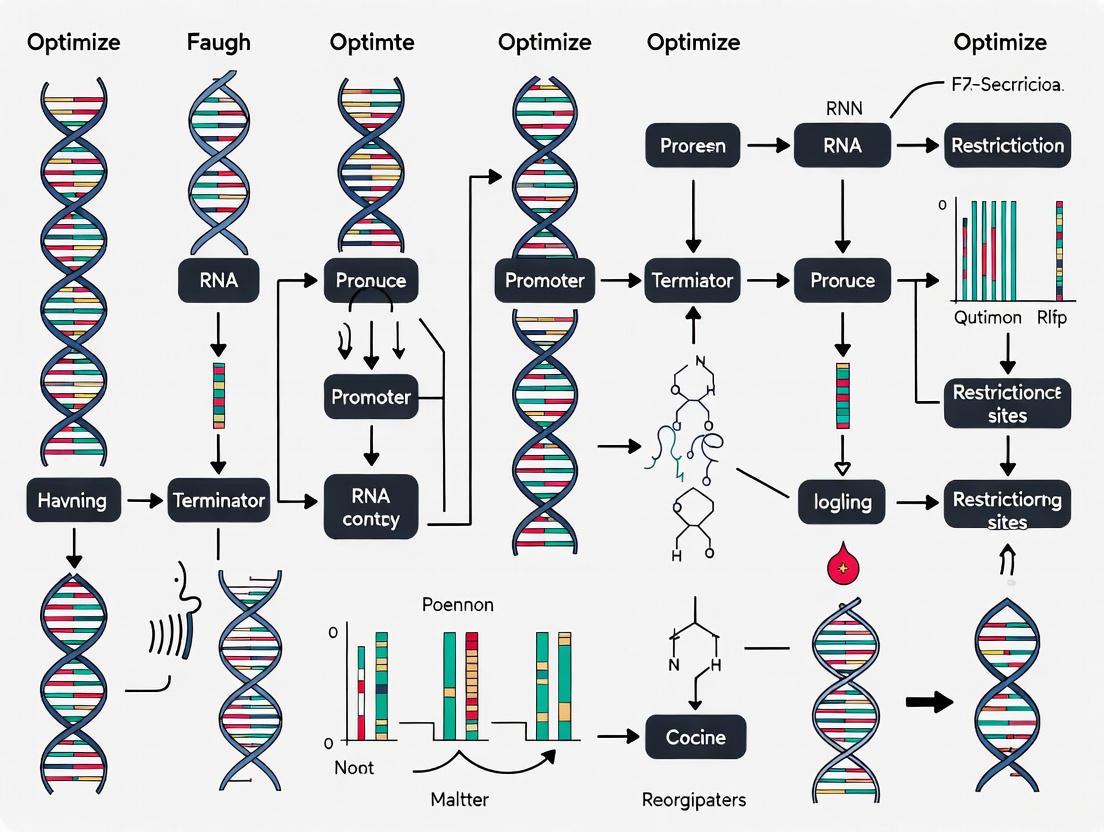
This article provides a comprehensive overview of modern nucleic acid sequence design and optimization, tailored for researchers and drug development professionals.
AI-Driven Nucleic Acid Design: Optimizing Sequences for Therapeutics and Functional Genomics
Abstract
This article provides a comprehensive overview of modern nucleic acid sequence design and optimization, tailored for researchers and drug development professionals. It explores the foundational shift from traditional, rule-based methods to advanced artificial intelligence (AI) and machine learning approaches. The content covers key methodological frameworks, including novel algorithms like AdaBeam and generative models, and their applications in creating effective therapeutics, such as mRNA vaccines and gene therapies. A dedicated section addresses critical troubleshooting and optimization challenges, from managing complex biological constraints to scaling computational efforts. Finally, the article details rigorous validation paradigms and comparative analyses of design tools, offering a holistic guide for developing high-performing nucleic acid sequences with enhanced precision and efficiency.
From Genetic Code to AI Models: The Foundational Principles of Nucleic Acid Design
Frequently Asked Questions (FAQs)
FAQ 1: What makes the sequence space for nucleic acids so vast and difficult to navigate? The sequence space is astronomically large. For example, a small functional region of an RNA molecule, like the 5' UTR, can be one of over 2x10^120 possible sequences, making a brute-force search to find the optimal sequence for a specific function impossible [1].
FAQ 2: What is the typical workflow for computationally designing a nucleic acid sequence? The standard process involves four key steps: 1) Generate data by collecting a high-quality dataset of sequences with the desired property; 2) Train a predictive model that can score a sequence for that property; 3) Use a design algorithm to generate new candidate sequences predicted to have high scores; and 4) Synthesize and validate the most promising candidates in the wet lab [1].
FAQ 3: How do AI-driven methods help with this challenge? Generative AI models, such as Variational Autoencoders (VAEs) and Generative Adversarial Networks (GANs), can learn the complex relationships between sequence and function. They enable the exploration of the vast chemical space with unprecedented depth and efficiency, moving beyond the limitations of traditional manual and combinatorial methods [2] [3]. These models can be guided by optimization strategies to generate novel sequences tailored for specific therapeutic properties, such as improved stability or binding affinity [3] [4].
FAQ 4: What are the different types of algorithms used in the design step? Design algorithms can be broadly categorized as gradient-free or gradient-based. Gradient-free algorithms (e.g., directed evolution, simulated annealing) treat the predictive model as a "black box." In contrast, gradient-based algorithms (e.g., FastSeqProp) use the model's internal gradients to intelligently guide the search for better sequences. Hybrid algorithms, like AdaBeam, combine effective elements from both approaches [1].
Troubleshooting Guides
Troubleshooting Computational Design
Problem: Design algorithms struggle to scale to long sequences or large predictive models.
- Possible Cause & Solution: Peak memory consumption is too high.
- Solution: Utilize algorithms that incorporate engineering tricks like "gradient concatenation" to substantially reduce memory usage, enabling application to massive models [1].
- Possible Cause & Solution: Computations scale poorly with sequence length.
- Solution: Implement algorithms that use fixed-compute probabilistic sampling instead of computations that scale with sequence length [1].
Problem: Generated sequences are not chemically valid or lack desired drug-like properties.
- Possible Cause & Solution: The generative model is not sufficiently guided.
- Solution: Integrate optimization strategies like reinforcement learning or property-guided generation into the model. These use reward functions or property predictions to steer the generation toward molecules with desired properties like drug-likeness, binding affinity, and synthetic accessibility [3].
Troubleshooting Experimental Validation
Problem: Faint or absent bands in nucleic acid gel electrophoresis. This issue can stem from sample preparation, the gel run, or visualization. The table below outlines common causes and solutions [5].
| Possible Cause | Recommendation |
|---|---|
| Low quantity of sample | Load at least 0.1–0.2 μg of DNA or RNA per mm of gel well width [5]. |
| Sample degradation | Use molecular biology grade reagents, wear gloves, and prevent nuclease contamination [5]. |
| Gel over-run | Monitor run time and migration of loading dyes to avoid running small molecules off the gel [5]. |
| Low sensitivity of stain | Use more stain, a longer staining duration, or a stain with higher affinity for your nucleic acid type [5]. |
Problem: Smeared bands in nucleic acid gel electrophoresis. Smearing often relates to gel preparation, sample quality, or running conditions. See the table below for specific issues [5].
| Possible Cause | Recommendation |
|---|---|
| Sample overloading | Do not overload wells; the general recommendation is 0.1–0.2 μg of sample per mm of well width [5]. |
| Sample degradation | Ensure labware is nuclease-free and follow good lab practices, especially with RNA [5]. |
| Sample in high-salt buffer | Dilute, purify, or precipitate the sample to remove excess salt before loading [5]. |
| Incompatible loading buffer | For single-stranded nucleic acids (e.g., RNA), use a denaturing loading dye and heat the sample [5]. |
Problem: No product from PCR amplification.
- Possible Cause: Incorrect annealing temperature.
- Solution: Recalculate primer Tm values and test an annealing temperature gradient, starting at 5°C below the lower Tm of the primer pair [6].
- Possible Cause: Poor template quality or presence of inhibitors.
- Solution: Analyze DNA quality via gel electrophoresis, check the 260/280 ratio, and further purify the template if necessary [6].
- Possible Cause: Suboptimal reaction conditions.
- Solution: Optimize Mg++ concentration and ensure all reaction components are thoroughly mixed [6].
Experimental Protocols & Workflows
Protocol: Standard Workflow for AI-Driven Nucleic Acid Sequence Design and Validation
This protocol outlines the process for designing and validating nucleic acid sequences for a specific function, such as maximizing gene expression in a target cell type [1] [4].
- Define Design Goal: Clearly define the target property (e.g., high binding affinity, specific gene expression levels, low immunogenicity).
- Data Curation: Collect a high-quality dataset of sequences with experimentally measured values for the target property.
- Predictive Model Training:
- Use the curated dataset to train a neural network model (e.g., a convolutional neural network or transformer-based model) to predict the property from a given sequence.
- Split data into training, validation, and test sets to evaluate model performance and avoid overfitting.
- In Silico Sequence Design:
- Select a design algorithm (e.g., AdaBeam, directed evolution, gradient-based methods).
- Use the algorithm to generate candidate sequences that your predictive model scores highly against the design goal.
- Optional: Retrain the predictive model on validation data to improve its accuracy in an iterative feedback loop [1].
- Experimental Validation:
- Synthesize the top-ranked candidate sequences.
- Test the synthesized sequences in vitro and/or in vivo using relevant functional assays to confirm the desired property.
- Iterative Optimization:
- Feed the experimental results (both successful and failed candidates) back into the dataset.
- Retrain the predictive model with this new data to improve future rounds of design, creating a robust feedback loop [4].
The workflow for this protocol is summarized in the following diagram:
Protocol: Troubleshooting Gel Electrophoresis for Nucleic Acids
A key step in validating nucleic acids is confirming their integrity and size through gel electrophoresis [5].
- Gel Preparation:
- For a horizontal agarose gel, keep thickness to 3–4 mm. Thicker gels can cause band diffusion.
- Use a clean comb and avoid pushing it to the bottom of the gel tray to prevent sample leakage.
- Allow the gel to solidify completely before carefully removing the comb to avoid damaging wells.
- Sample Preparation:
- For double-stranded DNA, use a standard loading dye. For single-stranded nucleic acids like RNA, use a denaturing loading dye and heat the sample.
- Do not overload wells. A general guideline is 0.1–0.2 μg of nucleic acid per mm of well width.
- If the sample is in a high-salt buffer, dilute, purify, or precipitate it to remove excess salt.
- Gel Run:
- Ensure electrodes are connected correctly (negative electrode at the well side).
- Apply voltage as recommended for the nucleic acid size and buffer system. Very high or low voltage can cause poor resolution.
- Avoid a very long run time to prevent band diffusion from excessive heat.
- Visualization:
- For fluorescent stains, ensure the stain is thoroughly mixed into the agarose (for in-gel staining) or that the gel is fully submerged (for post-electrophoresis staining).
- Use a light source with the correct excitation wavelength for your fluorescent dye.
- Visualize the gel promptly after the run to avoid band diffusion.
The Scientist's Toolkit: Research Reagent Solutions
The following table details key materials and software tools used in the field of nucleic acid sequence design and validation.
| Item | Function/Benefit |
|---|---|
| Q5 High-Fidelity DNA Polymerase | A high-fidelity polymerase for PCR amplification, reducing sequence errors during amplification for downstream cloning or analysis [6]. |
| OneTaq Hot Start DNA Polymerase | A hot-start polymerase that minimizes non-specific amplification and primer-dimer formation during PCR setup, leading to cleaner products [6]. |
| PreCR Repair Mix | Used to repair damaged template DNA before PCR, which can improve amplification success and fidelity [6]. |
| Monarch PCR & DNA Cleanup Kit | For purifying PCR products or nucleic acid samples, removing enzymes, salts, and other impurities that can inhibit downstream reactions [6]. |
| NucleoBench | An open-source software benchmark for fairly comparing different nucleic acid sequence design algorithms across standardized biological tasks [1]. |
| AdaBeam | A hybrid adaptive beam search algorithm for generating optimal nucleic acid sequences, demonstrating superior performance and scaling on long sequences [1]. |
| GalNAc Conjugates | A widely used ligand conjugation technology that enables efficient delivery of oligonucleotide therapeutics to liver tissue [7]. |
| Lipid Nanoparticles (LNPs) | Established delivery vehicles for encapsulating and protecting nucleic acids (e.g., in mRNA vaccines), facilitating cellular uptake [7]. |
Troubleshooting Guides
Nucleic Acid Gel Electrophoresis Troubleshooting
This guide addresses common issues encountered during nucleic acid gel electrophoresis, a fundamental technique for analyzing DNA and RNA samples.
Table 1: Troubleshooting Guide for Faint Bands in Gel Electrophoresis
| Possible Cause | Recommendations & Experimental Protocols |
|---|---|
| Low quantity of sample | - Load a minimum of 0.1–0.2 μg of DNA or RNA per millimeter of gel well width [5].- Use a gel comb with deep and narrow wells to concentrate the sample [5]. |
| Sample degradation | - Use molecular biology grade reagents and nuclease-free labware [5].- Follow good lab practices: wear gloves, prevent nuclease contamination, and work in designated areas for handling nucleic acids, especially RNA [5]. |
| Gel over-run | - Monitor run time and the migration of loading dyes to prevent smaller molecules from running off the gel [5]. |
| Low sensitivity of stain | - For single-stranded nucleic acids, use more stain, allow for a longer staining duration, or use stains with higher affinity [5].- For thick or high-percentage gels, allow a longer staining period for penetration [5]. |
Table 2: Troubleshooting Guide for Smearing in Gel Electrophoresis
| Possible Cause | Recommendations & Experimental Protocols |
|---|---|
| Sample overloading | - Do not overload wells; the general recommendation is 0.1–0.2 μg of sample per millimeter of a gel well’s width [5]. |
| Sample degradation | - Ensure reagents are molecular biology grade and labware is free of nucleases. Follow established RNA handling protocols to prevent degradation [5]. |
| Sample in high-salt buffer | - Dilute the loading buffer if its salt concentration is too high [5].- If the sample is in a high-salt buffer, dilute it in nuclease-free water or purify/precipitate the nucleic acid to remove excess salt before loading [5]. |
| Incompatible loading buffer | - For single-stranded nucleic acids (e.g., RNA), use a loading dye containing a denaturant and heat the sample to prevent secondary structure formation [5].- For double-stranded DNA, avoid denaturants and heating to preserve the duplex structure [5]. |
Table 3: Troubleshooting Guide for Poorly Separated Bands
| Possible Cause | Recommendations & Experimental Protocols |
|---|---|
| Incorrect gel percentage | - Use a higher gel percentage to resolve smaller molecular fragments [5].- When preparing agarose gels, adjust the volume with water after boiling to prevent an unintended increase in gel percentage due to evaporation [5]. |
| Suboptimal gel choice | - Choose polyacrylamide gels for resolving nucleic acids shorter than 1,000 bp for better separation [5]. |
| Incorrect gel type | - For single-stranded nucleic acids like RNA, prepare a denaturing gel for efficient separation [5].- For double-stranded DNA, use non-denaturing gels to preserve the duplex structure [5]. |
PCR Troubleshooting Guide
This guide helps identify and resolve common problems in Polymerase Chain Reaction (PCR) experiments.
Table 4: PCR Troubleshooting for Failed or Suboptimal Results
| Observation | Possible Cause | Solution & Experimental Protocol |
|---|---|---|
| No Product | Incorrect annealing temperature | - Recalculate primer Tm values using a dedicated calculator [8].- Test an annealing temperature gradient, starting at 5°C below the lower Tm of the primer pair [8]. |
| Poor template quality | - Analyze DNA via gel electrophoresis and check the 260/280 ratio for purity [8].- For GC-rich or long templates, use polymerases like Q5 High-Fidelity or OneTaq DNA Polymerase [8]. | |
| Multiple or Non-Specific Products | Primer annealing temperature too low | - Increase the annealing temperature to enhance specificity [8]. |
| Premature replication | - Use a hot-start polymerase (e.g., OneTaq Hot Start DNA Polymerase) [8].- Set up reactions on ice and add samples to a thermocycler preheated to the denaturation temperature [8]. | |
| Sequence Errors | Low fidelity polymerase | - Choose a higher fidelity polymerase such as Q5 or Phusion DNA Polymerases [8]. |
| Unbalanced nucleotide concentrations | - Prepare fresh deoxynucleotide mixes to ensure proper balance [8]. |
Frequently Asked Questions (FAQs)
DNA Sequencing FAQs
Q1: How much DNA is required for Sanger sequencing? [9]
A: The quantity depends on the template type, as summarized in the table below. Using more than the recommended amount can cause problems with the sequencing reaction [9].
Table 5: Recommended DNA Quantities for Sanger Sequencing
| Template Type | Template Size | Required Quantity |
|---|---|---|
| PCR Product | 100-200 bp | 1-3 ng |
| 200-500 bp | 3-10 ng | |
| 500-1000 bp | 5-20 ng | |
| 1000-2000 bp | 10-40 ng | |
| >2000 bp | 40-100 ng | |
| Plasmid DNA | Double-stranded | 250-500 ng |
| BAC / Cosmid | 0.5-1.0 µg | |
| Bacterial Genomic DNA | 2-3 µg |
Q2: What are the leading causes of poor or no sequence read? [9]
A: The most common causes are:
- Failure to add template or primer to the reaction mix.
- Adding too much primer.
- Poor quality template DNA (degraded or contaminated) [9].
Q3: What is the difference between dye terminator and dye primer cycle sequencing? [10]
A:
- Dye Terminator Sequencing: Each of the four dideoxy terminators (ddNTPs) is tagged with a different fluorescent dye. The reactions are performed in a single tube, and the growing chain is simultaneously terminated and labeled. This method requires fewer pipetting steps and uses an unlabeled primer [10].
- Dye Primer Sequencing: Primers are tagged with four different fluorescent dyes. Labeled products are generated in four separate base-specific reactions, which are then combined for loading. This chemistry often produces more even signal intensities [10].
Q4: What is de novo sequencing? [10]
A: De novo sequencing is the initial generation of the primary genetic sequence of an organism. It involves assembling individual sequence reads into longer contiguous sequences (contigs) in the absence of a reference sequence, forming the basis for detailed genetic analysis [10].
DNA/RNA Isolation and QC FAQs
Q5: Which DNA isolation protocols are recommended for next-generation sequencing (e.g., Illumina)? [11]
A:
- Recommended Method: Use spin-column kits (e.g., from Qiagen, Zymo) that include an RNase digestion step to remove contaminating RNA, which can inhibit library preparation [11].
- Sample-Specific Protocols:
- Quality Control: After extraction, assess DNA purity via spectrometry (260/280 ratio of 1.8-2.0 and 260/230 nm ratio >2) and analyze integrity via agarose gel electrophoresis to verify RNA removal and fragment size (>10 kb for spin-column protocols) [11].
Experimental Workflows and Conceptual Diagrams
Workflow for Thermodynamic Analysis of Protein-nucleic Acid Interactions
This workflow outlines the methodology for performing quantitative thermodynamic analysis to understand binding interactions, as applied to systems like helicases or polymerases [12].
Integrated Troubleshooting Workflow for Nucleic Acid Experiments
This diagram provides a logical pathway for diagnosing and resolving common experimental issues in nucleic acid research.
The Scientist's Toolkit: Research Reagent Solutions
Table 6: Essential Reagents and Kits for Nucleic Acid Research
| Item | Function & Application | Example Use-Case & Note |
|---|---|---|
| High-Fidelity DNA Polymerase | PCR amplification with very low error rates, crucial for cloning and sequencing. | Q5 or Phusion Polymerase; used when sequence accuracy is critical to avoid mutations [8]. |
| Hot-Start DNA Polymerase | Reduces non-specific amplification by requiring thermal activation. | OneTaq Hot Start Polymerase; used to prevent primer-dimer formation and mispriming at lower temperatures during reaction setup [8]. |
| Spin-Column DNA Isolation Kit | Reliable purification of high-quality, high-molecular-weight DNA. | Qiagen DNeasy kits; recommended for Illumina sequencing; must include RNase step to remove contaminating RNA [11]. |
| Fluorescent DNA Stains | Sensitive detection of nucleic acids in gel electrophoresis. | SYBR-safe or similar; for visualizing faint bands; requires checking excitation wavelength for proper visualization [5]. |
| Dideoxy Terminator Sequencing Kit | Fluorescently labeled nucleotides for automated Sanger sequencing. | BigDye Terminator kits; enable cycle sequencing in a single tube, simplifying workflow for high-throughput sequencing [10]. |
Troubleshooting Guides and FAQs
Troubleshooting Traditional Nucleic Acid Sequencing
The table below outlines common issues encountered during traditional Sanger sequencing, their causes, and recommended solutions [13].
| Problem | How to Identify | Cause | Solution |
|---|---|---|---|
| Failed Reactions | Trace is messy or sequence file contains mostly "N"s. | Low template concentration, poor DNA quality, or bad primer. | Check concentration (100-200 ng/µL), clean DNA, verify primer quality and sequence [13]. |
| High Background Noise | Discernable peaks with high background baseline; low quality scores. | Low signal intensity from poor amplification. | Increase template concentration and ensure high primer binding efficiency [13]. |
| Sequence Termination | Good quality data ends abruptly. | DNA secondary structures (e.g., hairpins) blocking polymerase. | Use "difficult template" dye chemistry or design a new primer past/on the problematic region [13]. |
| Double Sequence | Single, high-quality trace splits into two or more overlapping peaks. | Colony contamination (multiple clones sequenced) or toxic sequence in DNA. | Ensure single colony picking; use low-copy vectors or lower growth temperature for toxic sequences [13]. |
| Poor Read Length | Sequence starts strong but dies out early; high initial signal. | Excessive starting template DNA. | Reduce template concentration to recommended levels (100-200 ng/µL) [13]. |
Troubleshooting Next-Generation Sequencing (NGS) Library Preparation
The following table summarizes frequent issues in NGS library prep, their root causes, and corrective actions [14].
| Problem Category | Typical Failure Signals | Common Root Causes | Corrective Action |
|---|---|---|---|
| Sample Input & Quality | Low yield; smeared electropherogram; low complexity. | Degraded DNA/RNA; contaminants (salts, phenol); inaccurate quantification. | Re-purify input; use fluorometric quantification (e.g., Qubit); check purity ratios (260/280 ~1.8) [14]. |
| Fragmentation & Ligation | Unexpected fragment size; strong adapter-dimer peaks. | Over-/under-shearing; improper adapter-to-insert ratio; poor ligase activity. | Optimize fragmentation parameters; titrate adapter ratios; ensure fresh ligase and correct reaction conditions [14]. |
| Amplification & PCR | Over-amplification artifacts; high duplicate rate; bias. | Too many PCR cycles; enzyme inhibitors; primer exhaustion. | Reduce PCR cycles; use master mixes to avoid pipetting errors; re-amplify from leftover ligation product if needed [14]. |
| Purification & Cleanup | Incomplete removal of adapter dimers; significant sample loss. | Incorrect bead-to-sample ratio; over-dried beads; carryover contaminants. | Precisely follow cleanup protocol for bead ratios and washing; avoid bead over-drying [14]. |
Frequently Asked Questions (FAQs)
Q: What is the core advantage of shifting from manual, rule-based design to AI-driven optimization for nucleic acids? A: Traditional methods often rely on manual experience and experimentation, which can be high-cost, time-consuming, and inefficient. AI-driven optimization uses machine learning and deep learning models to navigate the vast sequence space—which is often astronomically large—to efficiently identify sequences with desired properties, drastically cutting down discovery time and cost [2] [1].
Q: Our lab's NGS runs sometimes suffer from intermittent failures. The problem isn't consistent with a single kit or batch. What should I investigate? A: This pattern often points to human operational variation rather than reagent failure. Key areas to review include [14]:
- Protocol Adherence: Ensure all technicians follow the SOP precisely for critical steps like mixing methods and incubation timing.
- Reagent Integrity: Check ethanol wash concentrations for evaporation over time.
- Pipetting Errors: Implement "waste plates" to prevent accidental discarding of beads/sample. Use master mixes to reduce pipetting steps and introduce operator checklists.
Q: What are the key methodological considerations when using computational design for proteins that bind to nucleic acids? A: Three key considerations are [15]:
- Sequence- vs. Structure-based design: Structure-based design is often required for designing binders, as it incorporates 3D spatial information for interaction.
- ML- vs. Physics-based design: Machine learning (ML) methods are trained on large datasets for speed and accuracy, while physics-based methods (like Rosetta) use physical equations and approximations. The most advanced approaches often incorporate both.
- Target-agnostic vs. Target-aware design: Target-aware design explicitly includes the structure of the nucleic acid target during the design process, allowing for more control over the binding site and interactions.
Q: Are there standardized benchmarks to evaluate computational algorithms for nucleic acid design? A: Yes, the field is moving toward standardized evaluation. NucleoBench is a large-scale, open-source benchmark for evaluating nucleic acid design algorithms across diverse biological tasks like controlling gene expression and maximizing transcription factor binding. Such benchmarks are crucial for fair comparison of methods like directed evolution, simulated annealing, and newer gradient-based algorithms [1].
Experimental Protocols for AI-Driven Optimization
Protocol 1: Optimizing Sequences Using the AdaBeam Algorithm
Purpose: To use the AdaBeam algorithm for designing DNA/RNA sequences that maximize a desired property (e.g., gene expression level, binding affinity) as predicted by a pre-trained AI model [1].
Principle: AdaBeam is a hybrid adaptive beam search algorithm. It maintains a "beam" (a collection of the best candidate sequences) and intelligently explores the sequence space by making guided mutations and performing greedy local exploration from the most promising "parent" sequences [1].
Procedure:
- Define the Goal: Specify the objective function, i.e., the predictive model that scores sequences based on the desired property.
- Initialize Population: Start with a set of initial candidate sequences (e.g., 100 random or wild-type sequences).
- Run AdaBeam:
- Selection: In each round, select a small group of the highest-scoring sequences from the population to be "parents."
- Mutation & Exploration: For each parent, generate a set of "child" sequences by making a random number of random-but-guided mutations. Then, perform a short, greedy local search from these children to quickly find better variants in the immediate neighborhood.
- Population Update: Pool all newly generated children and select the absolute best ones to form the population for the next round.
- Output: After a fixed number of rounds or upon convergence, the highest-scoring sequence(s) are output for synthesis and experimental validation [1].
Protocol 2: Computational Design of a Novel DNA-Binding Protein
Purpose: To de novo design a small protein that binds to a specific, user-defined DNA target sequence [16].
Principle: This method involves docking small helical protein scaffolds into the major groove of a target DNA structure, then designing the protein sequence to form specific hydrogen-bond interactions with the DNA bases, ensuring both affinity and specificity [16].
Procedure:
- Scaffold Library Preparation: Create a library of small helix-turn-helix (HTH) scaffolds, for example, by mining metagenome data and using AlphaFold2 for structure prediction [16].
- Docking (RIFdock): Use the RIFdock algorithm to dock millions of scaffold orientations against the target DNA structure. The algorithm searches for docks that satisfy two key criteria: formation of main-chain hydrogen bonds with the DNA backbone and placement of side chains in positions that can interact with specific DNA bases [16].
- Sequence Design: For the best docking poses, design the full protein sequence. This can be done using:
- Rosetta-based design, which uses a physics-based energy function and backbone relaxation.
- LigandMPNN, a deep-learning-based method that treats the DNA as a ligand during sequence generation [16].
- Filtering and Selection: Filter the designed protein-DNA complexes based on:
- Favorable computed binding energy (ΔΔG).
- High shape complementarity and number of hydrogen bonds.
- Preorganization of interface side chains to minimize conformational entropy cost upon binding [16].
- Experimental Validation: Express the designed proteins and test their affinity and specificity for the target DNA sequence using methods like yeast display and surface plasmon resonance (SPR) [16].
Data Presentation
Quantitative Metrics for Evaluating Protein Sequence Design Methods
The table below, inspired by benchmarks like PDBench, summarizes key metrics for evaluating computational protein design methods, moving beyond simple sequence recovery to give a holistic view of performance [17].
| Metric | Definition | Significance |
|---|---|---|
| Sequence Recovery | Percentage of residues in the native sequence that are correctly predicted. | Measures basic accuracy in recapitulating natural sequences. |
| Similarity Score | Measures similarity between predicted and native sequences using substitution matrices (e.g., BLOSUM). | Accounts for functional redundancy between amino acids. |
| Top-3 Accuracy | Percentage of residues where the native amino acid is among the top 3 predicted. | Assesses the quality of a method's probabilistic output. |
| Prediction Bias | Discrepancy between the occurrence of a residue in nature and how often it is predicted. | Identifies if a method over- or under-predicts certain amino acids. |
| Per-Architecture Accuracy | Sequence recovery calculated for specific protein fold classes (e.g., mainly-α, mainly-β). | Reveals if a method performs well on certain structural types but not others. |
Workflow Visualization
Diagram 1: Traditional vs. AI-Driven Design Paradigm
Diagram 2: AI-Driven Nucleic Acid Optimization Workflow
The Scientist's Toolkit
Research Reagent Solutions for Computational Design and Validation
| Item | Function/Application |
|---|---|
| Predictive AI Models | Neural network models trained on biological data to predict properties (e.g., gene expression, binding) from nucleic acid or protein sequences. They serve as the "fitness function" for design algorithms [1]. |
| Design Algorithms (e.g., AdaBeam) | Optimization algorithms that use predictive models to navigate the vast sequence space and generate novel sequences with optimized properties [1]. |
| Rosetta Software Suite | A comprehensive software platform for macromolecular modeling. It is widely used for physics-based protein structure prediction, protein-protein docking, and de novo protein design, including DNA-binding proteins [15] [16] [17]. |
| AlphaFold2 & AlphaFold3 | Deep learning systems that accurately predict 3D protein structures from amino acid sequences. AlphaFold3 also predicts complexes of proteins with other molecules like DNA and RNA [18] [16]. |
| LigandMPNN | A machine learning-based protein sequence design method that can incorporate the structure of ligands, such as DNA, during the sequence generation process, improving the design of binding interfaces [16]. |
| NucleoBench | An open-source benchmark for fairly evaluating and comparing different nucleic acid sequence design algorithms across a variety of biological tasks [1]. |
The precise design of nucleic acid sequences is a cornerstone of modern molecular biology, critical for applications ranging from synthesizing genes and developing novel drugs to constructing efficient expression vectors and modifying microbial metabolic pathways [2]. The primary challenge lies in simultaneously optimizing four key objectives: high expression of the desired product, sequence stability, functional specificity, and practical synthesizability. Traditional design methods often rely on manual experience and can be costly, time-consuming, and inefficient [2]. This technical support center provides a structured guide to help researchers navigate the common pitfalls in nucleic acid design and experimentation, framed within the context of optimizing sequences for specific functions.
Troubleshooting Guides
Nucleic Acid Gel Electrophoresis Troubleshooting
Gel electrophoresis is a fundamental technique for validating nucleic acid samples during the design and optimization process. Problems at this stage often indicate issues with sample quality, integrity, or preparation method. The following table outlines common issues and their solutions.
| Problem | Possible Causes | Recommended Solutions |
|---|---|---|
| Faint Bands | Low sample quantity [5], Sample degradation [5], Low stain sensitivity [5] | Load 0.1–0.2 μg DNA/RNA per mm of well width [5]. Use nuclease-free reagents and labware [5]. Increase stain concentration/duration [5]. |
| Smearing | Sample overloading [5], Sample degradation [5], Incorrect voltage [5] | Avoid overloading wells [5]. Use proper nuclease-free technique [5]. Run gel at 110-130V [19]. Use denaturing gels for RNA [5]. |
| Poorly Separated Bands | Incorrect gel percentage [5], Suboptimal gel type [5], Sample overloading [5] | Use higher gel percentage for smaller fragments [5]. Use polyacrylamide gels for fragments <1,000 bp [5]. Ensure sample volume fills at least 30% of well [5]. |
| No Bands | Failed PCR amplification [19], Incorrect electrophoresis parameters [19], Degraded loading dye [19] | Optimize PCR conditions (e.g., annealing temperature) [19] [20]. Verify power supply and buffer [19]. Use fresh loading buffer [19]. |
| "Smiling" Bands | High voltage [19], Incomplete agarose melting [19] | Run gel at lower voltage (110-130V) [19]. Ensure agarose is completely melted before casting [19]. |
Genomic DNA Extraction Troubleshooting
Obtaining high-quality, intact genomic DNA (gDNA) is often the first step in many experimental workflows. The quality of the starting material directly impacts downstream applications and the validation of designed sequences.
| Problem | Possible Causes | Recommended Solutions |
|---|---|---|
| Low DNA Yield | Improper cell pellet handling [21], Column overloading [21], Incomplete tissue digestion [21] | Thaw cell pellets on ice; resuspend gently with cold PBS [21]. Reduce input amount for DNA-rich tissues (e.g., spleen, liver) [21]. Cut tissue into small pieces; extend lysis time [21]. |
| DNA Degradation | High nuclease activity in tissues [21], Improper sample storage [21], Large tissue pieces [21] | Flash-freeze tissues in liquid nitrogen; store at -80°C [21]. For nuclease-rich tissues (e.g., pancreas, liver), keep frozen and on ice [21]. Grind tissue with liquid nitrogen for efficient lysis [21]. |
| Protein Contamination | Incomplete tissue digestion [21], Clogged membrane with tissue fibers [21] | Centrifuge lysate to remove indigestible fibers before column loading [21]. Extend Proteinase K digestion time by 30 min–3 hours [21]. |
| Salt Contamination | Carry-over of binding buffer [21] | Avoid touching upper column area with pipette; avoid transferring foam [21]. Close caps gently; invert columns with wash buffer [21]. |
| RNA Contamination | Too much input material [21], Insufficient lysis time [21] | Do not exceed recommended input amounts [21]. Extend lysis time by 30 min–3 hours after tissue dissolution [21]. |
PCR Amplification Troubleshooting
The amplification of designed sequences via PCR is a critical step. Failure here can halt a project, and optimization is often necessary to achieve high yield and specificity.
| Problem | Possible Causes | Recommended Solutions |
|---|---|---|
| No Amplification | Incorrect annealing temperature [20], Low template quality/concentration [20], Failed primer design [20] | Perform a temperature gradient PCR [20]. Increase template concentration; check template quality [20]. Design new primers following best practices [20]. |
| Non-Specific Bands | Annealing temperature too low [20], Primer concentration too high [20], Primer self-complementarity [20] | Increase annealing temperature [20]. Lower primer concentration [20]. Avoid self-complementary sequences and dinucleotide repeats [20]. |
| Low Product Yield | Too few cycles [20], Low cDNA concentration [20] | Increase number of cycles [20]. Increase cDNA concentration [20]. |
| Amplification in Negative Control | Contaminated reagents [20] | Use new reagents (e.g., buffer, polymerase) [20]. Use sterile tips and work in a clean environment [20]. |
Experimental Workflow & Optimization Cycle
The following diagram illustrates the core iterative process of nucleic acid sequence design and experimental validation, which aligns with the troubleshooting guides above.
Research Reagent Solutions
A successful nucleic acid design and validation workflow relies on high-quality reagents. The table below lists essential materials and their functions.
| Reagent / Kit | Primary Function | Key Considerations for Optimization |
|---|---|---|
| gDNA Extraction Kit (e.g., Monarch Spin Kit) [21] | Purifies genomic DNA from cells/tissues. | Follow specific protocols for different sample types (e.g., blood, fibrous tissue) to prevent clogging and degradation [21]. |
| PCR Master Mix | Pre-mixed solution for efficient DNA amplification. | Choose based on fidelity, length of amplification, and GC-content compatibility [19]. Hot-start enzymes reduce non-specific amplification [19]. |
| Nucleic Acid Stains (e.g., GelRed, SYBR Safe) [19] | Visualizes nucleic acids in gels. | Select based on safety (mutagenicity), sensitivity, and compatibility with your visualization system (UV vs. blue light) [19]. |
| DNA Ladders/Markers [19] | Determines the size of separated nucleic acid fragments. | Use a ladder with a size range that brackets your fragment of interest for accurate sizing [19]. |
| Agarose & Acrylamide Gels | Medium for separating nucleic acids by size. | Use higher % agarose or polyacrylamide for better separation of smaller fragments [5]. |
| AI-Driven Design Tools (e.g., MolChord, DeepSEED) [2] [22] | Computationally generates and optimizes sequences for desired properties. | Leverages generative models and large language models (LLMs) to balance multiple objectives like expression, stability, and synthesizability [2] [22]. |
Frequently Asked Questions (FAQs)
Q1: What are the key advantages of using AI for nucleic acid sequence design over traditional methods? AI-driven methods, including machine learning and generative models, offer a more efficient and accurate approach to sequence design. They can analyze vast sequence spaces to optimize for multiple parameters simultaneously—such as codon usage, secondary structure, and GC-content—to enhance expression, stability, and specificity. This contrasts with traditional rule-based methods, which can be slow, costly, and reliant on manual expertise [2]. Techniques like Direct Preference Optimization (DPO) can further refine AI-generated sequences to align with complex properties like high binding affinity and good drug-likeness [22].
Q2: My RNA samples consistently show smearing on gels. What is the most critical factor to check? The most critical factor is preventing RNase contamination and ensuring a denaturing environment. Always use nuclease-free reagents and labware, wear gloves, and work in a designated clean area. For gel electrophoresis, prepare a denaturing gel and use a loading dye that contains a denaturant. Heating the sample before loading is also essential to prevent the formation of undesirable secondary structures that cause smearing [5].
Q3: I am getting good gDNA yield but my A260/A230 ratio is low, indicating salt contamination. How can I fix this? Salt contamination, often from guanidine thiocyanate in the binding buffer, is a common issue in column-based purification. To resolve this, avoid touching the upper part of the column with the pipette tip when loading the lysate, and take care not to transfer any foam. Closing the column caps gently and inverting the column with wash buffer as per the protocol can also help remove residual salts [21].
Q4: How do I choose the correct agarose concentration for my experiment? The correct agarose concentration depends on the size of the DNA fragments you need to separate. Lower percentages (e.g., 0.8%) are better for resolving larger fragments (5-10 kb), while higher percentages (e.g., 2%) are necessary for separating smaller fragments (0.1-1 kb). Always refer to a standard concentration chart for guidance [19].
Q5: My PCR reaction shows non-specific products or a smear. What are the first steps to troubleshoot this? First, increase the annealing temperature in increments of 1-2°C to enhance specificity. Second, check your primer design for self-complementarity or repetitive sequences. Third, lower the primer concentration and/or reduce the number of PCR cycles. Using a hot-start polymerase is also an effective way to minimize non-specific amplification that occurs during reaction setup [20].
In the field of nucleic acid sequence design, achieving highly efficient and specific biomolecular recognition requires balancing two competing demands: affinity (the strength of binding to the desired target) and specificity (the discrimination against non-target interactions) [23] [24]. Researchers address these requirements through two complementary computational approaches: positive design and negative design [25].
- Positive Design focuses on optimizing sequence-structure relationships to maximize stability and affinity for a specific target configuration. This paradigm seeks to find sequences that will form the most thermodynamically favorable complexes with their intended targets [25] [24].
- Negative Design focuses on optimizing specificity by minimizing the potential for a sequence to adopt incorrect structures or interact with non-target molecules. This paradigm deliberately destabilizes alternative, unwanted conformations or interactions [25].
Superior design methodologies explicitly implement both paradigms simultaneously, moving beyond approaches that rely solely on sequence symmetry minimization or minimum free-energy satisfaction, which primarily implement negative design [25].
Core Concept Definitions
Table 1: Key Concepts in Affinity and Specificity Optimization
| Term | Definition | Primary Design Goal |
|---|---|---|
| Affinity | The binding strength between a nucleic acid and its target, often measured by binding free energy (ΔG). Lower (more negative) ΔG indicates stronger binding [23] [24]. | Positive Design: Optimize sequences for maximum stability with the target structure [25]. |
| Specificity | The ability to discriminate the intended target against alternative partners or binding modes. A large gap in binding affinity for the target versus alternatives indicates high specificity [23] [24]. | Negative Design: Minimize stability for off-target binding and misfolded structures [25]. |
| Positive Design Paradigm | A strategy that optimizes the "signal"—enhancing favorable interactions for the desired outcome [25]. | Maximize affinity for the native, target-bound conformation [25] [24]. |
| Negative Design Paradigm | A strategy that optimizes the "noise ratio"—suppressing competing, non-functional outcomes [25]. | Maximize the energy gap between the target state and all decoy or non-target states [25] [24]. |
Computational Methodologies and Protocols
Quantifying Optimality for Affinity and Specificity
Computational methods estimate the extent to which amino acid residues in a protein-nucleic acid interface are optimized for affinity or specificity based on high-resolution structures. The following equations model these optimizations [23]:
1. Optimality for Affinity: This calculates the proportion of bound complexes that feature the wild-type amino acid at a position when combined with the native DNA. A value of 1 indicates perfect optimality, while the random expectation is 0.05 [23].
P_affinity(AA_native) = exp(-ΔΔG_bind(AA_native)) / Σ(exp(-ΔΔG_bind(AA)) for all amino acids (AA)
2. Specificity for a Basepair: This calculates the proportion of bound complexes that form between a protein and DNA sites possessing the wild-type basepair when presented with four different DNA-binding sites, each with a different basepair identity [23].
P_specificity(AA, bp_native) = exp(-ΔΔG_bind(bp_native)) / Σ(exp(-ΔΔG_bind(bp)) for all basepairs (bp)
3. Optimality for Specificity: This quantifies the extent to which the native amino acid is optimal for specificity by comparing its specificity to the mean specificity of all possible amino acids at that position [23].
S_opt = P_specificity(AA_native) - Mean(P_specificity(AA)) for all amino acids (AA)
Workflow for a Combined Design Strategy
The following diagram illustrates a computational workflow that integrates both positive and negative design principles to optimize nucleic acid sequences.
Key Reagents and Computational Tools
Table 2: Essential Research Reagents and Tools
| Item / Software | Function / Purpose | Application Note |
|---|---|---|
| Rosetta Modeling Suite [23] | A macromolecular modeling software for predicting and designing 3D structures of biomolecules. | Used for side-chain optimization, energy calculation, and modeling point mutations at interfaces. Freely available for academic use [23]. |
| SPA-PN Scoring Function [24] | A knowledge-based statistical potential optimized for scoring protein-nucleic acid interactions. | Specifically developed by incorporating both affinity and specificity into its optimization strategy [24]. |
| High-Resolution Crystal Structures (e.g., from PDB) | Provides the atomic coordinates for protein-nucleic acid complexes. | Serves as the essential structural input for computational analysis and energy calculations. Resolutions better than 3.0-3.5 Å are typically required [23] [24]. |
| Decoy Conformations | Computationally generated non-native poses of a complex. | Used in negative design to quantify intrinsic specificity and ensure the native state is the global energy minimum [24]. |
Troubleshooting Common Experimental Issues
Q1: Our designed sequences show high predicted affinity in silico but exhibit low specificity (e.g., off-target binding) in experimental validation. What could be the issue?
- Potential Cause 1: Over-reliance on positive design. The design process may have focused too heavily on stabilizing the target complex without sufficiently penalizing alternative low-energy states.
- Solution: Increase the weight of the negative design component. Explicitly generate a larger and more diverse set of decoy structures (including off-target binding modes and misfolded states) during the computational screening process and select sequences that maximize the energy gap between the target and these decoys [25] [24].
- Potential Cause 2: Inadequate conformational sampling. The decoy set used for negative design may not have covered the relevant competitive structures present in the experimental conditions.
- Solution: Expand the conformational sampling protocol. Use longer molecular dynamics simulations or more aggressive docking algorithms to explore a broader conformational space when generating decoys for negative design [24].
Q2: How can I quantitatively assess whether my design is optimized for affinity, specificity, or both?
- Recommended Analysis: Use the quantitative frameworks outlined in Section 3.1. Calculate the optimality for affinity (
P_affinity) and specificity (S_opt) for key residues or the entire interface [23]. - Interpretation: A residue with high
P_affinityis critical for strong binding. A residue with highS_optis a key determinant for discriminating against non-cognate partners. An ideal design will have a balance of residues optimized for each property, or individual residues that contribute to both [23]. - Tool: The methodology for this analysis has been implemented in a web server based on the Rosetta software [23].
Q3: The designed complex is highly specific but has low binding affinity, compromising its functional efficacy. How can this be improved?
- Potential Cause: Overly aggressive negative design. The strategy to destabilize decoys may have also inadvertently destabilized the native, target conformation.
- Solution: Recalibrate the design parameters. Iteratively adjust the weights given to the positive (affinity) and negative (specificity) terms in the scoring function. Focus positive design efforts on adding stabilizing interactions (e.g., hydrogen bonds, van der Waals contacts) in regions of the interface that are not critical for defining specificity [25] [24].
Advanced Strategy: The Intrinsic Specificity Concept
A major challenge in negative design is quantifying conventional specificity, which requires knowing affinities for all possible competitive partners. The concept of intrinsic specificity circumvents this challenge [24].
Intrinsic specificity redefines the problem as the preference of a biomolecule to bind to its partner in one specific pose (the native one) over all other possible poses (decoys) to the same partner. Imagine linking multiple competitive receptors into one large receptor; the conventional specificity of choosing the correct receptor is transformed into the intrinsic specificity of choosing the correct binding site on the large receptor [24].
This allows for the quantification of specificity using a computationally tractable measure called the Intrinsic Specificity Ratio (ISR):
ISR = (ΔE_gap) / (δE_roughness * S_conf)
Where:
- ΔE_gap is the energy gap between the native conformation and the average energy of the decoy ensemble.
- δE_roughness is the width of the energy distribution of decoys.
- S_conf is the conformational entropy.
A higher ISR indicates a more funneled energy landscape and greater specificity for the native state [24]. This metric can be directly optimized during the computational design process to create sequences with high intrinsic specificity.
Algorithmic Breakthroughs and Real-World Applications in Modern Sequence Design
Frequently Asked Questions (FAQs)
Q1: What are the primary rule-driven parameters for optimizing a nucleic acid sequence, and how do they interact? The primary parameters are the Codon Adaptation Index (CAI), GC Content, and mRNA secondary structure stability (ΔG). These factors are not independent; they interact in a complex manner. For instance, optimizing for CAI can inadvertently alter the GC content, which in turn affects the stability of mRNA secondary structures. A holistic, multi-parameter approach is necessary for successful optimization [26].
Q2: Why does my optimized sequence, with a high CAI, still show low protein expression? A high CAI signifies good alignment with the host's codon usage bias but does not guarantee efficient translation. Suboptimal GC content can lead to unstable mRNA or impaired binding with translational machinery. Additionally, highly stable secondary structures (low ΔG) near the translation start site can block ribosome binding and scanning. It is crucial to balance CAI with GC content and structural stability checks [26].
Q3: How do I choose a target GC content for my host organism? Optimal GC content is host-specific. The table below summarizes recommended ranges and the consequences of deviation for common host organisms [26].
Table: Host-Specific GC Content Guidelines
| Host Organism | Recommended GC Content | Risks of Low GC | Risks of High GC |
|---|---|---|---|
| E. coli | ~50-60% | Reduced mRNA stability | Potential for mis-folding and translation errors |
| S. cerevisiae | Prefers A/T-rich codons; lower GC | Minimizes secondary structure formation | May form inhibitory secondary structures |
| CHO cells | Moderate levels (~50-60%) | - | Balances mRNA stability and translation efficiency |
Q4: What is the relationship between GC content and the Effective Number of Codons (ENC)? The correlation between GC content and ENC, which measures codon usage bias, is species-dependent. In AT-rich species (e.g., honeybees), ENC and GC content are often positively correlated. In GC-rich species (e.g., humans, rice), they are typically negatively correlated. This fundamental relationship influences codon usage distributions and must be considered when designing sequences for a specific host [27].
Q5: How can I predict and manage mRNA secondary structure in my designs? Traditional tools like RNAfold (from the ViennaRNA Package) and UNAFold use dynamic programming algorithms based on thermodynamic models to predict the minimum free energy (MFE) of secondary structures. Managing structure involves avoiding excessively stable structures (highly negative ΔG), particularly in the 5' untranslated region (UTR) and the beginning of the coding sequence, as these can severely hinder translation initiation [26] [28].
Troubleshooting Guides
Problem: Low Protein Yield Despite High CAI
Potential Causes and Solutions:
Cause: Inhibitory mRNA Secondary Structures
- Solution: Analyze the sequence, especially the 5' end, using tools like RNAfold. Re-design the sequence using synonymous codons to disrupt stable hairpins that may be blocking the ribosome [29].
Cause: Suboptimal GC Content
- Solution: Calculate the overall and local GC content of your sequence. Compare it to the typical range for your host organism (see FAQ table above). Adjust codon usage to bring the GC content into the optimal range, which can enhance mRNA stability and translation efficiency [26].
Cause: Disrupted Codon Context
- Solution: Some codon pairs (neighboring codons) are used infrequently in the host and can slow down translation. Use optimization tools that consider codon-pair bias (CPB) to ensure smooth ribosome progression [26].
Problem: Unintended Splice Events in Mammalian Systems
Potential Causes and Solutions:
- Cause: Cryptic Splice Sites from High GC Content
- Solution: High GC content, particularly in the 5' end of genes, can create sequences that mimic splice donor or acceptor sites. Scan your sequence for canonical splice site motifs (GT/AG) and use synonymous codon changes to disrupt these motifs while maintaining the amino acid sequence [30].
Problem: Sequence Instability in Plasmid or Bacterial Expression
Potential Causes and Solutions:
- Cause: Extreme GC Content Leading to Recombination
- Solution: Very high or very low GC content can cause genetic instability in plasmids. Re-optimize the sequence to maintain a moderate, host-appropriate GC content. For long sequences, consider breaking the optimization into segments to maintain consistency [26].
Key Experimental Protocols
Protocol 1: In Silico Multi-Parameter Sequence Optimization
This protocol outlines a standard workflow for designing an optimized nucleotide sequence using traditional rule-based parameters.
Objective: To generate a gene sequence for high expression in a target host by simultaneously optimizing CAI, GC content, and mRNA secondary structure.
Workflow:
Materials/Reagents:
- Protein sequence of interest (FASTA format).
- Codon optimization tool(s) such as JCat, OPTIMIZER, or GeneOptimizer [26].
- GC content calculator (often built into optimization tools or available in bioinformatics suites).
- Secondary structure prediction tool such as RNAfold (ViennaRNA Package) or UNAFold [26] [28].
Procedure:
- Host Selection: Identify the expression host (e.g., E. coli, S. cerevisiae, CHO cells).
- Initial Optimization: Use a codon optimization tool with the host's codon usage table to generate a first-pass sequence. Aim for a high CAI (>0.8).
- Parameter Analysis:
- Calculate the GC content of the optimized sequence.
- Use an MFE prediction tool like RNAfold to determine the secondary structure stability, paying close attention to the ΔG value and any strong structures at the 5' end.
- Evaluation and Iteration: Compare the calculated parameters against the host-specific guidelines. If the GC content is outside the optimal range or if stable inhibitory structures are predicted, manually adjust the sequence using synonymous codons and repeat the analysis.
- Final Selection: Select the sequence that best balances a high CAI, appropriate GC content, and the absence of stable inhibitory secondary structures.
Protocol 2: Validating the Impact of GC Content on mRNA Stability
Objective: To experimentally assess how changes in GC content influence mRNA stability and protein expression levels.
Materials/Reagents:
- Plasmid constructs (3-5) encoding the same protein but with different GC content (e.g., low, medium, and high).
- Host cells for transfection (e.g., HEK-293, CHO).
- RT-qPCR reagents for quantifying mRNA levels.
- Western blot or ELISA reagents for quantifying protein expression.
- Cell culture materials (medium, transfection reagent).
Procedure:
- In Vitro Transcription: Generate mRNA from your optimized DNA constructs or transfert the plasmids directly into your host cells.
- Cell Harvesting: Harvest cells at multiple time points post-transfection (e.g., 6, 12, 24, 48 hours).
- mRNA Quantification: Isolate total RNA and use RT-qPCR to measure the relative abundance of the target mRNA at each time point. Calculate the mRNA half-life.
- Protein Quantification: Lyse cells and use Western blot or ELISA to measure the amount of protein produced.
- Data Analysis: Correlate the GC content of each construct with its corresponding mRNA half-life and protein expression level. This will validate the in-silico design and provide empirical data for future optimizations.
Research Reagent Solutions
Table: Essential Reagents for Nucleic Acid Optimization Research
| Reagent / Material | Function / Application | Example Use Case |
|---|---|---|
| Codon Optimization Software (e.g., JCat, OPTIMIZER) | Generates DNA sequences with host-specific codon usage bias. | Initial in-silico design of a synthetic gene for expression in E. coli [26]. |
| Secondary Structure Prediction Tool (e.g., RNAfold) | Predicts mRNA folding and stability using Minimum Free Energy (MFE). | Identifying and disrupting stable secondary structures at the 5' translation initiation site [26] [28]. |
| Host-Specific Codon Usage Table | Provides the frequency of synonymous codon usage in a target organism. | Informing the codon optimization algorithm to mimic highly expressed native genes [26]. |
| De Novo Gene Synthesis Service | Physically creates the designed DNA sequence. | Manufacturing the final optimized gene sequence for cloning and experimental validation [26]. |
| RT-qPCR Kits | Quantifies mRNA abundance and stability in vivo. | Experimentally measuring the half-life of different GC-content mRNA variants [26]. |
Troubleshooting Guides
Guide 1: Troubleshooting AI Model Predictions for Gene Expression
Problem: My AI model's predictions do not match experimental validation data. Solution: This common discrepancy often stems from a mismatch between the training data and your specific experimental context.
- Investigate Training Data Provenance: Ensure the model was trained on data relevant to your cell type or biological context. A model trained primarily on cancer cell lines, for instance, may not accurately predict gene expression in normal cells [31].
- Check Sequence Context Length: If your variant or sequence element of interest is influenced by distant regulatory elements, confirm that your AI model can handle long-range genomic interactions. Some models have limitations in capturing influences from very distant genomic regions [32].
- Validate Input Data Quality: For sequence-based models, verify that your input DNA sequence is correctly formatted and of the required length. For models using chromatin accessibility data, ensure the experimental data for accessibility maps is of high quality [33].
Problem: The model cannot accurately predict the effect of non-coding variants. Solution: Non-coding regions pose a significant challenge due to the vast "dark" regions of the genome.
- Use Specialized Non-Coding Models: Employ tools specifically designed for non-coding variant interpretation, such as AlphaGenome, which is optimized for analyzing the 98% of the genome that does not code for proteins [32].
- Leverage Multi-modal Prediction: Use models that integrate multiple data types. A variant's effect may be more evident in chromatin accessibility data or transcription factor binding predictions than in RNA expression alone. Models like EpiBERT and AlphaGenome are trained on multimodal data, providing a more comprehensive view [33] [32].
Problem: Poor model performance on a specific, rare cell type. Solution: Generalizable models sometimes fail on highly specialized cell types not well-represented in training sets.
- Explore Transfer Learning: If you have a small dataset for your target cell type, consider fine-tuning a pre-trained foundation model (like the one from Columbia University) on your specific data to adapt its general "grammar" of gene regulation to your specialized context [31].
- Cell-Type Agnostic Models: For certain tasks, consider using models specifically designed to be cell-type agnostic, which learn a more fundamental regulatory grammar [33].
Guide 2: Troubleshooting Nucleic Acid Sequence Design Workflows
Problem: Algorithm fails to generate a nucleic acid sequence with the desired functional properties. Solution: The design algorithm may be stuck in a local optimum or struggling with the vast sequence space.
- Evaluate Algorithm Choice: Standard algorithms like directed evolution or simulated annealing may not be optimal. Consider modern hybrid algorithms like AdaBeam, which combines adaptive selection and targeted mutation, and has demonstrated superior performance on tasks like optimizing for cell-type-specific expression and chromatin accessibility [1].
- Adjust the "Beam Width": If using a beam search algorithm, increasing the beam width (the number of candidate sequences maintained at each step) can lead to a more thorough exploration of the sequence space, though it increases computational cost [1].
- Check Predictive Model Accuracy: Remember that the design algorithm is only as good as the predictive model it uses. If the model inaccurately predicts sequence function, the designed sequences will fail in validation. Ensure your predictor is robust and validated for your design task [1].
Problem: The sequence design process is computationally slow, especially for long sequences like mRNA. Solution: Scalability is a major challenge in nucleic acid design.
- Implement Efficiency Tricks: For gradient-based algorithms, use techniques like "gradient concatenation" to substantially reduce peak memory consumption, enabling work with larger models and longer sequences [1].
- Leverage Fixed-Compute Sampling: Use algorithms that employ fixed-compute probabilistic sampling instead of computations that scale with sequence length. This is a key feature that allows AdaBeam to scale efficiently to long sequences [1].
- Benchmark Performance: Use a standardized benchmark like NucleoBench to compare the speed and performance of different design algorithms on tasks similar to yours, helping you select the most efficient one [1].
Frequently Asked Questions (FAQs)
Q1: What is the key difference between AI models that predict protein structure and those that predict gene expression? A1: Protein structure prediction models (e.g., AlphaFold) primarily take an amino acid sequence as input to predict a static 3D structure. In contrast, gene expression prediction models are more complex as they must consider the dynamic regulation of the genome. These models, such as EpiBERT or the foundation model from Columbia, often take a DNA sequence plus contextual data like chromatin accessibility from specific cell types as input to predict a functional output—whether and how much a gene is expressed [31] [34] [35].
Q2: How can I validate an AI-predicted gene expression outcome in the lab? A2: Computational predictions must be followed by experimental validation. A typical workflow involves:
- Synthesize the top candidate DNA sequences identified by the AI.
- Clone these sequences into reporter vectors (e.g., driving a fluorescent protein like GFP).
- Transfer the vectors into your target cell line via transfection.
- Measure the reporter signal (e.g., fluorescence intensity) using quantitative methods like flow cytometry or microplate reading. This provides direct, experimental measurement of gene expression activity for comparison with the AI's prediction [1].
Q3: My research focuses on a rare disease with limited genomic data. Can I still use these AI tools? A3: Yes, but a strategic approach is needed. Foundation models pre-trained on massive, diverse datasets (like the one trained on 1.3 million human cells) have learned a general "grammar" of genomic regulation that is often transferable [31]. You can use these models for out-of-the-box predictions or, more powerfully, fine-tune them on the limited data you have for your specific disease context. This process adapts the general model to your specialized needs, making it a practical approach for rare diseases.
Q4: What are the most common limitations of current AI models in genomics? A4: Even state-of-the-art models have key limitations to keep in mind:
- Cell-Type Specificity: Accurately capturing the unique regulatory patterns of all cell and tissue types remains a challenge [32].
- Long-Range Interactions: Modeling the influence of very distant regulatory elements (e.g., hundreds of thousands of base pairs away) is still an active area of research [32].
- Non-Sequence Factors: These models typically do not account for broader biological contexts like developmental stage, environmental exposures, or complex metabolic states [32].
- Static Predictions: They often provide a snapshot of a cell's state rather than modeling dynamic, time-dependent processes [34].
Experimental Protocols & Data
Protocol 1: Validating AI-Based Gene Expression Predictions Using a Reporter Assay
This protocol is used to experimentally test whether a DNA sequence designed or identified by an AI model actually drives gene expression as predicted.
1. Materials
- Synthesized DNA Oligos: The candidate sequences output by the AI design algorithm.
- Reporter Plasmid: A backbone vector containing a promoter-less reporter gene (e.g., GFP, luciferase).
- Cell Line: The relevant cell type for your study (e.g., HEK293, HepG2).
- Transfection Reagent: (e.g., Lipofectamine).
- Measurement Instrument: Flow cytometer (for GFP) or microplate luminometer/fluorometer.
2. Procedure
- Step 1: Cloning. Clone each synthesized DNA candidate sequence into the reporter plasmid upstream of the reporter gene. This creates your experimental constructs. Include a positive control (a known strong promoter) and a negative control (empty reporter vector).
- Step 2: Cell Seeding. Seed your target cells in multi-well plates and culture until they reach 60-80% confluency.
- Step 3: Transfection. Transfect the cells with your experimental and control plasmids according to your transfection reagent's protocol. Include replicate wells for statistical power.
- Step 4: Incubation. Incubate the cells for 24-48 hours to allow for gene expression.
- Step 5: Measurement. Harvest the cells and measure the reporter signal.
- For Fluorescence (GFP): Use a flow cytometer to quantify the mean fluorescence intensity (MFI) of thousands of cells per sample.
- For Luminescence (Luciferase): Lyse the cells and measure luminescent signal in a plate reader.
- Step 6: Data Analysis. Normalize the signal from your experimental constructs to the positive and negative controls. Compare the experimental results to the AI model's predictions to calculate prediction accuracy.
Protocol 2: Workflow for AI-Driven Optimization of a Nucleic Acid Sequence
This protocol outlines the standard computational steps for designing a nucleic acid sequence (e.g., a regulatory element) with AI-predicted optimal function, as described in the development of NucleoBench and AdaBeam [1].
1. Materials
- High-Quality Dataset: A dataset linking nucleic acid sequences to the functional property you want to optimize (e.g., sequence-to-expression-level data).
- Computational Resources: Access to a server or cloud computing environment with sufficient CPU/GPU and memory.
- Software: Python environment with relevant libraries (e.g., TensorFlow, PyTorch) and the chosen design algorithm (e.g., the open-source AdaBeam).
2. Procedure
- Step 1: Train a Predictive Model. Use your dataset to train a neural network that can predict your target property from any given DNA or RNA sequence. This model will act as the "fitness function" for the design algorithm.
- Step 2: Initialize Candidate Sequences. Start the design algorithm with a population of candidate sequences (e.g., random sequences, or sequences with known baseline activity).
- Step 3: Run the Design Algorithm. The algorithm (e.g., AdaBeam) will iteratively:
- a. Select the highest-scoring "parent" sequences from the current population.
- b. Generate new "child" sequences by introducing a random number of guided mutations to each parent.
- c. Explore locally by performing a short, greedy search from promising children.
- d. Pool all new sequences and select the best ones to form the next generation.
- Step 4: Output Final Candidates. After a fixed number of iterations or upon convergence, the algorithm outputs the top-performing candidate sequences.
- Step 5: Experimental Validation. Synthesize and test the top candidates in the lab using a protocol like the one described in Protocol 1.
The workflow for this design and validation process is summarized in the following diagram:
Diagram 1: AI-Driven Nucleic Acid Design Workflow
The table below summarizes key performance metrics for several AI models mentioned in the search results, providing a comparison of their capabilities.
Table 1: Performance Comparison of Selected AI Models in Genomics and Structure
| Model Name | Primary Function | Key Input | Reported Performance / Advantage | Reference |
|---|---|---|---|---|
| Columbia Foundation Model | Predicts gene expression in any human cell | Genome sequence & chromatin accessibility | Accurate prediction in unseen cell types; identified mechanism in pediatric leukemia | [31] |
| EpiBERT | Predicts gene expression; cell-type agnostic | Genomic sequence & chromatin accessibility maps | Learns a generalizable "grammar" of regulatory genomics | [33] |
| AlphaGenome | Predicts variant impact on thousands of regulatory properties | Long DNA sequence (up to 1M base pairs) | State-of-the-art on 22/24 sequence prediction tasks; 24/26 variant effect tasks | [32] |
| AdaBeam | Optimizes nucleic acid sequence design | A predictive model & a starting sequence | Outperformed other algorithms on 11/16 design tasks; superior scaling | [1] |
| AlphaFold | Predicts protein structure from amino acid sequence | Amino acid sequence | Accuracy comparable to experimental methods for many soluble proteins | [34] [35] |
The Scientist's Toolkit: Research Reagent Solutions
This table details essential computational and experimental reagents used in the field of AI-driven nucleic acid design and analysis.
Table 2: Essential Research Tools for AI-Driven Nucleic Acid Research
| Tool / Reagent | Function / Description | Application in Research |
|---|---|---|
| Foundation Model (e.g., from Columbia Univ.) | A pre-trained AI model that has learned the fundamental "grammar" of gene regulation from vast datasets. | Used to predict gene expression activity in normal or diseased cells without needing to train a new model from scratch. [31] |
| NucleoBench | A standardized software benchmark for fairly comparing different nucleic acid sequence design algorithms. | Allows researchers to evaluate which design algorithm (e.g., simulated annealing vs. AdaBeam) performs best for their specific biological task. [1] |
| AdaBeam Algorithm | An open-source, hybrid design algorithm for optimizing DNA/RNA sequences. | Used to generate novel sequences predicted to have high scores for a desired property (e.g., strong cell-type-specific expression). [1] |
| AlphaGenome API | A web-accessible interface to the AlphaGenome model for non-commercial research. | Allows scientists to score the impact of genetic variants on a wide range of molecular properties without local installation. [32] |
| Reporter Plasmid System | A standard molecular biology vector where a candidate DNA sequence drives the expression of a measurable gene (e.g., GFP). | The essential experimental tool for functionally validating AI-generated sequence designs in the lab. [1] |
The logical relationships and data flow between these key tools and components in a typical research project are visualized below:
Diagram 2: Tool Relationships in a Research Workflow
Troubleshooting Guides
Guide 1: Addressing Poor Sequence Generation Performance
This guide helps diagnose and correct issues where your generative model produces nucleic acid sequences with low fitness scores or undesired properties.
| Problem Symptom | Potential Root Cause | Diagnostic Steps | Corrective Action |
|---|---|---|---|
| Low fitness score | Predictive model failure or inability to navigate complex fitness landscape [1] | Check predictor performance on held-out test set; Analyze candidate sequence diversity [1] | Switch from gradient-free (e.g., Directed Evolution) to gradient-based algorithms (e.g., FastSeqProp) or hybrid methods (e.g., AdaBeam) [1] |
| Lack of sequence diversity | Overly narrow latent space in VAE or mode collapse in GAN [36] | Calculate pairwise distances between generated sequences; Visualize latent space projections | For VAEs: Increase the weight of the Kullback–Leibler (KL) divergence term in the loss function. For GANs: Use minibatch discrimination or switch to a Variational Autoencoder (VAE) [36] |
| Scientifically implausible output | Model "hallucination" due to training data gaps or misrepresentation of biological principles [36] | Perform domain-expert validation; Check for violation of basic biological rules (e.g., impossible motifs) | Augment training data with domain-specific examples; Incorporate rule-based constraints into the generation process [36] |
| Failure to meet design goal | Poor optimization algorithm scaling with sequence length or model size [1] | Profile algorithm runtime and memory usage versus sequence length | Use algorithms with better scaling properties (e.g., AdaBeam) or employ memory-reduction techniques like gradient concatenation [1] |
Experimental Protocol: Benchmarking a New Design Algorithm To rigorously evaluate a new design algorithm against existing methods, follow this protocol, inspired by the NucleoBench framework [1]:
- Task Selection: Choose a diverse set of biological tasks (e.g., maximizing transcription factor binding, optimizing cell-type-specific gene expression).
- Baseline Setup: Select established gradient-free (e.g., Simulated Annealing) and gradient-based (e.g., Ledidi) algorithms as baselines.
- Experimental Run: For each task, provide all algorithms with the same set of 100 starting sequences and a fixed, identical computational budget.
- Evaluation: Run multiple replicates with different random seeds. Measure the final fitness score (as predicted by the model), convergence speed, and the variability in performance.
- Analysis: Use statistical tests (e.g., Friedman test) to rank algorithm performance across all tasks and starting sequences.
Guide 2: Managing Data and Computational Workflows
This guide tackles common problems related to training data, model bias, and the integration of AI tools into the experimental pipeline.
| Problem Symptom | Potential Root Cause | Diagnostic Steps | Corrective Action |
|---|---|---|---|
| Bias in generated sequences | Historical biases and incomplete understanding in the training data [37] | Analyze over/under-representation of specific sequence motifs in generated outputs | Curate training data to reduce bias; Use techniques like RLHF with diverse human feedback, acknowledging its limitations and costs [38] |
| High computational cost | Use of massive models (e.g., LLMs) and complex diffusion processes [36] | Monitor GPU memory usage and training time | For diffusion models, use a Latent Diffusion Model (LDM) where the diffusion process occurs in a compressed VAE latent space [36] |
| Disconnect between AI and wet-lab | Treating the AI design phase as separate from experimental validation [39] | Audit the cycle time between in silico design and experimental feedback | Establish a closed-loop workflow where experimental results are continuously used to retrain and improve the predictive AI models [39] [1] |
Experimental Protocol: Closed-Loop Sequence Optimization This protocol outlines a full design cycle, integrating computational design with experimental validation [39] [1]:
- Initial Data Collection & Model Training: Collect a high-quality dataset of sequences with measured properties. Use it to train a predictive model.
- In Silico Design: Use a design algorithm (e.g., AdaBeam) to generate candidate sequences predicted to have high fitness scores.
- Wet-Lab Validation: Synthesize the top candidate sequences and test them experimentally in the lab.
- Model Retraining: Use the new experimental data (both successful and unsuccessful designs) to retrain and improve the predictive model.
- Iteration: Repeat steps 2-4, using the improved model to guide the next round of design.
Frequently Asked Questions (FAQs)
General Concepts
What are the key paradigms in computational nucleic acid design? Successful design requires two key paradigms [40]:
- Positive Design: Optimizing the sequence for high affinity and stability in the target structure.
- Negative Design: Optimizing the sequence for specificity, ensuring it does not form incorrect, off-target structures. The most effective methods explicitly implement both paradigms [40].
How do foundation models for biology differ from general-purpose LLMs like ChatGPT? Biological foundation models are trained directly on vast amounts of raw biological sequence data (e.g., protein, DNA) using unsupervised objectives. This allows them to learn the fundamental "language of biology" from the data itself. In contrast, general-purpose LLMs are trained on human language and textbooks, meaning they can only reproduce existing human knowledge, along with its biases and gaps [39] [37].
Model Selection & Implementation
When should I use a VAE, GAN, or Diffusion model for sequence generation?
- VAEs: Are useful for learning a smooth, organized latent space of sequences, which is helpful for exploring variations around a designed sequence [36].
- GANs: Can generate high-quality, perceptually realistic data but are prone to "mode collapse," where diversity is limited [36].
- Diffusion Models: Currently dominate the landscape for high-quality generation in many domains. They often operate in the compressed latent space of a VAE for efficiency [36].
My design algorithm isn't scaling to long sequences (like mRNA). What should I do? This is a common challenge. Consider switching to algorithms designed for scalability, such as AdaBeam, which uses techniques like fixed-compute probabilistic sampling and gradient concatenation to reduce memory usage and improve performance on long sequences and large models [1].
Troubleshooting & Validation
How can I trust that my AI-generated sequence is scientifically valid and not a "hallucination"? AI models can generate convincing but scientifically implausible outputs [36]. Mitigation strategies include:
- Domain-Expert Validation: Always have a scientist critically evaluate the generated sequences [36].
- Rule-Based Constraints: Incorporate fundamental biological rules into the generation process to filter out invalid sequences.
- Experimental Validation: Ultimately, wet-lab testing is the only way to confirm a design's function and safety [39].
Why does my model perform well in training but generates poor sequences in practice? This can occur if the predictive model used to guide the design has learned the training data's patterns but fails to generalize to the novel sequences created by the designer. This highlights the difference between a good predictor and a good design algorithm. Rigorously benchmark your design algorithm using a framework like NucleoBench to isolate the problem [1].
| Tool Name | Type | Function |
|---|---|---|
| NucleoBench [1] | Software Benchmark | Provides a standardized framework with 16 distinct tasks to fairly evaluate and compare different nucleic acid sequence design algorithms. |
| AdaBeam [1] | Design Algorithm | A hybrid adaptive beam search algorithm that efficiently optimizes sequences, showing state-of-the-art performance on many tasks and scaling well to long sequences. |
| Predictive AI Model (e.g., Enformer) [1] | Neural Network | A model trained on biological data that predicts the property (e.g., gene expression level) of a given nucleic acid sequence, providing the fitness score for design algorithms to optimize. |
| Directed Evolution & Simulated Annealing [1] | Gradient-Free Algorithms | Established optimization algorithms that treat the predictive model as a "black box." Useful for broad applicability but may miss insights available from model gradients. |
| FastSeqProp & Ledidi [1] | Gradient-Based Algorithms | Modern design algorithms that use the internal gradients of a neural network to intelligently guide the search for better sequences. |
Workflow Diagrams
Nucleic Acid Design Workflow
AI Design Algorithm Comparison
Troubleshooting Guide: FAQs and Solutions
AdaBeam Algorithm Implementation
Q1: Our AdaBeam runs are running out of memory when designing long RNA sequences. What optimization strategies can we implement?
A: This is a common scalability challenge. The AdaBeam algorithm incorporates a technique called "gradient concatenation" specifically designed to reduce peak memory consumption when working with large predictive models [1]. For sequences approaching 200,000 base pairs (like those for Enformer models), ensure you are using the fixed-compute probabilistic sampling method, which avoids computations that scale with sequence length [1]. If memory issues persist, consider starting your optimization with a shorter subsequence before scaling up.
Q2: AdaBeam's convergence seems slow on our gene expression task. How can we improve its convergence speed?
A: First, verify your task aligns with the biological challenges where AdaBeam excels, such as controlling cell-type-specific gene expression or maximizing transcription factor binding [1]. AdaBeam has demonstrated superior convergence speed on these tasks. You can try adjusting the adaptive selection parameters. The algorithm works by maintaining a "beam" of the best candidate sequences and greedily expanding the most promising ones, which allows it to quickly "walk uphill" in the fitness landscape. The convergence speed was one of its key evaluation metrics, and it proved to be one of the fastest to converge on a high-quality solution [1].
Hierarchical Defect Optimization in Material Design
Q3: Our defect-engineered bimetallic MOFs are not achieving the expected capacitive performance. What is the critical coordination environment factor we might be missing?
A: The success of hierarchical optimization in MOFs often depends on the synergistic effect between the two metals and the precise creation of coordinative unsaturation [41]. Ensure that your sequential modification strategy first incorporates secondary metal ions (like Co²⁺ into a Ni-MOF) and then introduces ligand-deficient defects using an analog like isophthalic acid (IPA) [41]. The ligand defects must result in coordinative unsaturation at the metal centers to expose the active sites effectively. A precision of 89.88% and recall of 95.59% in defect prediction, as achieved by a 3D hierarchical FCN, is often necessary for optimal results [42].
Q4: How can we accurately predict the location of structural defects for targeted repair in our optimized nanostructures?
A: Implement a 3D Hierarchical Fully Convolutional Network (FCN) for defect prediction. This deep learning approach has been shown to significantly outperform 2D FCNs and rule-based detection methods. The hierarchical structure increases the model's receptive field, which is critical for accurately capturing most defective structures. This method has achieved a precision of 89.88% and a recall of 95.59% in a 3D topology optimization context [42].
Hybrid Search for Research Data Retrieval
Q5: Our semantic vector search is failing to find relevant documents containing specific gene abbreviations (e.g., "VEGF") or protein names. How can we improve precision without losing semantic understanding?
A: This is a classic limitation of pure vector search. Implement a Hybrid Search system that combines vector search with traditional keyword (lexical) search [43] [44] [45]. Keyword search excels at precise matching of specific names, abbreviations, and code snippets, which are often diluted in vector embeddings. Use Reciprocal Rank Fusion (RRF) to merge the result sets from both search methods. This approach has been shown to improve retrieval performance for RAG systems by up to 30% on some metrics [43] [45].
Q6: Our hybrid search retrieval is working, but the final ranking of passages for our LLM is suboptimal. What is the best strategy for the final re-ranking?
A: Add a semantic re-ranking layer (L2 ranking) on top of your hybrid retrieval. After the initial hybrid search retrieves a broad set of results (e.g., top 50), a more computationally intensive cross-encoder model can re-rank this subset. This two-step process—hybrid retrieval followed by semantic re-ranking—has been proven as the most effective configuration, significantly outperforming either method alone. This strategy puts the best results at the top, which is critical for providing high-quality context to an LLM [45].
| Algorithm | Type | Key Mechanism | Performance on 16 NucleoBench Tasks | Scalability to Long Sequences |
|---|---|---|---|---|
| AdaBeam | Hybrid Adaptive Beam Search | Combines unordered beam search with greedy exploration paths [1] | Best performer on 11 tasks [1] | Excellent (Uses fixed-compute sampling) [1] |
| Gradient-based (e.g., FastSeqProp) | Gradient-based | Uses model's gradients to guide sequence search [1] | Former top performer [1] | Struggles (High memory usage) [1] |
| Directed Evolution | Gradient-free | Treats model as a black box; uses random mutations and selection [1] | Lower performance [1] | Good [1] |
| Simulated Annealing | Gradient-free | Inspired by physical process; allows "hill-climbing" to escape local optima [1] | Lower performance [1] | Good [1] |
Table 2: DNA Hybridization Kinetics Experimental Setup (WNV Algorithm)
| Component | Specification | Purpose / Rationale |
|---|---|---|
| Target Sequences | 100 subsequences of CYCS and VEGF genes (36nt long) [46] | Provide a diverse and systematic set of sequences for model training and validation. |
| X-Probe Architecture | Universal fluorophore and quencher-labeled oligonucleotides [46] | Reduces cost by recycling expensive labeled oligos across many experiments. |
| Kinetics Fitting Model | Model H3 (Combination of bad probe fraction and alternative pathway) [46] | Best fit for experimental data; accounts for incomplete hybridization yield. |
| Prediction Model | Weighted Neighbor Voting (WNV) with 6 optimized features [46] | Predicts hybridization rate constant (kHyb) of new sequences with ~91% accuracy (within 3x factor). |
| Key Finding | Secondary structure in the middle of a sequence most adversely affects kinetics [46] | Informs sequence design to avoid central structured regions. |
Workflow and Algorithm Diagrams
The Scientist's Toolkit: Research Reagent Solutions
Table 3: Essential Reagents for Nucleic Acid Kinetics and Design Experiments
| Reagent / Tool | Function / Application | Key Consideration |
|---|---|---|
| X-Probe Architecture [46] | Universal fluorescent reporters for economical, high-throughput hybridization kinetics measurements. | Recycles expensive labeled oligonucleotides; enables 200+ kinetics experiments cost-effectively. |
| NucleoBench Benchmark [1] | Standardized open-source benchmark with 16 biological tasks for evaluating nucleic acid design algorithms. | Provides apples-to-apples comparison (over 400,000 experiments run) to validate new algorithms like AdaBeam. |
| Weighted Neighbor Voting (WNV) Model [46] | Predicts DNA hybridization rate constants from sequence using a weighted k-nearest neighbor approach. | Accurately predicts kinetics (~91% within 3x factor); requires an initial dataset of ~100 sequences with known kinetics. |
| 3D Hierarchical FCN [42] | Deep learning model for precise prediction of defect locations in 3D optimized structures. | Critical for defect repair; achieves high precision (89.88%) and recall (95.59%). |
| Bimetallic MOF Precursors (e.g., Co²⁺, Ni²⁺) [41] | Enhances charge transfer efficiency and stability in hierarchically optimized metal-organic frameworks. | The synergistic effect between metals is key to improving capacitive performance by over 77%. |
FAQs: Nucleic Acid Design and Optimization
Q1: What are the primary sequence design challenges for maximizing mRNA vaccine efficacy? The primary challenges involve optimizing multiple, often competing, sequence elements to simultaneously achieve high translational efficiency and minimal immunogenicity. Key factors include:
- Codon Optimization: Using synonymous codons to enhance translation magnitude by leveraging abundant tRNA molecules [47] [48]. The Codon Adaptation Index (CAI) is a key metric.
- UTR Engineering: The 5' and 3' Untranslated Regions (UTRs) are critical for mRNA stability, localization, and ribosome binding [48]. Engineered UTRs derived from human genes like β-globin are commonly used to improve performance [48].
- Nucleoside Modifications: Incorporating modified nucleosides like pseudouridine reduces innate immune recognition by minimizing activation of protein kinase R (PKR) and toll-like receptors (TLRs), thereby increasing stability and reducing inflammatory cytokine release [48].
Q2: How can I reduce the immunogenicity of in vitro transcribed (IVT) mRNA? Immunogenicity is reduced through a combination of sequence engineering and manufacturing purity:
- Base Modifications: Incorporating modified bases such as pseudouridine and N1-methylcytosine dampens the immune response [47] [48].
- Purification: Stringent purification following IVT is essential to remove immunogenic contaminants like double-stranded RNA (dsRNA) impurities, residual DNA templates, and enzymes. Techniques include DNase treatment, LiCl precipitation, and reverse-phase FPLC [48].
- Co-transcriptional Capping: Using advanced capping methods like CleanCap analogs ensures a high-fidelity 5' cap structure, which is crucial for reducing immunogenicity and enhancing translation [49] [48].
Q3: What are the key delivery challenges for CRISPR therapies, and how can they be addressed? The central challenge is delivery—getting the CRISPR components to the right cells safely and efficiently [50].
- Viral vs. Non-Viral Delivery: Viral vectors (e.g., AAVs) offer efficient delivery but can trigger immune reactions and have limited packaging capacity. Non-viral delivery, primarily using Lipid Nanoparticles (LNPs), is promising for in vivo delivery, especially to the liver, and allows for potential re-dosing, which is difficult with viral vectors [50].
- LNP Tropism: Systemically delivered LNPs naturally accumulate in the liver. While ideal for liver-targeted diseases (e.g., hATTR, HAE), delivering CRISPR to other tissues requires developing novel LNPs with affinity for different organs [50].
- Ensuring Specificity: Off-target editing is a major safety concern. Solutions include using high-fidelity Cas variants and employing computational tools and AI-driven models (e.g., RNN-GRU networks) to improve guide RNA (gRNA) design and off-target prediction [51].
Q4: What are the critical GMP considerations for clinical-grade nucleic acid therapeutics? Adherence to Good Manufacturing Practice (GMP) is non-negotiable for clinical application.
- Raw Materials: Sourcing GMP-grade raw materials, including plasmid DNA, nucleotides, capping reagents, and lipids, is a major challenge due to limited suppliers and complex supply chains [49] [52].
- Process Consistency and Documentation: The manufacturing process requires rigorous control, standardization, and extensive documentation to ensure product purity, safety, and potency [48] [52]. Changing vendors between research and clinical stages can introduce variability and jeopardize product consistency [52].
- Quality Control: This involves stringent assays to monitor critical quality attributes like sequence integrity, purity from product- and process-related impurities (e.g., truncated sequences), and sterility [7].
Q5: What scaling challenges exist for nucleic acid manufacturing? Transitioning from lab-scale to commercial production presents significant hurdles.
- Batch vs. Continuous Manufacturing: Traditional batch processes are segmented, inefficient, and difficult to scale, leading to high costs and variability [49]. Next-generation continuous manufacturing using microfluidics (e.g., Quantoom's Ntensify platform) integrates IVT, capping, and purification into a streamlined workflow, improving yield, consistency, and cost-efficiency [49].
- Supply Chain Bottlenecks: Scaling up is hampered by bottlenecks in the supply of GMP-grade materials, including plasmid DNA [49] [7].
- Waste Management: Scaling production, especially with single-use disposable systems, generates significant plastic waste, raising sustainability concerns that must be addressed [49].
Troubleshooting Guides
Low Protein Expression from mRNA Constructs
Problem: An mRNA construct transfects successfully but produces insufficient levels of the target protein.
| Possible Cause | Investigation Method | Proposed Solution |
|---|---|---|
| Suboptimal Codon Usage | Calculate the Codon Adaptation Index (CAI) for the coding sequence (CDS). | Re-design the CDS using algorithms that optimize for frequent codons in the target cell type [48]. |
| Inefficient UTRs | Compare with constructs using known, highly efficient UTRs (e.g., human α-/β-globin UTRs). | Replace native UTRs with engineered UTRs known to enhance stability and translation [48] [53]. |
| Inadequate 5' Capping | Analyze capping efficiency using analytical techniques like LC-MS. | Switch to a superior capping method (e.g., CleanCap) to ensure near-100% proper cap 1 structure formation [49] [48]. |
| mRNA Secondary Structure | Use in silico tools to predict secondary structure around the start codon. | Re-engineer the 5' end and start codon region to minimize stable secondary structures that impede ribosome scanning [53]. |
| Impurities from IVT | Analyze mRNA preparation for dsRNA impurities via HPLC or specialized assays. | Optimize IVT conditions and implement rigorous purification protocols to remove dsRNA and other contaminants [48]. |
Experimental Workflow for mRNA Optimization: The following diagram outlines a systematic workflow for troubleshooting low protein expression from mRNA.
Poor Editing Efficiency in CRISPR-Cas Experiments
Problem: A CRISPR-Cas experiment results in low rates of on-target gene editing.
| Possible Cause | Investigation Method | Proposed Solution |
|---|---|---|
| Inefficient gRNA | Use predictive algorithms to score gRNA efficiency and specificity. | Re-design gRNA, avoiding regions with high secondary structure or repetitive sequences. Select high-scoring guides [52] [51]. |
| Suboptimal Delivery | Measure cellular uptake of CRISPR components (e.g., via fluorescent tags). | Optimize delivery method (e.g., electroporation for ex vivo; LNP formulation for in vivo). Titrate reagent amounts to find optimal dose [50] [52]. |
| Low Nuclease Expression | Quantify nuclease (e.g., Cas9) protein levels via Western blot. | Use a delivery vector with a stronger promoter to enhance nuclease expression. Ensure the nuclease is codon-optimized for the target cell type. |
| Chromatin Inaccessibility | Consult epigenomic data (e.g., ATAC-seq) for the target region. | Select target sites within open chromatin regions. Consider using epigenetic modulators or recruiting chromatin-opening domains to the target site [51]. |
| Off-target Effects | Perform orthogonal off-target assessment (e.g., GUIDE-seq, DISCOVER Seq). | Use high-fidelity Cas variants and employ computational tools (e.g., AI-driven models) for improved gRNA design and off-target prediction [51]. |
Experimental Workflow for CRISPR Efficiency: The following diagram outlines a systematic workflow for troubleshooting poor editing efficiency in CRISPR-Cas experiments.
High Immunogenicity or Toxicity of Nucleic Acid Therapeutic
Problem: A nucleic acid therapeutic (mRNA or CRISPR) triggers an unwanted immune response or shows signs of toxicity.
| Possible Cause | Investigation Method | Proposed Solution |
|---|---|---|
| dsRNA Impurities in mRNA | Detect using dsRNA-specific antibodies (e.g., J2 antibody) or HPLC. | Improve IVT template design and implement high-purity purification methods (e.g., chromatographic separation) [48]. |
| CRISPR Off-target Effects | Use genome-wide methods like DISCOVER Seq [51] or next-generation sequencing (NGS). | Re-design gRNA for higher specificity. Utilize high-fidelity Cas enzymes and base editors that minimize off-target activity [51]. |
| Immune Reaction to Delivery Vector | Perform cytokine profiling and immune cell activation assays in vitro/in vivo. | For LNPs, modify lipid composition. For viral vectors, consider switching serotype or using immunosuppressive agents pre-dose [50]. |
| Inherent Immunostimulatory Nature | Test for TLR activation (e.g., TLR7/8 for RNA) in reporter cell lines. | For mRNA, incorporate modified nucleotides (e.g., pseudouridine). For CRISPR, ensure protein and gRNA are highly purified [47] [48]. |
| Integration of CRISPR into genome | Conduct specialized NGS assays to detect genomic integration events. | Avoid using DNA templates when possible; use protein-RNA complexes (RNPs) for ex vivo editing to shorten exposure time [52]. |
The Scientist's Toolkit: Research Reagent Solutions
The following table details key reagents and their critical functions in nucleic acid research and development.
| Reagent / Material | Function in Research & Development |
|---|---|
| GMP-grade gRNA and Cas Nuclease | Essential for clinical trials. Ensures CRISPR components are pure, safe, effective, and free from contaminants. Procurement of true GMP (not "GMP-like") reagents is a common bottleneck [52]. |
| Lipid Nanoparticles (LNPs) | The leading non-viral delivery vehicle for both mRNA and CRISPR components. Composed of ionizable lipids, phospholipids, cholesterol, and PEG. Naturally tropic to the liver after systemic administration [50] [48]. |
| CleanCap Capping Analog | An advanced co-transcriptional capping method for IVT mRNA. Significantly increases the proportion of correctly capped mRNA, enhancing translation and reducing immunogenicity compared to older methods [49] [48]. |
| Modified Nucleotides (e.g., Pseudouridine) | Incorporated into IVT mRNA to evade innate immune system recognition, thereby reducing immunogenicity and increasing mRNA stability and translational yield [47] [48]. |
| Plasmid DNA (pDNA) Template | The DNA template for IVT mRNA production. A current supply chain bottleneck. Novel production methods, including enzymatic synthesis, are being explored to overcome fermentation-based limitations [49] [7]. |
Performance Data Tables
Table 4.1: Comparative Analysis of mRNA Vaccine Manufacturing Platforms
This table compares the key performance metrics of traditional batch manufacturing versus emerging continuous manufacturing systems [49].
| Variable | Batch Manufacturing | Continuous Manufacturing |
|---|---|---|
| Productivity & Yield | Lower | Higher |
| Production Consistency | Lower (High batch-to-batch variability) | Higher (More consistent output) |
| Reagent During Reaction | Decreases over time | Sustained at optimal level |
| Cost Efficiency | Lower | Higher (e.g., 60% cost reduction reported [49]) |
| Scalability | Requires large-scale equipment (scale-up) | Modular, parallel reactors (scale-out) |
| Byproduct Accumulation | Increased over time | Sustained at low level |
Table 4.2: Real-World Performance of Decentralized mRNA Manufacturing Platforms
This table summarizes the performance of two leading decentralized mRNA production systems deployed in 2023-2025 [49].
| Aspect | BioNTainer (BioNTech) | Ntensify/Nfinity (Quantoom) |
|---|---|---|
| Focus | Decentralized GMP-compliant infrastructure | Process optimization and continuous flow |
| Reported Cost Reduction | ~40% (vs. imported vaccines) | ~60% (vs. conventional batch) |
| Key Innovation | Shipable containerized clean rooms | Modular, single-use disposable reactors |
| Reported Output (Scale) | Up to 50 million doses/year | ~5 g mRNA/day (clinical scale) |
| Reported Impact on Variability | Not explicitly quantified | 85% reduction in batch-to-batch variability |
Table 4.3: Clinical Safety and Dosing Data for Select In Vivo CRISPR Therapies (2024-2025)
This table consolidates recent clinical data on the safety and dosing of leading in vivo CRISPR therapies [50] [51].
| Therapy / Indication | Delivery System | Key Efficacy Finding | Dosing & Safety Notes |
|---|---|---|---|
| NTLA-2001 (hATTR) | LNP | ~90% sustained reduction in disease protein (TTR) over 2 years [50]. | Single IV infusion. Mild/Moderate infusion-related reactions common. A recent Grade 4 serious liver toxicity event reported, leading to a clinical hold [51]. |
| NTLA-2002 (HAE) | LNP | 86% avg. reduction in kallikrein; majority of high-dose participants attack-free [50]. | Single IV infusion. Well-tolerated in Phase I/II. |
| Personalized CPS1 Therapy | LNP | Symptom improvement and reduced medication dependence [50]. | Multiple IV infusions well-tolerated in infant patient, demonstrating re-dosing potential of LNP platform [50]. |
| PCSK9 Epigenetic Silencing | LNP | ~83% PCSK9 reduction, ~51% LDL-C reduction for 6 months in mice [51]. | Single dose in preclinical study. Highlights durability of mRNA-encoded epigenetic editors. |
Overcoming Design Hurdles: Strategies for Troubleshooting and Performance Enhancement
Frequently Asked Questions (FAQs) and Troubleshooting Guides
FAQ Category 1: Managing Secondary Structures
1. Why do my designed nucleic acid sequences show unexpectedly low expression or functionality in cellular assays?
This is frequently caused by the formation of stable, unintended secondary structures within the sequence itself. These structures, such as hairpins and stem-loops, can block access for ribosomes, polymerases, or therapeutic agents like antisense oligonucleotides (ASOs) and siRNAs [54] [55]. To troubleshoot:
- Action: Re-analyze your sequence using secondary structure prediction software (e.g., mFold, RNAfold).
- Solution: Redesign the sequence to avoid regions of high self-complementarity. For mRNA therapeutics, consider codon optimization and incorporating modified nucleotides to destabilize problematic structures without altering the encoded protein [56] [55].
2. How can I design a nucleic acid therapeutic to effectively target a region of viral RNA that is known to form strong secondary structures?
Stable secondary structures in viral RNA can shield it from therapeutic nucleic acids [54].
- Action: Use computational tools to map the secondary structure of the target viral RNA.
- Solution: Design ASOs or siRNAs to target accessible single-stranded regions, such as loop structures, rather than the stable double-stranded stems. Advanced delivery systems, such as lipid nanoparticles (LNPs) with ionizable lipids, can also enhance endosomal escape and improve the chance of the therapeutic reaching its target [54] [56].
FAQ Category 2: Navigating Repetitive Sequences
3. How can I increase the sensitivity of a DNA-based diagnostic biosensor without using PCR amplification?
Conventional probes targeting single-copy genes generate weak signals, necessitating amplification. A novel strategy is to target highly repetitive sequences unique to the pathogen's genome [57].
- Action: Use computational tools to perform a genome-wide scan for short, high-copy-number repetitive sequences.
- Solution: Design your DNA probe to hybridize with a sequence that is repeated many times within the target genome. This provides natural signal amplification, as each hybridization event contributes to the final signal, significantly enhancing sensitivity without PCR [57]. A protocol for this approach is provided in the Experimental Protocols section.
4. My probe designed for a repetitive genomic region shows non-specific binding and high background. What could be the cause?
Even repetitive sequences must be specific to the target organism.
- Action: Perform a rigorous cross-reactivity check.
- Solution: After identifying a high-copy repetitive sequence in your target (e.g., a pathogen), use BLAST analysis against the host genome (e.g., Homo sapiens) to filter out sequences with significant identity. Select a probe with minimal sequence similarity to the host genome to ensure specificity and reduce background [57].
FAQ Category 3: Ensuring Host Compatibility and Specificity
5. My nucleic acid therapeutic triggers a strong immune response in pre-clinical models. How can I mitigate this?
Naked nucleic acids can be recognized by the immune system as foreign material, leading to unintended immune activation [56] [55].
- Action: Analyze the sequence for immunostimulatory motifs and assess the delivery vehicle.
- Solution: For mRNA, use nucleotide modifications (e.g., pseudouridine) to reduce immunogenicity. The delivery system is also critical. Formulate your therapeutic within LNPs, which shield the nucleic acid from immune recognition. Using ionizable lipids with a pKa around 6.4 helps minimize immune stimulation and toxicity upon administration [56] [55].
6. How can I ensure that a novel, de novo designed protein will be compatible with a host cellular system without causing toxicity?
Proteins designed from scratch using AI lack an evolutionary history in living systems, posing potential biosafety risks [58].
- Action: Implement robust computational and experimental validation.
- Solution: Before cellular expression, use multi-omics profiling to predict interactions with host pathways. A closed-loop validation framework, integrating in silico predictions with high-throughput in vitro testing, is essential to assess risks such as unintended protein aggregation, disruption of essential cellular processes, or triggering immune reactions [58].
7. My metagenomic analysis is detecting implausible organisms. What database issue might be the cause?
A common cause is taxonomic misannotation within the reference sequence database [59].
- Action: Interrogate the quality of your reference database.
- Solution: Avoid using default, uncurated databases. Use databases that have been rigorously curated to correct taxonomic labels. Look for resources that employ Average Nucleotide Identity (ANI) clustering to identify and remove misannotated sequences. This significantly improves the accuracy and reproducibility of your taxonomic classifications [59].
Experimental Protocols
Protocol 1: Computational Design of High-Sensitivity DNA Probes Targeting Repetitive Sequences
This protocol outlines a method to design DNA probes that target highly repetitive genomic sequences to achieve PCR-free amplification for enhanced biosensor sensitivity [57].
1. Objective: To identify and select species-specific, high-copy-number repetitive DNA sequences for sensitive and specific pathogen detection.
2. Materials and Reagents:
- Software: A Python-based genome analysis script or tool (e.g., custom
DNARepeatssoftware as described in [57]). - Data: Complete genome sequence of the target organism (e.g., Mycobacterium tuberculosis) in FASTA format.
- Computational Resource: BLAST (Basic Local Alignment Search Tool).
3. Procedure:
- Step 1: Identify Repetitive Sequences. Input the target genome into the analysis tool. Specify the desired probe length (e.g., 17, 20, or 23 bp) and set a minimum repetition threshold (e.g., 15 times). Run the script to generate a list of all unique sequences that meet the frequency criteria [57].
- Step 2: Select Top Candidates. From the output, rank the sequences by their repetition count. The table below shows example data from an M. tuberculosis genome analysis [57].
Table 1: Example Output of Repetitive Sequence Analysis in M. tuberculosis [57]
| Probe Length (bp) | Number of Unique Sequences (Repetition ≥ 15) | Example: Sequences in Highest Frequency Category (>40 repetitions) |
|---|---|---|
| 17 | 172 | Data not specified in source |
| 20 | 72 | 12 sequences |
| 23 | 32 | Data not specified in source |
- Step 3: Specificity Validation. Take the top candidate sequences and perform a BLAST search against the host genome (e.g., human). Select a probe sequence that has low percentage identity (e.g., 78% identity) and a low copy number in the host genome (e.g., only 2 copies) compared to the target [57].
- Step 4: Experimental Validation. Synthesize the selected oligonucleotide probe and validate its sensitivity and specificity experimentally using your biosensor platform.
Protocol 2: AI-Driven Optimization of Lipid Nanoparticles for Nucleic Acid Delivery
This protocol describes a computational approach to optimize LNP formulations for efficient and stable delivery of nucleic acids, overcoming challenges like poor stability and endosomal trapping [56] [60].
1. Objective: To virtually screen and design LNP formulations with high encapsulation efficiency, stability, and targeted delivery properties.
2. Materials and Reagents:
- Software: Machine Learning (ML) models (e.g., Random Forest, Graph Neural Networks), Generative Adversarial Networks (GANs).
- Data: A large library of lipid structures with associated experimental data on properties like pKa, encapsulation efficiency, and toxicity.
3. Procedure:
- Step 1: Virtual Screening. Use a trained ML model (e.g., Random Forest) to predict key properties of candidate lipids from a virtual library. The model can predict ionizable lipid pKa with high accuracy (Mean Absolute Error, MAE < 0.3), which is crucial for endosomal escape [60].
- Step 2: De Novo Lipid Design. Employ Generative Adversarial Networks (GANs) to create novel ionizable lipid structures that do not exist in current libraries. These AI-generated lipids can be designed to have programmable properties, such as specific pKa ranges (6.2–6.8) for improved endosomal escape [60].
- Step 3: Formulation Optimization. Use neural networks to guide the lyophilization (freeze-drying) process of the final LNP formulation. AI can predict optimal cryoprotectant ratios and drying parameters to preserve mRNA integrity during storage, moving away from a reliance on ultra-cold chains [60].
- Step 4: Validation. The top AI-predicted formulations are then synthesized and tested in vitro and in vivo to confirm the predicted enhancements in stability, delivery efficiency, and therapeutic effect.
Data Presentation
Table 2: Key Properties and Functions of Research Reagent Solutions
This table details essential materials used in the experimental workflows described in this guide.
| Reagent / Material | Function / Application | Key Consideration / Property |
|---|---|---|
| Ionizable Lipids | Core component of LNPs; enables nucleic acid encapsulation and endosomal escape via pH-dependent charge change [56] [60] [55]. | Optimal pKa ~6.4; near-neutral surface charge in vivo to reduce immune recognition and toxicity [55]. |
| Polyethylene Glycol (PEG)-Lipids | Surface component of LNPs; improves nanoparticle stability and circulation time by reducing non-specific binding and clearance [56] [55]. | Concentration and lipid chain length can affect efficacy and potential for immune reactions. |
| Cationic Lipids (e.g., DOTAP, DOTMA) | Traditional lipids for nucleic acid complexation; provide high encapsulation efficiency via electrostatic interaction [55]. | Associated with higher cytotoxicity compared to ionizable lipids; use may be limited to specific applications [55]. |
| Helper Lipids (e.g., DOPE, Cholesterol) | Structural components of LNPs; enhance bilayer stability and facilitate endosomal escape through fusion with endosomal membranes [56] [55]. | DOPE is often used to promote non-bilayer structure formation that aids in endosomal disruption. |
| De Novo Designed Proteins | AI-generated functional modules for synthetic biology; not constrained by natural evolutionary sequences [61] [58]. | Require extensive biosafety assessment for risks like immune reaction and unpredictable cellular interactions [58]. |
Workflow and Pathway Diagrams
Diagram 1: High-Sensitivity DNA Probe Design Workflow
The following diagram illustrates the computational and experimental pipeline for developing DNA probes that target repetitive sequences to achieve high-sensitivity, amplification-free detection.
Diagram 2: AI-Driven LNP Optimization Pathway
This diagram outlines the iterative cycle of using artificial intelligence to design and optimize lipid nanoparticles for superior nucleic acid delivery.
This technical support center provides troubleshooting guides and FAQs for researchers encountering computational bottlenecks while optimizing nucleic acid sequences for specific functions. The guidance is framed within the context of scaling algorithms for long biological sequences and large AI models.
▎FREQUENTLY ASKED QUESTIONS & TROUBLESHOOTING
Algorithm Selection and Performance
FAQ: My sequence design algorithm is not converging to a high-fitness solution. How can I improve its performance?
- Problem: This is often caused by an algorithm that is unsuited to the task scale or an inefficient search strategy in the vast sequence space.
- Solution:
- Switch to a advanced algorithm: For long sequences and large predictive models, consider hybrid adaptive algorithms like AdaBeam, which combines unordered beam search with guided mutations. It has been shown to outperform both gradient-based and gradient-free methods on numerous tasks [1].
- Benchmark your methods: Use a standardized benchmark like NucleoBench to compare algorithm performance fairly across 16 distinct biological design tasks. This helps identify the best-performing algorithm for your specific challenge [1].
- Leverage unified frameworks: Utilize comprehensive software frameworks such as gReLU, which provides built-in functions for model-driven sequence design using both directed evolution and gradient-based approaches, reducing the need for custom, error-prone code [62].
FAQ: How do I choose between gradient-based and gradient-free design algorithms?
- Problem: The choice impacts scalability and final results, but guidelines are unclear.
- Solution: Base your choice on the sequence length and the complexity of the predictive model. The table below summarizes the core trade-offs, with data derived from large-scale evaluations [1].
Table: Guide to Selecting Nucleic Acid Sequence Design Algorithms
| Algorithm Type | Key Feature | Best For | Performance & Scalability Notes |
|---|---|---|---|
| Gradient-Based (e.g., FastSeqProp) | Uses the model's internal gradients to guide the search. | Shorter sequences, models where gradients are informative. | Can struggle to scale to very long sequences and large models due to high memory demands [1]. |
| Gradient-Free (e.g., Directed Evolution) | Treats the model as a "black box"; does not use gradients. | Broad applicability, simpler models. | Simple but may miss optimal solutions; can be enhanced with guided mutations (e.g., Gradient Evo) [1]. |
| Hybrid Adaptive (e.g., AdaBeam) | Combines a "beam" of best candidates with guided, greedy exploration. | Long sequences and large models (e.g., Enformer). | Outperformed other methods on 11 of 16 tasks in NucleoBench; scales efficiently due to fixed-compute sampling [1]. |
Computational Efficiency and Scalability
FAQ: My model runs out of memory when processing long DNA sequences. What optimization techniques can I use?
- Problem: Processing long sequences with large models (e.g., transformers) leads to memory bottlenecks due to O(n²) complexity in attention mechanisms [63].
- Solution:
- Use a framework with memory optimization: The gReLU framework is designed to support modern transformer architectures and long-context profile models, which can help manage these demands [62].
- Implement context parallelism (CP): For custom model training, Context Parallelism splits the sequence dimension across multiple GPUs. Each GPU processes only a chunk of the sequence, dramatically reducing memory load and avoiding recomputation overheads. This is essential for sequences of 32K tokens and beyond [63].
- Apply activation offloading: Offload intermediate activations from GPU to CPU memory when not actively needed, stretching available GPU memory for deeper models [63].
FAQ: How can I manage the high computational cost of iterative sequence design and validation?
- Problem: The design process involves repeated, costly predictions, creating a bottleneck.
- Solution:
- Monitor "Capability Density" in LLMs: The Densing Law observes that the capability density of Large Language Models (LLMs)—the performance per parameter—doubles approximately every 3.5 months [64]. This means newer, smaller models can achieve performance that previously required much larger models. Leveraging these newer, more efficient models for prediction can significantly reduce inference costs and time [64].
- Adopt efficient computational practices: Use scripting for automation and organized project management to streamline experiments, reduce errors, and save time [65].
Data Management and Reproducibility
FAQ: My experimental results are difficult to reproduce, even by my future self. How can I fix this?
- Problem: Disorganized workflows, undocumented changes, and improper data handling undermine scientific rigor.
- Solution: Implement these seven pragmatic practices for reproducible computational science [65]:
- Use Version Control: Use Git to track all changes to code and data.
- Separate Experiments from Figures: Save the raw data used to generate figures, not just the figures themselves.
- Create Human-Digestible Logs: Write logs that you and your co-authors can read to understand the experiment.
- Log Details of Individual Runs: For each run, save the Git hash, random seed, input parameters, and timestamps.
- Use Scripts for Automation: Create scripts to rerun experiments and parameter sweeps.
- Separate and Organize Project Components: Use different folders for datasets, code, scripts, outputs, and the paper.
- Share Your Code, Data, and Logs: This fosters transparency, collaboration, and credibility.
▎EXPERIMENTAL PROTOCOLS
Protocol 1: Benchmarking Design Algorithms with NucleoBench
Objective: To fairly compare the performance of different nucleic acid design algorithms on a specific biological task.
Methodology:
- Task Selection: Choose one or more of the 16 design tasks in NucleoBench (e.g., controlling gene expression in liver cells or maximizing transcription factor binding) [1].
- Algorithm Setup: Select the algorithms to test (e.g., Directed Evolution, Simulated Annealing, FastSeqProp, AdaBeam).
- Experimental Run: For each algorithm and each of the 100 provided starting sequences [1]:
- Run the design algorithm for a fixed amount of compute time.
- Record the final fitness score of the best-designed sequence.
- Track the convergence speed (how quickly the score improves).
- Analysis:
- Compare the final fitness scores across algorithms using the statistical framework provided by NucleoBench.
- Analyze the performance variability by examining the results across different random seeds and starting sequences.
Protocol 2: In-silico Enhancer Design using the gReLU Framework
Objective: To iteratively modify a DNA enhancer sequence to maximize cell-type-specific gene expression.
Methodology:
- Model Selection: Load a pre-trained model from the gReLU model zoo, such as Borzoi or Enformer, which can predict gene expression from sequence [62].
- Define Objective: Use gReLU's prediction transform layers to define the design goal. For example, create an objective that maximizes the difference in predicted expression between monocyte and T cells for a target gene [62].
- Sequence Initialization: Input the native enhancer sequence as a starting point.
- Iterative Optimization:
- Use a built-in design algorithm in gReLU, such as directed evolution.
- Over multiple iterations, the algorithm will propose sequence edits (e.g., 20 base edits) to improve the objective score [62].
- Validation and Interpretation:
- Use in-silico mutagenesis (ISM) on the final designed sequence to identify bases critical for the new function.
- Perform motif scanning to reveal if new transcription factor binding sites (e.g., CEBP motifs) were created, linking the design to known biology [62].
▎WORKFLOW DIAGRAMS
▎RESEARCH REAGENT SOLUTIONS
Table: Essential Computational Tools for Nucleic Acid Design Research
| Tool Name | Type | Primary Function | Application in Nucleic Acid Design |
|---|---|---|---|
| NucleoBench [1] | Software Benchmark | Standardized evaluation of design algorithms. | Fairly compare different algorithms across 16 biological tasks to select the best one. |
| gReLU [62] | Software Framework | Unifies DNA sequence modeling, interpretation, and design. | Train models, predict variant effects, and design synthetic regulatory elements in a single workflow. |
| AdaBeam [1] | Design Algorithm | Hybrid adaptive beam search for sequence optimization. | Efficiently design long nucleic acid sequences (e.g., mRNA) using large predictive models. |
| Enformer / Borzoi [62] | Pre-trained Model | Predicts gene expression and regulatory activity from long DNA sequences. | Used within gReLU to provide accurate fitness scores for candidate sequences during design. |
| NVIDIA NeMo [63] | Training Framework | Provides techniques for long-context model training. | Implement Context Parallelism to train custom large models on very long sequences. |
Welcome to the NucleoBench Technical Support Center. This resource is designed to assist researchers, scientists, and drug development professionals in implementing and troubleshooting the NucleoBench framework, a large-scale benchmark for nucleic acid sequence design algorithms. Within the broader thesis of optimizing nucleic acid sequence design for specific functions, NucleoBench provides a standardized environment to fairly compare design algorithms, enabling the development of more effective therapeutic molecules like CRISPR gene therapies and mRNA vaccines [1]. This guide will address frequent technical challenges and provide clear protocols to integrate NucleoBench into your research workflow effectively.
Frequently Asked Questions (FAQs)
Q1: What is NucleoBench and what is its primary purpose in nucleic acid design research? NucleoBench is the first large-scale, standardized benchmark for comparing modern nucleic acid sequence design algorithms [66]. Its primary purpose is to address the lack of standardized evaluation in the field, which hinders progress in translating powerful predictive AI models into optimal therapeutic molecules [1]. It allows for a fair, apples-to-apples comparison between different algorithms across the same biological tasks and starting sequences [1].
Q2: Which biological tasks are included in the NucleoBench benchmark? NucleoBench encompasses 16 distinct biological tasks. The table below summarizes the four main categories [1]:
| Task Category | Description | Sequence Length (bp) |
|---|---|---|
| Cell-type specific cis-regulatory activity | Controls gene expression in specific cell types (e.g., blood, liver, neuronal cells). | 200 |
| Transcription factor binding | Maximizes the binding likelihood of a specific transcription factor to a DNA stretch. | 3000 |
| Chromatin accessibility | Improves the physical accessibility of DNA for biomolecular interactions. | 3000 |
| Selective gene expression | Predicts gene expression from very long DNA sequences using large-scale models. | 196,608 / 256* |
*Model input length is 200K base pairs, but only 256 bp are designed. [1]
Q3: What are the available methods for installing and running NucleoBench? NucleoBench is accessible through multiple channels to suit different research setups [67] [68]:
- PyPi: Install via
pip install nucleobenchfor the full package orpip install nucleoptfor a smaller, faster install containing just the optimizers. - Docker: Pull the pre-built image using
docker image pull joelshor/nucleobench:latest. - Source: Clone the GitHub repository and create the Conda environment using the provided
environment.ymlfile.
Q4: What is the AdaBeam algorithm and how does it perform? AdaBeam is a novel hybrid adaptive beam search algorithm introduced alongside NucleoBench. It combines the most effective elements of unordered beam search with AdaLead, a top-performing, non-gradient design algorithm [1]. In the large-scale benchmark evaluation, which ran over 400,000 experiments, AdaBeam outperformed existing algorithms on 11 out of the 16 tasks and demonstrated superior scaling properties on long sequences and large predictors [1] [66].
Q5: How was the NucleoBench benchmark evaluated to ensure fairness and robustness? The evaluation was designed for rigor and fairness [1]:
- Scale: Over 400,000 experiments were run.
- Fair Comparison: Each design algorithm was given a fixed amount of time and the exact same 100 starting sequences for each task.
- Performance Metrics: Algorithms were evaluated based on the final fitness score of the sequence they produced and their convergence speed.
- Variability Analysis: The impact of random chance versus the starting sequence was quantified by re-running experiments with different random seeds and analyzing variance across start sequences.
Troubleshooting Guides
Common Installation and Runtime Issues
Problem: Dependency conflicts during installation from source.
- Symptoms: Errors during the
conda env create -f environment.ymlcommand or when runningpytest nucleobench/[68]. - Likely Cause: Incompatible package versions in your local environment.
- Solution:
- Ensure you are in the newly cloned
nucleobenchdirectory. - Create a fresh Conda environment precisely as recommended:
conda env create -f environment.yml. - Activate the environment before any operations:
conda activate nucleobench[68].
- Ensure you are in the newly cloned
- Verification of Success: Run the provided unit tests with
pytest nucleobench/without errors [68].
Problem: Docker container fails to write output files.
- Symptoms: The job runs successfully but no output
.pklfiles are found on the host machine. - Likely Cause: Incorrect or missing file path mapping between the Docker container and the host system.
- Solution:
- Use the
-vflag to mount a host directory into the container. - Ensure the
--output_pathprovided to the Docker command points to a path inside the container that corresponds to the mounted volume [67]. - Use absolute paths for clarity. The example below shows the correct structure:
- Use the
Algorithm and Experimentation Issues
Problem: The design process is too slow or runs out of memory, especially with large models.
- Symptoms: Long runtimes, memory errors, or inability to run design tasks on long sequences (e.g., for Enformer model).
- Likely Cause: Default algorithms and settings may not scale efficiently to large models or long sequences.
- Solution:
- Utilize AdaBeam: The AdaBeam algorithm was specifically engineered for efficiency and scalability. It uses fixed-compute probabilistic sampling and "gradient concatenation" to reduce peak memory consumption [1].
- Adjust Parameters: For very large tasks, start with a smaller
beam_size,n_rollouts_per_root, ormutations_per_sequencein the AdaBeam parameters [67] [68]. - Leverage Cloud Computing: For extensive benchmarking, use the provided Google Batch or AWS runners for parallel compute on the cloud [67].
Problem: Poor optimization performance on a custom design task.
- Symptoms: The designed sequences do not show improved fitness scores as expected.
- Likely Cause: Suboptimal choice of design algorithm or hyperparameters for your specific task.
- Solution:
- Consult Benchmark Insights: The NucleoBench study found that while gradient-based methods are strong, gradient-free methods like AdaBeam can outperform them. The initial sequence also has a critical impact on results [1].
- Algorithm Selection: Use the following table, derived from the benchmark, to guide your initial algorithm choice:
The Scientist's Toolkit: Research Reagent Solutions
The following table details key components within the NucleoBench framework that are essential for conducting nucleic acid design experiments [67] [1].
| Reagent / Component | Function in the Experiment |
|---|---|
| Predictive Models (e.g., BPNet, Enformer) | These are the AI models trained to predict a biological property (e.g., binding affinity, expression level) from a nucleic acid sequence. They define the "fitness landscape" for optimization [1]. |
| Design Algorithms (e.g., AdaBeam, Directed Evolution) | The optimization algorithms that generate new candidate sequences to maximize the score predicted by the predictive model [1]. |
| Start Sequence | The initial DNA or RNA sequence provided to the design algorithm as a starting point for optimization. The benchmark uses the same start sequences for fair algorithm comparison [1]. |
Task Definition (e.g., substring_count, bpnet) |
A specific objective or biological problem that defines what property the design algorithm is trying to optimize [67] [1]. |
Conda Environment (environment.yml) |
Ensures computational reproducibility by specifying exact versions of Python, PyPi packages, and other dependencies required to run the benchmark [68]. |
Docker Container (joelshor/nucleobench:latest) |
Provides a platform-independent, self-contained computational environment that eliminates "works on my machine" problems and simplifies deployment to cloud systems [67]. |
Experimental Protocols & Workflows
Standard Workflow for a Design Task Using NucleoBench
The diagram below illustrates the core workflow for designing a nucleic acid sequence using the NucleoBench framework, which moves from a predictive model to a validated candidate sequence.
NucleoBench focuses on standardizing and benchmarking the algorithm performance in Step 3 [1].
Protocol: Running a Basic Design Task with AdaBeam
This protocol provides a step-by-step guide to designing a sequence for a simple task using the PyPi installation method [67].
Objective: Maximize the count of a specific substring (e.g., 'ATGTC') in a DNA sequence. Required Materials: Computer with Python and pip installed.
Installation:
Python Code Implementation:
Expected Output: The terminal will output progress during the
runstep, and finally print the score and sequence. The score for thesubstring_counttask is the negative count, so a higher (less negative) score is better [67].
Methodology for Benchmarking and Algorithm Comparison
The foundational methodology of NucleoBench involves a rigorous, large-scale comparison of design algorithms. The diagram below outlines the experimental design used to generate the benchmark's core insights [1].
This rigorous process enabled insights on gradient importance, randomness, and scaling [1].
Troubleshooting Guides
Common Problem: Low mRNA Yield
Problem Description: The in vitro transcription (IVT) reaction produces insufficient quantities of mRNA, below the expected 2-5 g L⁻¹ for standard processes or 12+ g L⁻¹ for optimized systems [69].
Possible Causes and Solutions:
| Cause | Evidence/Symptom | Solution |
|---|---|---|
| Suboptimal T7 Promoter Sequence | Low yield even with high-quality template | Implement T7 promoter with AT-rich +4 to +8 downstream region [69] [70]. |
| Poor Quality DNA Template | Smearing or multiple bands on gel [71] | Repurify template; ensure complete linearization and remove contaminants like phenol [71] [72]. |
| Incorrect NTP Concentration | Premature transcript termination [71] | Increase concentration of the limiting NTP; optimize NTP ratio using DoE approaches [71] [73]. |
Common Problem: High dsRNA Byproduct
Problem Description: The IVT reaction generates significant amounts of immunostimulatory double-stranded RNA (dsRNA), which necessitates additional purification and can compromise therapeutic safety [69].
Possible Causes and Solutions:
| Cause | Evidence/Symptom | Solution |
|---|---|---|
| Standard T7 RNAP | High dsRNA levels despite high mRNA yield | Use engineered T7 RNAP variants (e.g., G47A + 884G) that reduce dsRNA formation [74]. |
| Non-optimized Promoter | Moderate dsRNA levels | Employ promoter variants with AT-rich downstream sequences, shown to reduce dsRNA by up to 30% [69]. |
Common Problem: Poor Transcript Integrity
Problem Description: The mRNA product is degraded, shows smearing on an agarose gel, or contains a high proportion of truncated transcripts [71] [73].
Possible Causes and Solutions:
| Cause | Evidence/Symptom | Solution |
|---|---|---|
| RNase Contamination | Degraded RNA, smeared gel | Use RNase-free reagents, tips, and tubes; clean surfaces with RNase decontaminants [72]. |
| Suboptimal Mg²⁺ Concentration | Low integrity, especially for long saRNA [73] | Identify critical Mg²⁺ concentration via Design of Experiment (DoE); it is often the most impactful parameter [73]. |
| Secondary Structure | Premature termination, discrete shorter bands [71] | Lower IVT incubation temperature to ~16°C to help polymerase resolve complex structures [71]. |
Frequently Asked Questions (FAQs)
Promoter Design and Optimization
Q1: What specific sequences in the T7 promoter region are most critical for enhancing yield? The sequence downstream of the core promoter, particularly positions +4 to +8, is critical. Replacing this region with AT-rich motifs (e.g., AAATA, ATAAT) can increase transcriptional output by up to 5-fold. This region influences the stability of the initiation bubble during transcription start [70]. An optimized sequence can raise yields to 14 g L⁻¹ [69].
Q2: How can I optimize a promoter for applications with very low template concentrations, like single-cell RNA-seq? Including a short AT-rich upstream element (positions -21 to -18) can enhance polymerase binding affinity. This modification provides a significant yield boost (approximately 1.5-fold) at very low template concentrations (~1 pg/µL), which is common when amplifying cDNA from single cells [70].
Reaction Conditions and Process
Q3: What is the most effective statistical approach for optimizing a multi-parameter IVT process? Quality by Design (QbD) with Design of Experiments (DoE) is the recommended framework. It systematically evaluates how multiple input variables (e.g., Mg²⁺, NTPs, template concentration) collectively affect Critical Quality Attributes (CQAs) like yield and integrity. This replaces inefficient one-factor-at-a-time experiments and helps establish a robust "design space" for your manufacturing process [73].
Q4: The reaction produces a lot of short, abortive transcripts. How can I encourage full-length product formation?
- Increase limiting NTP concentration: Low NTP levels cause polymerase to stall and fall off [71].
- Lower reaction temperature: Incubating at ~16°C or even 4°C slows the polymerase, helping it navigate through template secondary structures that would otherwise cause termination [71].
- Change the polymerase: T7, T3, and SP6 polymerases can transcribe the same template with different efficiencies. Switching polymerase (and its corresponding promoter on the template) can sometimes resolve issues [71].
Quality and Analysis
Q5: What capping strategy should I use for therapeutic mRNA? Cap 1 is strongly recommended over Cap 0. Cap 1 more closely mimics natural eukaryotic mRNA, leading to higher translational efficiency and reduced immunogenicity. It can be incorporated co-transcriptionally using analogs like CleanCap or added post-transcriptionally with enzyme kits [72].
Q6: How does mRNA "integrity" differ from "purity," and why is it critical for saRNA vaccines?
- Integrity: Refers to the proportion of full-length, non-fragmented mRNA transcripts. It is crucial for functionality, especially for long self-amplifying RNA (saRNA).
- Purity: Refers to the absence of process-related impurities like dsRNA, protein, or residual DNA.
High integrity (>85%) is a key Critical Quality Attribute (CQA). Studies show that higher saRNA integrity directly enhances immunogenicity, leading to stronger antigen-specific antibody and T-cell responses [73].
Experimental Protocols for Key Optimizations
Objective: Identify T7 promoter variants with downstream AT-rich insertions that increase mRNA yield and reduce dsRNA byproducts.
Materials:
- Plasmid DNA with wild-type T7 promoter (e.g., pUC57-based vector)
- Q5 Site-Directed Mutagenesis Kit (NEB)
- Primers designed for downstream sequence modification
- T7 RNA Polymerase, NTPs, IVT buffer
- dsRNA-specific ELISA or immunoassay
Method:
- Design Primers: Design mutagenic primers to replace the +4 to +8 region of the T7 promoter with candidate AT-rich sequences (e.g., ATAAT, AAATA).
- Perform Site-Directed Mutagenesis: Use a high-fidelity polymerase like Q5 in a Touchdown PCR protocol.
- Initial denaturation: 98°C for 30s.
- 10 cycles: 98°C for 10s, Annealing from 66°C→57°C for 30s (decrease 1°C/cycle), 72°C for 30s/kb.
- 20 cycles: 98°C for 10s, Annealing at 57.5°C for 30s, 72°C for 30s/kb.
- Final extension: 72°C for 2min.
- Template Linearization: Digest plasmid with a restriction enzyme that cuts downstream of the insert. Purify linearized template.
- IVT Reaction: Set up reactions with identical conditions (e.g., 2h, 37°C) for wild-type and variant promoters.
- Quantify Output: Measure mRNA concentration (e.g., spectrophotometry) and dsRNA content (e.g., ELISA). Compare variant performance to wild-type.
Objective: Systematically determine the optimal levels of critical process parameters (CPPs) to maximize mRNA integrity and yield.
Materials:
- Linearized DNA template
- T7 RNA Polymerase, NTPs, Mg²⁺, IVT buffer
- Software for DoE analysis (e.g., JMP, Design-Expert)
Method:
- Define Objective: Set a target goal (e.g., ≥80% integrity AND ≥600 μg/100 μL yield).
- Identify Factors and Ranges: Select critical factors to test (e.g., [Mg²⁺], [NTPs], [Template], Time, Temperature) and define a realistic experimental range for each.
- Generate Experimental Design: Use a statistical design (e.g., Central Composite Design) to create a set of IVT reaction conditions that efficiently explores the multi-dimensional space.
- Run Experiments & Analyze Results: Execute the designed reactions, measure the responses (yield, integrity), and fit the data to a mathematical model.
- Establish Design Space: Identify the combination of factor levels that reliably meet the pre-defined objectives. Confirm predictions with validation experiments.
DoE Optimization Workflow
The Scientist's Toolkit: Research Reagent Solutions
| Item | Function/Benefit | Key Examples/Notes |
|---|---|---|
| Engineered T7 RNAP | Increases yield, reduces immunogenic byproducts [74]. | G47A+884G variant; ML-guided engineered fusions with capping enzymes (e.g., EvoBMCE:EvoT7). |
| Optimized Cap Analog | Enhances translation, reduces immune recognition [72]. | CleanCap for co-transcriptional Cap 1 incorporation. Superior to ARCA. |
| Modified NTPs | Increases mRNA stability and translational efficiency [72]. | Pseudouridine (Ψ), N1-methylpseudouridine (m1Ψ). |
| Structure-Aware ML Tools | Guides protein engineering beyond active site; optimizes polymerases [74]. | MutCompute, Stability Oracle, MutRank. |
| Nucleic Acid Design Algorithms | Navigates vast sequence space to find optimal regulatory sequences [1]. | AdaBeam (hybrid beam search), outperforms others on tasks like controlling gene expression. |
| QbD/DoE Software | Statistically models & optimizes multi-parameter processes [73]. | JMP, Design-Expert, MODDE. Replaces one-factor-at-a-time. |
Advanced Optimization Techniques
Machine learning (ML) models like MutCompute can analyze protein structure to predict mutations that enhance enzyme function. This approach was used to engineer a T7 RNAP:cappase fusion (EvoBMCE:EvoT7), which showed a >10-fold improvement in gene expression activity in yeast compared to the wild-type fusion. This method explores sequence space more efficiently than directed evolution alone.
Algorithms like AdaBeam can design DNA/RNA sequences that optimize complex properties (e.g., cell-type-specific expression, protein binding). They use predictive AI models to navigate the vast sequence space efficiently. This is useful for designing optimal 5' UTRs or promoter variants without exhaustive experimental screening.
AI-Driven Sequence Design
This technical support center provides troubleshooting guides and FAQs to assist researchers in optimizing nucleic acid sequence design for therapeutic and research applications.
# Frequently Asked Questions (FAQs)
Q1: My automated nucleic acid purification run stopped unexpectedly. Can I resume it from the middle?
- A: This depends on the instrument system you are using.
- iPrep System: If you hit "stop" once, the run will pause and can be continued by hitting "start" again. If you hit "stop" twice, the run terminates completely and cannot be resumed from the middle [75].
- KingFisher System: Once a protocol is stopped, it must restart from the beginning. The extraction procedure would need to be finished manually or by using a modified protocol that begins at the point where the run was stopped [75].
Q2: How should I interpret and score the results from my RNAscope in situ hybridization assay?
- A: The RNAscope assay uses a semi-quantitative scoring system based on the number of dots per cell, which correlates to RNA copy numbers. Please use the following guidelines [76]:
- Score 0: No staining or <1 dot per 10 cells.
- Score 1: 1-3 dots per cell.
- Score 2: 4-9 dots per cell, with none or very few dot clusters.
- Score 3: 10-15 dots per cell and <10% dots are in clusters.
- Score 4: >15 dots per cell and >10% dots are in clusters.
Q3: My plasmid purification yield is low. What are the common causes?
- A: Low DNA yield can result from several factors [77]:
- Incomplete Lysis: The cell pellet was not completely resuspended before lysis.
- Plasmid Loss: Improper antibiotic concentration failed to maintain selection pressure during culture growth.
- Low-Copy Plasmid: The inherent nature of the plasmid requires processing more cells and scaling up buffers.
- Incomplete Elution: The elution buffer was not delivered correctly to the center of the column, or the volume/incubation time was insufficient.
# Troubleshooting Guides
### Troubleshooting Automated Nucleic Acid Purification
The table below outlines common issues, their causes, and solutions for automated purification systems like MagMAX and KingFisher [75].
| Problem | Possible Cause | Recommended Solution |
|---|---|---|
| Instrument error on startup | Magnetic head apparatus misaligned. | Turn the machine off, gently move the magnetic head to the center of its path, and turn it back on. If the problem persists, a service call may be needed for realignment [75]. |
| Magnetic rods not collecting particles | Sample is too viscous. | Dilute the sample and ensure it is properly homogenized and lysed. Adding a small amount of detergent can also improve particle collection [75]. |
| Low RNA yield | RNA binding beads were frozen. | Freezing renders the beads non-functional. You must discard the beads and use a new, properly stored batch [75]. |
| Precipitate in solutions | Lysis/Binding or Wash solutions stored at low temperature. | Warm the solutions to room temperature and invert the bottles gently to re-dissolve the precipitates before use [75]. |
### Troubleshooting DNA Cleanup and Plasmid Purification
The following table summarizes frequent challenges in DNA purification workflows and how to resolve them [77].
| Problem | Cause | Solution |
|---|---|---|
| No DNA purified | Ethanol not added to Wash Buffer. | Ensure the correct amount of ethanol was added to the Wash Buffer during preparation [77]. |
| Low DNA quality (gDNA contamination) | Rough handling after cell lysis. | Use careful inversion mixing after lysis; do not vortex, as this can shear host cell chromosomal DNA [77]. |
| Low DNA quality (RNA contamination) | Insufficient incubation in neutralization buffer. | Ensure the sample is incubated in the neutralization buffer for the full recommended time (e.g., 2 minutes) [77]. |
| Low DNA performance (salt carryover) | Skipped wash steps or column contact with flow-through. | Use all recommended wash buffers. After the final wash, centrifuge the column for an additional minute and ensure the column tip does not contact the flow-through in the new collection tube [77]. |
# Experimental Protocols & Workflows
### RNAscope Assay Quality Control Workflow
Before evaluating target gene expression, it is critical to qualify your samples using control probes. The workflow below ensures your assay conditions are optimal [76].
### Human-in-the-Loop Optimization for Experimental Design
This diagram visualizes the iterative feedback loop for refining nucleic acid designs based on experimental data, inspired by real-time preference optimization frameworks [78] [79].
# The Scientist's Toolkit: Research Reagent Solutions
The table below details key reagents and materials essential for successful nucleic acid experimentation, as referenced in the troubleshooting guides [75] [76] [77].
| Item | Function / Explanation |
|---|---|
| MagMAX / KingFisher Beads | Magnetic beads used in automated nucleic acid purification kits to bind nucleic acids for separation and washing [75]. |
| RNAscope Control Probes (PPIB, dapB) | PPIB: A positive control probe for a housekeeping gene to test sample RNA quality. dapB: A negative control bacterial gene probe that should not generate signal, used to assess background noise [76]. |
| Plasmid Lysis / Neutralization Buffers | A series of buffers used in plasmid minipreps to break open cells, dissolve contents, and neutralize the solution to precipitate contaminants while keeping plasmid DNA in solution [77]. |
| DNA Wash Buffer (with Ethanol) | A solution used to purify DNA bound to silica membranes in cleanup kits; the added ethanol helps remove salts and other impurities without eluting the DNA [77]. |
| HybEZ Hybridization System | An instrument that maintains optimum humidity and temperature during the RNAscope assay workflow, which is required for the specific hybridization steps [76]. |
| Superfrost Plus Slides | Microscope slides specially coated to ensure tissue sections adhere firmly throughout multi-step procedures like RNAscope, preventing tissue detachment [76]. |
Ensuring Success: A Guide to Validating and Comparing Nucleic Acid Designs
FAQs: Core Concepts and Definitions
Q1: What is the fundamental difference between positive and negative design paradigms in nucleic acid sequence design?
A1: Positive and negative design are two complementary paradigms for ensuring a nucleic acid sequence folds into a target structure.
- Positive Design focuses on optimizing sequence affinity for the target structure. It involves selecting sequences that make the target structure thermodynamically stable, for example, by minimizing its free energy [40].
- Negative Design focuses on optimizing specificity for the target structure. It selects sequences that make misfolded and off-target structures energetically unfavorable, thereby reducing the probability of the sequence adopting an incorrect form [40]. Superior design methods explicitly implement both paradigms to achieve high affinity and high specificity for the target structure [40].
Q2: What are the key evaluation metrics for assessing sequence quality in silico?
A2: The quality of a designed sequence is assessed using thermodynamic and kinetic metrics derived from its energy landscape.
| Metric | Formula/Description | Interpretation |
|---|---|---|
| Probability of Target Structure, p(s*) | ( p(s^) = \frac{e^{-\Delta G(s^)/RT}}{Z} ) where ( Z = \sum_{s} e^{-\Delta G(s)/RT} ) [40] | A value close to 1 indicates both high affinity and high specificity for the target structure. |
| Average Number of Incorrect Nucleotides, n(s*) | ( n(s^) = N - \sum_{i \leq j} P_{i,j} S^{i,j} ) where ( P{i,j} ) is the base-pair probability [40] | A value much smaller than the sequence length (N) indicates the equilibrium ensemble of structures is similar to the target. |
| Folding Time, t(s*) | The median time to first reach the target structure starting from a random coil [40] | Measures folding efficiency; a small value is desirable but does not guarantee a high p(s*). |
Q3: Why might my sequence, which has a high probability p(s*) for the target structure, fail during experimental synthesis or assembly?
A3: Even a perfect in silico design can fail in the lab for several reasons:
- Synthesis Errors: Chemical oligonucleotide synthesis can introduce errors, especially in sequences with high GC content, long repeats, or complex secondary structures, which are often flagged as "not synthesizable" by commercial vendors [80].
- Assembliability: The DNA construction method itself may have limitations. For example, assemblies involving a large number of fragments (e.g., >12) can see a reduction in efficiency [80].
- Model Inaccuracy: The empirical energy model, while useful, has limitations and does not capture all atomic-level interactions or the full complexity of the folding environment.
Troubleshooting Guide: Common Issues and Solutions
Problem: The Ensemble Defect is high, indicating a lack of specificity.
- Issue: The sequence has a high probability of forming base pairs that are not in the target structure.
- Solution 1: Strengthen the negative design component. Re-run your design algorithm with a higher penalty for sequences that have low free energy on prominent off-target structures [40].
- Solution 2: Use heuristics like Sequence Symmetry Minimization (SSM) to prohibit repeated subsequences, which reduces the chance of incorrect hybridization [40].
- Solution 3: Verify the base-pair probability matrix from the partition function calculation to identify which incorrect base pairs are most likely and then manually adjust the sequence to disrupt them.
Problem: Folding kinetics simulations show extremely slow folding.
- Issue: The energy landscape is frustrated, with many deep local minima (metastable states) that trap the folding pathway.
- Solution 1: Re-design the sequence. Favorable thermodynamics (high p(s)) does not ensure fast folding. Use kinetic simulations to screen multiple candidate sequences and select ones with faster median folding times, t(s) [40].
- Solution 2: Analyze the folding trajectory to identify persistent metastable states. Then, use negative design strategies to specifically destabilize these off-pathway intermediates [40].
Problem: In-silico validated sequence fails in Golden Gate Assembly.
- Issue: The design is thermodynamically sound but not optimized for the assembly technique.
- Solution 1: Use a data-optimized assembly design tool. For Golden Gate Assembly, tools like NEB's Data-Optimized Assembly Design (DAD) use large empirical datasets to select the most reliable combination of overhangs for multi-fragment assemblies, minimizing misligation [80].
- Solution 2: Check for internal structure in your fragments. The fragments to be assembled should not form stable internal secondary structures that could compete with the correct ligation. Re-design fragment boundaries if necessary.
- Solution 3: Use specialized web tools (e.g., NEBridge SplitSet Lite) that automatically divide genes into fragments at optimal break points and integrate with DAD for optimized overhang selection [80].
Experimental Protocols & Workflows
Protocol: In Silico Sequence Validation for a Target Secondary Structure
Purpose: To computationally assess the quality of a nucleic acid sequence designed to adopt a specific secondary structure.
Materials (Software):
- Nucleic acid folding software capable of calculating:
- Minimum Free Energy (MFE) structure
- Partition function and base-pair probabilities
- Folding kinetics (e.g., using a continuous-time Markov process)
- Your candidate sequence and the target secondary structure in a standard format (e.g., CT, DOT-BRACKET).
Method:
- Energy Minimization Check: Verify that the target structure has a low free energy for your candidate sequence. Ideally, it should be the MFE structure.
- Calculate Equilibrium Properties:
- Run the partition function algorithm to obtain the base-pair probability matrix.
- Compute the probability of the target structure, p(s).
- Compute the average number of incorrect nucleotides, n(s).
- Simulate Folding Kinetics:
- Perform stochastic kinetic simulations starting from a random coil state.
- Record the folding time, t(s*), as the median time to first reach the target structure over multiple trajectories.
- Interpret Results:
- A high-quality sequence will have p(s) ≈ 1, n(s) ≈ 0, and a reasonably small t(s).
- If p(s) is low, strengthen positive/negative design.
- If t(s*) is excessively long, consider kinetic criteria in your design process.
Workflow: Decentralized Gene Construction with In Silico Validation
This workflow integrates in silico design validation with a modern, cost-effective experimental construction method [80].
Research Reagent Solutions
The following reagents and tools are essential for implementing the computational and experimental methods described.
| Research Reagent / Tool | Function / Explanation |
|---|---|
| NEBridge SplitSet Lite High-Throughput Tool | A web tool that divides input DNA sequences into codon-optimized fragments and assigns unique barcodes for retrieval from an oligo pool [80]. |
| Data-Optimized Assembly Design (DAD) | A computational framework from NEB that uses empirical data on ligation fidelity to select the most reliable overhangs for Golden Gate Assembly, minimizing misligation [80]. |
| Type IIS Restriction Enzymes (e.g., BsaI-HFv2, BsmBI-v2) | Enzymes that cut DNA at a position offset from their recognition site, enabling generation of custom, non-palindromic overhangs for seamless assembly [80]. |
| T4 DNA Ligase | An enzyme that catalyzes the formation of phosphodiester bonds, used in conjunction with a Type IIS enzyme in a one-pot Golden Gate Assembly reaction [80]. |
| Partition Function & Kinetics Software (e.g., NUPACK, ViennaRNA) | Software packages that implement algorithms for calculating base-pair probabilities (p(s), n(s)) and simulating folding kinetics (t(s*)) [40]. |
Frequently Asked Questions (FAQs)
Q1: When should I choose a gradient-free method over a gradient-based one for nucleic acid design? You should choose a gradient-free method when working with non-differentiable predictors, noisy objective functions, or when you need to avoid local optima to find a globally better solution [81]. They are also essential when using predictive models that provide only an output score without internal gradient information [1]. Gradient-free methods like genetic algorithms or particle swarm optimization are better suited for exploring the design space more exhaustively, which can be crucial for complex, multi-modal fitness landscapes [81] [82].
Q2: My gradient-based optimization is producing noisy or nonsensical sequence designs. What could be wrong?
This is a common issue. A primary cause can be "off-simplex gradients" [83]. Deep neural networks are trained on one-hot encoded DNA (categorical data that exists on a simplex), but the learned function can behave erratically in the off-simplex space, introducing noise into the gradients. To correct this, you can apply a simple statistical correction to your gradients: for each position in the sequence, subtract the mean gradient across all nucleotides at that position (G_corrected[l, a] = G[l, a] - μ[l], where μ[l] is the mean at position l) [83]. Additionally, ensure your predictive model is robust and has not learned pathological functions that don't generalize well to designed sequences.
Q3: What are the scalability limitations of these optimization methods with large models like Enformer? Gradient-based methods often face significant memory consumption and computational bottlenecks when scaling to very large models (e.g., Enformer) and long sequences [1]. To enable a fair comparison in benchmarks, sequence length is often artificially limited, even if the model can handle longer contexts [1]. In contrast, some modern gradient-free methods like AdaBeam are designed with fixed-compute probabilistic sampling and techniques like "gradient concatenation" to substantially reduce memory usage, allowing them to scale more effectively to large models and long sequences [1].
Q4: How can I make my sequence design process more efficient and faster? For gradient-based methods, using improved algorithms like Fast SeqProp, which combines straight-through approximation with normalization across input sequence parameters, can lead to up to 100-fold faster convergence compared to earlier activation maximization methods [84]. Furthermore, leveraging comprehensive software frameworks like gReLU can streamline your entire workflow—from data preprocessing and model training to interpretation and design—minimizing custom code and improving interoperability between tools [62].
Troubleshooting Guides
Problem: Gradient-Based Optimization Converges to Poor Local Optima
| Symptoms | Possible Causes | Solutions |
|---|---|---|
| Consistently low fitness scores despite high predictor confidence [81]. | Objective function landscape is rugged or multi-modal [81]. | Hybrid Approach: Use a gradient-free method for global exploration first, then refine with gradient ascent. |
| Small changes in initial sequence lead to vastly different final designs. | Sensitivity to initial conditions; narrow convergence basins. | Ensemble Optimization: Run optimization from multiple diverse starting points. |
| Designed sequences have high fitness but are biologically implausible. | Predictor has learned shortcuts or exploits model pathologies [84]. | Regularization: Use constraints or regularizers (e.g., based on a VAE) to keep designs near the natural sequence manifold [84]. |
Step-by-Step Protocol: Switching from a Pure Gradient-Based to a Hybrid Approach
- Global Phase: Initialize a population of candidate sequences. Use a gradient-free algorithm like directed evolution or AdaBeam [1] for a fixed number of iterations to explore the search space broadly.
- Selection: From the final population, select the top
kperforming sequences. - Local Phase: Use each of the
ksequences as a starting point for a gradient-based method (e.g., Fast SeqProp [84]). - Validation: Synthesize and test the final designed sequences from both the global and local phases to select the best performer.
Problem: Gradient-Free Optimization is Computationally Slow
| Symptoms | Possible Causes | Solutions |
|---|---|---|
| Optimization requires an impractical number of function evaluations to improve [81]. | High-dimensional sequence space; inefficient exploration. | Smart Algorithms: Switch from basic methods (e.g., Simple GA) to more advanced ones like AdaBeam [1] or Gradient Evo [1] that use guided mutations. |
| The algorithm gets "stuck" and cannot find better sequences. | Population diversity has collapsed; lack of effective exploration. | Algorithm Tuning: Increase mutation rates, use niching techniques, or implement restart strategies. |
Step-by-Step Protocol: Implementing a Guided Gradient-Free Method (e.g., Gradient Evo)
- Setup: Start with a population of random sequences and a pre-trained, differentiable predictive model
P. - Evaluation: Score all sequences in the population using
P. - Selection & Mutation: Select the top-performing sequences as parents. For each parent, generate new child sequences by introducing random mutations.
- Guidance: For each potential mutation site in a child sequence, use the gradient
∇P(x)of the model to guide the selection of the specific nucleotide change. The gradient indicates which nucleotide change would most increase the predicted fitness [1]. - Iteration: Evaluate the new children, select the best to form the next generation, and repeat from step 3.
The table below summarizes quantitative data from the NucleoBench benchmark, which conducted over 400,000 experiments to compare design algorithms across 16 biological tasks [1].
Table 1: Algorithm Performance on NucleoBench Tasks
| Algorithm Category | Specific Algorithm | Key Performance Metrics | Best For / Notes |
|---|---|---|---|
| Gradient-Based | FastSeqProp [84], Ledidi [1] | Fast convergence on smooth tasks [1] [84]. | Tasks with smooth, differentiable predictors; can struggle with scalability [1]. |
| Gradient-Free | Directed Evolution, Simulated Annealing [1] | Broad applicability; can handle noisy/discontinuous functions [81] [1]. | "Black-box" optimization where gradients are unavailable [81]. |
| Hybrid | AdaBeam [1] | Best performer on 11 of 16 tasks; superior scaling to long sequences [1]. | Complex, large-scale design problems; sets a new state-of-the-art [1]. |
| Hybrid | Gradient Evo [1] | Enhances directed evolution by using gradients to guide mutations [1]. | Improving the efficiency of evolutionary approaches with gradient information. |
Experimental Protocols
Protocol 1: Benchmarking Optimization Algorithms using NucleoBench
Objective: To fairly compare the performance of different nucleic acid design algorithms on standardized tasks.
Materials:
- NucleoBench benchmark suite [1] (or a custom set of predictive models for your target functions).
- Computing environment with relevant optimization libraries (e.g., gReLU framework [62]).
- 100 standardized starting sequences per task [1].
Methodology:
- Algorithm Selection: Select the algorithms to compare (e.g., a gradient-based method, a gradient-free method, and a hybrid method).
- Fixed Resource Allocation: For each algorithm and each starting sequence, allocate a fixed and equal amount of computation time or a fixed number of function evaluations [1].
- Execution: Run each algorithm on each starting sequence for every task. To account for randomness, repeat experiments with multiple different random seeds [1].
- Data Collection: For each run, record:
- The final fitness score of the designed sequence.
- The convergence speed (fitness score over time/iterations).
- Analysis:
Protocol 2: Correcting Noisy Gradients for Improved Interpretation and Design
Objective: To generate cleaner, more biologically interpretable attribution maps and improve gradient-based design by reducing off-simplex noise.
Materials:
- A trained deep neural network
Pthat takes a one-hot encoded DNA sequencexas input. - An input sequence
xof lengthLandAnucleotide categories (A=4).
Methodology:
- Compute Raw Gradients: Calculate the gradient
Gof the model's output with respect to the inputx.Ghas dimensionsL x A[83]. - Calculate Mean Gradient: For each nucleotide position
lalong the sequence, compute the mean of the gradient across all four nucleotides:μ[l] = (1/A) * Σ G[l, a]forain {A, C, G, T} [83]. - Apply Correction: Subtract this mean from the original gradient at each position to get the corrected gradient:
G_corrected[l, a] = G[l, a] - μ[l][83]. - Utilize Corrected Gradients: Use
G_correctedin your gradient-based optimization algorithm (e.g., Fast SeqProp) or for generating saliency maps for model interpretation.
Workflow and Algorithm Diagrams
Algorithm Selection Guide
AdaBeam Hybrid Algorithm
Gradient Correction Process
The Scientist's Toolkit: Research Reagent Solutions
Table 2: Essential Software and Computational Tools
| Item | Function / Application | Example Use Case in Nucleic Acid Design |
|---|---|---|
| gReLU Framework [62] | A comprehensive Python framework for DNA sequence modeling and design. | Unifies data preprocessing, model training, interpretation, variant effect prediction, and sequence design (both gradient-based and gradient-free) in a single, interoperable workflow [62]. |
| NucleoBench [1] | A large-scale, standardized benchmark for evaluating nucleic acid design algorithms. | Provides a fair "apples-to-apples" comparison of new algorithms against existing methods across 16 diverse biological tasks [1]. |
| Fast SeqProp [84] | An improved gradient-based activation maximization method. | Enables efficient, direct optimization of discrete DNA or protein sequences through a differentiable predictor with faster convergence [84]. |
| AdaBeam Algorithm [1] | A hybrid adaptive beam search algorithm. | Used for designing long nucleic acid sequences, especially when using large predictive models, due to its efficient scaling properties [1]. |
| Gradient Correction [83] | A statistical correction for gradient-based attribution and design. | Reduces spurious noise in saliency maps and gradient-based optimization that arises from off-simplex function behavior in DNNs [83]. |
This technical support center provides troubleshooting guides and frequently asked questions (FAQs) for researchers and scientists engaged in the wet-lab validation of nucleic acid sequences. The content is framed within the broader thesis of optimizing nucleic acid sequence design for specific functions, focusing on the practical challenges encountered from synthesis through functional assays in target cell types.
Frequently Asked Questions (FAQs)
FAQ 1: What are the primary reasons for the failure of lab validation projects? Lab validation projects often fail due to inefficiencies in organizational communication, failure to establish or follow validation schedules and protocols, and a lack of clear budgeting that leads to shortcuts. Other critical factors include inadequate objectives, insufficient risk management, untrained staff, and a lack of real-time project monitoring [85].
FAQ 2: How can I improve the replicability and reproducibility of my cell-based drug sensitivity screens? Replicability and reproducibility can be significantly improved by identifying and controlling for potential confounders. Key factors to optimize include cell culture conditions (e.g., cell seeding density, growth medium composition), drug storage conditions to prevent evaporation, and the use of appropriate controls (e.g., matched DMSO concentrations for each drug dose). Employing robust quality control metrics and suitable drug response metrics (e.g., GR50, AUC) is also crucial [86].
FAQ 3: Where can I find publicly available genomics data to support my validation studies or generate new hypotheses? Several public repositories host processed and raw sequencing data:
- Gene Expression Omnibus (GEO) and Sequence Read Archive (SRA) are comprehensive databases for processed and raw data, respectively [87].
- ArrayExpress, hosted by EMBL-EBI, is another resource for functional genomics data [87].
- The ENCODE Project provides deeply characterized datasets from various sequencing paradigms (e.g., ChIP-seq, RNA-seq) for specific cell lines and factors, along with protocols [87].
- For ChIP-seq data, specialized platforms like ChIP-ATLAS, Cistrome DB, and ReMap offer curated data and visualization tools [87].
FAQ 4: What strategies exist for prioritizing target genes from single-cell transcriptomics studies for functional validation? A structured, in-silico prioritization strategy can be highly effective. This involves:
- Starting with top-ranking marker genes from robust, congruent cell-type signatures across datasets and species [88].
- Applying criteria from guidelines like GOT-IT (Guidelines On Target Assessment for Innovative Therapeutics), focusing on target-disease linkage, target-related safety, strategic novelty, and technical feasibility [88].
- Filtering for genes with enriched expression in your target cell type versus others in the tissue microenvironment [88].
FAQ 5: How can I optimize a complex cell-based functional assay, like a potency assay for cell therapies? Applying Design of Experiment (DoE) methodologies is a powerful approach. DoE allows for the simultaneous evaluation of multiple variables (e.g., effector-to-target ratio, incubation time, seeding density) and their interactions to identify critical factors and define optimal assay parameters in a structured, statistically driven manner. This streamlines optimization and ensures the development of robust, reproducible assays [89].
Troubleshooting Guides
Guide 1: Troubleshooting Poor Replicability in Cell Viability Assays
Problem: Inconsistent results and poor replicability in cell viability assays (e.g., resazurin reduction assays) during drug sensitivity testing.
Investigation and Resolution:
- Step 1: Check for Evaporation and Drug Storage Issues
- Issue: Evaporation of stored drug solutions can concentrate the drug, leading to distorted dose-response curves [86].
- Action: Avoid storing diluted drugs in 96-well plates for extended periods, even at 4°C or -20°C. Prepare fresh dilutions or store stock solutions in single-use, sealed vials at recommended temperatures. Seal plates properly during incubation and be mindful of "edge effects" [86].
- Step 2: Verify DMSO Solvent Concentration Effects
- Issue: Using a single, high-concentration DMSO vehicle control can lead to overestimation of cell viability at low drug concentrations and introduce large errors [86].
- Action: Use matched DMSO controls for each drug concentration to ensure the solvent concentration is consistent across all wells [86].
- Step 3: Optimize Cell Culture and Assay Conditions
- Issue: Suboptimal cell density, serum-free medium, or assay incubation times can affect cell health and assay dynamic range [86].
- Action: Systematically optimize parameters for each cell line. This may include adjusting cell seeding density, using growth medium with serum (if compatible with the drug mechanism), and validating the resazurin incubation time [86].
The following workflow outlines the systematic troubleshooting process for poor replicability in cell viability assays:
Guide 2: Troubleshooting Functional Validation of Nucleic Acid Constructs
Problem: A designed nucleic acid construct (e.g., siRNA, CRISPR gRNA) shows poor on-target efficacy or unexpected effects in functional assays.
Investigation and Resolution:
- Step 1: Re-assess Sequence Design and Specificity
- Issue: The guide RNA or oligonucleotide may have suboptimal sequence properties, leading to weak on-target activity or significant off-target effects [90].
- Action: Utilize multiple AI-driven computational tools to predict on-target and off-target activity. For CRISPR, carefully design gRNAs considering the specific Cas protein and use tools to assess potential off-target sites in your specific cell type [90].
- Step 2: Verify Delivery Efficiency
- Issue: The nucleic acid construct is not efficiently delivered into the target cell type.
- Action: Titrate the delivery vehicle (e.g., lipid nanoparticles, electroporation parameters). Include a fluorescently labeled control oligonucleotide to visually confirm uptake using microscopy or quantify delivery with flow cytometry.
- Step 3: Confirm Target Engagement and Downstream Effect
- Issue: The construct is delivered but does not engage the target or produce the expected molecular phenotype.
- Action:
- For gene knockdown (siRNA/ASO): Measure mRNA levels using qRT-PCR 24-48 hours post-transfection to confirm reduction.
- For CRISPR knockout: Assess indels at the target site via T7E1 assay or next-generation sequencing 72+ hours post-delivery.
- For all: Evaluate protein-level changes by Western blot or immunofluorescence, as this is the most relevant functional readout.
- Step 4: Control for Cell Type-Specific Effects
- Issue: The target cell type may have unique biology (e.g., low target expression, redundant pathways) that affects the construct's performance.
- Action: Use a positive control construct (e.g., targeting a ubiquitous essential gene) to confirm the entire workflow is functional in your cell type. Perform a dose-response experiment to find the optimal construct concentration [88].
The logical relationship for troubleshooting functional validation follows a decision tree structure:
Experimental Protocols
Protocol 1: Optimized Resazurin-Based Cell Viability Assay for Drug Screening
This protocol is adapted from optimization studies to ensure replicability and reproducibility in 2D cell culture [86].
1. Materials (Research Reagent Solutions)
- Resazurin sodium salt: Prepare a 10% (w/v) solution in PBS, filter sterilize, and store protected from light at 4°C.
- Drug stocks: Dissolve pharmaceutical drugs in high-quality DMSO. Store at -20°C or -80°C in single-use aliquots.
- Cell culture medium: Use complete growth medium supplemented with 10% FBS, unless the drug mechanism requires serum-free conditions.
- DMSO controls: Prepare a dilution series of DMSO in PBS or medium that matches the final DMSO concentration in each corresponding drug dilution.
- 96-well flat-bottom culture microplates: Use tissue culture-treated plates.
2. Method
- Day 1: Cell Seeding
- Harvest and count cells. Dilute to the optimal density determined for your cell line (e.g., 7.5 x 10³ cells/well for some breast cancer lines [86]).
- Seed 100 µL of cell suspension into each well of the 96-well plate. Include a background control (medium only, no cells).
- Incubate plates for 24 hours at 37°C, 5% CO₂.
- Day 2: Drug Treatment
- Prepare serial dilutions of the drug in complete medium. Use the pre-made DMSO control dilutions to ensure consistent solvent concentration.
- Remove 100 µL of spent medium from each well and replace with 100 µL of the drug solution or control.
- Return plates to the incubator for the desired treatment period (e.g., 24, 48, or 72 hours).
- Day 3/4/5: Resazurin Assay
- Add 10-20 µL of resazurin solution directly to each well (final concentration ~0.1-0.2 mg/mL).
- Incubate for 2-4 hours at 37°C, protected from light.
- Measure fluorescence (Excitation: 530–570 nm, Emission: 580–620 nm) or absorbance (570 nm, reference 600 nm) using a plate reader.
3. Data Analysis
- Subtract the background signal (mean of medium-only wells) from all sample values.
- Normalize the data to the untreated control (100% viability) and the DMSO-matched vehicle controls.
- Plot dose-response curves and calculate metrics like IC₅₀, GR₅₀, or AUC using appropriate software (e.g., GraphPad Prism, R).
Protocol 2: Functional Validation of Candidate Genes Using siRNA Knockdown in HUVECs
This protocol outlines a standard workflow for validating the functional role of prioritized genes in endothelial cell biology, as applied in target validation studies [88].
1. Materials (Research Reagent Solutions)
- Primary HUVECs: Use low-passage cells (e.g., passage 3-6).
- siRNAs: Three different non-overlapping siRNAs per target gene and a non-targeting negative control siRNA.
- Transfection reagent: A commercial reagent optimized for HUVECs.
- Cell proliferation assay: e.g., ³H-Thymidine incorporation kit or alternative (BrdU, EdU).
- Migration assay reagents: For wound healing assay, culture inserts or a tool to create a scratch.
2. Method
- Day 1: Reverse Transfection
- Seed HUVECs at an appropriate density (e.g., 2.5 x 10⁴ cells/cm²) in plates or dishes in complete endothelial cell growth medium.
- Complex the siRNAs with the transfection reagent according to the manufacturer's instructions.
- Add the complexes to the cells.
- Day 2: Change Medium
- Approximately 6-24 hours post-transfection, replace the transfection medium with fresh complete growth medium.
- Day 3: Functional Assays
- Knockdown Efficiency Check: Harvest a subset of wells to check mRNA (by qRT-PCR) and/or protein (by Western blot) levels to confirm successful knockdown [88].
- Proliferation Assay: Perform the proliferation assay (e.g., ³H-Thymidine incorporation) according to the kit protocol [88].
- Migration Assay (Wound Healing):
- Create a scratch/wound in a confluent cell monolayer using a sterile pipette tip or a culture insert.
- Wash away detached cells and add fresh medium.
- Take images at 0 hours and at regular intervals (e.g., 4, 8, 16 hours). Quantify the gap closure using image analysis software.
3. Data Analysis
- Normalize all functional data (proliferation, migration) to the negative control siRNA.
- Compare the effect of each target gene siRNA to the control. Validation is confirmed if at least two different siRNAs produce a congruent and significant phenotypic effect.
Data Presentation
Table 1: Variance Components Analysis in Cell Viability Assays
This table summarizes a variance component analysis from a study investigating factors affecting cell viability in drug screens, highlighting which parameters most significantly impact replicability [86].
| Factor | Impact on Cell Viability Variation | Notes |
|---|---|---|
| Pharmaceutical Drug | High | Primary source of variation; inherent drug potency. |
| Cell Line | High | Genetic and phenotypic differences between lines. |
| Assay Incubation Time | Low to Moderate | Can be optimized and standardized. |
| Growth Medium Type | Low | Significant effects can be cell-line specific. |
| Drug Storage Conditions | High (if suboptimal) | Evaporation is a major confounder [86]. |
| DMSO Solvent Concentration | High (if unaccounted for) | Requires matched vehicle controls [86]. |
Table 2: Essential Research Reagent Solutions for Nucleic Acid Validation
This table details key reagents and their functions for experiments ranging from nucleic acid synthesis to functional validation in cells.
| Reagent / Material | Function / Application | Key Considerations |
|---|---|---|
| siRNAs / shRNAs | Gene knockdown; functional validation of target genes. | Use multiple non-overlapping sequences per target to confirm on-target effects [88]. |
| CRISPR-Cas9 Components | Gene knockout, knock-in, or editing. | Requires careful gRNA design and analysis of on/off-target activity [90]. |
| Transfection Reagents | Delivery of nucleic acids into cells. | Must be optimized for specific cell type and nucleic acid (e.g., siRNA vs. plasmid). |
| Resazurin Solution | Cell viability and metabolic activity indicator. | Incubation time must be optimized to stay within linear range; avoid light [86]. |
| qRT-PCR Reagents | Quantification of mRNA levels to confirm knockdown. | Requires validated primers and normalization to housekeeping genes. |
| Cell Culture Medium | Support growth and maintenance of target cell types. | Serum concentration and supplements can affect drug activity and cell health [86]. |
| DMSO (Cell Culture Grade) | Solvent for many small molecule drugs. | Final concentration should be kept low (e.g., <0.1-0.5%); use matched controls [86]. |
Your Nucleic Acid Design Troubleshooting Guide
This guide provides targeted support for researchers leveraging the NucleoBench benchmark and the AdaBeam algorithm to optimize nucleic acid sequences for therapeutic and biotechnological applications. The solutions are framed within the context of a broader thesis on optimizing nucleic acid sequence design for specific functions.
Frequently Asked Questions & Troubleshooting
Category 1: Installation & Setup
Q1: I am new to NucleoBench. What is the quickest way to get started?
- A: The fastest method is to use the PyPI installation. In your terminal, run
pip install nucleobench. You can then import the libraries in Python to start designing sequences in under a minute [67]. A "Quick Start" code example is provided in the project's PyPI documentation to verify your installation [67].
- A: The fastest method is to use the PyPI installation. In your terminal, run
Q2: My computational environment is complex and requires containerization. How can I run these tools?
- A: An official Docker image is available for containerized deployment. You can pull the image using
docker image pull joelshor/nucleobench:latestand run your experiments in an isolated, reproducible environment [67].
- A: An official Docker image is available for containerized deployment. You can pull the image using
Q3: I need to run large-scale, parallel experiments on the cloud. Is there supported infrastructure?
- A: Yes, the project includes a runner for Google Batch, which is Google's cost-effective batch compute offering. After setting up a Google Cloud project, you can use the provided
job_launcherscript to run hundreds of design experiments in parallel, with outputs directed to a cloud storage bucket [67].
- A: Yes, the project includes a runner for Google Batch, which is Google's cost-effective batch compute offering. After setting up a Google Cloud project, you can use the provided
Category 2: Performance & Algorithm Selection
Q4: My design task involves a very long nucleic acid sequence. Which algorithm should I choose for best performance and scalability?
- A: For long sequences, AdaBeam is the recommended algorithm. It was specifically designed with superior scaling properties in mind. It uses fixed-compute probabilistic sampling and a "gradient concatenation" trick to reduce peak memory consumption, enabling its application to massive models like Enformer that handle sequences over 200,000 nucleotides long [1].
Q5: According to the benchmark, which algorithm performs best across the widest range of biological tasks?
Q6: I am using a gradient-based predictive model. Why is my design process running slowly or exceeding memory limits?
- A: This is a known challenge. Gradient-based methods can struggle to scale to the largest models and longest sequences [1].
- Troubleshooting Steps:
- Algorithm Switch: Consider switching to a more scalable gradient-free or hybrid algorithm like AdaBeam.
- Sequence Length: Check if you can limit the design window. For example, while the Enformer model accepts ~200k nucleotides, NucleoBench limits the designed region to 256 nucleotides to manage computational cost [1].
- Technical Insight: AdaBeam addresses this via "gradient concatenation," which substantially reduces memory usage [1].
Category 3: Experimental Design & Interpretation
Q7: How critical is the choice of the initial starting sequence for the success of the design optimization?
- A: The initial sequence has a significant impact. NucleoBench experiments analyzed the variance in final scores across 100 different starting sequences and found that "intrinsically difficult start sequences" exist, which are hard for all algorithms to optimize [1]. You should run designs from multiple starting points to account for this variability.
Q8: The benchmark includes many tasks. How do I map my biological goal to a specific NucleoBench task?
- A: Refer to the table below, which summarizes the task categories in NucleoBench [1].
NucleoBench Task Categories for Experimental Design [1]
| Task Category | Biological Description | Sequence Length (base pairs) | Key Application Area |
|---|---|---|---|
| Cell-type specific activity | Controls gene expression in specific cell types (e.g., liver, neuronal cells) | 200 | Cell-type specific gene therapy |
| Transcription Factor Binding | Maximizes binding affinity of a specific transcription factor | 3000 | Gene regulation |
| Chromatin Accessibility | Improves physical accessibility of DNA for interactions | 3000 | Gene editing & regulation |
| Selective Gene Expression | Predicts and optimizes gene expression from long sequences | 196,608 (256 designed) | mRNA vaccine & therapeutic design |
Experimental Protocols & Workflows
Protocol 1: Running a Standard Design Task with NucleoBench and AdaBeam
This protocol outlines the core steps for designing a nucleic acid sequence with a desired property using the benchmarked tools.
Research Reagent Solutions [1]
| Item | Function in Experiment |
|---|---|
| Predictive Model (e.g., Enformer, BPNet) | A neural network that predicts the biological property (e.g., gene expression) from a given DNA or RNA sequence. It defines the "fitness" landscape for optimization. |
| Design Algorithm (e.g., AdaBeam) | The optimization algorithm that generates new candidate sequences to maximize the score from the predictive model. |
| Starting Sequence | The initial nucleic acid sequence from which the design algorithm begins its search. |
| NucleoBench Software | The open-source framework that provides standardized tasks, model interfaces, and algorithm implementations for a fair comparison. |
Workflow Diagram: Nucleic Acid Sequence Design Pipeline
Methodology Details [1]:
- Generate Data & Train Model (Steps A-B): Collect a high-quality dataset of sequences with the desired property and use it to train a predictive model.
- Setup Design Run (Step C): Select a starting sequence for the optimization process. The benchmark uses 100 different starting sequences per task to ensure robustness.
- Generate Candidates (Steps D-E): Execute your chosen design algorithm (e.g., AdaBeam) using the predictive model to score candidates. The algorithm will propose new sequences predicted to have higher fitness.
- Validation (Step F): Synthesize the most promising candidate sequences and test them experimentally in the laboratory to confirm the predicted properties.
Protocol 2: The AdaBeam Algorithm Workflow
Understanding the internal mechanics of AdaBeam is crucial for interpreting results and troubleshooting its performance.
Workflow Diagram: AdaBeam Adaptive Beam Search Process
Methodology Details [1]:
- Initialization: The algorithm begins with a population of candidate sequences and their scores from the predictive model.
- Selection & Mutation (Steps Select-Mutate): In each round, it selects the highest-scoring sequences ("parents"). For each parent, it generates new "child" sequences by making a random number of random-but-guided mutations.
- Exploration (Step Explore): A key differentiator is that AdaBeam then follows a short, greedy exploration path from each child, allowing it to quickly find a local optimum ("walk uphill" in the fitness landscape).
- Selection for Next Generation (Steps Pool-Best): All new children are pooled together, and the absolute best ones are selected to form the population for the next round, repeating the cycle.
Performance Data & Comparison
The following table synthesizes quantitative results from the NucleoBench benchmark, which ran over 400,000 experiments to ensure statistically robust conclusions [1]. This data is critical for selecting the right algorithm for your specific task.
NucleoBench Algorithm Performance Summary [1]
| Algorithm Class | Example Algorithms | Key Strengths | Scaling to Long Sequences | Performance Notes (across 16 tasks) |
|---|---|---|---|---|
| Gradient-Based | FastSeqProp, Ledidi | Uses model gradients to intelligently guide search; often high performance on smaller tasks. | Struggles with memory and compute on long sequences/large models. | Were reigning champions before AdaBeam; performance can be limited by scalability. |
| Gradient-Free | Directed Evolution, Simulated Annealing | Simple, broadly applicable; treats model as a "black box". | Generally better than gradient-based, but not optimized for it. | Can be less efficient as they miss clues from the model's internal workings. |
| Hybrid (AdaBeam) | AdaBeam | Combines smart exploration with gradient guidance for mutations; memory efficient. | Superior scaling due to fixed-compute sampling and gradient concatenation. | Top performer on 11 of 16 tasks; one of the fastest to converge on a high-quality solution. |
For researchers optimizing nucleic acid sequences for functions like binding or catalysis, clearly defining and measuring success is paramount. This guide breaks down the core metrics of fitness, specificity, and efficiency into actionable definitions and provides standardized experimental protocols for their quantification. Implementing these consistent metrics is crucial for robust, reproducible research in nucleic acid design.
Troubleshooting Guides
Troubleshooting Fitness Measurements
Fitness quantifies how well a nucleic acid sequence performs its intended function in a specific environment. [93]
| Problem | Possible Cause | Solution |
|---|---|---|
| High variability in fitness scores between replicates | Inconsistent library prep or input material quality. [14] [94] | - Standardize nucleic acid extraction and QC; use fluorometric quantification (e.g., Qubit) over absorbance. [14] [95]- Use automation for library prep to minimize pipetting errors. [96] [97] |
| Low correlation between predicted and measured fitness | Model overfitting or biased training data. [93] | - Use standardized benchmarks like NABench for fair model comparison. [93]- Ensure experimental datasets are large and diverse (e.g., from DMS or SELEX). [93] |
| Poor sequence coverage in deep mutational scanning | Inefficient amplification or low library complexity. [14] | - Optimize PCR cycle number to prevent overamplification bias and duplicates. [14] [98]- Use high-fidelity polymerases and validate with fragment analysis post-amplification. [96] |
Troubleshooting Specificity Measurements
Specificity refers to the ability of a nucleic acid to interact with its intended target (e.g., a protein) without engaging with off-target molecules.
| Problem | Possible Cause | Solution |
|---|---|---|
| High off-target binding in protein interaction assays | Flexible single-stranded regions or non-optimal binding conditions. [99] | - Use structural prediction tools (e.g., RoseTTAFoldNA) to identify and engineer constrained structures. [99]- Include competitive binding assays with non-target molecules. |
| Inconsistent specificity readouts | Contamination during library preparation. [100] [95] | - Use unique dual indexing for samples to prevent index misassignment. [97]- Dedicate pre-PCR workspace and use master mixes to reduce cross-contamination. [100] |
| Failure to predict protein-NA complex structure | Lack of homologous templates or high complex flexibility. [99] | - Integrate multiple sequence alignments (MSA) and co-variation signals to inform models. [99]- Use methods combining deep learning with manual refinement and molecular dynamics. [99] |
Troubleshooting Efficiency Measurements
Efficiency measures the yield and quality of the functional nucleic acid in an experiment, from library preparation to final output.
| Problem | Possible Cause | Solution |
|---|---|---|
| Low library yield | Poor input quality, inefficient adapter ligation, or over-aggressive purification. [14] | - Re-purify input sample; check for contaminants via 260/230 and 260/280 ratios. [14] [95]- Titrate adapter-to-insert molar ratio and ensure fresh ligase. [14] [96] |
| High adapter-dimer formation | Suboptimal adapter ligation conditions or inefficient size selection. [14] [98] | - Optimize adapter concentration and ligation temperature/duration. [96]- Perform double-sided magnetic bead clean-up to remove short fragments. [98] |
| Uneven sequencing coverage | Improper library normalization or PCR amplification bias. [97] | - Use automated bead-based normalization (e.g., with systems like G.STATION) for consistency. [96]- Randomize sample processing across batches to minimize batch effects. [97] |
Frequently Asked Questions (FAQs)
Q1: What is the most critical step to ensure accurate fitness measurements in a high-throughput screen? The most critical step is the initial quality control of your input nucleic acids and the standardization of your library preparation. Inconsistent input or biases introduced during fragmentation, ligation, or amplification can propagate through the entire experiment, leading to unreliable fitness scores. Always use fluorometric quantification and automated pipetting where possible to minimize technical variability. [14] [95] [97]
Q2: How can I improve the specificity of an RNA aptamer designed to bind a protein target? Focus on engineering structural stability. Highly flexible, single-stranded RNA regions can lead to promiscuous binding. Utilize computational models to predict and refine secondary structure, and employ in vitro selection (SELEX) under stringent conditions that counterselect against off-target binding. [99]
Q3: Our NGS data shows a sharp peak at ~70 bp. What is this and how do we fix it? This peak is indicative of adapter dimers, which form during the adapter ligation step. They consume sequencing reads and reduce the useful data yield. To fix this, perform an additional clean-up step using magnetic beads with optimized sample-to-bead ratios to selectively remove these short fragments before sequencing. [14] [98]
Q4: Why is it important to use benchmarks like NABench when developing a new fitness prediction model? Benchmarks like NABench provide large-scale, curated datasets with standardized splits and evaluation protocols. This allows for a fair and rigorous comparison of your model against existing methods, helps identify its true strengths and failure modes, and prevents overfitting to small or biased datasets. [93]
Q5: What are the key quality metrics for a final sequencing library before it goes on the sequencer? You should assess several key metrics: [95]
- Concentration: Measured via qPCR for amplifiable fragments.
- Size Distribution: Analyzed via Fragment Analyzer or TapeStation to confirm the expected insert size and absence of adapter dimers.
- Purity: Checked via absorbance ratios (A260/A280 ~1.8 for DNA). For RNA, an RNA Integrity Number (RIN) >8 is often desirable.
Quantitative Metrics and Standards
| Metric | Target Value | Measurement Method |
|---|---|---|
| DNA Purity (A260/A280) | ~1.8 | Spectrophotometry (NanoDrop) |
| RNA Purity (A260/A280) | ~2.0 | Spectrophotometry (NanoDrop) |
| RNA Integrity (RIN) | ≥8.0 | Electrophoresis (TapeStation/Bioanalyzer) |
| Q Score (per base) | >30 | Sequencing Platform Output |
| Cluster Passing Filter (%) | >80% | Illumina Sequencing Output |
| Adapter Dimer Content | Undetectable | Electropherogram (Sharp peak at ~70-90 bp) |
| Component | Description | Purpose |
|---|---|---|
| Standardized Metric Definitions | Formal definitions for QC metrics, metadata, and file formats. | Reduce ambiguity and enable shareability across institutions. |
| Reference Implementation | Example QC workflow demonstrating practical application. | Provide a flexible and scalable starting point for implementation. |
| Benchmarking Resources | Standardized unit tests and datasets to validate implementations. | Assess computational resources and ensure consistent results. |
Experimental Protocols
Protocol 1: Measuring Functional Fitness via Deep Mutational Scanning (DMS)
Objective: To quantitatively measure the fitness of thousands of nucleic acid variants in a high-throughput manner. [93]
Methodology:
- Library Construction: Create a diverse library of nucleic acid variants, typically through saturation mutagenesis.
- Functional Selection: Subject the variant library to a functional selection pressure (e.g., binding to an immobilized protein, catalytic activity under selective conditions).
- Sequencing Library Prep:
- Isplicate the nucleic acids that survive the selection.
- Prepare an NGS library from both the pre-selection (input) and post-selection (output) pools. Use unique barcodes for each.
- Critical Step: Perform rigorous QC and size-selection to ensure high-quality libraries and remove adapter dimers. [14] [98]
- High-Throughput Sequencing: Sequence both libraries on an NGS platform.
- Data Analysis:
- Map sequences to a reference and count the frequency of each variant in the input and output pools.
- Calculate enrichment scores for each variant. Fitness is typically defined as the log2 ratio of the variant's frequency in the output pool relative to its frequency in the input pool.
Protocol 2: Quantifying Specificity via Competitive Binding Assays
Objective: To determine the binding specificity of a nucleic acid (e.g., an aptamer) for its target protein against a panel of off-target proteins.
Methodology:
- Immobilize Target: Immobilize the target protein on a solid support (e.g., a bead or biosensor chip).
- Competitive Binding Incubation: Incubate the immobilized target with a mixture containing the nucleic acid of interest and a molar excess of potential off-target competitor proteins.
- Washing: Perform stringent washes to remove unbound and non-specifically bound nucleic acids.
- Elution and Quantification: Elute the specifically bound nucleic acids. Quantify the amount recovered using qPCR or sequencing.
- Data Analysis: Specificity is quantified by the percentage of nucleic acid retained on the target relative to a no-competitor control. High specificity is indicated by strong retention despite the presence of competitors.
Workflow and Pathway Diagrams
Research Reagent Solutions
Table: Essential Tools for Nucleic Acid Fitness and Specificity Research
| Reagent / Tool | Function | Example Use Case |
|---|---|---|
| Nucleic Acid Foundation Models (NFMs) | Pre-trained models for zero-shot/few-shot fitness prediction from sequence. [93] | Prioritizing candidate sequences for experimental testing (e.g., using LucaOne, Nucleotide Transformer). |
| Standardized Benchmarks (NABench) | Large-scale benchmarks for fair model comparison on fitness prediction tasks. [93] | Evaluating the performance of a new prediction model against established baselines. |
| Automated Liquid Handler | Precision dispensing of nanoliter volumes for library prep. [96] | Reducing pipetting error and variability in high-throughput NGS library construction. |
| Magnetic Beads for Size Selection | Solid-phase reversible immobilization (SPRI) for nucleic acid clean-up and size selection. [98] | Removing adapter dimers and selecting for optimal fragment sizes during NGS library prep. |
| Multiplexed Library Prep Kits | Kits enabling barcoding and pooling of many samples in one sequencing run. [97] | High-throughput screening of sequence variant libraries for fitness and specificity. |
| Hybridization Capture Reagents | Biotinylated probes to enrich for specific genomic regions. [100] | Targeted sequencing of exomes or specific genes of interest from a complex background. |
Conclusion
The field of nucleic acid sequence design is undergoing a profound transformation, driven by the integration of sophisticated AI and computational algorithms. The transition from traditional, experience-based methods to data-driven, model-guided design has significantly accelerated our ability to create sequences for precise therapeutic and research applications. Key takeaways include the necessity of combining positive and negative design paradigms, the power of generative models and novel optimizers like AdaBeam for navigating immense sequence spaces, and the critical importance of robust benchmarking and experimental validation. Future progress hinges on developing more scalable algorithms, improving the accuracy of structure-function predictions, and adhering to responsible innovation principles. These advances promise to unlock new frontiers in precision medicine, including more effective nucleic acid drugs, safer gene therapies, and powerful tools for fundamental biological discovery.
References
- 1. Smarter nucleic acid design with NucleoBench and ... [https://research.google/blog/smarter-nucleic-acid-design-with-nucleobench-and-adabeam/]
- 2. Advances in Intelligent Design and Optimization Methods ... [https://www.icck.org/article/abs/jaib.2025.194547]
- 3. Generative artificial intelligence based models optimization ... [https://jcheminf.biomedcentral.com/articles/10.1186/s13321-025-01059-4]
- 4. The real impact of AI on molecular design [https://www.ddw-online.com/the-real-impact-of-ai-on-molecular-design-34777-202505/]
- 5. Nucleic Acid Gel Electrophoresis Troubleshooting [https://www.thermofisher.com/us/en/home/life-science/cloning/cloning-learning-center/invitrogen-school-of-molecular-biology/na-electrophoresis-education/na-electrophoresis-troubleshooting.html]
- 6. PCR Troubleshooting Guide [https://www.neb.com/en-us/tools-and-resources/troubleshooting-guides/pcr-troubleshooting-guide?srsltid=AfmBOopeSvafflhrh6jimVMeAe8pJbeKaUXUz9ZTs54dox5lJJW-6iuj]
- 7. Nucleic Acid Spotlights 2025 [https://www.insights.bio/nucleic-acid-insights/spotlights/year/2025]
- 8. PCR Troubleshooting Guide [https://www.neb.com/en-us/tools-and-resources/troubleshooting-guides/pcr-troubleshooting-guide?srsltid=AfmBOoqtThZlrQMfsHZguwgE8Bl-wF6WBjxXntFCvXZcaFY4wIRXAySt]
- 9. DNA Sequencing FAQs | Office of Scientific Affairs [https://osa.stonybrookmedicine.edu/research-core-facilities/dna-sequencing/faqs]
- 10. DNA Sequencing Frequently Asked Questions [https://www.thermofisher.com/cl/en/home/life-science/sequencing/sanger-sequencing/sanger-dna-sequencing/dna-sequencing-frequently-asked-questions.html]
- 11. Which DNA isolation protocols do you recommend for Illumina ... [https://dnatech.ucdavis.edu/faqs/which-dna-isolation-protocols-do-you-recommend-for-illumina-sequencing]
- 12. Thermodynamic Analysis of the Structure–Function ... [https://pmc.ncbi.nlm.nih.gov/articles/PMC3097078/]
- 13. Sanger sequencing troubleshooting guide - Research at Yale [https://research.yale.edu/sanger-sequencing-troubleshooting-guide]
- 14. How to Troubleshoot Sequencing Preparation Errors (NGS ... [https://www.cd-genomics.com/resource-sequencing-preparation-troubleshooting.html]
- 15. 3 Key Questions to Think About When Designing Proteins ... [https://www.blopig.com/blog/2022/03/computational-protein-design-key-methodological-considerations/]
- 16. Computational design of sequence-specific DNA-binding ... [https://www.nature.com/articles/s41594-025-01669-4]
- 17. PDBench: evaluating computational methods for protein- ... [https://pmc.ncbi.nlm.nih.gov/articles/PMC9869650/]
- 18. Harnessing artificial intelligence to advance CRISPR ... [https://www.nature.com/articles/s41576-025-00907-1]
- 19. Troubleshooting Nucleic Acid Gel Electrophoresis—Solved in ... [https://www.yeasenbio.com/blogs/molecular-biology/troubleshooting-nucleic-acid-gel-electrophoresis-solved-in-one-go]
- 20. PCR Troubleshooting Guide & Solutions [https://www.bosterbio.com/protocol-and-troubleshooting/pcr-troubleshooting?srsltid=AfmBOoqgK6c_OWAnKMxKhqR3LDpvaBPvEg4LrkuZcMmTqEN-2xt67yvc]
- 21. Troubleshooting Guide for Genomic DNA Extraction & ... [https://www.neb.com/en-us/tools-and-resources/troubleshooting-guides/troubleshooting-guide-for-t3010?srsltid=AfmBOoph3zZI-PGVMpbO_glcWgYNd9MFLYPwxdnDYLtv2A55inUdpsXA]
- 22. MolChord: Structure-Sequence Alignment for Protein ... [https://arxiv.org/html/2510.27671v1]
- 23. Assessment of the optimization of affinity and specificity ... [https://pmc.ncbi.nlm.nih.gov/articles/PMC2691843/]
- 24. Optimizing Scoring Function of Protein-Nucleic Acid ... [https://journals.plos.org/plosone/article?id=10.1371/journal.pone.0074443]
- 25. Paradigms for computational nucleic acid design [https://pubmed.ncbi.nlm.nih.gov/14990744/]
- 26. Comparative Analysis of Codon Optimization Tools [https://pmc.ncbi.nlm.nih.gov/articles/PMC12010093/]
- 27. GC Content in Nuclear-Encoded Genes and Effective ... [https://pmc.ncbi.nlm.nih.gov/articles/PMC12026676/]
- 28. RNA secondary structure prediction using deep learning ... [https://www.nature.com/articles/s41467-021-21194-4]
- 29. Secondary structures in RNA synthesis, splicing and ... [https://www.sciencedirect.com/science/article/pii/S2001037022001994]
- 30. The GC-content at the 5′ ends of human protein-coding ... [https://genomebiology.biomedcentral.com/articles/10.1186/s13059-024-03364-x]
- 31. New AI Predicts Inner Workings of Cells [https://www.cuimc.columbia.edu/news/new-ai-predicts-inner-workings-cells]
- 32. AlphaGenome: AI for better understanding the genome [https://deepmind.google/blog/alphagenome-ai-for-better-understanding-the-genome/]
- 33. AI model learns generalized “language” of regulatory ... [https://www.dana-farber.org/newsroom/news-releases/2025/ai-model-learns-generalized-language-of-regulatory-genomics-predicts-cellular-stories]
- 34. How Machine Learning Is Propelling Structural Biology [https://hms.harvard.edu/news/how-machine-learning-propelling-structural-biology]
- 35. Making use of machine learning | Nature Chemical Biology [https://www.nature.com/articles/s41589-024-01700-7]
- 36. Synthetic Scientific Image Generation with VAE, GAN, and Diffusion Model Architectures - PMC [https://pmc.ncbi.nlm.nih.gov/articles/PMC12387873/]
- 37. Q&A: How generative AI could help accelerate biomedical ... [https://www.broadinstitute.org/news/qa-how-generative-ai-could-help-accelerate-biomedical-research]
- 38. Generative AI FAQ - Alex Ward [https://alextheward.com/gen-ai-faq/]
- 39. Mapping the Landscape of AI-Enabled Biological Design - NCBI [https://www.ncbi.nlm.nih.gov/books/NBK614597/]
- 40. Paradigms for computational nucleic acid design - PMC [https://pmc.ncbi.nlm.nih.gov/articles/PMC390280/]
- 41. Hierarchical optimization of metal–organic frameworks via ... [https://pubs.rsc.org/en/content/articlelanding/2025/nr/d5nr02891d]
- 42. Defect detection and repair algorithm for structures ... [https://www.sciencedirect.com/science/article/pii/S266737972400007X]
- 43. How Hybrid Search improved RAG performance by 30% [https://medium.com/@hskapasi/hybrid-search-strategy-how-hybrid-search-improved-performance-by-30-970104a272ca]
- 44. Hybrid Search vs. RAG and Vector Search: Key Differences [https://www.glean.com/blog/hybrid-vs-rag-vector]
- 45. Azure AI Search: Outperforming vector search with hybrid ... [https://techcommunity.microsoft.com/blog/azure-ai-foundry-blog/azure-ai-search-outperforming-vector-search-with-hybrid-retrieval-and-reranking/3929167]
- 46. Predicting DNA Hybridization Kinetics from Sequence - PMC [https://pmc.ncbi.nlm.nih.gov/articles/PMC5739081/]
- 47. Harnessing synthetic biology for advancing RNA ... [https://www.nature.com/articles/s41540-023-00323-3]
- 48. Making the Next Generation of Therapeutics: mRNA Meets ... [https://pmc.ncbi.nlm.nih.gov/articles/PMC10510722/]
- 49. Advancements and challenges in next-generation mRNA ... [https://pmc.ncbi.nlm.nih.gov/articles/PMC12599430/]
- 50. CRISPR Clinical Trials: A 2025 Update [https://innovativegenomics.org/news/crispr-clinical-trials-2025/]
- 51. CMN Weekly (31 October 2025) [https://crisprmedicinenews.com/news/cmn-weekly-31-october-2025-your-weekly-crispr-medicine-news/]
- 52. CRISPR Cell and Gene Therapies: Key Challenges in ... [https://www.synthego.com/blog/crispr-cell-gene-therapy-obstacles/]
- 53. mRNA vaccine sequence and structure design ... [https://www.sciencedirect.com/science/article/pii/S0021925824025171]
- 54. Delivery strategies for RNA-targeting therapeutic nucleic ... [https://www.sciencedirect.com/science/article/pii/S216225312500126X]
- 55. Nanodelivery of nucleic acids [https://www.nature.com/articles/s43586-022-00104-y]
- 56. Enhancing nucleic acid delivery by the integration of ... [https://www.frontiersin.org/journals/medical-technology/articles/10.3389/fmedt.2025.1591119/full]
- 57. Computational Framework for High Copy‐Number Probe ... [https://pmc.ncbi.nlm.nih.gov/articles/PMC12380524/]
- 58. Beyond evolution: De novo designed protein toolkit ... [https://www.sciencedirect.com/science/article/pii/S2590053625001314]
- 59. Ten common issues with reference sequence databases ... [https://www.frontiersin.org/journals/bioinformatics/articles/10.3389/fbinf.2024.1278228/full]
- 60. Artificial Intelligence-Driven Strategies for Targeted Delivery ... [https://pmc.ncbi.nlm.nih.gov/articles/PMC12389219/]
- 61. Semantic design of functional de novo genes from a ... [https://www.nature.com/articles/s41586-025-09749-7]
- 62. gReLU: a comprehensive framework for DNA sequence ... [https://www.nature.com/articles/s41592-025-02868-z]
- 63. Scaling to Millions of Tokens with Efficient Long-Context ... [https://developer.nvidia.com/blog/scaling-to-millions-of-tokens-with-efficient-long-context-llm-training/]
- 64. Densing law of LLMs | Nature Machine Intelligence [https://www.nature.com/articles/s42256-025-01137-0]
- 65. Taming the Chaos of Computational Experiments [https://www.siam.org/publications/siam-news/articles/taming-the-chaos-of-computational-experiments/]
- 66. A Large-Scale Benchmark of Neural Nucleic Acid Design ... [https://research.google/pubs/nucleobench-a-large-scale-benchmark-of-neural-nucleic-acid-design-algorithms/]
- 67. nucleobench [https://pypi.org/project/nucleobench/]
- 68. nucleobench [https://pypi.org/project/nucleobench/1.0.2/]
- 69. Comprehensive evaluation of T7 promoter for enhanced ... [https://www.nature.com/articles/s41598-024-59978-5]
- 70. Maximizing transcription of nucleic acids with efficient T7 ... [https://www.nature.com/articles/s42003-020-01167-x]
- 71. Practical Tips for In Vitro Transcription [https://www.thermofisher.com/us/en/home/references/ambion-tech-support/large-scale-transcription/general-articles/practical-tips-for-in-vitro-transcription.html]
- 72. In Vitro Transcription (IVT) of mRNA Guide [https://www.bocsci.com/research-area/a-complete-guide-to-in-vitro-transcription-ivt-of-mrna.html?srsltid=AfmBOoqlnnyk52zUEwJMOqFi-eI6BKOd36fhqX6WBTnNq_6qv22XB-vZ]
- 73. Optimization of In Vitro Transcription by Design of Experiment ... [https://pmc.ncbi.nlm.nih.gov/articles/PMC12567852/]
- 74. Machine learning-guided engineering of T7 RNA ... [https://www.sciencedirect.com/science/article/abs/pii/S1385894725060279]
- 75. Automated Nucleic Acid Purification Support ... [https://www.thermofisher.com/us/en/home/technical-resources/technical-reference-library/nucleic-acid-purification-analysis-support-center/specialized-automated-rna-isolation/specialized-automated-rna-isolation-troubleshooting.html]
- 76. RNAscope Troubleshooting Guide and FAQ [https://acdbio.com/technical-support/solutions]
- 77. Troubleshooting Guide for DNA Cleanup and Plasmid ... [https://www.neb.com/en-us/tools-and-resources/troubleshooting-guides/troubleshooting-guide-for-dna-cleanup-and-plasmid-purification?srsltid=AfmBOoqYlIa-DQc6NcFATgyXR5Y4meWll-j1pX-InoCYbhb1Qq3yDqXA]
- 78. Human-in-the-loop: Real-time Preference Optimization [https://arxiv.org/abs/2506.02225]
- 79. Human-in-the-loop: Real-time Preference Optimization † [https://arxiv.org/html/2506.02225v2]
- 80. Building Genes Faster and Cheaper with Decentralized ... [https://www.neb.com/en-au/nebinspired-blog/building-genes-faster-and-cheaper-with-decentralized-workflows?srsltid=AfmBOoocengJiv6qVMzdAkIdp0GvvK7m8O63RQa4xHjAXsbuM2xWcNyk]
- 81. Gradient-Based vs. Gradient-Free Optimization [https://sakhujasaiyam.medium.com/gradient-based-vs-gradient-free-optimization-82fa7e90b3e9]
- 82. Types of gradient-free methods [https://openmdao.github.io/PracticalMDO/Notebooks/Optimization/types_of_gradient_free_methods.html]
- 83. Correcting gradient-based interpretations of deep neural ... [https://pmc.ncbi.nlm.nih.gov/articles/PMC10169356/]
- 84. Fast activation maximization for molecular sequence design [https://bmcbioinformatics.biomedcentral.com/articles/10.1186/s12859-021-04437-5]
- 85. Possible Reasons Why Lab Validation Projects Fail [https://www.biotechserv.com/possible-reasons-why-lab-validation-projects-fail/]
- 86. Optimization of cell viability assays to improve replicability ... [https://www.nature.com/articles/s41598-020-62848-5]
- 87. Bioinformatics for wet-lab scientists: practical application in ... [https://pmc.ncbi.nlm.nih.gov/articles/PMC10326960/]
- 88. Prioritization and functional validation of target genes from ... [https://www.nature.com/articles/s42003-023-05006-7]
- 89. Optimizing Cell Therapy Analytics Through Design Of ... [https://www.cellandgene.com/doc/optimizing-cell-therapy-analytics-through-design-of-experiment-methodologies-0001]
- 90. Transitioning from wet lab to artificial intelligence: a systematic ... [https://translational-medicine.biomedcentral.com/articles/10.1186/s12967-024-06013-w]
- 91. Nucleic acid design breakthrough with Google | Joel Shor posted ... [https://www.linkedin.com/posts/joel-shor-20552260_biotechnology-computationalbiology-ai-activity-7344062357217705986-9DUk]
- 92. A Large-Scale Benchmark of Neural Nucleic Acid Design ... [https://openreview.net/forum?id=1LlslytmMj]
- 93. NABench: Large-Scale Benchmarks of Nucleotide ... [https://arxiv.org/html/2511.02888v1]
- 94. Comparison of next‑generation sequencing quality metrics ... [https://pubmed.ncbi.nlm.nih.gov/39991725/]
- 95. How-to: NGS Quality Control [https://frontlinegenomics.com/how-to-ngs-quality-control/]
- 96. 5 Best Practices for NGS Library Prep Success [https://dispendix.com/blog/5-best-practices-for-ngs-library-prep-success]
- 97. Avoid Costly Errors in NGS Sample Handling and Library ... [https://seqwell.com/avoid-costly-errors-in-ngs-sample-handling-and-library-prep/]
- 98. NGS Library Preparation Support—Troubleshooting [https://www.thermofisher.com/us/en/home/technical-resources/technical-reference-library/next-generation-sequencing-support-center/ngs-library-preparation-support/ngs-library-preparation-support-troubleshooting.html]
- 99. Navigating protein – nucleic acid sequence-structure ... [https://pmc.ncbi.nlm.nih.gov/articles/PMC7618323/]
- 100. Sample Preparation for NGS – A Comprehensive Guide [https://frontlinegenomics.com/sample-preparation-for-ngs-a-comprehensive-guide/]